

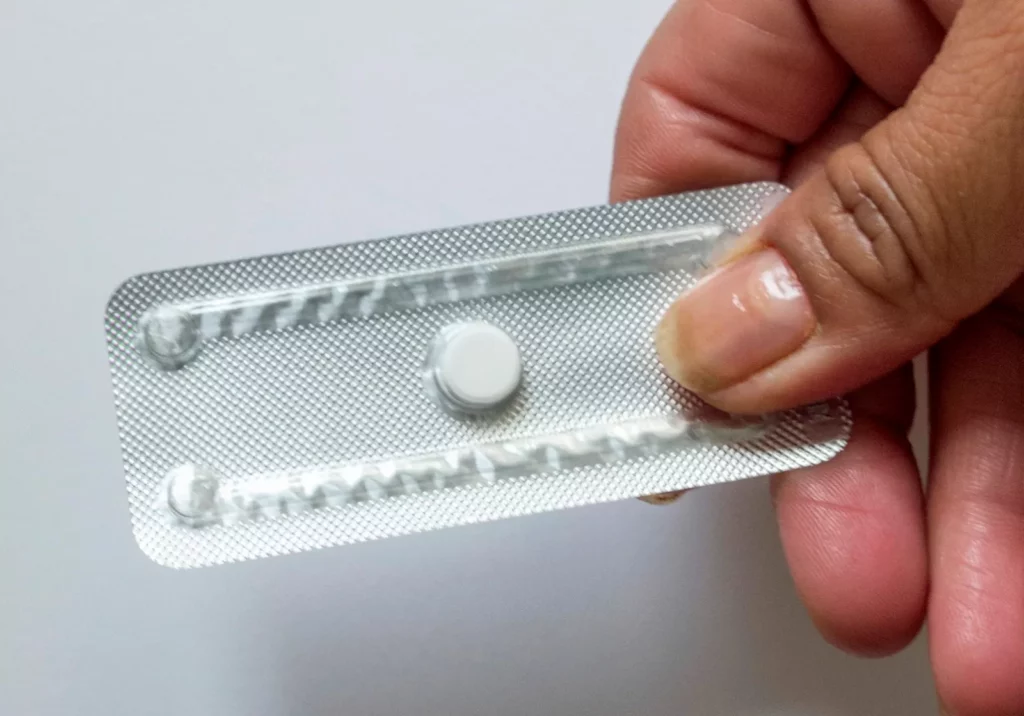
Nearly half of UK adults believe it would be difficult to access emergency contraception on a Sunday, according to a new poll that has prompted doctors to call for the morning-after pill to be sold in corner shops and petrol stations alongside everyday medicines.
The YouGov survey of 2,115 people across the UK, commissioned by the College of Sexual and Reproductive Healthcare (CoSRH), found that while only 7% of respondents think obtaining emergency contraception is tricky during a weekday daytime, perceived barriers skyrocket outside typical hours. Almost two-thirds (65%) said it would be difficult to obtain after 10pm.
Currently, the morning-after pill is available free of charge from most sexual health clinics, GP surgeries, some NHS walk-in centres and community pharmacies. In most cases, however, a mandatory consultation with a pharmacist is required before the pill can be supplied – a step that some women report feeling embarrassed or judged during.
Time-sensitive treatment, delayed access
The time-critical nature of emergency contraception makes these barriers more than an inconvenience. The pill needs to be taken within three to five days after unprotected sex or contraceptive failure, and the sooner it is taken the more likely it is to work. Two main types are available in the UK: levonorgestrel (effective within 72 hours) and ulipristal acetate, known as ellaOne (effective within 120 hours). The copper coil IUD remains the most effective form of emergency contraception but requires insertion by a healthcare professional.
Dr Zara Haider, president of the CoSRH and a consultant in sexual and reproductive healthcare at Kingston and Richmond NHS Foundation Trust, said: “Emergency contraception is a safe and effective but time-sensitive method of contraception. Yet these findings show that a significant number of people are worried they won’t be able to get it when they need it.”
She added: “The decision to prevent an unintended pregnancy is a basic human right and should not depend on the day of the week, the time of day, your postcode or whether the local pharmacy happens to be open.”
The morning-after pill was first licensed in the UK in 1984, with early versions containing higher doses of oestrogen taken over several days. Levonorgestrel became available in 2001, and ellaOne followed in 2009. In 2015, EU legislation allowed ellaOne to be purchased directly from pharmacies without a prescription, and it was also made available for girls under 16 without parental involvement. A further landmark came on 29 October 2025, when the pill was made free at community pharmacies across England, aiming to eliminate the “postcode lottery” that had left some regions with no free access. Scotland and Wales already had more widespread free provision. Previously, the pill could cost up to £30 in pharmacies.
Calls for reclassification
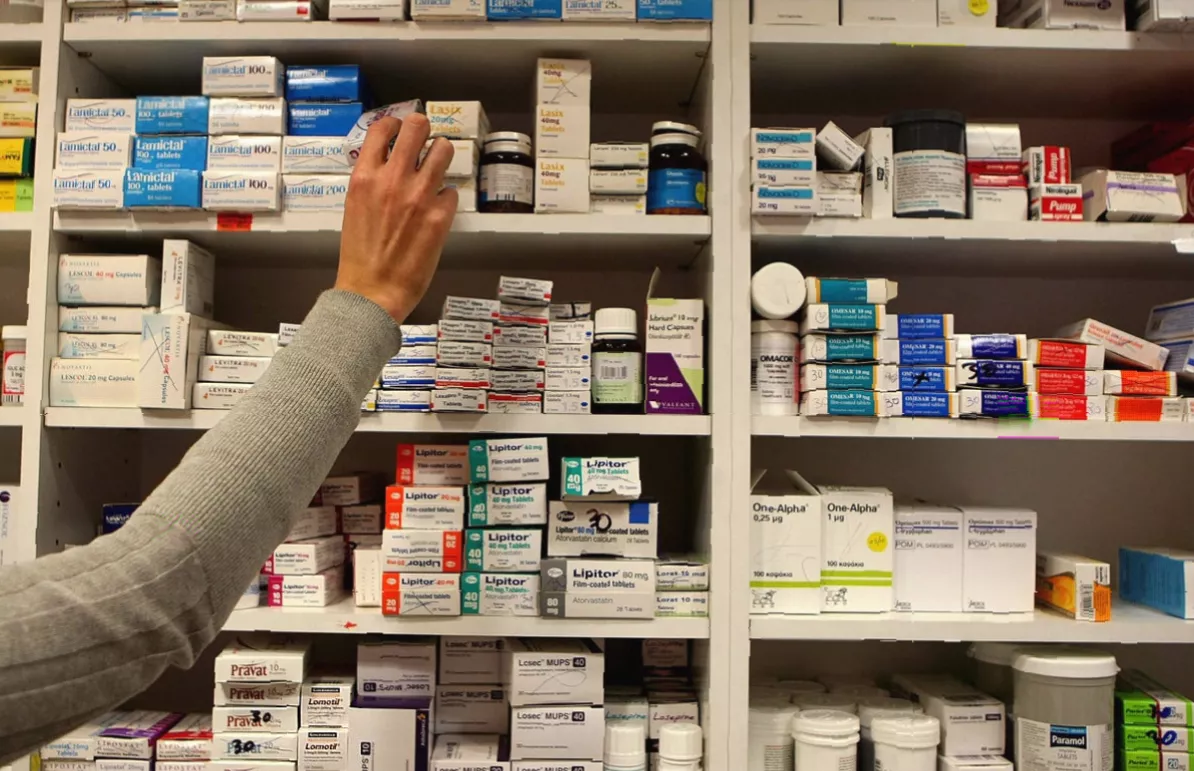
Now the CoSRH is urging the government to reclassify oral emergency contraception from a Pharmacy (P) medicine – which requires pharmacist supervision – to a General Sales List (GSL) medicine. This would allow it to be sold directly from retail outlets such as corner shops, supermarkets and petrol stations, much like paracetamol, antiseptic cream or antihistamine tablets.
The call is backed by a coalition of women’s health charities and medical bodies, including the Royal College of Obstetricians and Gynaecologists (RCOG), the Faculty of Pharmaceutical Medicine, MSI Reproductive Choices, the British Pregnancy Advisory Service (BPAS) and the Faculty of Public Health. Dr Haider said: “Women shouldn’t have to navigate unnecessary hurdles to get emergency contraception, particularly when time matters. Making it available alongside condoms and pregnancy tests in shops and other retailers is a simple fix, one that would give women greater control over their reproductive health.”
Supporters argue that emergency contraception is safer than many medicines already sold over-the-counter and that removing the mandatory consultation would reduce stigma and embarrassment. However, the Royal Pharmaceutical Society has advocated for preserving the consultation, arguing it provides a valuable opportunity to discuss ongoing contraception, sexual health risks and safeguarding concerns. The RCOG says there is no evidence to support historical fears about misuse or overuse if the pill were more widely available. There is also no specific law preventing men from buying the morning-after pill, although pharmacists may require the person who will take it to be present for a consultation.
Public backing for wider availability
The YouGov poll found strong public support for making the morning-after pill readily available in corner shops, with 61% of UK adults backing wider retail availability and only 15% opposing the change. Among 18- to 34-year-olds, support rises to 75%.
The CoSRH, which changed its name from the Faculty of Sexual and Reproductive Healthcare in 2025, argues that the combination of strong public backing and the time-sensitive nature of the medication makes reclassification a straightforward step to improve reproductive autonomy. As Dr Haider put it: “The decision to prevent an unintended pregnancy is a basic human right and should not depend on the day of the week, the time of day, your postcode or whether the local pharmacy happens to be open.”