

Close Menu
    Useful
    • About Us
    • Contact Us
    • Advertise With Us
    • Health Explainers
    • Our Editorial Team
    Facebook
    HealthNewsDaily.co.uk
    • Home
      • Explainers
    • NHS

      British Medical Association may lay off up to a third of employees amid financial crisis

      4 July 2026

      GB Mums: lenient justice, NHS maternity and child abuse sentences leave children unprotected

      3 July 2026

      Advance heatwave plans needed, not last-minute fixes, Letters say

      3 July 2026

      NHS calls for PMOS checks in women with irregular periods

      1 July 2026

      Months-long neglect of four cancer signs by third of Britons blamed on GP appointment crisis

      30 June 2026
    • Health Policy

      Hospital waiting list patients to get three weeks’ advance warning under NHS England plans

      3 July 2026

      Britons back morning-after pill sales in corner shops, poll finds

      1 July 2026

      Maternity investigator Ockenden says Amos review offers no fresh insights

      30 June 2026

      Bereaved mother warns England maternity commissioner role poses danger

      30 June 2026

      Medicare to pay for weight-loss drugs soon

      30 June 2026
    • Mental Health

      Letter draws attention to parents of adult children neither employed nor studying

      3 July 2026

      England sees one million children seeking help for anxiety and autism

      29 June 2026

      Joanne McNally says bulimia and breakdown in her twenties ultimately transformed her

      27 June 2026

      Dopamine sites become internet’s most dismal craze

      27 June 2026

      Blue Heron film review: a serious, nuanced examination of childhood trauma in 1990s Canada

      25 June 2026
    • Wellness & Lifestyle

      Weight-loss drugs become new battleground after Brexit rows

      4 July 2026

      Hair transplant surgeon champions specific shampoo routine for greater volume and shine

      4 July 2026

      20-minute technique could help England fans stay awake for Mexico World Cup tie

      3 July 2026

      Doctor warns cutting back on fat could sabotage low-cholesterol diet

      3 July 2026

      NHS to cover cost of shopping for 30-minute daily walkers

      3 July 2026
    • Disease & Prevention

      French fatalities jumped 30% during peak week of record June heatwave

      4 July 2026

      Toddler’s tantrums mistaken for typical toddler phase before grave diagnosis

      3 July 2026

      600,000 mosquitos released over Washington DC to exterminate biting pests

      2 July 2026

      Remaining seated for 30 minutes or more raises risk of cancer death

      2 July 2026

      Lyme disease infections up more than 20% as England’s highest tick risk area revealed

      2 July 2026
    • Treatment & Research

      Woman, 24, had 12 Botox vials injected into face for non-cosmetic reason

      4 July 2026

      Statins: the purpose and risks of cholesterol medication

      3 July 2026

      Extreme fatigue from Long Covid hampers business owner’s ability to run firm

      3 July 2026

      Five-minute habit can cut cancer risk by more than 20%

      2 July 2026

      Over-40s with obesity show cholesterol and blood pressure levels within normal BMI range, research finds

      2 July 2026
    HealthNewsDaily.co.uk
    • NHS
    • Health Policy
    • Mental Health
    • Wellness & Lifestyle
    • Disease & Prevention
    • Treatment & Research
    Home » Treatment & Research » Five-minute habit can cut cancer risk by more than 20%
    Treatment & Research

    Five-minute habit can cut cancer risk by more than 20%

    Sophie HargreavesBy Sophie Hargreaves2 July 2026
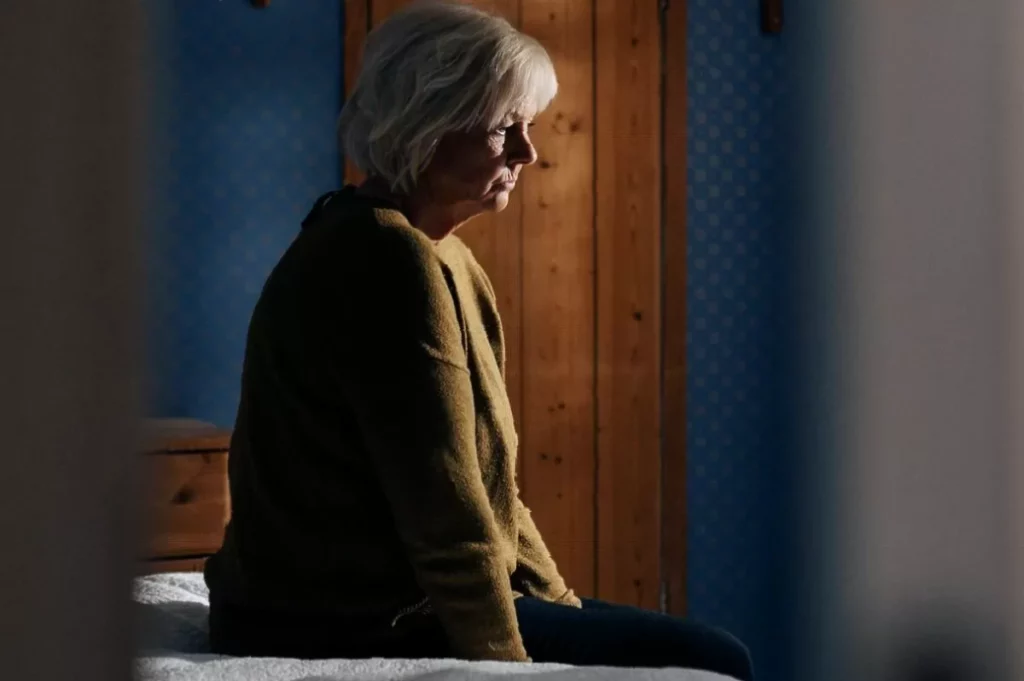
    A person standing up from a desk chair after a prolonged period of sitting

    Sitting for more than 30 minutes at a stretch every day raises the risk of dying from cancer, according to new research from the University of Glasgow. The findings, published in the journal PLOS Medicine, show that prolonged uninterrupted sedentary time is directly linked to higher cancer mortality, with the danger growing for every additional hour spent inactive.

    Risk linked to prolonged sitting

    The study analysed data from wearable accelerometers worn by more than 91,000 participants in the UK Biobank study, who were tracked over an average of 12 years. The devices allowed researchers to distinguish between “prolonged sedentary behaviour” – lasting more than 30 minutes with minimal physical activity – and shorter, interrupted bouts of sitting.

    Each extra hour per day of prolonged sedentary behaviour was associated with a 10 per cent higher risk of death from cancer. The association was found for overall cancer mortality, incident cancer and specific cancer types, including obesity-related cancers and those linked to type 2 diabetes, as well as lung, breast and oral cancers and leukaemia or non‑Hodgkin’s lymphoma. Previous meta‑analyses have also suggested that total sedentary behaviour is linked to colorectal, lung, breast and endometrial cancers, but this study is the first to measure how the duration of uninterrupted sitting matters.

    Dr Frederick Ho, senior lecturer of public health at the University of Glasgow and lead author of the study, said: “What our data shows is that sitting for more than 30 minutes at a time is particularly linked to a higher risk of cancer.” He added that extended periods of sitting or lying down while awake had previously been linked to cardiovascular disease and certain cancers, but the new research illuminates how sedentary behaviour accumulates.

    Even light movement cuts risk sharply

    The most striking finding concerns the protective effect of breaking up sedentary time. The researchers discovered that substituting one hour of sedentary behaviour with gentle physical activity each day – such as a leisurely stroll or household chores like ironing – resulted in a 12 per cent reduction in cancer death risk. Replacing just 30 minutes of inactivity with moderate exercise, including walking at a normal pace, lowered the risk by 8 per cent.
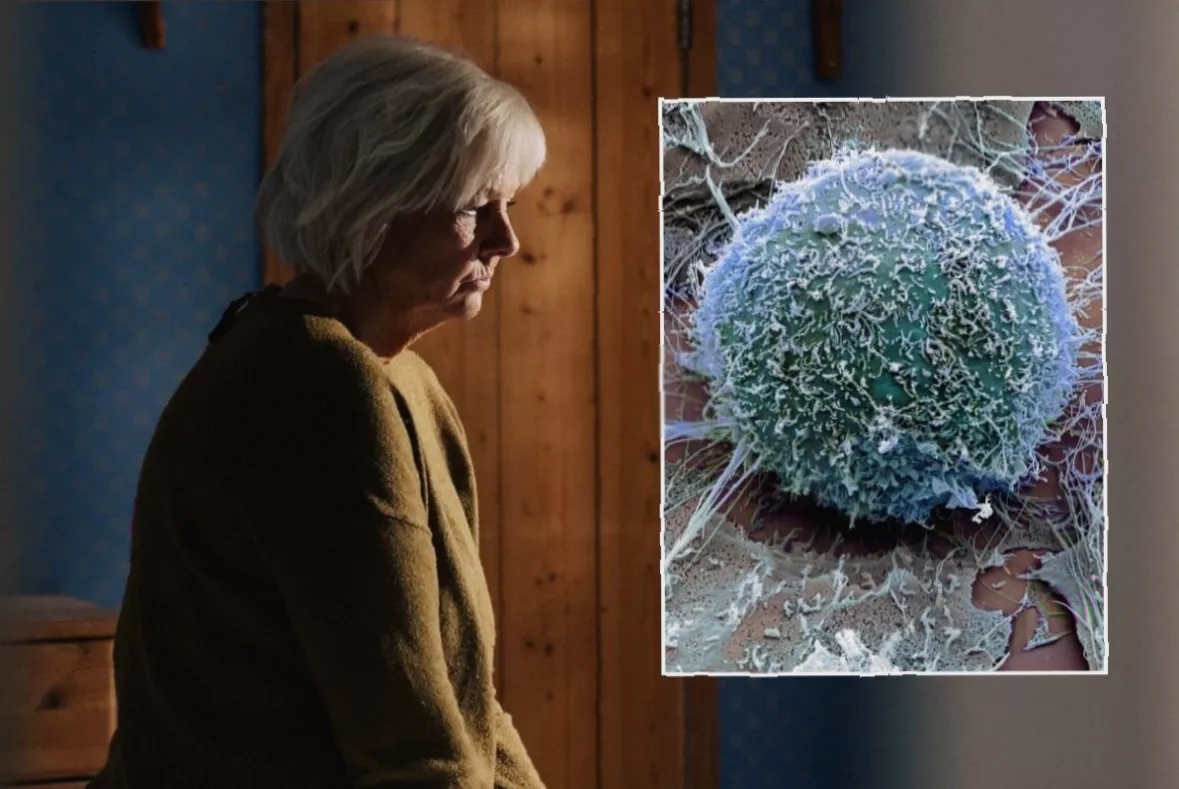
    Accelerometer data from a UK Biobank participant showing sedentary behaviour patterns

    Most impressively, exchanging merely five minutes of sitting for five minutes of vigorous activity each day was associated with a 22 per cent decrease in cancer mortality. The researchers stressed that even light‑intensity movements, including slow walking or everyday household tasks, proved beneficial in mitigating these dangers.

    “The good news is that breaking up your sitting time with something as simple as a short walk could be protective,” Dr Ho said. He noted that current health guidance places considerable emphasis on moderate or vigorous exercise, but “our findings show that light movement shouldn’t be ignored.”

    Rachel Richardson of Cochrane, who was not involved in the study, said the use of accelerometers rather than self‑reported activity lends credibility to the findings. Because the study is observational, it can show associations but cannot definitively prove causation, though the results align with a growing body of evidence.

    How inactivity harms and activity helps

    Excessive sitting is thought to slow metabolism, affecting the body’s ability to regulate blood sugar, blood pressure and break down body fat. It is also linked to higher insulin levels, which can influence cancer risk by increasing the bioavailability of growth factors that promote tumour growth. Research indicates that cancer survivors tend to be more sedentary than age‑matched controls, and breaking up prolonged sitting with light activities is the most commonly reported strategy among that group.
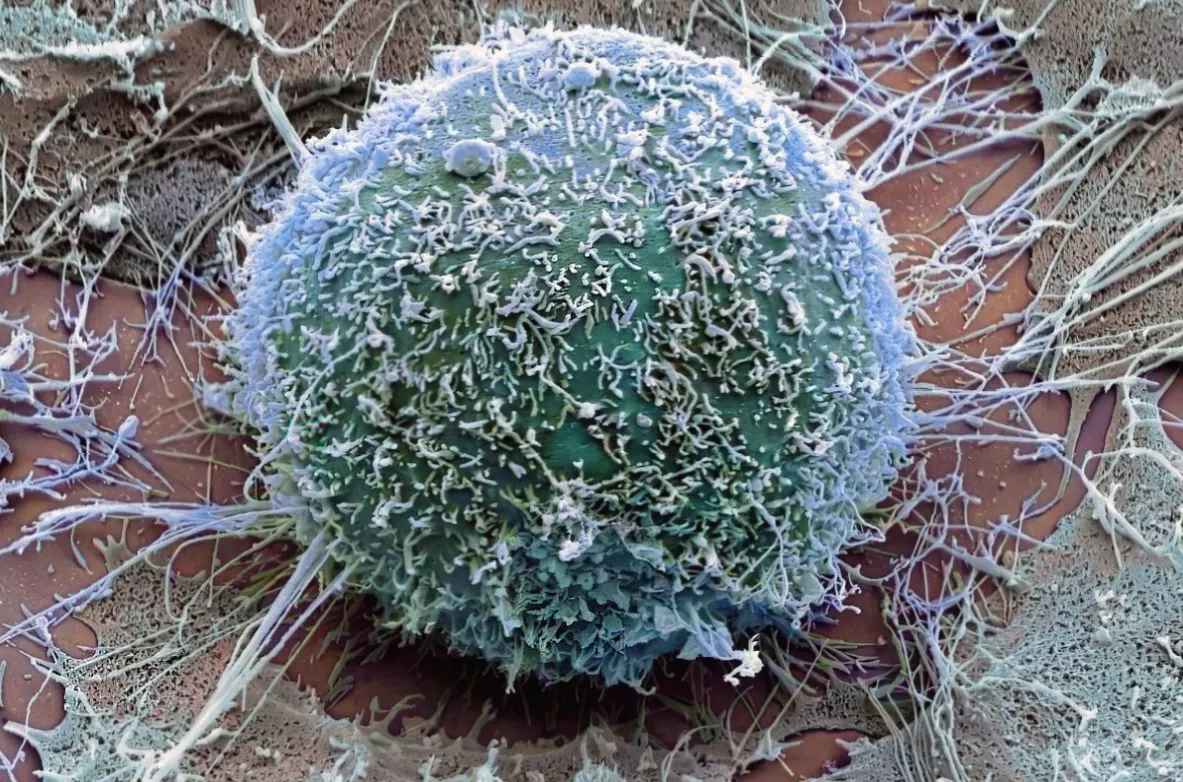
    A leisurely stroll through a park as an example of light physical activity replacing sitting

    Current guidelines from the World Health Organization (2020) recommend that all adults undertake 150–300 minutes of moderate‑intensity or 75–150 minutes of vigorous‑intensity aerobic physical activity per week, and that they reduce sedentary behaviours across all age groups. The UK Chief Medical Officers’ guidelines similarly advise adults to minimise extended periods of sitting and to break up long sedentary bouts with at least light activity. However, neither set of guidelines currently quantifies a specific time limit for sedentary behaviour due to insufficient evidence.

    A separate Oxford study from March 2025, using UK Biobank data from 85,394 participants, found that daily step count was more important than intensity for lowering cancer risk, with a plateau around 9,000 steps per day. That study also reinforced that light‑intensity activities such as casual walking and household chores contribute to lower cancer risk, and that replacing sedentary time with physical activity lowered risk even though sedentary behaviour alone was not directly associated in that analysis.

    Dr Ho said clinical trials are needed to develop personalised approaches for interrupting prolonged sitting, moving beyond generic recommendations. “Our findings show that light movement shouldn’t be ignored,” he repeated, underlining that even the smallest replacements – five minutes of vigorous activity or an hour of gentle chores – can make a measurable difference to cancer survival. The take‑home message, he said, is that breaking up sitting time, however modestly, offers a real, quantifiable benefit. The metabolic impact of prolonged sitting – slower metabolism, higher insulin and increased growth factors – provides a plausible biological pathway for the link, making the case for regular movement throughout the day even stronger.

    Blood Pressure Cancer Clinical Trials Diabetes Exercise Obesity Public Health Walking
    Share. Facebook Twitter LinkedIn WhatsApp Telegram
    Sophie Hargreaves
    Sophie Hargreaves

    Health Correspondent
    Sophie Hargreaves covers medical research, new treatments, disease outbreaks and prevention for Health News Daily. She holds a Master's degree in Health Sciences from the University of Leeds and has spent several years translating complex medical science into clear, accessible reporting for a general audience. Sophie focuses on the latest clinical trials, NICE and MHRA approvals, vaccination programmes and emerging health threats, always with an eye on what these developments mean for people in the UK.
    · MSc Health Sciences (University of Leeds), science communication volunteer, medical research literacy
    · Clinical trials and drug approvals (NICE, MHRA), cancer screening programmes, vaccination and outbreak response, women's health (endometriosis, PCOS, menopause), weight management treatments, AI in diagnostics

    Related Posts

    Treatment & Research

    Woman, 24, had 12 Botox vials injected into face for non-cosmetic reason

    4 July 2026
    Treatment & Research

    Statins: the purpose and risks of cholesterol medication

    3 July 2026
    Treatment & Research

    Extreme fatigue from Long Covid hampers business owner’s ability to run firm

    3 July 2026
    Treatment & Research

    Over-40s with obesity show cholesterol and blood pressure levels within normal BMI range, research finds

    2 July 2026
    Join Our Community & Win

    Each month we select one lucky follower to receive a prize from our partners. Follow us on our social channels for your chance to win.

    • Facebook
    Latest
    Treatment & Research

    Woman, 24, had 12 Botox vials injected into face for non-cosmetic reason

    4 July 2026
    NHS

    British Medical Association may lay off up to a third of employees amid financial crisis

    4 July 2026
    Wellness & Lifestyle

    Weight-loss drugs become new battleground after Brexit rows

    4 July 2026
    Wellness & Lifestyle

    Hair transplant surgeon champions specific shampoo routine for greater volume and shine

    4 July 2026
    Disease & Prevention

    French fatalities jumped 30% during peak week of record June heatwave

    4 July 2026
    NHS

    GB Mums: lenient justice, NHS maternity and child abuse sentences leave children unprotected

    3 July 2026
    News Categories
    • NHS
    • Health Policy
    • Mental Health
    • Wellness & Lifestyle
    • Disease & Prevention
    • Treatment & Research
    Help
    • About Us
    • Contact Us
    • Advertise With Us
    • Health Explainers
    • Our Editorial Team
    About Us
    About Us

    Health News Daily provides trusted UK health news, covering NHS updates, medical research, public health and wellbeing with clear and reliable reporting.

    Facebook
    • Cookie Policy
    • Privacy Policy
    • Complaints Policy
    • Corrections Policy
    • AI Disclosure Policy
    • Editorial Policy & Ethics
    • Accessibility Statement
    • Medical Disclaimer
    • Terms & Conditions
    • Sponsored Content Disclosure
    • Copyright Notice
    © 2026 Healthnewsdaily.co.uk. All rights reserved.

    Type above and press Enter to search. Press Esc to cancel.