

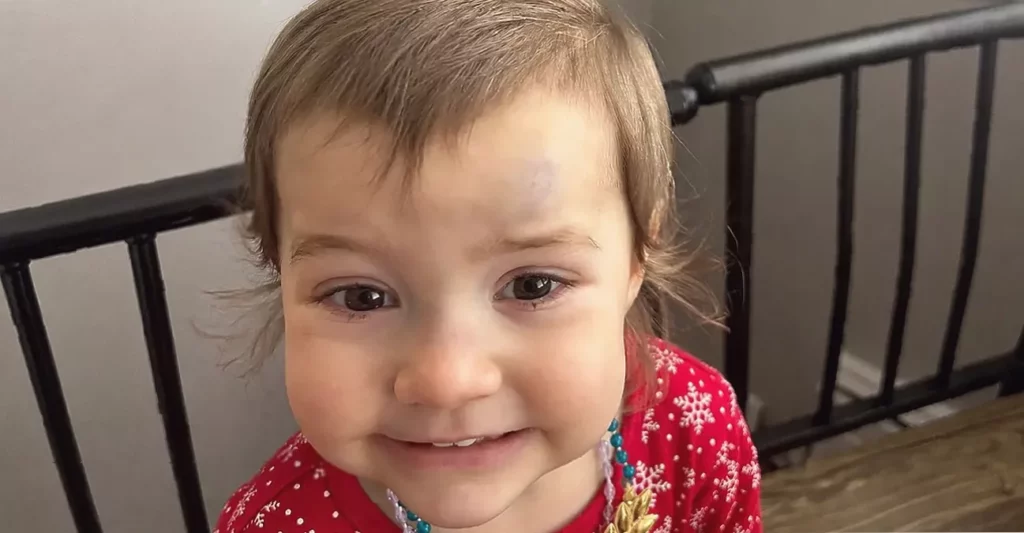
A toddler’s severe, hour-long meltdowns were dismissed as the “terrible twos” before a blood test revealed she had a rare and aggressive form of blood cancer, her mother has said.
Misdiagnosed as a phase
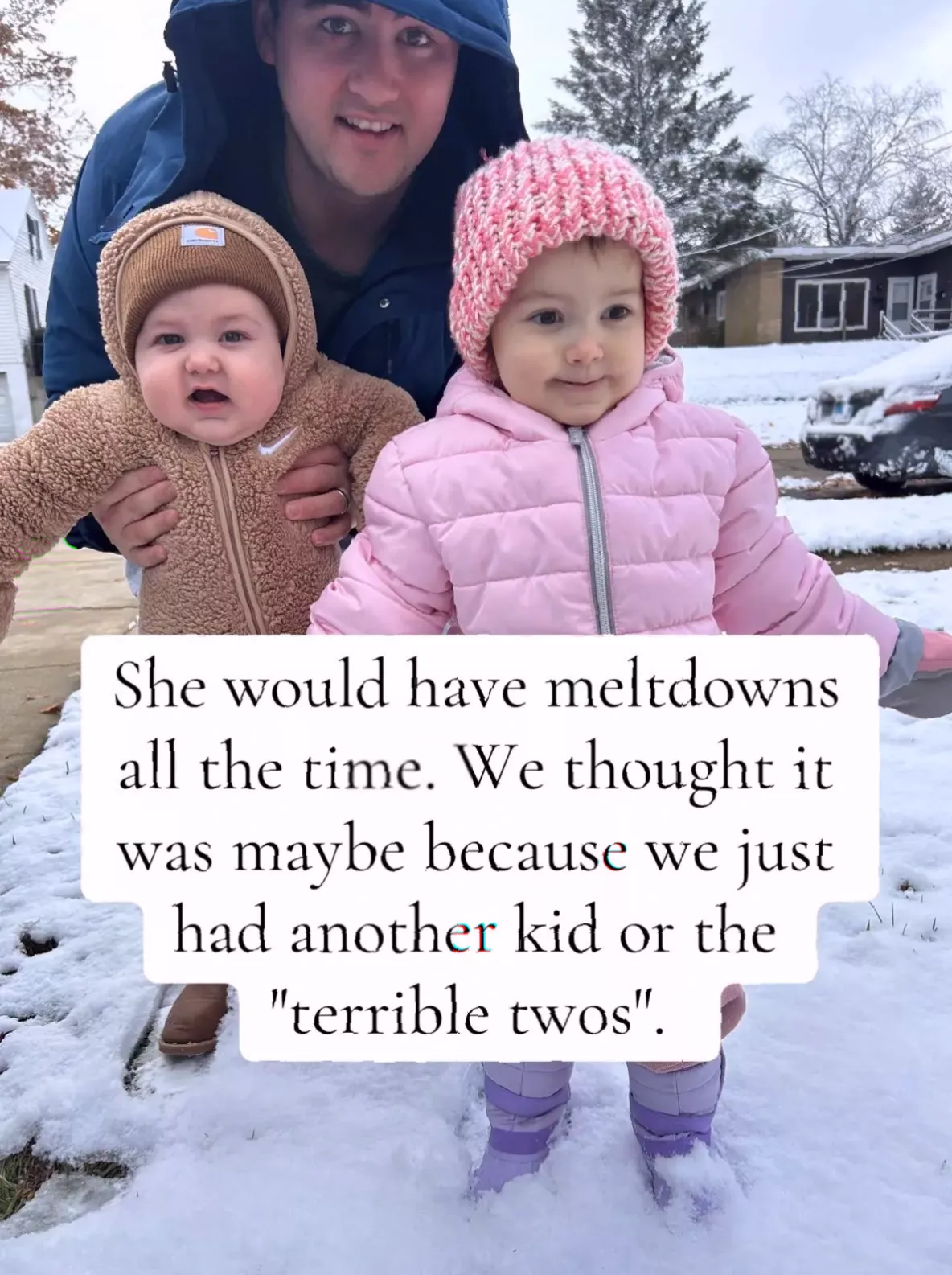
Alicia Bridge, 27, from Freeport, Illinois, initially put her two-year-old daughter Ada’s sudden episodes of screaming and crying down to her age. Even doctors assured her the behaviour “looked great” and was likely a normal developmental stage. “These meltdowns were not normal for Ada,” Mrs Bridge said. “She would cry and scream for an hour and there wasn’t anything that we could do to calm her down.” The meltdowns typically came before activities such as ballet or gymnastics – Mrs Bridge now believes Ada was experiencing bone pain and knew the exercise would hurt her.
The hidden signs
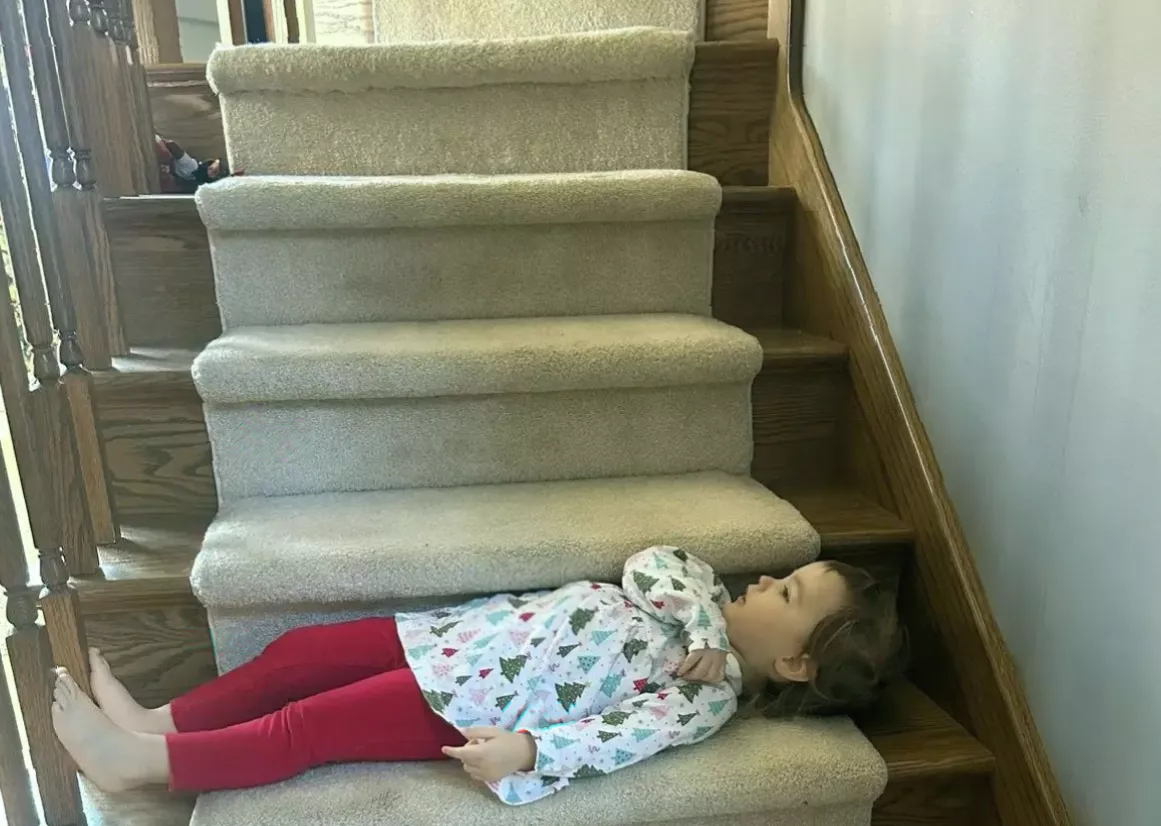
Ada’s symptoms began in November 2025. She grew “really tired” and would put herself down for naps, go to bed early and stop fighting sleep. “Doing simple activities would tire her out easily,” her mother said. Ada complained of leg pain, even on a short grocery run, and would ask to be carried instead of running around as she used to. During play dates she wanted to sit in her mother’s lap or lie on the ground rather than interact with friends. She also started bruising easily, including a large bruise on her head after another child threw a toy car at her, which worsened when she hit her head again days later. Her skin tone became “so pale that she looked like she had a yellow tint to her”.
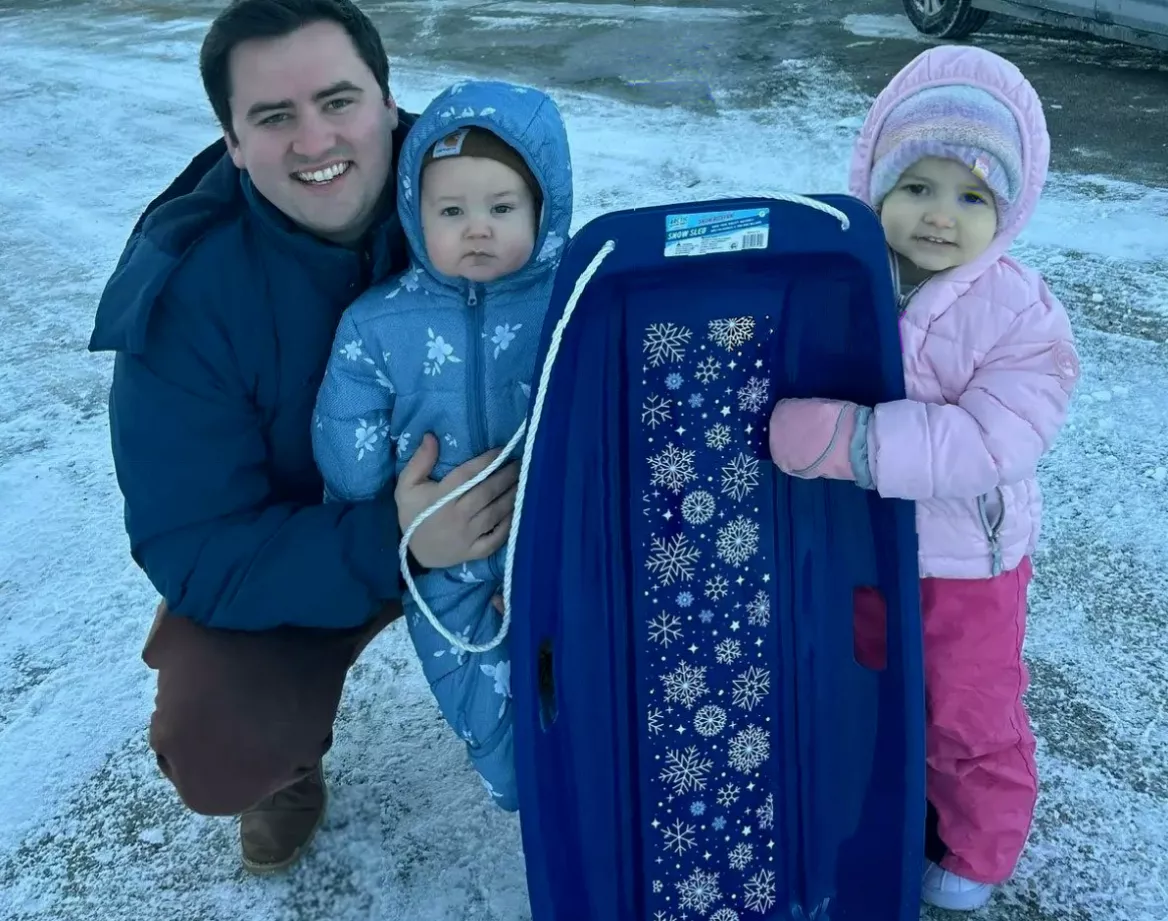
Mrs Bridge initially thought Ada might have a urinary tract infection and took her to the doctor in December 2025. She was told the irritability was age-related, but two weeks later, concerned by how pale her daughter had become, she insisted on a blood test. That day she received a call telling her to go straight to hospital. “We went to the ER not knowing what we were getting into,” she said. Ada’s blood levels were dangerously low and she needed multiple blood and platelet transfusions. The family spent the night in hospital and woke the next morning to be told Ada had acute lymphoblastic leukaemia (ALL).
The diagnosis and treatment
Acute lymphoblastic leukaemia is a fast-growing blood cancer that starts in the bone marrow and affects white blood cells. In the UK, it is the most common type of cancer in children, with around 750 to 800 new cases diagnosed each year, most often in children under five. Survival rates have improved dramatically – more than 90% of children diagnosed with ALL in the UK now survive for five years or more, compared with around 40% in the 1970s. Treatment typically involves several phases: induction to achieve remission, consolidation to destroy remaining cells, and maintenance to prevent relapse.
Ada spent eight days in hospital before doctors considered her well enough to begin treatment. Her regimen has included six initial medications, steroids, chemotherapy, as well as blood and platelet transfusions. She also underwent weekly lumbar punctures and immunotherapy, which involved continuous medication for 28 days. The now-three-year-old is due to start a more intense course of chemotherapy in the coming weeks, followed by another round of immunotherapy.
The toll on a toddler and her family
The side effects of the treatment have been severe. “The steroids that she took daily would make her extremely hungry and irritable. It also caused facial swelling and muscle weakness,” Mrs Bridge said. “The muscle weakness in her legs made it so that she couldn’t walk. It felt like her personality was completely gone because she didn’t want to do anything.” The emotional toll on the family has been immense. Mrs Bridge described the anguish of port access procedures, when a needle is inserted into Ada’s chest. “We have to hold her down while she screams ‘why are you hurting me?’. It breaks my heart,” she said. “My husband and I often think ‘why did this have to happen to our child?’.”
Research into kinder treatments for childhood ALL is ongoing. In the UK, organisations such as Children with Cancer UK, the Children’s Cancer and Leukaemia Group, Young Lives Vs Cancer, and Leukaemia UK fund studies and provide support for families. Recent advances include the immunotherapy drug blinatumomab, which has shown promising results in improving disease-free survival when added to standard chemotherapy for certain types of ALL.
Ada is currently responding well to treatment with minimal side effects, and her parents hope this continues. Mrs Bridge has begun sharing their journey online to warn other parents about the symptoms of childhood leukaemia. “These children deserve to have a cure. They deserve treatment that isn’t so harsh; safer treatments shouldn’t be a dream,” she said. “You never know what it is like to have a child with cancer until you are going through it. And if you think you are being helpful to them you could probably do so much more.” Ada’s parents have set up a fundraising page to help with the costs of her care.