

More than one in three Britons who notice a potential warning sign of cancer fail to seek medical attention for at least six months, according to new survey data from Cancer Research UK that exposes deep-seated barriers in the country’s healthcare access.
The polling, which gathered responses from 6,844 adults across Britain, found that 32 per cent had observed a concerning symptom but did not have it examined within half a year. Even among those who did consult a doctor, 43 per cent chose not to return if their symptoms persisted after the initial appointment, raising fears that many cancers are being diagnosed later than necessary.
Barriers to seeking help
The research lays bare the reasons behind the delays. More than half of respondents—53 per cent—said they believed securing a GP appointment would be difficult. A further 37 per cent admitted they had too many competing concerns demanding their attention, while 40 per cent said they did not want to be seen as someone who makes a fuss. Some 43 per cent simply decided to manage the symptom themselves.
The findings echo earlier Cancer Research UK studies. A 2014 survey by the charity found that over half of British people had experienced a ‘red flag’ symptom, yet only 2 per cent considered cancer as a possible cause. A 2009 poll revealed that one in seven people could not name a single symptom of the disease. More recent polling from December 2025 indicated that 48 per cent of people in the UK had delayed or avoided contacting their GP about a health concern in the past 12 months, with difficulties accessing appointments cited as the primary reason.
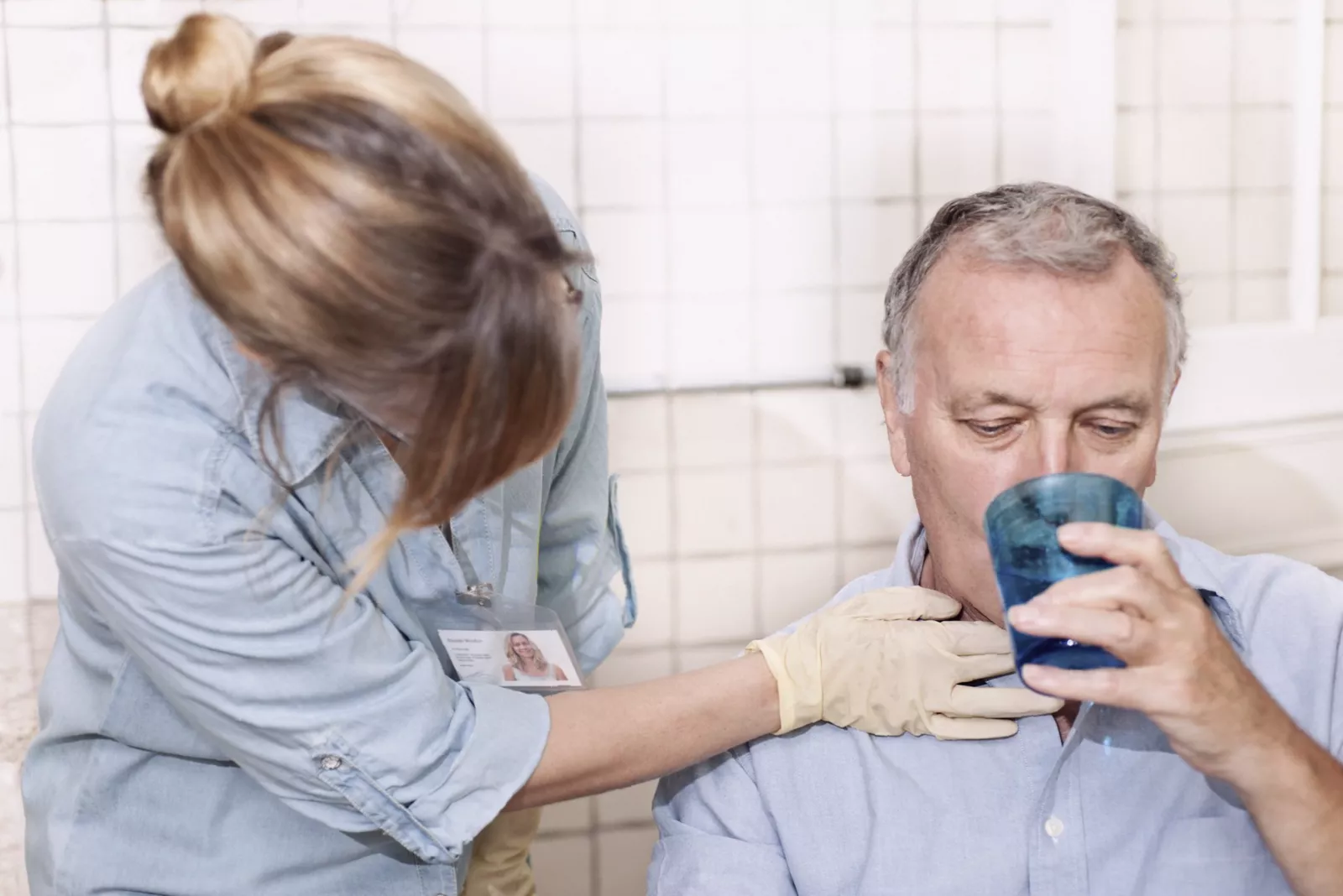
Among those who did try to book an appointment, 47 per cent reported finding it difficult to make one. The result is a pattern of self-management and dismissal that experts say is costing lives.
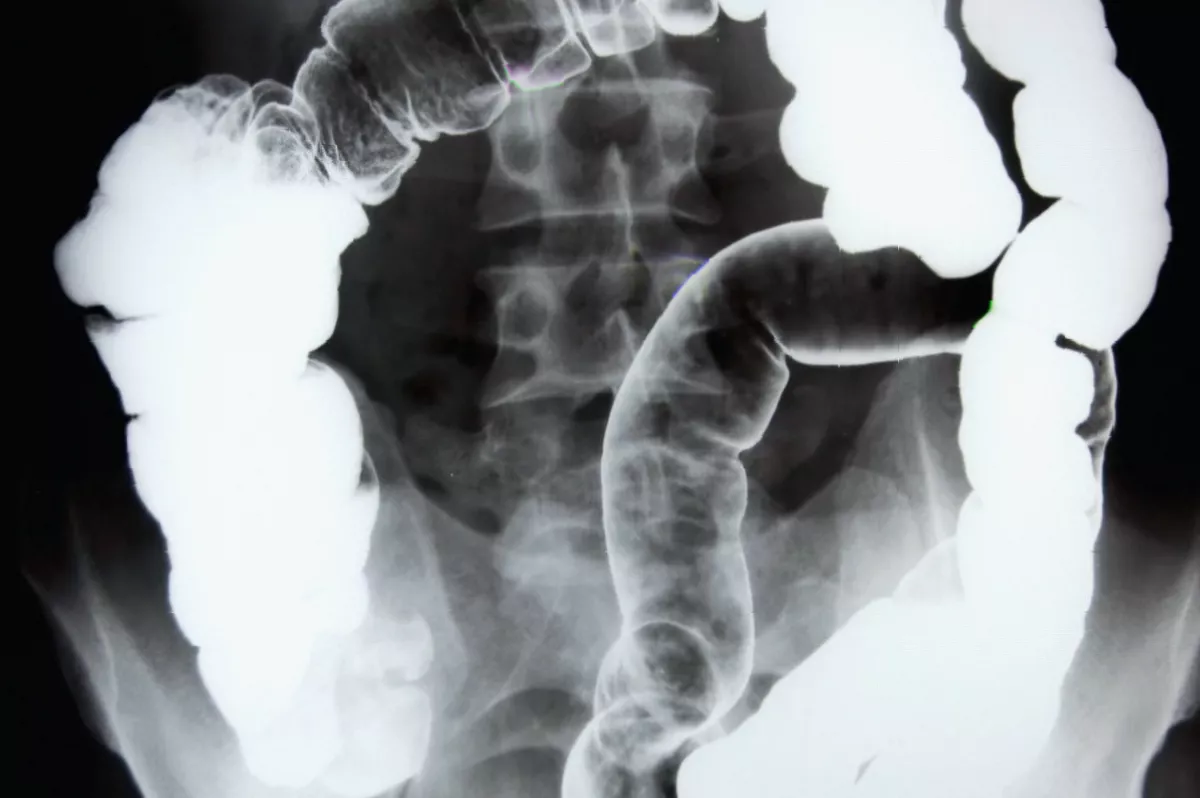
High-risk indicators that warrant urgent attention include unexplained lumps, problems with swallowing, unintentional weight loss, blood in urine or stool, a persistent cough, changes in moles, and sores that do not heal. Bowel cancer, the second most common cause of cancer death in the UK, claims more lives than any other form except lung cancer. Yet approximately nine in ten patients diagnosed at the earliest stage survive for five years or more, compared with only about one in ten diagnosed at stage four. The UK also has a higher rate of late-stage bowel cancer diagnoses than many other high-income countries.
Oesophageal cancer, the seventh most common cause of cancer death in the UK, affects roughly 10,000 Britons annually and causes around 8,000 deaths. Survival rates have shown little improvement over the last 50 years, with only about 15 per cent of adult patients in England and Wales surviving for five years or more. Nearly 59 per cent of oesophageal cancer cases are considered preventable, and incidence rates are lowest in the most affluent groups, while mortality is significantly higher in more deprived areas.
Tesco pharmacy initiative
In response to the findings, Cancer Research UK has partnered with Tesco to train pharmacists in more than 350 supermarket locations across England, Scotland and Wales. The initiative allows shoppers to discuss health concerns in a private consultation room without the need to book a formal GP appointment. Pharmacists trained by the charity are equipped to recognise ‘red flag’ cancer symptoms and offer guidance on next steps, aiming to break down barriers such as appointment difficulties, the desire not to make a fuss, and the belief that symptoms are not serious.
Tom Lye, Tesco Health & Wellness Category Director, said: “Tesco pharmacists are often a convenient and trusted first point of contact for our customers and colleagues who have health concerns. Through our partnership with Cancer Research UK, we’re making it easier for them to have health conversations in a private setting without needing to book an appointment.”
Michelle Mitchell, chief executive of Cancer Research UK, said: “It’s so important to spot cancer early when treatment is more likely to be successful. We’ve partnered with Tesco to support early diagnosis of cancer by making it easier for people to talk to a professional about any concerns, which we hope will save lives.”
The partnership, which has been running since at least September 2024, is part of a broader push by the charity to double cancer survival rates over the past 40 years. The NHS in England has set a target for 75 per cent of cancers to be diagnosed at stage one or stage two by 2028, though progress has been slow. Other initiatives include community pharmacy pilots for direct referral of patients with red flag symptoms to specialist services, reflecting growing public support for using other healthcare professionals for appropriate consultations.
Case study: Carlton Hayman
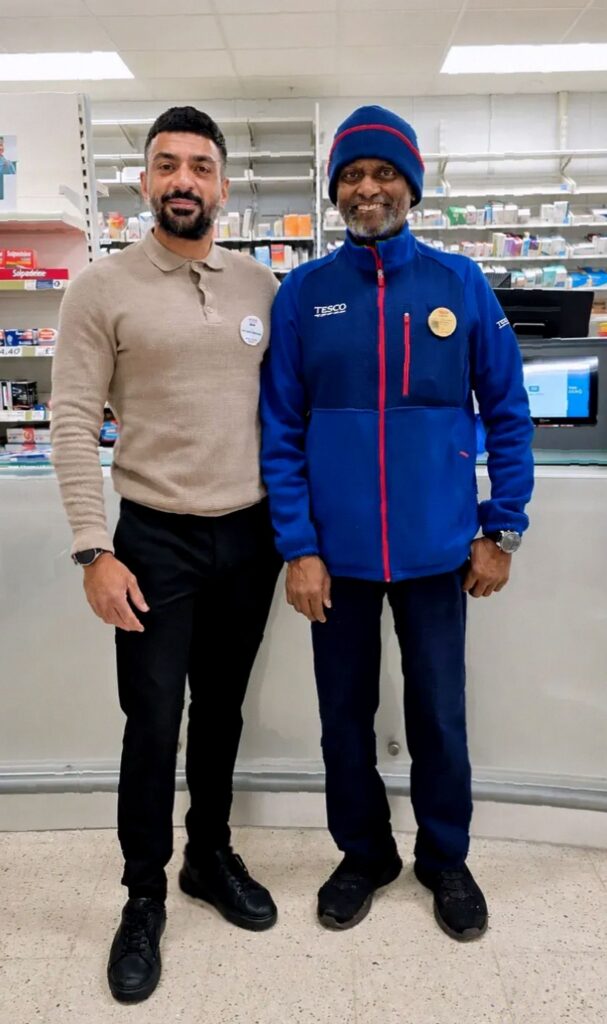
The programme has already demonstrated its potential to save lives, as illustrated by the case of Carlton Hayman, a 67-year-old grocery assistant at a Tesco store in Coventry. Mr Hayman began experiencing difficulty swallowing in 2024 but initially dismissed the symptom as nothing serious because he felt no pain.

“It just felt like the food wasn’t going down properly,” he said. “Because there was no pain or other symptoms, I didn’t think it was anything serious at the time.”
After completing a shift, he consulted Nik Thakrar, the store’s pharmacy manager, who had been trained by Cancer Research UK. Thakrar recognised the symptom as a red flag and urged him to seek urgent medical attention. Following a GP referral and endoscopy, Mr Hayman received a diagnosis of oesophageal cancer at a treatable stage.
His case underscores the critical role that accessible, informal conversations with trained healthcare professionals can play in catching the disease early, especially for those who might otherwise put off a formal appointment. For Mr Hayman, the absence of pain nearly cost him the chance of early treatment.