

Close Menu
    Useful
    • About Us
    • Contact Us
    • Advertise With Us
    • Health Explainers
    • Our Editorial Team
    Facebook
    HealthNewsDaily.co.uk
    • Home
      • Explainers
    • NHS

      British Medical Association may lay off up to a third of employees amid financial crisis

      4 July 2026

      GB Mums: lenient justice, NHS maternity and child abuse sentences leave children unprotected

      3 July 2026

      Advance heatwave plans needed, not last-minute fixes, Letters say

      3 July 2026

      NHS calls for PMOS checks in women with irregular periods

      1 July 2026

      Months-long neglect of four cancer signs by third of Britons blamed on GP appointment crisis

      30 June 2026
    • Health Policy

      Hospital waiting list patients to get three weeks’ advance warning under NHS England plans

      3 July 2026

      Britons back morning-after pill sales in corner shops, poll finds

      1 July 2026

      Maternity investigator Ockenden says Amos review offers no fresh insights

      30 June 2026

      Bereaved mother warns England maternity commissioner role poses danger

      30 June 2026

      Medicare to pay for weight-loss drugs soon

      30 June 2026
    • Mental Health

      Letter draws attention to parents of adult children neither employed nor studying

      3 July 2026

      England sees one million children seeking help for anxiety and autism

      29 June 2026

      Joanne McNally says bulimia and breakdown in her twenties ultimately transformed her

      27 June 2026

      Dopamine sites become internet’s most dismal craze

      27 June 2026

      Blue Heron film review: a serious, nuanced examination of childhood trauma in 1990s Canada

      25 June 2026
    • Wellness & Lifestyle

      Weight-loss drugs become new battleground after Brexit rows

      4 July 2026

      Hair transplant surgeon champions specific shampoo routine for greater volume and shine

      4 July 2026

      20-minute technique could help England fans stay awake for Mexico World Cup tie

      3 July 2026

      Doctor warns cutting back on fat could sabotage low-cholesterol diet

      3 July 2026

      NHS to cover cost of shopping for 30-minute daily walkers

      3 July 2026
    • Disease & Prevention

      French fatalities jumped 30% during peak week of record June heatwave

      4 July 2026

      Toddler’s tantrums mistaken for typical toddler phase before grave diagnosis

      3 July 2026

      600,000 mosquitos released over Washington DC to exterminate biting pests

      2 July 2026

      Remaining seated for 30 minutes or more raises risk of cancer death

      2 July 2026

      Lyme disease infections up more than 20% as England’s highest tick risk area revealed

      2 July 2026
    • Treatment & Research

      Woman, 24, had 12 Botox vials injected into face for non-cosmetic reason

      4 July 2026

      Statins: the purpose and risks of cholesterol medication

      3 July 2026

      Extreme fatigue from Long Covid hampers business owner’s ability to run firm

      3 July 2026

      Five-minute habit can cut cancer risk by more than 20%

      2 July 2026

      Over-40s with obesity show cholesterol and blood pressure levels within normal BMI range, research finds

      2 July 2026
    HealthNewsDaily.co.uk
    • NHS
    • Health Policy
    • Mental Health
    • Wellness & Lifestyle
    • Disease & Prevention
    • Treatment & Research
    Home » Health Policy » Maternity investigator Ockenden says Amos review offers no fresh insights
    Health Policy

    Maternity investigator Ockenden says Amos review offers no fresh insights

    James WhitfieldBy James Whitfield30 June 2026
    Exterior view of a UK NHS hospital maternity unit

    Maternal deaths in the UK have climbed to a 20-year high, while stillbirth rates remain above pre-pandemic levels, signalling a clear regression in the safety of maternity care. The latest figures show that between 2013 and 2023 the maternal death rate rose by 50%, from 8.54 deaths per 100,000 pregnancies to 12.80 per 100,000 — a level not seen since 2005. In the two years to 2023, 257 women died during or shortly after pregnancy. Stillbirth rates, although they fell modestly between 2015 and 2023, are now on a trajectory that makes it unlikely the government’s 2025 target of halving 2010 rates will be met, and neonatal mortality rates are also projected to miss that target. These trends, described by the senior midwife Donna Ockenden as evidence that the country is “still going backwards”, have prompted renewed alarm about the depth of the crisis in NHS maternity services.

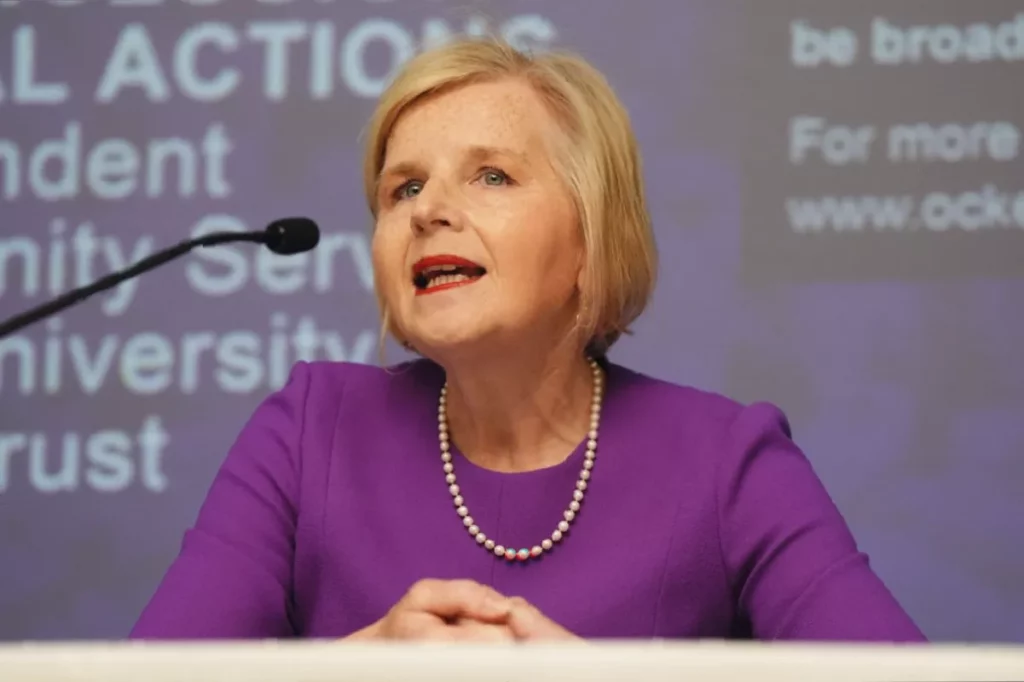
    Ockenden, who chairs independent reviews into maternity care at Nottingham University Hospitals NHS Trust and Leeds Teaching Hospitals NHS Trust, made the remarks in response to the final report of the Independent National Maternity and Neonatal Investigation led by Baroness Valerie Amos. That investigation, which reviewed services at 12 NHS trusts and published its findings on 30 June 2026, identified familiar problems: women not being listened to, chronic staffing shortages, overwhelming demand and capacity pressures, and failures in leadership and governance. But Ockenden suggested the report offered little that was new. “But where we are now is, I think, there’s a real risk we’re still going backwards,” she said. “Nowhere near enough progress is being made.” The sense of déjà vu is striking given that Ockenden’s own review of Nottingham’s maternity services — the largest in NHS history, published on 24 June 2026 — had already catalogued a litany of systemic failings.

    Systemic failures and avoidable harm

    The Ockenden Review at Nottingham examined more than 2,500 family cases and spoke with over 800 clinicians. It found that 444 women and 76 newborn babies suffered “potentially avoidable” outcomes due to substandard care between 2010 and 2023. The review documented “cruel” clinical care, chronic understaffing, and a persistent “bullying and toxic culture” within the maternity units. Across the country, the same themes recur. The Amos review noted consistent evidence of staff burnout and stress. Women’s concerns were repeatedly dismissed, they were excluded from decision-making, and accountability was lacking when things went wrong. These are not new problems: numerous previous inquiries have made recommendations that were either not implemented or proved short-lived.

    The reasons behind the rising maternal death rate are multiple and deeply embedded in the way maternity services operate. The leading causes of maternal death include blood clots, heart conditions, suicide, stroke, sepsis, and severe bleeding. Data from the Maternal Care Bundle, which sets best-practice standards across five areas of clinical care, shows that maternal mortality has increased by 21% since 2009–2011, or by 7% if deaths involving COVID-19 are excluded. Meanwhile, women in England are now at their highest risk of suffering serious injury during childbirth since records began in 2020: the rate of severe perineal tears rose to 31.1 in every 1,000 births in early 2026, and postpartum haemorrhage rates increased to 31.2 in every 1,000 births in 2025.

    A critical factor is the failure of the system to listen to women and act on their concerns. This has been highlighted repeatedly in reviews and is linked to the wider culture within maternity units. Staffing shortages have become chronic, with heavy workloads and a lack of continuity of care that erodes trust and empathy. The pressures have contributed to widespread burnout among midwives and doctors. Leadership and governance failures at management level — including prolonged instability, a lack of action on warnings, and fragmented oversight — have allowed unsafe practices to persist. Some maternity units have been described as “unsafe” simply because of the age and condition of their facilities.

    The COVID-19 pandemic worsened an already fragile situation. Maternity services were often overlooked in critical healthcare decisions during the pandemic, and visiting restrictions meant partners were sometimes excluded from scans, labour, and postnatal care. Remote care widened existing inequalities, with women from vulnerable groups disproportionately affected. Some women hesitated to report symptoms or attend appointments because they feared infection or were confused by mixed public health messages. The pandemic’s impact also exacerbated the stark disparities in outcomes that have long marred UK maternity care. Black women remain significantly more likely to die during pregnancy, birth, or the postpartum period than white women, and women in the most deprived areas face similarly elevated risks. Racism and discrimination, the reviews have found, are embedded within the system.

    Government and NHS bodies have launched a series of initiatives intended to address the crisis. The Women’s Health Strategy, backed by Health Secretary Victoria Atkins, pledges to make women’s health a “top priority”, with a focus on improving maternity care, addressing birth trauma, and tackling disparities. In March 2024, £35 million was announced to boost maternity safety, fund specialist training, and recruit additional midwives, including a programme to prevent avoidable brain injuries in childbirth. Martha’s Rule, which allows patients and families to request a rapid, independent clinical review if they feel their concerns are being ignored, is being rolled out across all maternity settings in England. A new Maternity and Neonatal Taskforce, co-chaired by the Health Secretary, is developing an action plan. And a powerful maternity commissioner is to be appointed with the authority to pursue hospitals for persistent failures — a role Donna Ockenden is widely expected to take up.

    Yet the scale of the challenge remains enormous. The Ockenden, Amos, and earlier reviews have all pointed to the same entrenched failures: a refusal to learn from past incidents, systems of oversight that are no longer fit for purpose, and a culture that blames individuals rather than addressing root causes. Against this backdrop, the continued rise in maternal deaths and serious injuries, and the failure to reduce stillbirths to target levels, place enormous strain on the frontline doctors and midwives who are expected to deliver safe care in an unsafe system. Ockenden’s warning was blunt: “Loading further pressure on frontline doctors and midwives is just not going to wash.”

    COVID-19 Health Secretary Hospitals Public Health Sepsis Stress Stroke
    Share. Facebook Twitter LinkedIn WhatsApp Telegram
    James Whitfield
    James Whitfield

    Editor-in-Chief
    James Whitfield is the Editor-in-Chief of Health News Daily, bringing over 15 years of experience in health journalism. A former health correspondent for regional UK publications, James oversees editorial policy, standards and final approval of all published content. He specialises in NHS policy, healthcare reform and the political decisions that shape the UK's health system. James is committed to delivering accurate, transparent and trustworthy health reporting for UK readers.
    · 15+ years in health journalism, former regional health correspondent, newsroom editorial leadership
    · NHS funding and workforce planning, waiting list policy, primary care access, GP and dentistry shortages, Continuing Healthcare assessments, health legislation and DHSC decisions

    Related Posts

    Health Policy

    Hospital waiting list patients to get three weeks’ advance warning under NHS England plans

    3 July 2026
    Health Policy

    Britons back morning-after pill sales in corner shops, poll finds

    1 July 2026
    Health Policy

    Bereaved mother warns England maternity commissioner role poses danger

    30 June 2026
    Health Policy

    Medicare to pay for weight-loss drugs soon

    30 June 2026
    Join Our Community & Win

    Each month we select one lucky follower to receive a prize from our partners. Follow us on our social channels for your chance to win.

    • Facebook
    Latest
    Treatment & Research

    Woman, 24, had 12 Botox vials injected into face for non-cosmetic reason

    4 July 2026
    NHS

    British Medical Association may lay off up to a third of employees amid financial crisis

    4 July 2026
    Wellness & Lifestyle

    Weight-loss drugs become new battleground after Brexit rows

    4 July 2026
    Wellness & Lifestyle

    Hair transplant surgeon champions specific shampoo routine for greater volume and shine

    4 July 2026
    Disease & Prevention

    French fatalities jumped 30% during peak week of record June heatwave

    4 July 2026
    NHS

    GB Mums: lenient justice, NHS maternity and child abuse sentences leave children unprotected

    3 July 2026
    News Categories
    • NHS
    • Health Policy
    • Mental Health
    • Wellness & Lifestyle
    • Disease & Prevention
    • Treatment & Research
    Help
    • About Us
    • Contact Us
    • Advertise With Us
    • Health Explainers
    • Our Editorial Team
    About Us
    About Us

    Health News Daily provides trusted UK health news, covering NHS updates, medical research, public health and wellbeing with clear and reliable reporting.

    Facebook
    • Cookie Policy
    • Privacy Policy
    • Complaints Policy
    • Corrections Policy
    • AI Disclosure Policy
    • Editorial Policy & Ethics
    • Accessibility Statement
    • Medical Disclaimer
    • Terms & Conditions
    • Sponsored Content Disclosure
    • Copyright Notice
    © 2026 Healthnewsdaily.co.uk. All rights reserved.

    Type above and press Enter to search. Press Esc to cancel.