

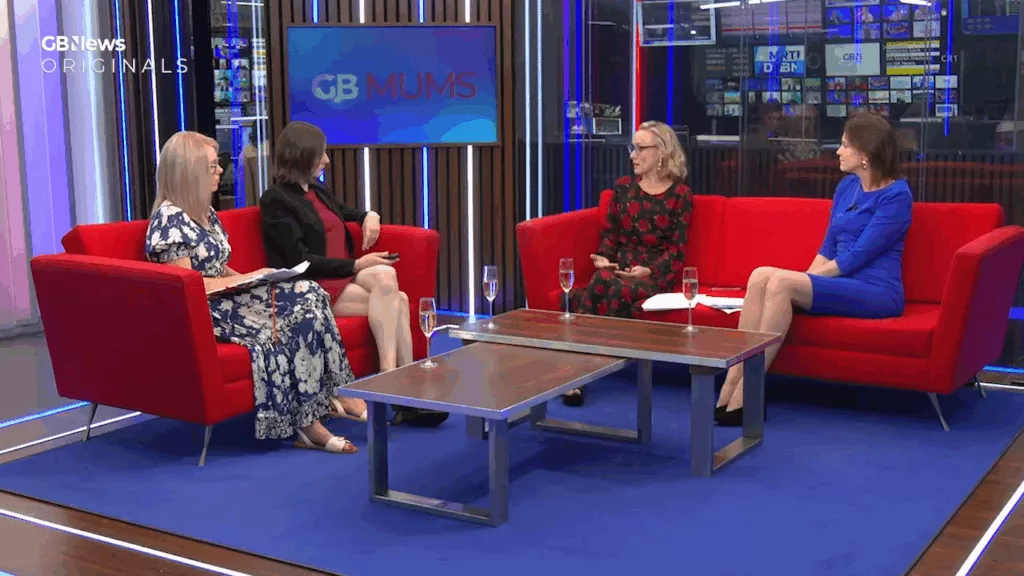
The damning findings of a major review into NHS maternity services in England have been condemned as a “systemic failure” that is leaving women and babies at risk of avoidable harm, with the panel on GB Mums highlighting the crisis as a central concern for families across the country.
NHS Maternity Care: A System in Crisis
Baroness Amos’s comprehensive review, published on June 30, 2026, painted a stark picture of fragmented and inconsistent maternity care. Women are routinely not listened to or believed, the review found, with racism, discrimination and structural inequalities baked into services that are not designed for consistent safety. The report noted that women reported being “dismissed when raising concerns,” not treated with “kindness or compassion,” and experiencing “pain and distress” due to inadequate pain relief, while poor communication led to a lack of informed consent.
The findings echo those of the Ockenden inquiry into Nottingham University Hospitals NHS Trust, which documented that over 500 mothers and babies were harmed or died. Official statistics further underline the scale of the problem. The UK’s maternal mortality rate now stands at 12.8 deaths per 100,000 maternities – 20% higher than in 2009–11. A 2022 study placed the UK as having the second-highest maternal death rate among eight European nations.
Serious complications after labour are also on the rise. The proportion of mothers in England experiencing postpartum haemorrhage increased from 27 per 1,000 births in 2020 to 32 per 1,000 in 2025 – a 19% rise. Similarly, the number of mothers sustaining a third- or fourth-degree perineal tear climbed by 16%, from 25 in 1,000 in June 2020 to 29 in 1,000 in June 2025. Care Quality Commission inspections have found that 36% of NHS maternity services require improvement, and 12% are rated as inadequate. According to the Royal College of Midwives, there is a shortage of 2,500 midwives in England.
Contributors to the GB Mums programme, including Michelle Dewberry, Olivia Utley, Charlotte Griffiths and Emma Woolf, argued that these failures are not being treated with the urgency they demand. The panel also addressed mental health challenges affecting families, with Dewberry and Woolf drawing on their own experiences to underscore the emotional toll on parents navigating a system that is falling short.
Child Safety and the Growing Threat of Online Abuse
Turning to child protection, the programme highlighted the alarming rise in online child sexual abuse. In 2024, 51,672 offences of child sexual exploitation and abuse online were recorded in England and Wales – a 26% increase on the previous year, accounting for 42% of all recorded child sexual exploitation and abuse crimes. Half of these online offences were child-on-child, with sharing indecent imagery the most common offence among perpetrators aged 10–17.
The Internet Watch Foundation (IWF) reported that in 2022 it took action on over 255,500 URLs containing child sexual abuse imagery. Of the instances it found, 58% involved children aged 11–13 and 36% involved children aged 7–10. Almost all (98%) were of female children, though imagery of boys increased by 137% compared with 2021. In 2023/24, over 9,000 child sexual abuse offences involved an online element, while under-18s were the subject of nearly a quarter of reported online blackmail offences in England, Wales and Northern Ireland. A 2019 estimate suggested there were 80,000 individuals in the UK posing a sexual threat to children online.
The panel also examined child-on-child abuse within families and communities. In 2024, group-based offending accounted for 3.6% of all child sexual exploitation and abuse crimes, with 32% occurring within families and 24% being child-on-child. More than half of reported child sexual abuse and exploitation offences in 2022 were committed by children – a significant increase from previous years – and over a third of contact crimes occur within the family. The programme noted that sentencing guidelines for child cruelty have been amended to reflect increased maximum penalties: cruelty to a child now carries up to 14 years’ custody, while causing or allowing a child to die can result in life imprisonment.
Court of Appeal Upholds Justice for Victims
The discussion concluded with a controversial Court of Appeal decision that increased the sentences of two teenage boys convicted of raping two girls, aged 15 and 14, in Fordingbridge, Hampshire, in November 2024 and January 2025. The attacks were filmed and shared online. Initially, a lower court judge gave the boys non-custodial sentences, stating he wanted to “avoid criminalizing these children unnecessarily.” That decision provoked a significant public and political backlash, prompting Attorney General Richard Hermer KC to refer the cases to the Court of Appeal as potentially “unduly lenient.”
On July 2, 2026, the Court of Appeal ruled the original sentences were indeed unduly lenient and increased them to four years’ detention each, alongside indefinite restraining orders. A third teenage boy involved had his sentence left unchanged; the judges noted he was “very young” at the time and found some things “difficult to understand.” The families of the victims expressed gratitude and relief, saying the outcome brought a “greater sense of justice and accountability.”
Throughout the programme, the panel – which included some of the UK’s most prominent parenting and political voices – repeatedly returned to the theme that too many systems designed to protect children are failing, from maternity wards to courtrooms. The debate underscored the urgent calls for reform, with the damning maternity report offering a stark starting point for the work that remains to be done.