

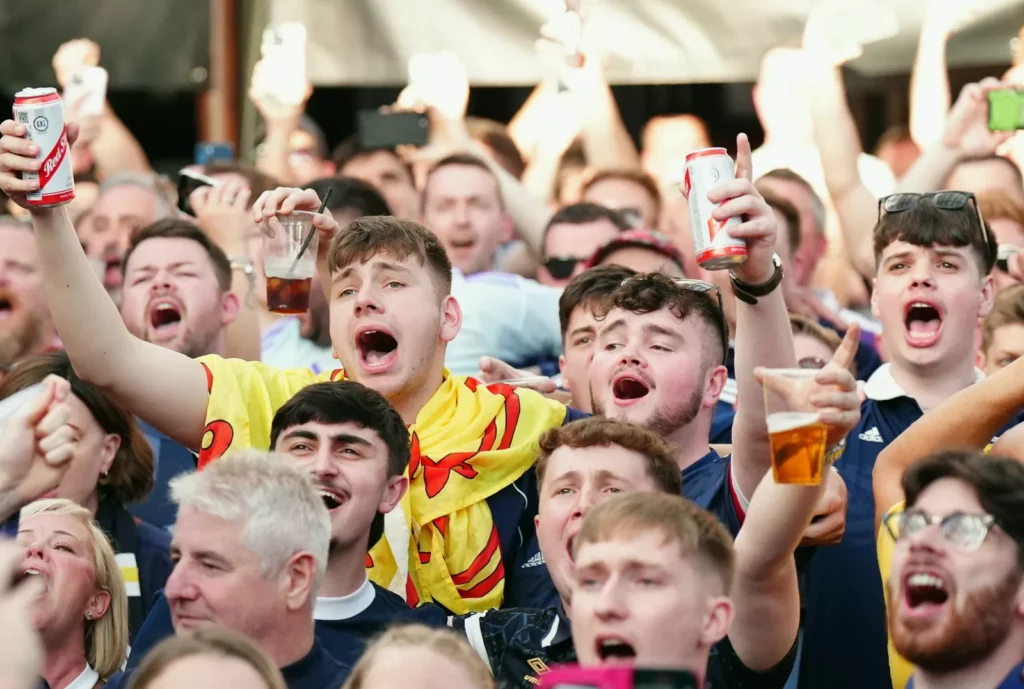
Football fans are being urged to prioritise hydration and sleep during the 2026 World Cup as experts warn that a combination of alcohol, late nights, snacking and stress can take a serious toll on the body.
The tournament, which begins on Thursday 11 June in Mexico City and runs until Sunday 19 July in New Jersey, is the first to feature 48 teams and 104 matches. For UK supporters, kick-off times range from 4pm to 2am BST, meaning many will be watching at unsocial hours. With the final scheduled for 10pm UK time, the month-long event presents a significant challenge to maintaining health.
Researchers from the University of Dundee’s Faculty of Health and School of Dentistry have issued a set of practical recommendations designed to help fans get through the tournament without damaging their skin, sleep or teeth. They stress that even small adjustments can make a big difference.
Hydration and skin health
Lisa Ferguson, an expert in dermatology at the university, said alcohol is a key part of the matchday experience for many fans, but excessive intake can have a pronounced effect on the skin. “Alcohol can dehydrate the skin, increase inflammation, and make conditions such as acne, rosacea, and dryness worse,” she said.
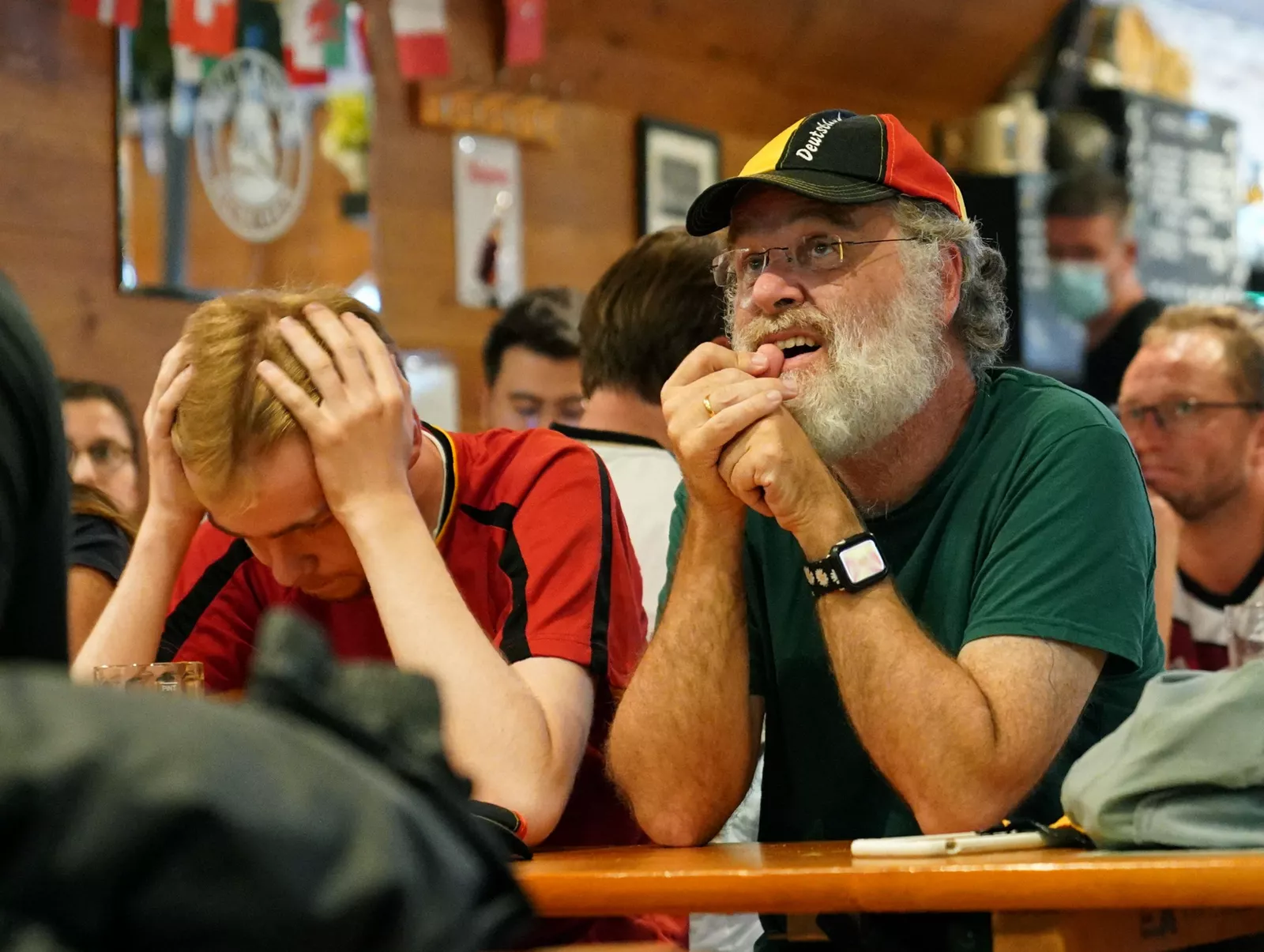
Ferguson advised fans to stay well-hydrated, limit alcohol where possible, and keep up a good skincare routine. Water, she said, is the best option for hydration because it supports skin elasticity and circulation, helping skin look healthier and less dry. Dehydration caused by alcohol can leave skin flaky, dull and prone to premature wrinkling, and can also lead to redness and puffiness.
For fans who venture out in the daytime, Ferguson recommended using SPF 30+ sunscreen and being mindful that alcohol increases the risk of dehydration and sunburn. Excessive alcohol consumption over time can also lead to liver damage, which may manifest as jaundice, darker skin around the eyes and visible blood vessels on the face and neck, as well as raising the risk of skin cancer.
Sleep and its effects on the body
Paul Smith, a lecturer in the Faculty of Health, said most adults should aim for seven to nine hours of sleep per night to support overall health, wellbeing, concentration and skin repair. With late-night matches running across June and July, many fans will struggle to maintain that target.

“Poor sleep can also reduce the skin’s ability to repair itself, leading to dullness, dark circles and puffiness,” Smith said. He added that inadequate sleep impairs the skin’s barrier function, making it more vulnerable to sun, pollution and microbes. Chronic lack of sleep is linked to premature ageing, including fine lines, wrinkles and loss of firmness due to disrupted cellular repair and reduced collagen production.
Smith also offered advice on coping with the stress of tense matches. “My biggest coping strategy will be one I use a lot for stress before, during and after all stressful situations, called the three-minute breathing space,” he said. “There are a host of breathing exercises that can calm people down, so find one that works for you and adopt it when necessary.” Other stress-reduction techniques include focusing on the present moment, physical activity during breaks, and talking to friends or family who share the passion for the team.
Dental health under pressure
Many fans may not realise that the World Cup can take a heavy toll on their teeth, but Dr Ignacio Gandia Navas, from the university’s School of Dentistry, warned that a cocktail of alcohol, caffeine, stress and snack foods is a recipe for trouble.
“Teeth may get affected in many different ways during the World Cup, including by decay and acid attack,” he said. “Eating while watching football is an enjoyable experience, however, it can affect teeth if decay-promoting snacks are eaten.”
The impact of alcohol on dental health is particularly significant and merits close attention. Alcoholic drinks, especially those with a low pH, can erode tooth enamel over time. The combination of alcohol and caffeine – both common in many fans’ match-day drinks – is especially damaging. Caffeinated beverages are often acidic and high in sugar, contributing to enamel erosion, tooth decay and gum disease. Excessive caffeine intake can also lead to dry mouth, which reduces the protective effect of saliva and increases the risk of decay and gum problems.
Stress, too, plays a role. During a tense match, a supporter is more likely to clench and grind their teeth, putting additional strain on the jaw and wearing down enamel. Dr Gandia Navas emphasised the importance of maintaining a proper toothbrushing routine throughout the tournament, and advised fans to allow at least 30 minutes between their last snack or drink before brushing. “Also, do not have any other food or drink after brushing your teeth before bed,” he added. For those who are recommended to wear a mouth guard at night due to grinding, he urged them to remember to do so as this will protect their teeth.
The experts collectively reminded fans that the tournament runs for more than five weeks and that neglecting basic health measures can have lasting consequences. Small steps – choosing water over alcohol, setting aside time for proper sleep, and sticking to a dental routine – can help ensure that the month of football does not leave a permanent mark on health.