

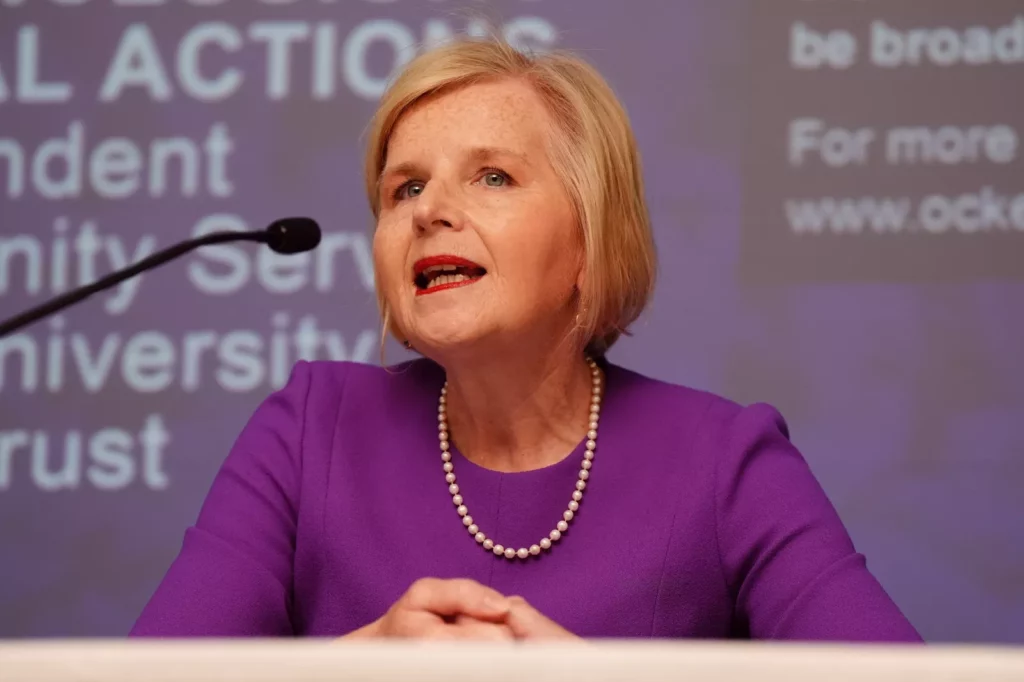
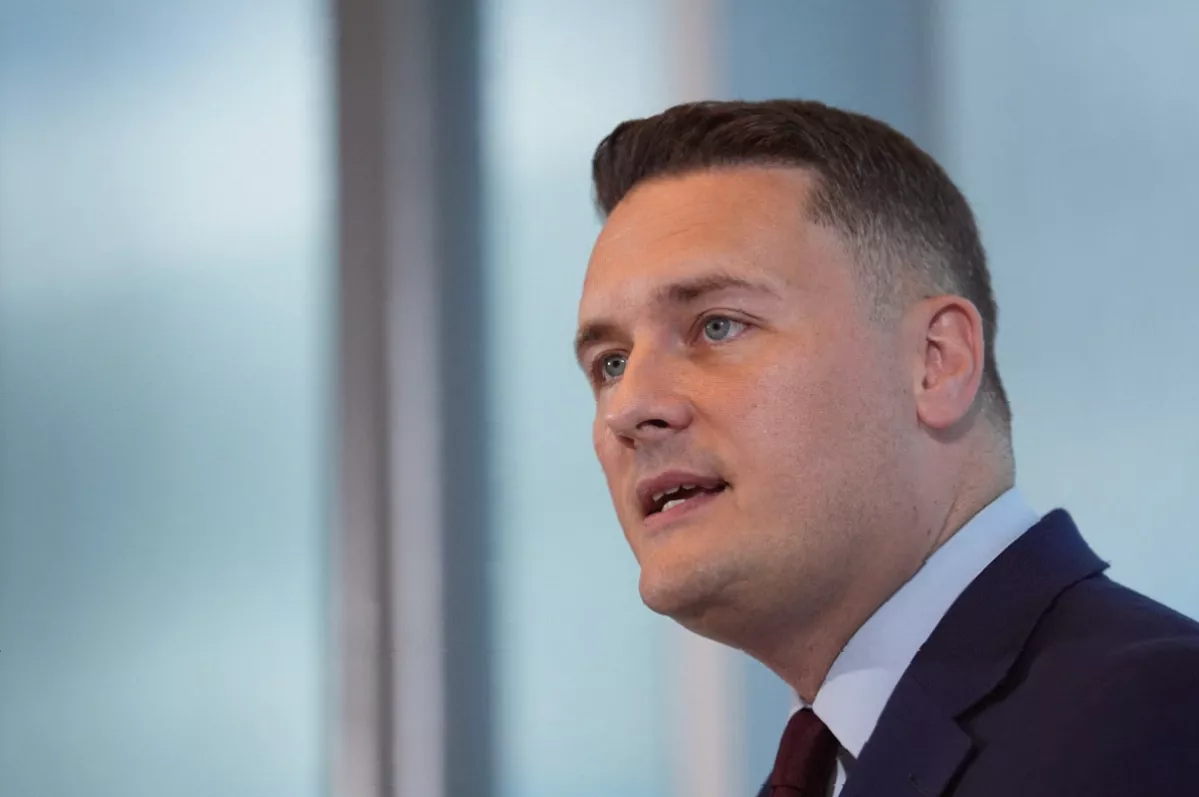
More than half of senior NHS leaders approached about their role in the Nottingham maternity scandal refused to give evidence to the independent review, prompting former health secretary Wes Streeting to demand they be summoned before Parliament and threatened with contempt proceedings.
In a letter to Layla Moran, chair of the Health and Social Care Select Committee, Streeting said he was “appalled” that 31 of 66 local executives and directors who were asked to participate in Donna Ockenden’s review had declined to be interviewed. Only four of 14 senior regional NHS leaders agreed to take part. He described the refusal as “cowardice” and “an insult to the Nottingham families”.
“If the threat of being held in contempt of Parliament is necessary to force those in positions of power to be held accountable, then so be it,” Streeting wrote. He accused those who refused to cooperate of showing “a complete disregard for the safety of patients” and of perpetuating “the cover-up culture in the NHS”.
Systemic Failures and Toxic Culture at Nottingham
The Ockenden report, published on 24 June 2026, is the largest investigation of its kind in NHS history. It examined 2,500 cases at Nottingham University Hospitals NHS Trust between 2012 and 2025, and concluded that more than 500 mothers and babies suffered potentially avoidable harm or died because of “deeply embedded systemic failures”. Specifically, 444 women and 76 newborn babies experienced “potentially avoidable” outcomes due to substandard treatment over 13 years.
The report painted a devastating picture of a “toxic” and “dysfunctional” trust culture that persisted for years. Staff consistently failed to listen to women’s concerns or act on them promptly – a factor repeatedly identified in maternal deaths. Women told investigators they were dismissed, gaslit, lied to and manipulated. There were repeated clinical errors: inadequate fetal monitoring, misinterpreted CTG traces, delayed escalation to senior clinicians, and failures to monitor babies properly during labour.
A “bullying and toxic culture” was normalised, with hierarchy, nepotism and aggressive behaviour creating an atmosphere of fear. Junior staff were intimidated from escalating concerns or challenging unsafe decisions. Racist and discriminatory care contributed to poor outcomes, with women of colour experiencing delays and unsafe treatment.
Perhaps the most shocking failures concerned mortuary and post-death care. The report found that a baby was disposed of as clinical waste, another deceased baby was kept in a domestic fridge, and a third was placed on a storage tray alongside an unrelated adult.
Senior leaders and managers at the trust were repeatedly warned about serious problems but failed to take effective action. The report found that some serious incidents were downgraded as “unavoidable” to escape scrutiny and protect reputations. The Care Quality Commission had repeatedly rated maternity services at NUH as “requires improvement”, citing breaches of regulation related to security, staffing and management, yet fundamental problems continued.
Government Response and Family Backlash
Streeting’s call for parliamentary action comes alongside a series of government measures aimed at improving maternity safety. The government has announced it will appoint a national maternity commissioner to drive change, following a separate “rapid review” of NHS maternity services across England led by Baroness Valerie Amos. That review, which also highlighted fragmented services, racism, discrimination and women being “dismissed when raising concerns”, called for urgent changes to how women and families are treated, including when they phone in during pregnancy and labour.
However, the Amos review has been met with criticism from bereaved families and campaigners. The Maternity Safety Alliance said the proposed national maternity commissioner model was “dangerous”, concentrating too much power in “unaccountable hands”. Families whose children were harmed or died due to NHS maternity failings said the Amos review was not sufficiently independent and have called for a statutory public inquiry instead. Dr Bill Kirkup, who chaired previous maternity inquiries, resigned from Lady Amos’s review over a dispute regarding “normal birth ideology”.
The government has also announced that it will expand “Martha’s Rule” – which gives parents the right to demand a second opinion if their concerns are being ignored – to all maternity and neonatal settings. Health Secretary James Murray has announced that NHS staff who refuse to engage with future maternity investigations could face up to two years in prison, enforced under the new Hillsborough Law, in an effort to break the “culture of silence”.
Meanwhile, regulators are under increasing scrutiny. The General Medical Council is reviewing 62 maternity cases in Nottingham hospitals and has met with 56 families. The government’s new maternity adviser, Michelle Welsh MP, has called for the GMC to be investigated, claiming “email evidence” suggests the regulator knew about doctors involved in the scandal years ago but “publicly denied” it. The GMC has apologised for not acting quickly or communicating clearly enough in the past. The Nursing and Midwifery Council, alongside the GMC, has launched resources to support maternity care professionals.
Nottinghamshire Police are conducting a corporate manslaughter investigation, codenamed Operation Perth, into NUH NHS Trust, considering overall responsibility for failures. The trust was previously fined £1.6 million for failing to provide safe care and treatment leading to the deaths of three babies in 2021. Donna Ockenden is also chairing independent reviews into maternity services at Leeds Teaching Hospitals NHS Trust and University Hospitals Sussex NHS Foundation Trust.
Streeting’s letter to Layla Moran concluded that those who refused to give evidence “should not be able to evade scrutiny and accountability”. Of the 66 local executives and directors approached, only 35 agreed to be interviewed. Of the 14 senior regional NHS leaders, just four participated. The former health secretary has now called on the select committee to summon them to explain their actions – and warned that the threat of being held in contempt of Parliament may be the only way to force them to answer for what happened.