


Seventy percent of UK adults will experience foot pain at some point in their lives, and for many, the problem is at its most brutal the moment they step out of bed in the morning. That sharp, intense sensation – often described as stepping on glass – can be fleeting for some, but for others it becomes a daily, debilitating ritual that refuses to go away.
The sheer complexity of the human foot, with its 26 bones, 33 joints, and more than 100 muscles, tendons and ligaments, makes diagnosis difficult. Yet when it comes to that specific early-morning sting, specialists point to a single common culprit: plantar fasciitis, also known as plantar fasciopathy. According to Harley Street podiatrist Marion Yau, this is less a “hot angry injury” and more a case of “wear and tear” affecting the thick band of fibrous tissue running from the heel bone to the base of the toes – the plantar fascia.
What is plantar fasciitis and how do you know you have it?
The plantar fascia acts as a shock absorber and supports the arch of the foot. When that tissue is overloaded or begins to break down, it causes pain, most typically at the heel. Marion Yau explains that specialists now find “degeneration or breakdown of the collagen fibres in the plantar fascia” rather than classic inflammation, which is why the term “fasciopathy” is sometimes preferred.
Spotting the condition can be tricky, but there are tell-tale signs. Pain is most common at the heel, though because the fascia runs the full length of the foot, it can be felt anywhere along the sole, through the arch and toward the ball of the foot. The sensation varies: some describe a bruise-like ache, others dull persistent soreness or sharper, stabbing pains. Crucially, if the pain is worst with your very first steps in the morning – or after a period of sitting – and then eases after a few minutes of walking, plantar fasciitis is highly likely. Burning, tingling or radiating sensations, however, suggest a nerve issue such as tarsal tunnel syndrome.

While a healthcare professional can often diagnose the condition from symptoms and a physical examination, the most reliable way to confirm it is through an ultrasound scan.
Why is foot pain so bad in the mornings?
The timing makes no intuitive sense. You have rested all night, so why should your feet hurt most when you first get up? The answer lies in what happens to the foot during sleep. Marion Yau explains: “When you sleep, your foot naturally points downward, which keeps the plantar fascia in a shortened, contracted position for hours. By the time your alarm goes off, that tissue has tightened considerably. The moment you put your foot to the floor, the fascia is suddenly pulled from its shortened state into a full weight-bearing stretch – and that’s what causes that sharp, ‘stepping on glass’ pain with your very first steps.”
This phenomenon is widely reported. On Reddit, user @CoastalNomad06 described struggling with “an annoying foot pain” that was especially bad right after getting out of bed and standing up. “It feels like when you didn’t go to the gym for a long time, and then when you go a specific muscle will be mildly sore or noticeable for weeks,” he wrote. “I’ve had it for a year and it doesn’t go away. It’s the worst right after I wake up and stand up – I will feel a sharp pain for 30 seconds, then the rest of the day the soreness isn’t noticeable as much but still there, and it starts to get worse if I walk for a long time.”
The pain tends to ease after a few minutes of walking because the tissue warms up and becomes more flexible, but unless the underlying causes are addressed, the cycle repeats every morning.

What causes the problem and who is at risk?
Several factors can put too much stress on the plantar fascia. A sudden increase in activity, a direct injury, spending long hours on your feet, or wearing unsupportive footwear are all common triggers. Over-pronation – where the foot rolls inward excessively – flattens the arch and stretches the fascia beyond its comfortable range. Tight calf muscles are another frequent culprit, as limited ankle flexibility puts extra tension on the fascia with every step.
Biomechanical issues such as high arches or flat feet increase the risk, as does being overweight or obese. Age plays a role too: the condition is most common among people aged 40 to 60. Women are slightly more affected than men, and individuals with diabetes are also more susceptible.
Can plantar fasciitis be cured?
“The good news is that the vast majority of people get better by addressing both the pain and what’s causing it in the first place,” says Marion Yau. Simple measures can make a significant difference. Resting the feet, switching to supportive trainers, and taking anti-inflammatories such as ibuprofen can help manage discomfort, though evidence that NSAIDs treat the underlying cause is limited.
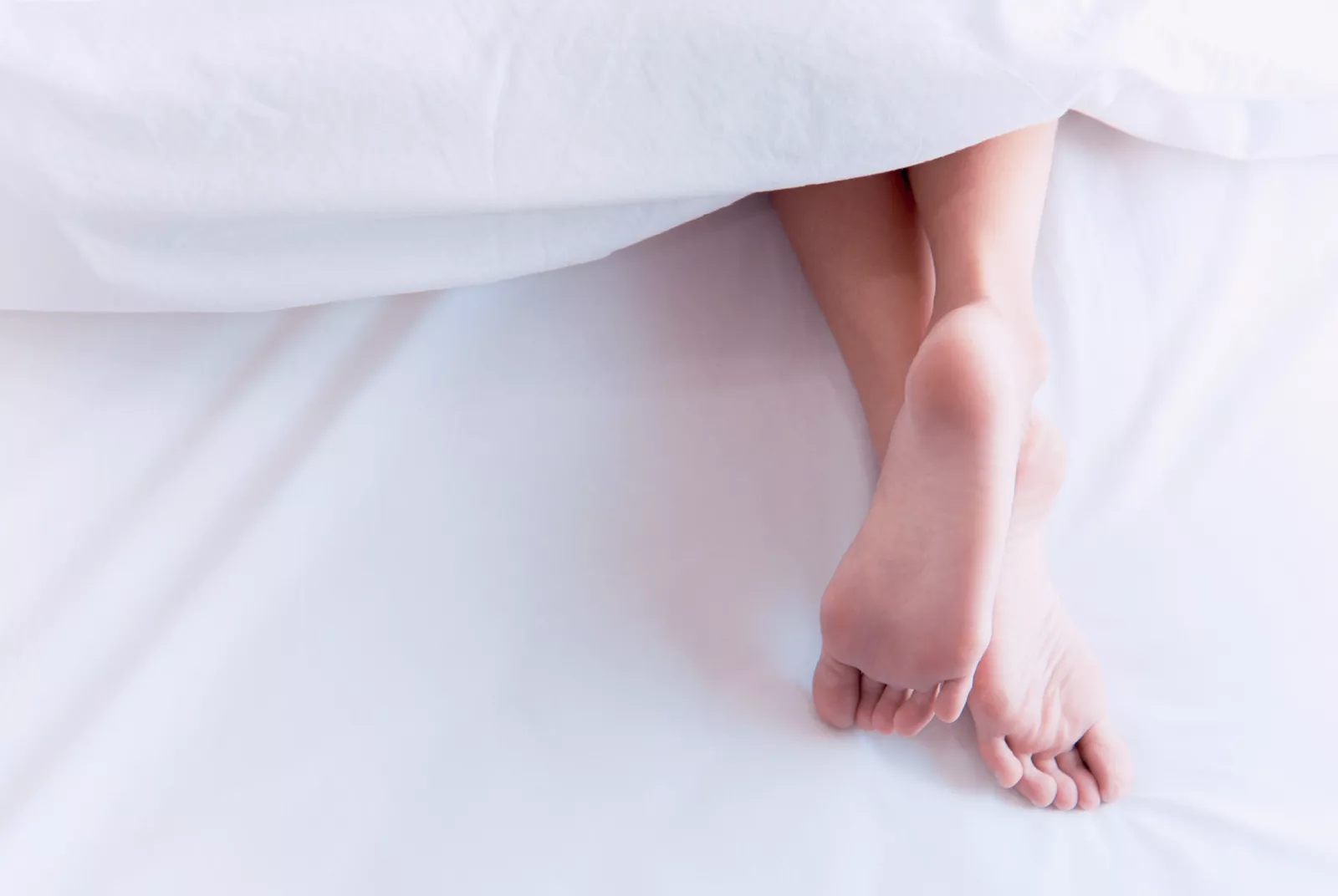
Stretching is a cornerstone of long-term healing. Calf and plantar fascia stretches – as simple as a few morning ankle circles or gently pulling your toes toward your shin while still lying down – can loosen the tissue. Rolling the arch of the foot firmly on a frozen water bottle or a golf ball before standing is another effective technique to reduce tension.
Wearing well-fitting shoes with good cushioning and arch support is essential, and avoiding walking barefoot on hard surfaces is advised. Over-the-counter orthotics can provide additional support. In more persistent cases, medical interventions such as night splints – which keep the foot flexed overnight to prevent the fascia from tightening – physiotherapy, shockwave therapy, and steroid injections may be considered. The National Institute for Health and Care Excellence (NICE) has approved extracorporeal shockwave therapy for use in the UK.
Recovery times vary. In mild cases, the pain often resolves within a few weeks. For moderate to severe cases, it can take several months, and some cases take up to a year or longer to fully settle. Approximately 80 to 90 per cent of patients recover within 12 months with consistent conservative treatment. Surgery to partially release the fascia exists, but as Marion Yau notes, “it’s genuinely a last resort and rarely needed.”