

Poorna Bell, the award-winning journalist and author, has come to a sobering realisation: she has turned into the uncle she once silently judged. As a child in the early 1990s, she watched him recoil when a sticky-fingered cousin drank from his soda can, abandoning it for a fresh one because another person’s saliva had touched the rim. The family thought him a germaphobe weirdo – fizzy drinks were a treat, waste was serious – yet three and a half decades later, Bell finds herself inhabiting the same territory. “I am now that uncle,” she writes, “and not just drinks – this extends to food too.”
That childhood episode has become a defining marker. Growing up in an Indian household, sharing food was a fundamental pillar of identity, with giant pots served family style and a dedicated spoon for every dish. There were unspoken rules that prevented double-dipping. But when different cultures collide, Bell says, the boundaries blur. She is fine with the communal serving spoon; what she cannot tolerate is someone plunging a spoon that has been in their mouth into the main pot, or using it to scoop food from another person’s plate.
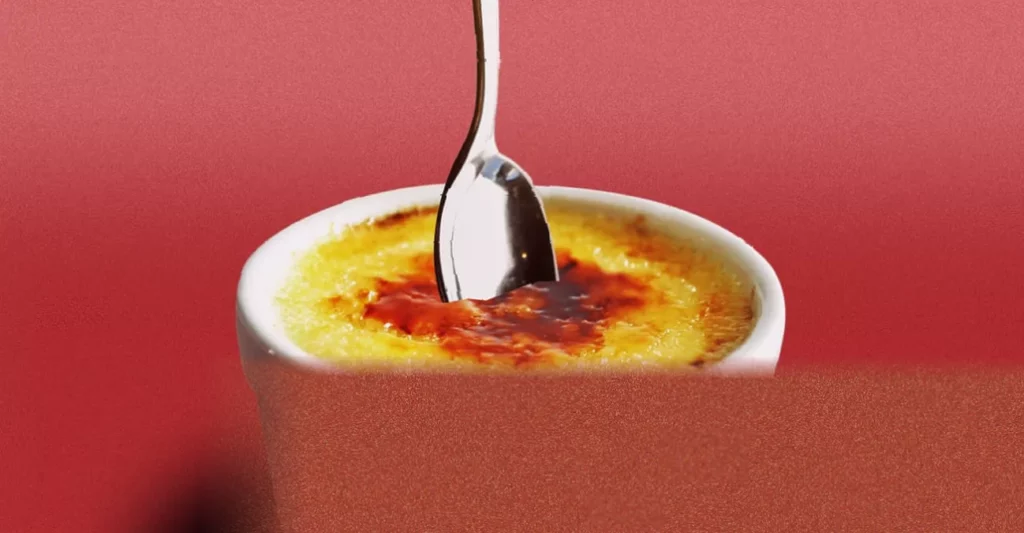
Bell, born on 5 December 1980 and a former UK executive editor and global lifestyle head for HuffPost, has built a career examining the expectations placed on women and the quiet rebellions of midlife. Her latest book, She Wanted More (2026), challenges societal narratives about ageing and self-reclamation. That theme of pushing back surfaced recently at a chic restaurant with a minimalist menu and dainty glassware. Having quit alcohol a year ago, Bell upped her dessert game and – in what she calls the “wonderfully belligerent” stage of perimenopause – ordered a crème brûlée as a starter. The waitress asked, “Two spoons?” despite no indication Bell intended to share.
With new friends at the table, Bell did the British thing and said yes, but when the two spoons arrived she could no longer maintain the farce. As her companion held her spoon aloft, Bell insisted she take the first bite. “Oh, but then you won’t get to crack the top of the brulee!” the friend protested. Bell, now 45, patiently explained she would survive the disappointment. When the friend began to argue again, Bell was direct: “I really don’t want to double-dip because I’m conscious about catching germs.” An awkward silence followed. She regrets nothing.
The COVID-19 pandemic, Bell says, “undoubtedly radicalised” her. She noticed how many people she knew seemed to catch the virus after sharing food from each other’s plates. But the shift had deeper roots: she tended to fall ill after sharing drinks with friends who insisted she taste theirs and asked to try hers. Those viruses routinely knocked her out for two weeks. Now she refuses point-blank, whether the drink is made from a flower that blooms only once every 20 years or a cheap cordial. If it has touched someone else’s mouth and that person is not her lover or partner, it does not touch hers.
That stance has put her at odds with friends. When one protested that she was being “precious” for refusing to try braised cauliflower from her plate, Bell held firm. Two days later the friend messaged to say she had come down with a cold. Bell replied: “Vindication!” The friend did not respond.
Bell’s evolving germaphobia sits within a broader cultural shift. Germaphobia, also known as mysophobia, is a pathological fear of contamination classified as a specific phobia, often linked to obsessive-compulsive disorder. Common symptoms include excessive handwashing, avoidance of public spaces and physical contact, and compulsive cleaning. Causes can be genetic, psychological, or rooted in life experiences – including traumatic events or an upbringing that emphasised cleanliness. Outbreaks such as Ebola, Zika and COVID-19 have been shown to heighten public awareness and concern.
In the UK, food-sharing habits have been slowly reshaped by the pandemic. A YouGov study found that Britons became slightly less likely to share food with a friend when eating out post-pandemic: 41% said they would be unlikely to share, compared with 33% before. British culture has long prioritised efficiency in meals, and sharing is often limited to biscuits or cakes in offices, or small plates in certain restaurants. The pandemic, however, also saw an increase in home cooking and sharing within households during lockdowns, alongside a rise in snacking and treat consumption. For Bell, the personal calculus was clear: the risk of a two-week illness outweighed any social bond forged over a shared spoonful.
Perimenopause – the stage Bell references – may have amplified her resolve. Research indicates that perimenopause can significantly affect mental health, with symptoms including increased anxiety, mood swings, depression and social discomfort. Some studies suggest it can exacerbate or even trigger social anxiety, particularly concerning physical appearance and social roles, leading women to feel less confident and more withdrawn. Bell’s belligerence, she suggests, is a form of reclamation – a refusal to capitulate to politeness when her health is on the line.
Her work as a journalist and author has long explored themes of grief, resilience and women’s empowerment. After her husband’s suicide, she wrote Chase the Rainbow (2017) and In Search of Silence (2019), which won a Red’s Big Book Award. Stronger (2021) examined women’s strength and won Sports Performance Book of the Year at the 2022 Sports Book Awards. She Wanted More continues that trajectory, critiquing the anti-ageing industry and societal pressure to conform. Her refusal to share food, then, is not merely a quirk but a conscious act of boundary-setting – one that echoes the uncle she once silently mocked, and that she now owns without apology.