

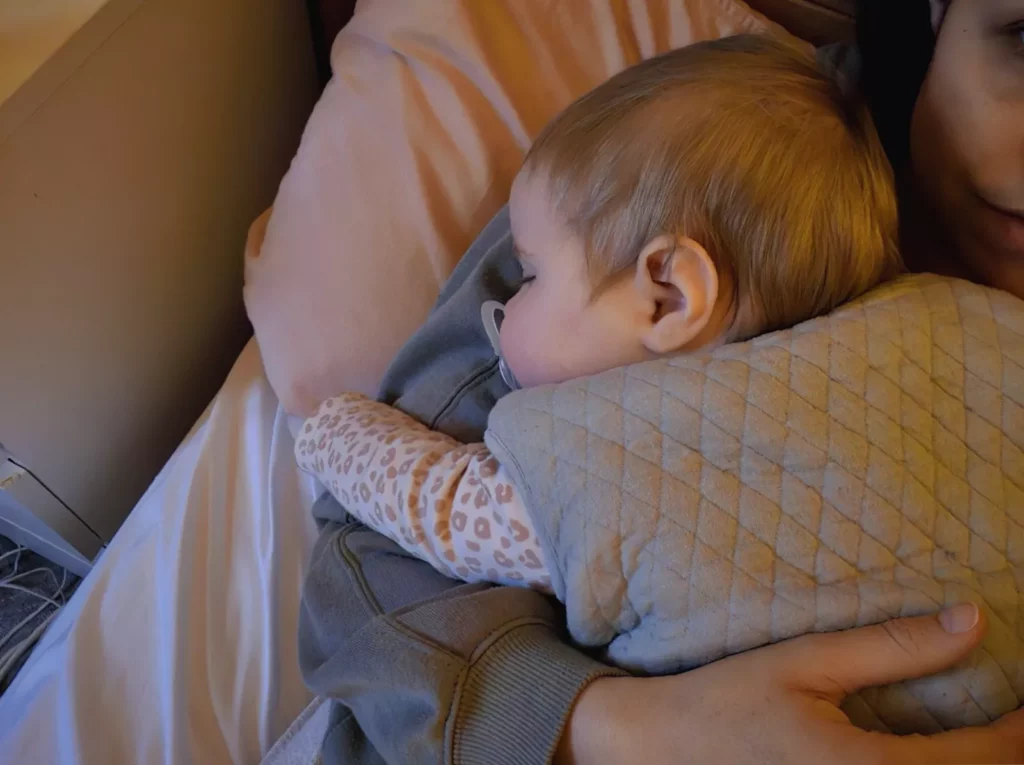
Babies who wake repeatedly during the night may be getting too much sleep, not too little, according to a growing number of sleep specialists who challenge the widely held belief that overtiredness is to blame for broken nights.
The concept of overtiredness dominates baby sleep advice online, appearing in Instagram reels, parenting forums and popular sleep apps. It warns that a baby who is not getting enough daytime sleep will become chronically exhausted, fight naps and wake frequently. Yet for one mother of an eight-month-old girl named Ruby, following that advice made matters significantly worse.
Ruby had begun spending hours awake between 2am and 4am, bouncing around the bed and refusing to settle. Her mother, who had previously relied on apps such as Huckleberry and advice from ChatGPT, was told that Ruby needed longer naps, earlier bedtimes and shorter wake windows — the time babies spend awake between sleeps. Convinced she had created an overtired child, she tried to squeeze more sleep into the day. The result: things got worse.
The science behind the myth
The explanation for this counterintuitive outcome lies in two biological processes that must work together: melatonin and sleep pressure.
Melatonin is the hormone that helps the body feel sleepy as bedtime approaches, and its release needs to be timed carefully so that it rises just as a baby is put down. But, explains Lauren Eells, founder of the sleep consultancy Sound Asleep Guru, “in order for that nice settle to then lead to a nice night, you also need the right sleep pressure behind you.”
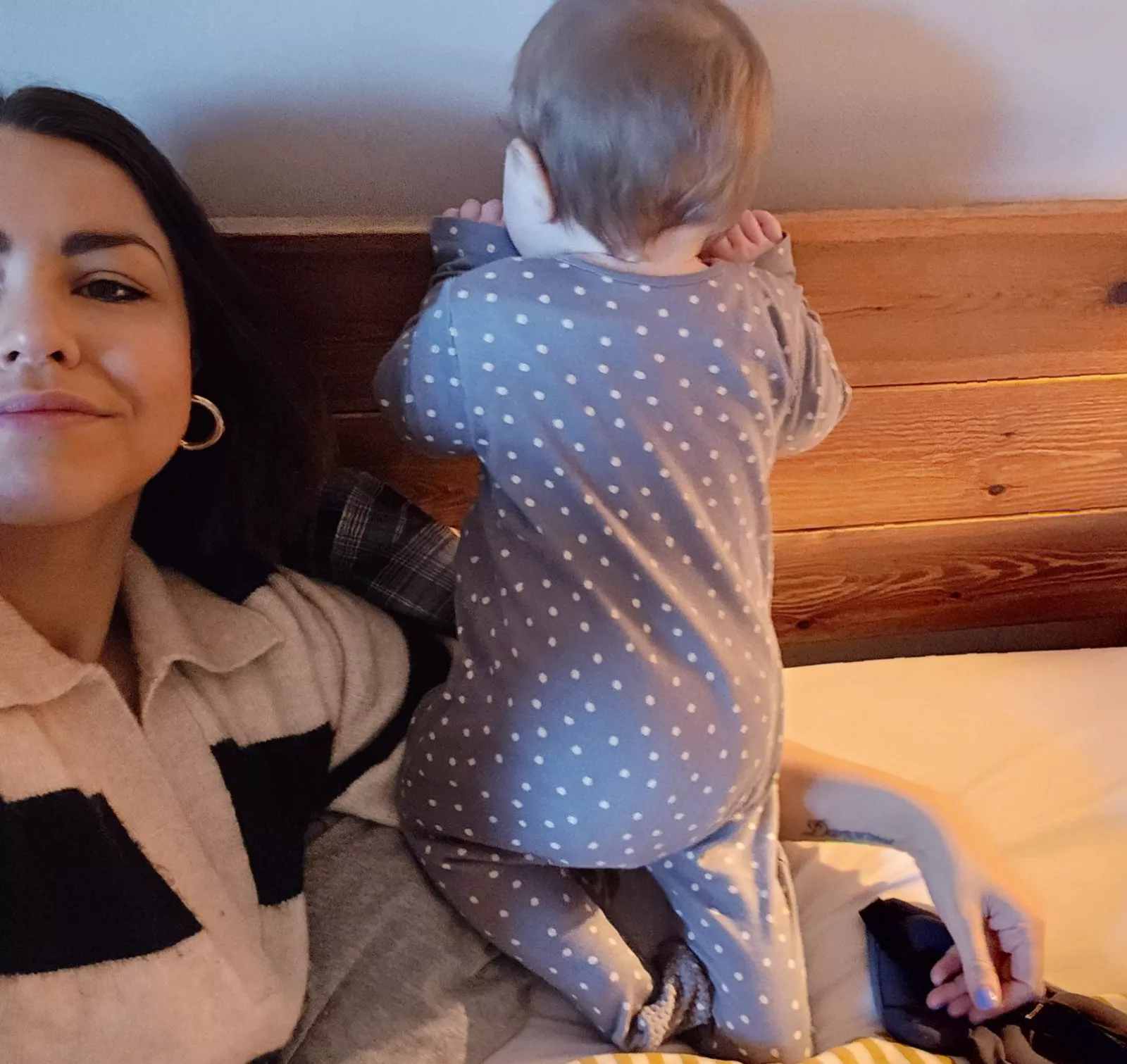
Sleep pressure is the body’s natural drive to sleep, which builds the longer a person stays awake. It is driven by the accumulation of a chemical called adenosine in the brain, often described as a “tired tank” that fills during waking hours. In practical terms, a baby who has napped too much or too recently may still appear tired enough to fall asleep because melatonin is present, but may not have built enough sleep pressure to stay asleep for long. The result is a baby who falls asleep easily but wakes frequently through the night, leading parents to assume overtiredness is the cause when the opposite is true.
Eells believes this is the single biggest misconception in baby sleep. “The number one myth that I think harms sleep is overtiredness, because it leads parents to put their baby down too early, for too long and at the wrong times,” she says. “They’ve used too much of their 24-hour sleep budget before they’ve even gone to bed that night.”
Her approach centres on the idea that babies, like adults, have individual sleep needs. “Sleep doesn’t breed sleep,” she insists, directly contradicting the common notion that more daytime rest automatically leads to better nights. For older toddlers and preschoolers, research suggests that excessive napping can actually make nighttime sleep more difficult.
Finding the right balance
Ruby’s mother began by tracking every nap and overnight sleep for ten days. The average: 13 hours across a 24-hour period. This number changed everything.
Instead of encouraging more sleep, Eells recommended reducing daytime naps to a total of one hour and 45 minutes, and ensuring Ruby was awake for at least four and a half hours before bedtime. At the time, popular sleep app Huckleberry and various online sources were suggesting Ruby needed around 14 hours of sleep in total, including up to three hours of daytime naps. The NHS recommends 12 to 16 hours for babies aged 4 to 11 months, while the National Sleep Foundation suggests 12 to 15 hours for infants. But these are broad ranges, and Eells argues that generic schedules and wake windows can undermine a parent’s ability to read their own child’s rhythms.
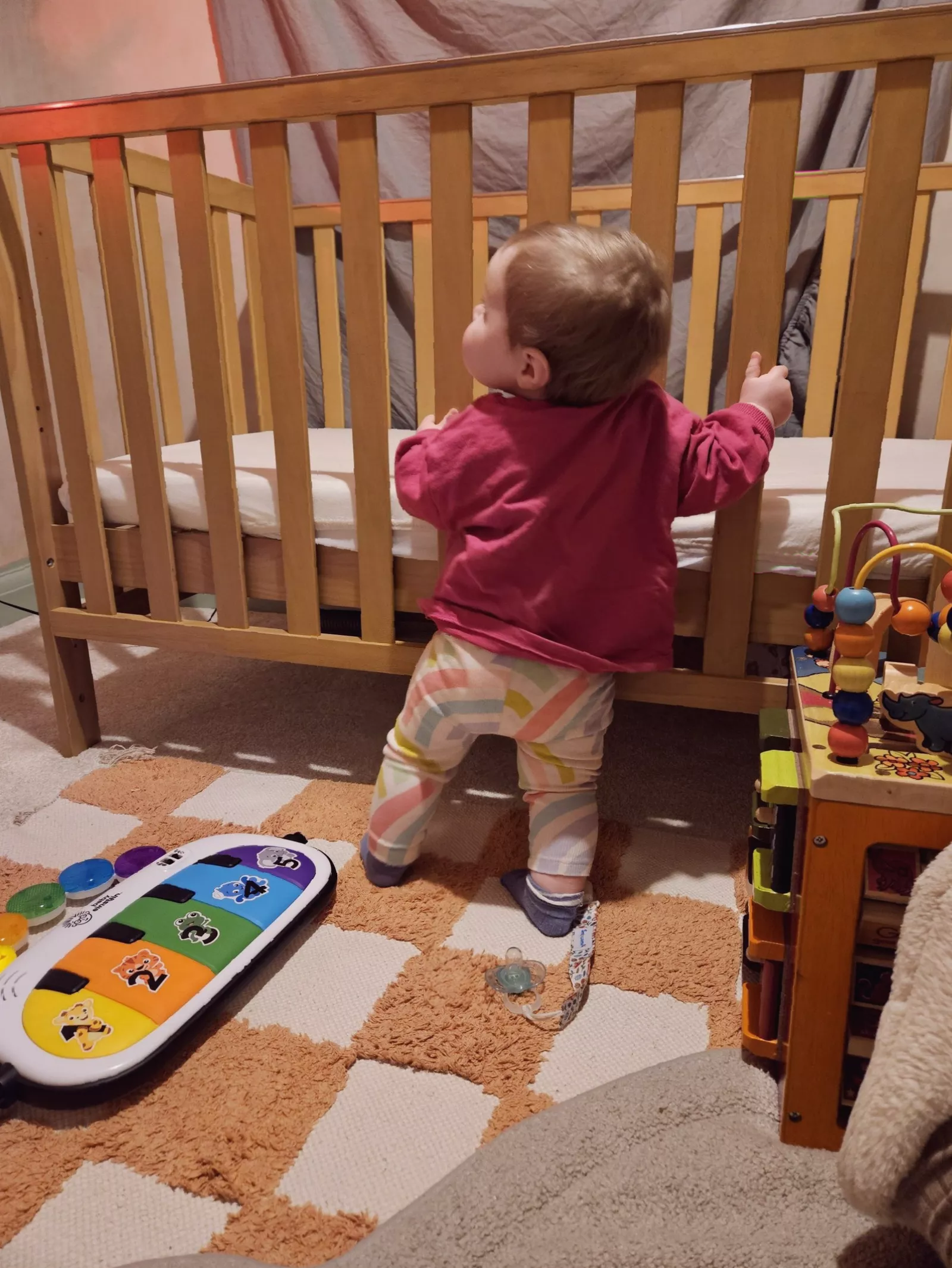
The first day her mother capped Ruby’s naps, she slept for more than 11 hours overnight without waking. She repeated this night after night. “For the first time in weeks, I saw her getting properly tired before bedtime,” her mother said.
Ruby fell asleep in her parents’ arms and was then transferred to her cot — yet she slept through the night without needing them. Eells explains that while routine carries most of the weight, some babies are more sensitive to sleep associations than others. A baby who is fed, rocked or cuddled to sleep may expect the same help every time they wake overnight, which is biologically normal. That is where sleep training can help — but only once the schedule is right.
“Sleep training is the icing on the cake,” Eells says. “The cake itself is getting the routine right.”
Ruby, now 15 months old, continues to sleep more than 11 hours overnight when her naps are kept in check. Her mother notes that the 2am “nappy-bum dance parties” are largely a thing of the past, save for teething episodes.
The unregulated baby sleep industry
Eells, who holds a Level 6 EDS Sleep Practitioner qualification, is trained in paediatric cognitive behavioural therapy for insomnia and has completed Imperial College London’s Paediatric Sleep course, also holds qualifications in infant reflux, colic and allergies. She and her colleagues at Sound Asleep Guru have helped more than 4,000 families. She co-hosts the podcast Spilling the Tea on Zzzs and contributed to a recent investigation into the baby sleep industry that exposed the largely unregulated nature of the sector.
That investigation found that many self-described “sleep experts” offer advice that contradicts safer sleep guidance, including recommending that newborns be placed on their front to sleep — a practice that significantly increases the risk of sudden infant death syndrome — and advising the use of loose items such as towels or muslins in the cot, which can pose a suffocation hazard. In the UK, anyone can claim to be a baby sleep consultant without any specific qualifications or professional regulation, prompting calls for mandatory training and clearer protections for parents.
Eells believes the rise of generic advice from apps and social media has made the problem worse. “It really robs parents of their ability to read their baby and get to know their rhythms,” she says. At the time Ruby’s sleep was adjusted, Huckleberry and various Google sources suggested she should be getting around 14 hours of shut-eye — the same target that had caused the problem in the first place. Critics of such apps note that wake window recommendations can be too short and that personalised sleep plans can still feel generic.
For Ruby’s mother, the biggest lesson was simple: “My baby is my baby. Her sleep needs are individual, and trying to force her into somebody else’s ideal schedule was never going to work.” She still gets bedtime cuddles, but the overnight parties have stopped.