

Close Menu
    Useful
    • About Us
    • Contact Us
    • Advertise With Us
    • Health Explainers
    • Our Editorial Team
    Facebook
    HealthNewsDaily.co.uk
    • Home
    • NHS

      Patient spends £62,851 on height increase surgery to 6ft despite agonising and potentially fatal side effects

      3 June 2026

      Four in five frail pensioners missing essential NHS checks due to regional disparities

      3 June 2026

      Critical care patients at King’s College Hospital given new rooftop garden

      31 May 2026

      Resident doctors in England plan four-day June walkout

      27 May 2026

      New surgical assistant caught off guard by relaxed atmosphere in operating theatre

      25 May 2026
    • Health Policy

      Government stops short of promising no further aid cuts in letter to parliamentary committee

      3 June 2026

      Anti-abortion activists in NSW signal push to further restrict abortion access

      3 June 2026

      Health officials urged to probe fatalities connected with illicit diet injections

      3 June 2026

      Trial overhaul to provide prostate cancer screening for black men

      2 June 2026

      Asda and Amazon recall children’s sand kits over asbestos risk

      1 June 2026
    • Mental Health

      Federal workers suffer trauma after Trump administration’s unlawful sackings

      3 June 2026

      2026’s monk mode: manosphere trick or imperative

      2 June 2026

      Husband’s rare condition leaves him unable to produce sperm

      31 May 2026

      Diagnosis halted monthly rage attacks that had been tearing my family apart

      31 May 2026

      Nottingham killer’s mother says family tried to get help before triple murder

      29 May 2026
    • Wellness & Lifestyle

      Disturbing statistic could bring social media scrolling to a halt

      3 June 2026

      GP stocks five freezer staples to extend life

      2 June 2026

      Doctor pinpoints triggers for after-lunch tiredness and remedies

      2 June 2026

      Peril in dismissing wellness influencers while doctors remain unsure, warns Ranjana Srivastava

      2 June 2026

      Some tortillas labelled GLP-1 friendly spark confusion over meaning

      31 May 2026
    • Disease & Prevention

      Major US Covid vaccine probe to hear from two UK doctors

      3 June 2026

      At 27 weeks pregnant, mother began chemotherapy and insists she never surrendered

      3 June 2026

      GLP-1 drug use linked to 30% lower breast cancer risk in women

      2 June 2026

      Cause of twin’s sudden 3st weight gain emerged post-mortem

      2 June 2026

      South West Water hit with £1.85m fine for Devon parasite outbreak

      2 June 2026
    • Treatment & Research

      Poor sleep quality tied to feeling older than one’s actual age

      3 June 2026

      Drug allows bladder cancer patients to avoid surgery, doctors say

      2 June 2026

      Melanoma recurrence could be cut by new vaccine and drug combination

      1 June 2026

      Devi Sridhar: Cancer brings promise, trouble, horror and hope

      1 June 2026

      MHRA seizes 12,000 unlicensed weight-loss medicines in biggest operation to date

      1 June 2026
    HealthNewsDaily.co.uk
    • NHS
    • Health Policy
    • Mental Health
    • Wellness & Lifestyle
    • Disease & Prevention
    • Treatment & Research
    Home » Wellness & Lifestyle » Nutritionist warns of four potential health issues behind persistent 3am waking
    Wellness & Lifestyle

    Nutritionist warns of four potential health issues behind persistent 3am waking

    Oliver MarshBy Oliver Marsh28 May 2026
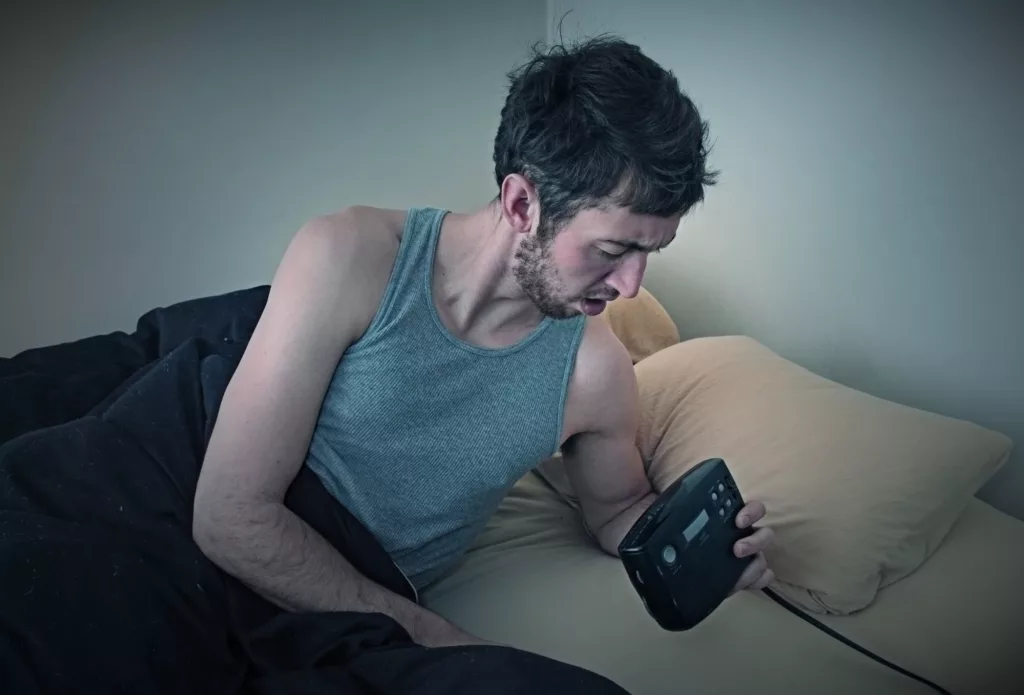
    A woman lying awake in bed, looking at a clock showing 3am

    Waking at 3am night after night may be more than a frustrating habit — it could be a signal that your body is under strain it cannot easily mask. While brief nocturnal awakenings are entirely normal, the nutritionist Oliver Goble has cautioned that regularly stirring at the same hour points towards underlying issues such as chronic stress, blood sugar irregularities, alcohol consumption or suboptimal sleep habits. “People often assume waking in the night is just bad luck or part of getting older,” he said. “But repeated waking at the same time can sometimes reflect underlying stress on the body, whether that’s blood sugar instability, stress hormones or lifestyle habits disrupting sleep quality.”

    Stress and the Body’s Nighttime Alarm

    Elevated stress levels represent one of the primary culprits behind early morning waking, according to Mr Goble, who holds a BSc in Sports and Exercise Nutrition and is pursuing an MSc in the same field. He explained that individuals experiencing chronic stress often find their bodies remain in a heightened state of alertness throughout the night. “When people are chronically stressed, the body can remain in a more alert state overnight. Stress hormones such as cortisol may interfere with deeper stages of sleep and make people more likely to wake during the night,” he said.

    Research into the 3am phenomenon reveals that cortisol — a stress hormone that naturally rises in the early morning to prepare the body for wakefulness — can become dysregulated under chronic stress. Instead of a gentle predawn incline, elevated cortisol levels can spike during the night, suppressing the production of melatonin and interfering with adenosine, a neurotransmitter that promotes sleepiness. Studies indicate that individuals with anxiety disorders may have disordered cortisol rhythms, with levels remaining high throughout the night. Among people who habitually wake around 3am, elevated evening cortisol has been observed. The body’s autonomic nervous system also shifts gear between 3am and 5am, transitioning towards wakefulness; during this window, even minor disturbances — light, noise, or stress — can trigger a full awakening. Compounding the problem, the prefrontal cortex, responsible for rational thought, is less active around that time, meaning that any worry that surfaces is processed by the emotional brain, which can lead to catastrophising and amplified anxiety. The nutritionist noted that those enduring prolonged periods of stress frequently observe their minds becoming particularly active during the small hours.

    Alcohol and Caffeine: Known Sleep Disruptors

    While alcohol may initially induce drowsiness, it frequently undermines sleep quality as the night progresses. Mr Goble warned that “alcohol tends to fragment sleep. People may fall asleep faster initially but are more likely to wake during the early morning hours and experience lighter, less restorative sleep.” Alcohol reduces time spent in Rapid Eye Movement (REM) sleep and acts as a diuretic, leading to dehydration and more frequent awakenings to use the toilet. It can also relax throat muscles, exacerbating snoring and sleep apnoea. Even one or two drinks can affect sleep quality, and experts advise avoiding alcohol for at least six hours before bed.
    Illustration of cortisol and melatonin hormone levels disrupting sleep cycles

    Timing of caffeine consumption presents another common issue, with many people failing to recognise how long the stimulant remains active. “Even coffee consumed in the afternoon can still affect sleep later that night for some individuals,” Mr Goble explained. “People metabolise caffeine differently, so sensitivity levels vary hugely.” Caffeine blocks sleep-inducing chemicals and increases adrenaline, with a half-life of five to seven hours. Energy drinks and pre-workout supplements prove particularly problematic. General guidance suggests avoiding caffeine after 2pm. Research from the University of Bath has explored the combined effects of disrupted sleep and caffeine on metabolism and blood glucose control, finding that drinking coffee after a poor night’s sleep can negatively affect blood glucose control.

    Late Meals, Blood Sugar and Professional Advice

    Consuming substantial meals close to bedtime may equally contribute to disrupted rest. “When the body is still digesting large meals late into the evening, sleep quality can suffer. People may also experience more acid reflux, bloating or discomfort overnight,” Mr Goble explained. Spicy dishes and heavily processed evening snacks can prove especially troublesome. Fluctuations in blood sugar levels can also cause awakenings around 3am: a drop in blood sugar during the night can trigger the release of cortisol and adrenaline to raise levels, which can wake a person up. Poor glucose control — where insulin does not respond appropriately — may lead to elevated blood sugar during sleep. Studies suggest that later bedtime routines and poor sleep quality are associated with higher blood glucose levels and poorer control after meals. Consuming a lot of carbohydrates and starches can affect cortisol and cause nighttime awakenings. Eating a balanced dinner, not too close to bedtime, is recommended; a protein- or fat-based snack before bed might help stabilise blood sugar.

    Other factors — including dehydration, magnesium deficiency, suboptimal sleep hygiene, irregular schedules, late-evening screen exposure, and physical pain — can also play a role. The British Sleep Society and UK research centres such as the Surrey Sleep Research Centre and the Northumbria Centre for Sleep Research continue to investigate these links. However, the overriding message from Mr Goble is that persistent disruption merits attention. “If someone is waking consistently at the same time every night for weeks and feeling exhausted during the day, it’s worth looking at overall lifestyle habits and speaking to a healthcare professional if needed,” he said. Sleep often serves as an early warning signal when the body faces strain.

    Anxiety Exercise Nutrition Sleep Stress
    Share. Facebook Twitter LinkedIn WhatsApp Telegram
    Oliver Marsh
    Oliver Marsh

    Mental Health & Lifestyle Correspondent
    Oliver Marsh reports on mental health and wellness for Health News Daily. He covers NHS mental health services, workplace wellbeing, children's mental health, anxiety, depression and modern approaches to healthy living. A certified Mental Health First Aider, Oliver is passionate about breaking the stigma around mental health and making evidence-based wellbeing advice accessible to all. His reporting bridges the gap between clinical mental health news and practical lifestyle guidance for UK readers.
    · Certified Mental Health First Aider (MHFA England), peer support volunteer, lived experience of NHS Talking Therapies pathway
    · ADHD and autism in adults, anxiety and depression, CAMHS and children's mental health, workplace burnout, sleep science, nutrition and ultra-processed foods, NHS mental health service access

    Related Posts

    Wellness & Lifestyle

    Disturbing statistic could bring social media scrolling to a halt

    3 June 2026
    Wellness & Lifestyle

    GP stocks five freezer staples to extend life

    2 June 2026
    Wellness & Lifestyle

    Doctor pinpoints triggers for after-lunch tiredness and remedies

    2 June 2026
    Wellness & Lifestyle

    Peril in dismissing wellness influencers while doctors remain unsure, warns Ranjana Srivastava

    2 June 2026
    Join Our Community & Win

    Each month we select one lucky follower to receive a prize from our partners. Follow us on our social channels for your chance to win.

    • Facebook
    Latest
    Health Policy

    Government stops short of promising no further aid cuts in letter to parliamentary committee

    3 June 2026
    NHS

    Patient spends £62,851 on height increase surgery to 6ft despite agonising and potentially fatal side effects

    3 June 2026
    Health Policy

    Anti-abortion activists in NSW signal push to further restrict abortion access

    3 June 2026
    Disease & Prevention

    Major US Covid vaccine probe to hear from two UK doctors

    3 June 2026
    Health Policy

    Health officials urged to probe fatalities connected with illicit diet injections

    3 June 2026
    Disease & Prevention

    At 27 weeks pregnant, mother began chemotherapy and insists she never surrendered

    3 June 2026
    News Categories
    • NHS
    • Health Policy
    • Mental Health
    • Wellness & Lifestyle
    • Disease & Prevention
    • Treatment & Research
    Help
    • About Us
    • Contact Us
    • Advertise With Us
    • Health Explainers
    • Our Editorial Team
    About Us
    About Us

    Health News Daily provides trusted UK health news, covering NHS updates, medical research, public health and wellbeing with clear and reliable reporting.

    Facebook
    • Cookie Policy
    • Privacy Policy
    • Complaints Policy
    • Corrections Policy
    • AI Disclosure Policy
    • Editorial Policy & Ethics
    • Accessibility Statement
    • Medical Disclaimer
    • Terms & Conditions
    • Sponsored Content Disclosure
    • Copyright Notice
    © 2026 Healthnewsdaily.co.uk. All rights reserved.

    Type above and press Enter to search. Press Esc to cancel.