

Close Menu
    Useful
    • About Us
    • Contact Us
    • Advertise With Us
    • Health Explainers
    • Our Editorial Team
    Facebook
    HealthNewsDaily.co.uk
    • Home
    • NHS

      Patient spends £62,851 on height increase surgery to 6ft despite agonising and potentially fatal side effects

      3 June 2026

      Four in five frail pensioners missing essential NHS checks due to regional disparities

      3 June 2026

      Critical care patients at King’s College Hospital given new rooftop garden

      31 May 2026

      Resident doctors in England plan four-day June walkout

      27 May 2026

      New surgical assistant caught off guard by relaxed atmosphere in operating theatre

      25 May 2026
    • Health Policy

      Government stops short of promising no further aid cuts in letter to parliamentary committee

      3 June 2026

      Anti-abortion activists in NSW signal push to further restrict abortion access

      3 June 2026

      Health officials urged to probe fatalities connected with illicit diet injections

      3 June 2026

      Trial overhaul to provide prostate cancer screening for black men

      2 June 2026

      Asda and Amazon recall children’s sand kits over asbestos risk

      1 June 2026
    • Mental Health

      Federal workers suffer trauma after Trump administration’s unlawful sackings

      3 June 2026

      2026’s monk mode: manosphere trick or imperative

      2 June 2026

      Husband’s rare condition leaves him unable to produce sperm

      31 May 2026

      Diagnosis halted monthly rage attacks that had been tearing my family apart

      31 May 2026

      Nottingham killer’s mother says family tried to get help before triple murder

      29 May 2026
    • Wellness & Lifestyle

      Tenth of employees forgoing meals to afford fuel

      3 June 2026

      Disturbing statistic could bring social media scrolling to a halt

      3 June 2026

      GP stocks five freezer staples to extend life

      2 June 2026

      Doctor pinpoints triggers for after-lunch tiredness and remedies

      2 June 2026

      Peril in dismissing wellness influencers while doctors remain unsure, warns Ranjana Srivastava

      2 June 2026
    • Disease & Prevention

      Major US Covid vaccine probe to hear from two UK doctors

      3 June 2026

      At 27 weeks pregnant, mother began chemotherapy and insists she never surrendered

      3 June 2026

      GLP-1 drug use linked to 30% lower breast cancer risk in women

      2 June 2026

      Cause of twin’s sudden 3st weight gain emerged post-mortem

      2 June 2026

      South West Water hit with £1.85m fine for Devon parasite outbreak

      2 June 2026
    • Treatment & Research

      Poor sleep quality tied to feeling older than one’s actual age

      3 June 2026

      Drug allows bladder cancer patients to avoid surgery, doctors say

      2 June 2026

      Melanoma recurrence could be cut by new vaccine and drug combination

      1 June 2026

      Devi Sridhar: Cancer brings promise, trouble, horror and hope

      1 June 2026

      MHRA seizes 12,000 unlicensed weight-loss medicines in biggest operation to date

      1 June 2026
    HealthNewsDaily.co.uk
    • NHS
    • Health Policy
    • Mental Health
    • Wellness & Lifestyle
    • Disease & Prevention
    • Treatment & Research
    Home » Wellness & Lifestyle » Nutritionist cautions against favourite treat in hot conditions
    Wellness & Lifestyle

    Nutritionist cautions against favourite treat in hot conditions

    Oliver MarshBy Oliver Marsh26 May 2026
    A person eating a fresh salad outdoors during a summer heatwave

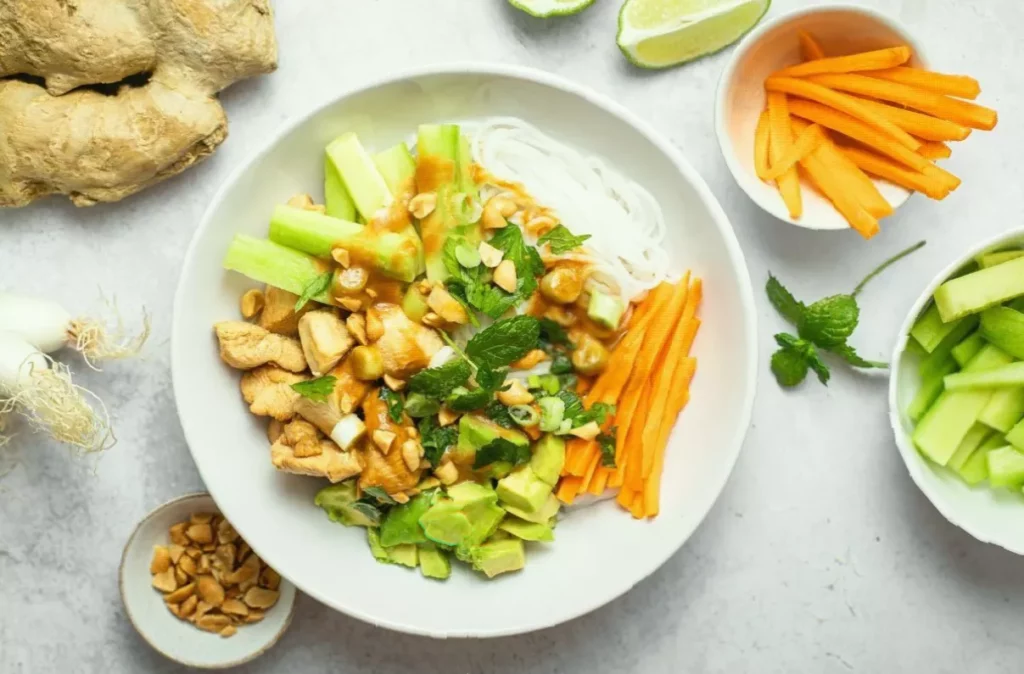
    Digesting a heavy meal generates internal heat that can worsen the lethargy many Britons already feel during a heatwave, a registered nutritionist has warned. As temperatures climb, the body diverts blood flow from the digestive tract to the skin to cool itself, making digestion slower and more taxing. Meals that are rich, greasy or high in protein require extra energy to break down, adding to the metabolic heat burden and leaving people feeling more sluggish.

    The heat of digestion

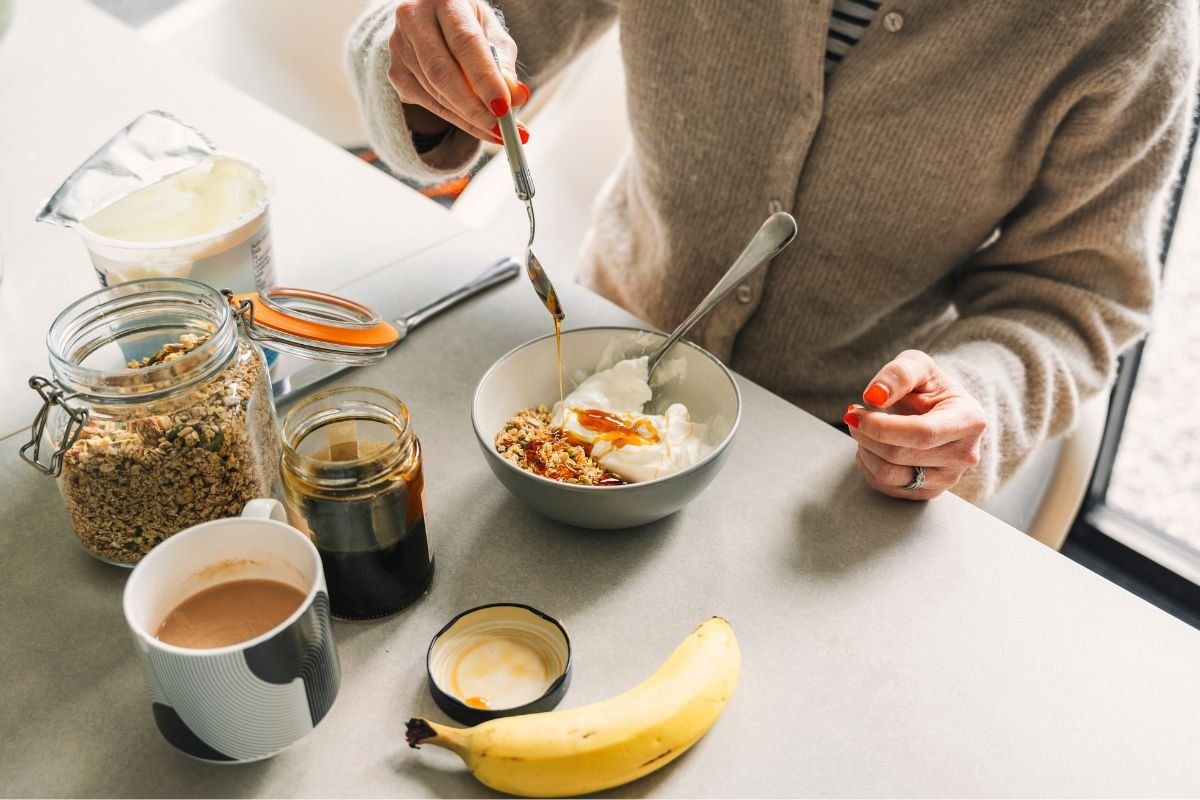
    Lily Keeling, a registered nutritionist with the Association for Nutrition who holds a degree in Food Science and Nutrition from the University of Leeds, explained that heavy meals can compound the fatigue caused by hot weather because the digestion process itself raises body temperature. “Heavy meals can sometimes add to that sluggish feeling because digestion itself generates heat within the body,” she said. The body’s natural response to heat includes hormonal changes that lower appetite – levels of ghrelin, the hunger hormone, drop – and a reduction in blood flow to the gut, which can exacerbate existing digestive issues. Keeling, who has spent more than a decade in the food industry, including roles at Premier Foods and Bakkavor before joining Green Chef in 2020, recommended switching to lighter fare. Meals centred on vegetables, lean proteins and wholegrains are far easier for the body to process when the mercury rises. “Things like salads with protein, grain bowls, wraps or yoghurt-based breakfasts can all work really well,” she advised. Spreading smaller portions throughout the day rather than consuming large meals can help people feel considerably more comfortable.

    Highly processed and salty foods such as crisps and ready meals can leave people feeling bloated and parched, while heavy dairy products like cheese and full-fat milk can be uncomfortable. Spicy foods, which can increase body temperature and stimulate sweating, may also contribute to dehydration. Caffeinated drinks such as coffee, tea and energy drinks have a diuretic effect that can increase fluid loss. Equally, extremely cold drinks can cause stomach discomfort, so tepid or room-temperature fluids may be better tolerated.

    Hydrating from within

    Staying properly hydrated is critical during a heatwave, but Keeling stressed that hydration is not solely about drinking water. “During hot weather, we naturally lose more fluids and electrolytes through sweating as the body tries to cool itself down,” she said. “Hydration isn’t just about drinking water, though – foods like cucumber, watermelon, strawberries, tomatoes and lettuce can also help support hydration levels because of their high water content.” Cucumber and celery each contain roughly 95% water, while watermelon is over 91% water. These water-rich foods offer an additional means of replenishing lost fluids without overloading the system. Keeling recommended drinking small amounts of fluid regularly – a “little and often” approach – rather than chugging large volumes, because the body absorbs fluids more efficiently that way. She advised not waiting until thirst sets in, as thirst is a sign that dehydration has already begun. Checking urine colour can be a simple guide: pale yellow indicates good hydration, while dark urine signals a need for more fluids.
    A bowl of watermelon and cucumber slices on a wooden table in sunlight

    Pairing fluids with food can help maintain electrolyte balance. While water is the primary source, Keeling noted that diluted squash, coconut water, herbal teas (such as peppermint or hibiscus), low-fat milk and low-sugar sports or rehydration drinks are all helpful. She cautioned against excessive consumption of plain water without adequate mineral intake, as this can dilute electrolyte levels and potentially lead to hyponatraemia. Fruit-infused water offers a flavoured alternative without added sugar.

    The nutritionist specifically warned against relying on sugary snacks and fizzy drinks for a quick energy boost. “One of the biggest mistakes people make is relying on sugary snacks and drinks for quick energy. While they might give a temporary boost, they can often leave energy levels crashing later on,” she said. High-sugar items such as fruit juice, smoothies and sugary soft drinks can also dehydrate the body because of their sugar content.

    Alcohol presents particular risks during extreme heat. Keeling explained that alcohol is a diuretic, increasing fluid loss and impairing the body’s ability to regulate temperature properly. Even moderate consumption can cause dizziness and confusion, and there is no safe level of alcohol intake in a heatwave, as it can contribute to dehydration, heat exhaustion and heatstroke.

    Replenishing lost nutrients

    After extended periods outdoors in the heat, replenishing lost nutrients becomes essential alongside rehydration. “Foods containing potassium, magnesium and sodium can help support hydration balance and muscle function,” Keeling advised. Bananas are rich in potassium; yoghurt provides cooling nutrients and electrolytes; leafy greens such as spinach supply magnesium; and beans and legumes offer a combination of minerals. Broths and lightly salted meals can also help restore sodium lost through sweat.

    A bowl of watermelon and cucumber slices on a wooden table in sunlight

    Frozen treats offer a refreshing way to contribute to fluid intake while cooling the body. Keeling suggested frozen grapes, yoghurt bark and homemade fruit lollies or ice pops as delightful options. Frozen strawberries and a watermelon-and-strawberry slushie are also effective. These alternatives to shop-bought ice creams avoid the high sugar and additive content of many commercial products.

    The UK’s climate and housing stock make heatwaves particularly challenging. Buildings are often designed to retain heat, and air conditioning is not widespread. Humidity means sweat evaporates less quickly, impairing the body’s natural cooling mechanism. Temperature fluctuations can also prevent the body from fully adapting to prolonged heat. Keeling’s advice on food storage is equally important: foods with high water content – berries, salad leaves, chopped fruit, vegetables and soft herbs – spoil quickly in warm weather if not stored correctly. Maintaining fridge temperatures between 3°C and 5°C and freezers at -18°C, and avoiding overfilling, is crucial to prevent spoilage and bacterial growth.

    Heatwaves can also disrupt sleep – a UK study found 67% of participants reported poorer sleep quality – and poor sleep can lead to cravings for sugary, ultra-processed foods the next day. Balanced meals containing protein, fibre and slow-release carbohydrates are far more effective for sustaining steady energy throughout the day. Keeling’s single piece of overarching guidance was consistency. “The biggest thing is consistency. Rather than waiting until you feel dehydrated or overly hungry, it’s better to eat and drink regularly throughout the day,” she said. Keeping meals straightforward while ensuring adequate protein and fibre intake will help Britons weather the heatwave successfully.

    Hydration Nutrition Sleep
    Share. Facebook Twitter LinkedIn WhatsApp Telegram
    Oliver Marsh
    Oliver Marsh

    Mental Health & Lifestyle Correspondent
    Oliver Marsh reports on mental health and wellness for Health News Daily. He covers NHS mental health services, workplace wellbeing, children's mental health, anxiety, depression and modern approaches to healthy living. A certified Mental Health First Aider, Oliver is passionate about breaking the stigma around mental health and making evidence-based wellbeing advice accessible to all. His reporting bridges the gap between clinical mental health news and practical lifestyle guidance for UK readers.
    · Certified Mental Health First Aider (MHFA England), peer support volunteer, lived experience of NHS Talking Therapies pathway
    · ADHD and autism in adults, anxiety and depression, CAMHS and children's mental health, workplace burnout, sleep science, nutrition and ultra-processed foods, NHS mental health service access

    Related Posts

    Wellness & Lifestyle

    Tenth of employees forgoing meals to afford fuel

    3 June 2026
    Wellness & Lifestyle

    Disturbing statistic could bring social media scrolling to a halt

    3 June 2026
    Wellness & Lifestyle

    GP stocks five freezer staples to extend life

    2 June 2026
    Wellness & Lifestyle

    Doctor pinpoints triggers for after-lunch tiredness and remedies

    2 June 2026
    Join Our Community & Win

    Each month we select one lucky follower to receive a prize from our partners. Follow us on our social channels for your chance to win.

    • Facebook
    Latest
    Wellness & Lifestyle

    Tenth of employees forgoing meals to afford fuel

    3 June 2026
    Health Policy

    Government stops short of promising no further aid cuts in letter to parliamentary committee

    3 June 2026
    NHS

    Patient spends £62,851 on height increase surgery to 6ft despite agonising and potentially fatal side effects

    3 June 2026
    Health Policy

    Anti-abortion activists in NSW signal push to further restrict abortion access

    3 June 2026
    Disease & Prevention

    Major US Covid vaccine probe to hear from two UK doctors

    3 June 2026
    Health Policy

    Health officials urged to probe fatalities connected with illicit diet injections

    3 June 2026
    News Categories
    • NHS
    • Health Policy
    • Mental Health
    • Wellness & Lifestyle
    • Disease & Prevention
    • Treatment & Research
    Help
    • About Us
    • Contact Us
    • Advertise With Us
    • Health Explainers
    • Our Editorial Team
    About Us
    About Us

    Health News Daily provides trusted UK health news, covering NHS updates, medical research, public health and wellbeing with clear and reliable reporting.

    Facebook
    • Cookie Policy
    • Privacy Policy
    • Complaints Policy
    • Corrections Policy
    • AI Disclosure Policy
    • Editorial Policy & Ethics
    • Accessibility Statement
    • Medical Disclaimer
    • Terms & Conditions
    • Sponsored Content Disclosure
    • Copyright Notice
    © 2026 Healthnewsdaily.co.uk. All rights reserved.

    Type above and press Enter to search. Press Esc to cancel.