

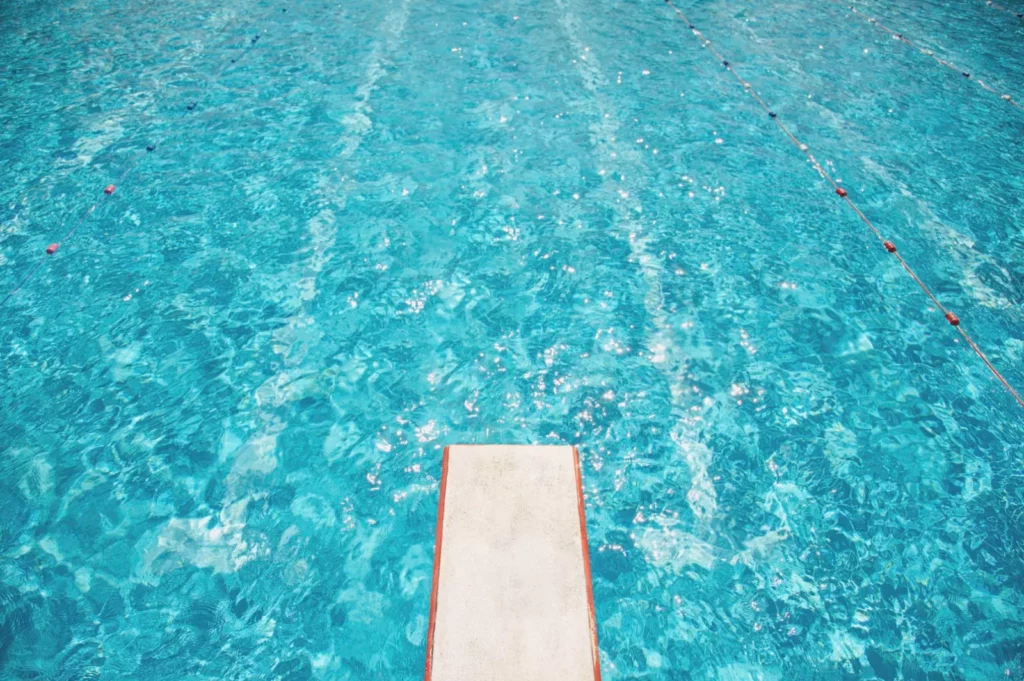
The term “dry strokers” has been coined for swimmers who skip the pre-swim shower, slipping straight into the water without a rinse – and the habit is raising concerns among health experts and fellow pool users alike. Coined in reference to those who enter the pool bone dry, the label reflects a growing frustration with a practice that undermines basic hygiene at public pools and lidos.
Why a pre-swim shower matters
Showering before swimming is not merely a courtesy, according to GP Dr Ross Perry, but “an important hygiene measure that helps protect both you and other swimmers.” Throughout the day, skin accumulates sweat, oils, dead skin cells, cosmetics, deodorant, sunscreen and bacteria. When a swimmer enters the pool without showering, all of those substances wash off directly into the water.
The consequences go beyond simple disgust. While disinfectants such as chlorine are designed to kill harmful micro-organisms, they have to work harder when faced with a higher load of organic matter and contaminants. Dr Perry explains that skipping the rinse means carrying “more bacteria and debris into the water, which can potentially increase your exposure to irritants and reduce the effectiveness of the pool’s sanitation system.” For other swimmers, the added contamination burden can affect water quality and heighten the likelihood of skin, eye and ear irritation.
One of the most significant knock‑on effects is the formation of chloramines. When sweat, traces of urine, cosmetics and personal care products mix with chlorine, they create chemical by‑products known as chloramines. These are responsible for the strong “chlorine smell” often associated with indoor pools and can cause red eyes, respiratory irritation and skin discomfort. A quick rinse with soap before swimming significantly cuts the amount of contaminants entering the water, allowing disinfectants to work more effectively and creating a healthier environment for everyone.
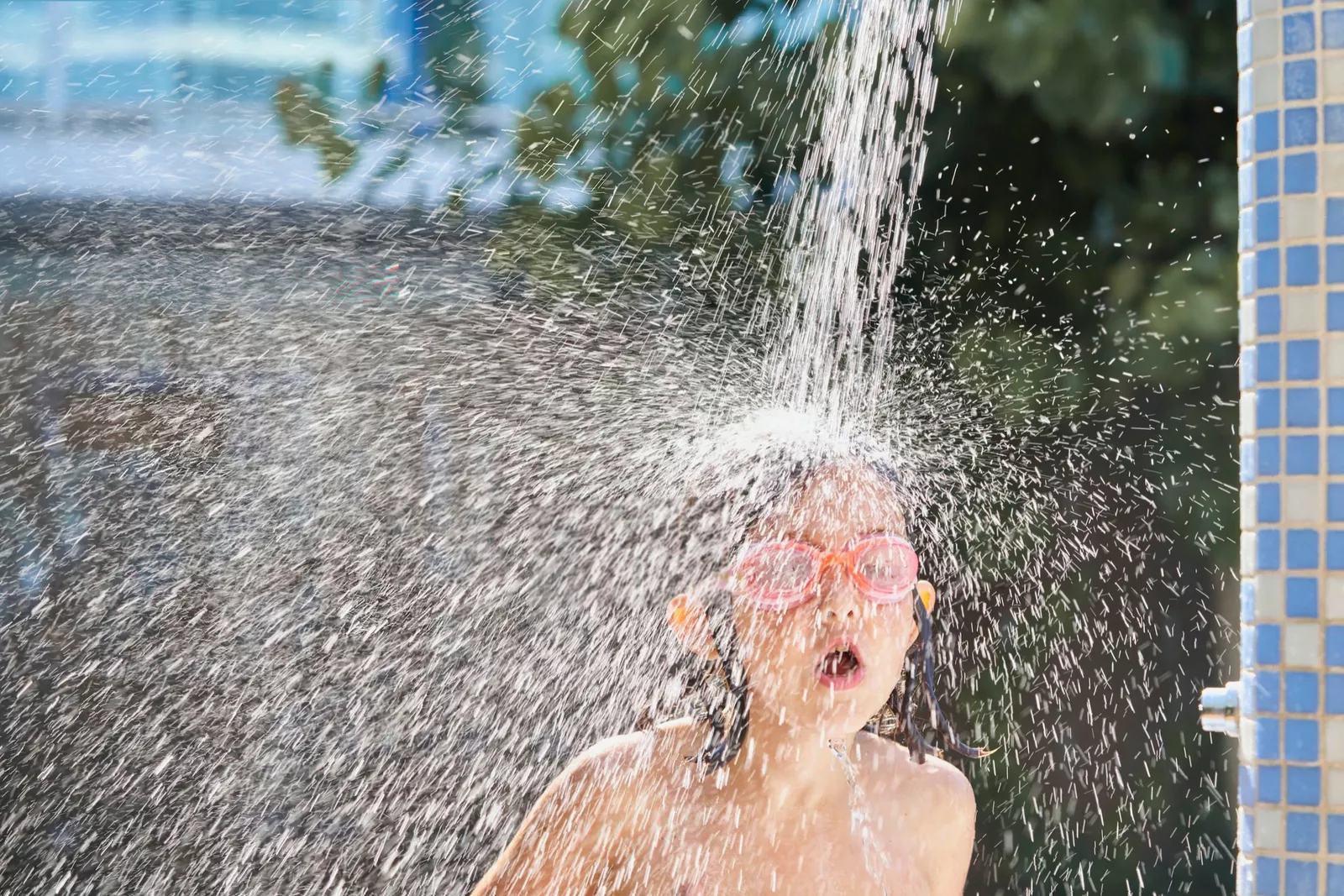
The risks extend to recreational water illnesses (RWIs). Unshowered swimmers can introduce bacteria and pathogens such as Cryptosporidium or E. coli into the pool. Chlorine takes time to kill these organisms – in the case of Cryptosporidium, it can take up to ten days. Maintaining appropriate free chlorine levels (between 1.0 and 4.0 parts per million) and keeping combined chlorine levels low (below 0.2 ppm) is crucial, but the effectiveness of any sanitation system is compromised when the contaminant load is unnecessarily high.
Public opinion divided
The “dry stroker” phenomenon has sparked debate on the r/Swimming subreddit, where a poll asked users whether they shower before swimming in a public pool. Out of 2,700 votes, 1,200 said yes – but 1,400 said no. One user recounted seeing a landscaper jump into the pool without rinsing off: “There would be a cloud of dirt and foliage that would engulf the pool.” Another user described asking two men to rinse before heading in straight from the sauna, only to be met with hostility. “They got an attitude and said: ‘This is a public pool and it’s bound to be gross.'”
Even competitive swimmers are not immune. One self‑confessed rule‑breaker admitted: “I’ve been swimming competitively since I was four years old and I’ve never once rinsed off before getting in.” Commenters were quick to remind them that “nothing should go in the pool but you.”
Lido revival and the summer surge
The debate comes as outdoor swimming experiences a resurgence. The 1930s were the golden age of lidos, with 169 built across Britain as symbols of civic pride. Many later closed as holiday habits changed and funding shifted to indoor leisure centres, but a revival driven by community efforts and a growing interest in cold‑water swimming has brought them back. Today approximately 127 lidos remain open in England, and the UK now boasts more than 160. Google searches for “lidos” have risen by 933% over the past decade, while searches for “outdoor swimming pool near me” surged by 1,700% during a recent heatwave.
Notable examples include Brightlingsea Lido in Essex, a historic tidal saltwater pool converted in 1932 that now operates as a volunteer‑run, 50‑metre unheated freshwater facility with a separate paddling pool. It reopened for the summer last month, with adult admission at £7.50 and children’s tickets at £5.50. Brockwell Lido in South London – a Grade II‑listed Art Deco building dating from 1937 – was recently ranked 19th globally for cold‑water dips and named London’s best outdoor swimming spot. It is unheated and attracts year‑round swimmers, with sessions starting at £9.50 and booking essential during hot spells. London Fields Lido in Hackney, an Olympic‑sized heated outdoor pool opened in 1932, saw 133,040 visits in 2025 alone.
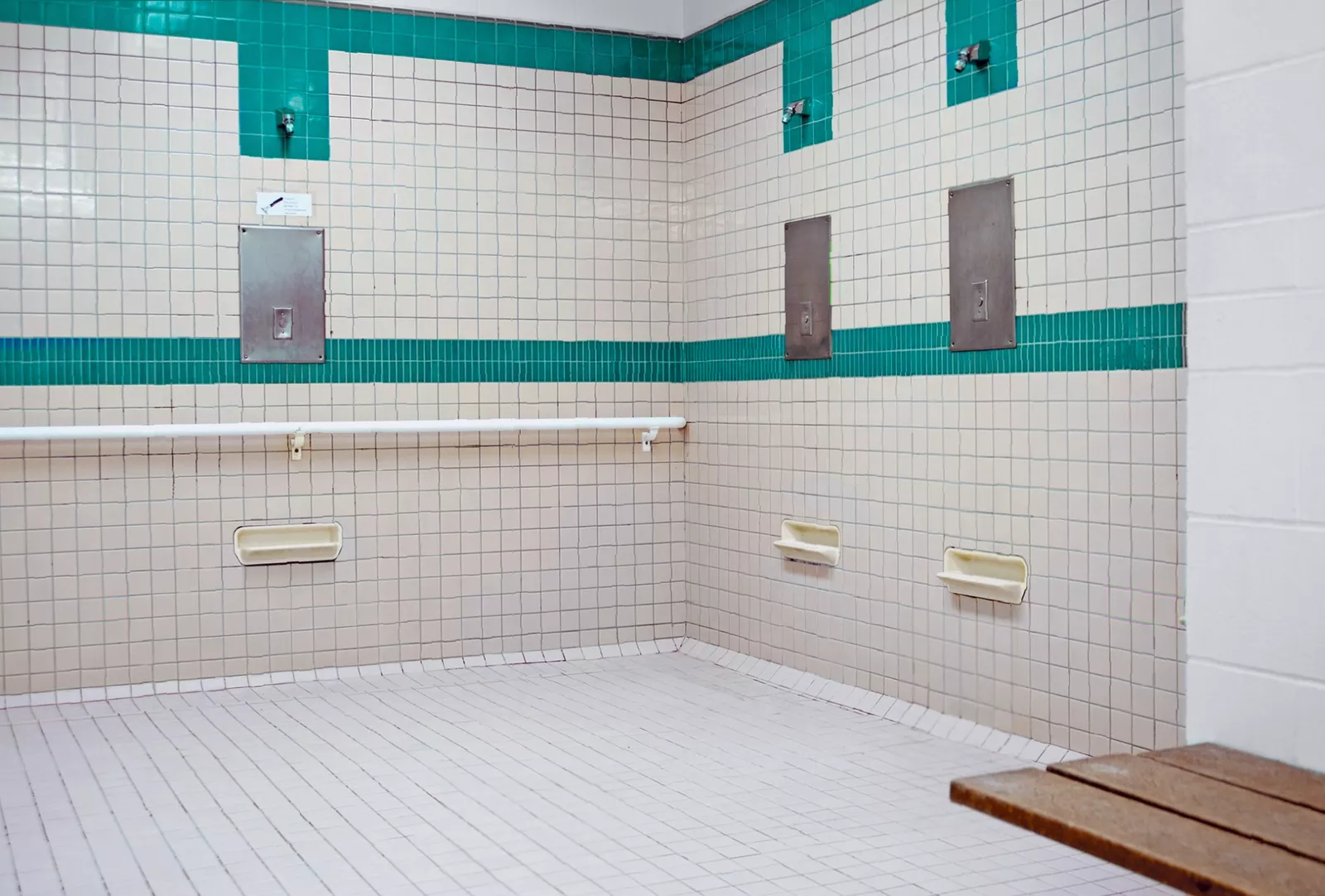
Pool operators are required under the Health and Safety at Work etc Act 1974 to conduct risk assessments and ensure water quality, often following guidance from the Pool Water Treatment Advisory Group (PWTAG). While there is no specific UK law mandating a pre‑swim shower, the hygiene rules posted in changing rooms are clear. For those tempted to skip the cubicle, the next time you walk from the changing rooms to the pool, remember the landscape of dirt and foliage – and make that one crucial stop on your way.