

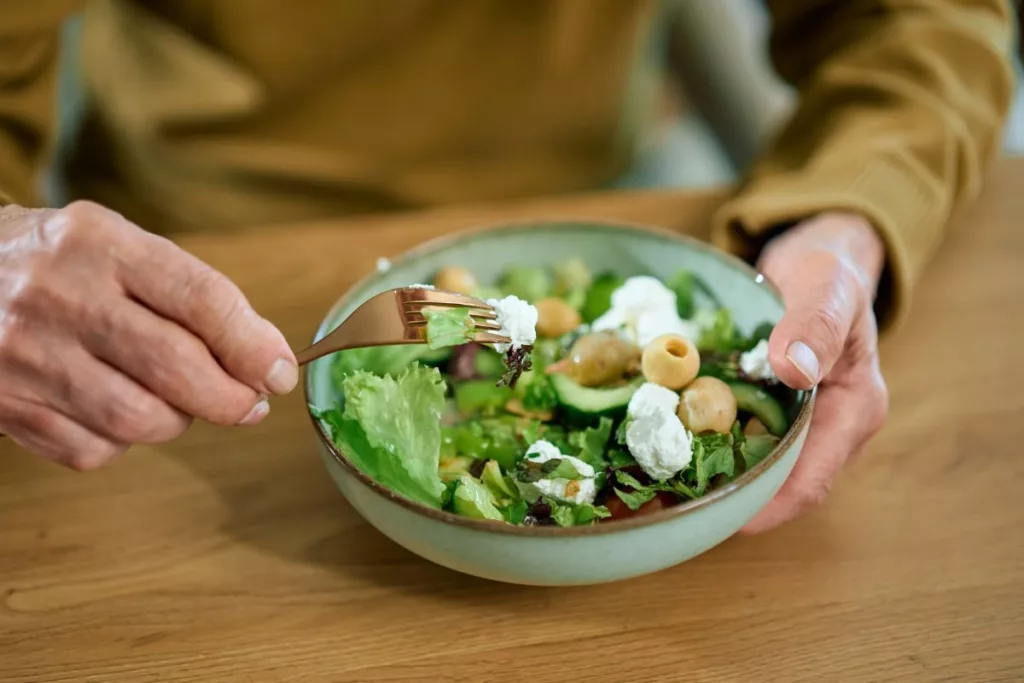
Modest reductions in LDL cholesterol — typically between 5 and 15 per cent — are achievable within just four weeks through targeted lifestyle changes, particularly for those whose levels are elevated by diet rather than genetics, according to physician Eve Pennie, an expert contributor at Drugwatch.com. For individuals with diet-related hyperlipidemia or newly identified raised cholesterol, the window for noticeable improvement is far shorter than many assume.
Diet: the fastest lever
Of all the interventions available, diet carries the most robust evidence for producing quick results. The first priority, Dr Pennie said, is limiting saturated fat from red meat, dairy, butter and processed foods, which directly drives up LDL levels. Most people in the UK consume more saturated fat than the recommended maximum — 20g per day for women and 30g for men. Swapping these for unsaturated fats found in olive oil, rapeseed oil, sunflower oil, nuts, seeds and oily fish can reduce LDL by up to 17 per cent, depending on how completely the substitution is made.
Equally important is increasing soluble fibre intake, which Dr Pennie described as the cornerstone of a cholesterol-friendly diet. Soluble fibre, abundant in oats, barley, beans, lentils and apples, works by binding to bile acids in the gut and promoting cholesterol excretion, leading to “measurable reductions in LDL within weeks”. A 70g bowl of porridge a day provides roughly 3g of beta-glucan, considered the optimum amount for lowering LDL. Studies suggest that consuming 3g of beta-glucan daily can lower LDL cholesterol by 5–10 per cent, and a meta-analysis found that 5–10g of soluble fibre per day from sources such as oats, lentils and beans can achieve a similar reduction. Other rich sources include oat bran, wholewheat bread, brown rice, wholewheat pasta, citrus fruits, strawberries, prunes, plums, avocados, carrots, broccoli, onions, and pulses such as kidney beans, soya beans, peas and chickpeas.
Plant sterols and stanols, found in fortified foods such as spreads, yoghurts and milk drinks, offer another dietary route. These compounds limit how much cholesterol the intestine absorbs. Consuming around 2g of plant stanols and sterols daily — equivalent to two to three portions of fortified products — can lower LDL cholesterol by 7.5–12 per cent, an effect that can appear within two to three weeks of continued use. A meta-analysis of 124 studies indicated that up to 3.3g of phytosterols per day gradually lowered LDL by 6–12 per cent after approximately four weeks. However, Dr Pennie cautioned that dietary changes alone are not always sufficient. It is also worth noting that while plant sterols and stanols effectively lower cholesterol, there is insufficient long-term evidence to show they reduce the risk of heart attack or stroke, unlike statins. They are not recommended for pregnant or breastfeeding women, or children under five. NICE guidelines in the UK do not specifically recommend them for preventing cardiovascular disease, although they are an option for people with familial hypercholesterolaemia.
The so-called Portfolio diet — a plant-based eating pattern combining a low-saturated-fat diet with nuts, soya or legumes, plant sterols, and viscous fibres from oats and beans — has shown LDL reductions of up to 35 per cent under controlled conditions, comparable to first-generation statins. In free-living individuals, the reduction is around 17 per cent, with each component independently lowering cholesterol by 5–10 per cent.
Exercise: supporting lipid metabolism
Regular aerobic exercise enhances lipid metabolism and modestly raises HDL (“good”) cholesterol while lowering LDL and triglycerides. Dr Pennie recommends at least 150 minutes of moderate-intensity activity per week — brisk walking, swimming or cycling, for example — to see early results. The NHS advises the same target, or 75 minutes of vigorous-intensity activity. A British Heart Foundation-funded study suggests that increased activity leads to muscles using more saturated fat for energy, thereby lowering circulating saturated fat and non-HDL cholesterol. Some research indicates that 20 miles of walking or jogging per week can help control cholesterol levels, and a 2020 study found that cycling to work for 12 months helped lower cholesterol. However, it may take several weeks or months of consistent exercise before reductions in cholesterol become apparent.
Sustained effort is key
Rapid progress from dietary and exercise changes will achieve little without meaningful follow-through. Dr Pennie is careful to emphasise that “sustained adherence is essential for achieving lasting cholesterol control and reducing cardiovascular risk.” Alongside diet and exercise, the NHS also advises stopping smoking and limiting alcohol intake as part of a comprehensive strategy to manage cholesterol. While statins remain the most prescribed drug in the UK, the evidence shows that for many people, meaningful reductions in LDL are achievable — and sometimes within just weeks — provided the changes are maintained.