

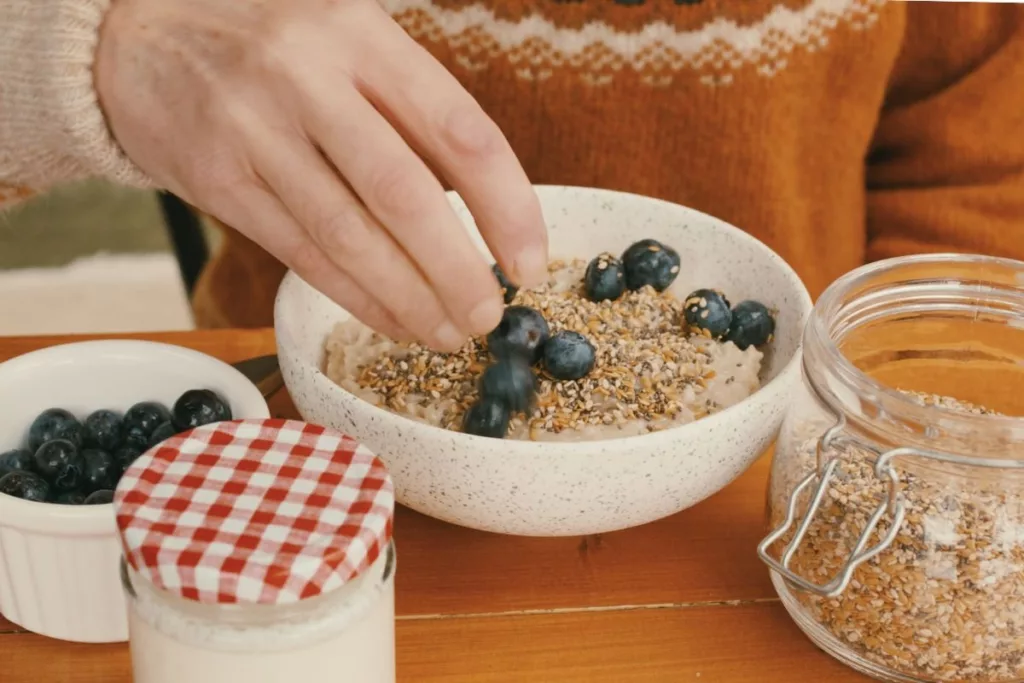
Half of UK adults have high cholesterol, a life-threatening condition in which fatty deposits build up in the arteries and are thought to contribute to roughly one in five deaths from heart disease each year. The figure, drawn from national health surveys, means millions of people are walking around with dangerously elevated LDL – or “bad” – cholesterol, often without knowing it. High cholesterol typically has no symptoms and is only detected through blood tests such as the NHS Health Checks offered every five years to those aged 40–74, though the number of those checks has declined significantly in recent years.
Health expert and physician Dr Naheed Ali, MD, PhD, told GB News that lowering LDL cholesterol is not about finding a single superfood but about building consistent habits around foods that support better cholesterol management and reduce inflammation. He specifically pointed to legumes and flaxseed as two foods that could outperform oatmeal in reducing LDL, given their impressive nutritional profiles. Oats have long been cited as one of the most effective options, but Dr Ali argued that legumes and ground flaxseed offer an even more powerful combination of nutrients for heart health.
How soluble fibre lowers cholesterol
The key to understanding why these foods work lies in soluble fibre, often called viscous or “sticky” fibre. Oats, barley and apples are all excellent sources of soluble fibre, but so are legumes and flaxseed. Once in the digestive tract, this type of fibre dissolves and forms a gel-like substance that binds to cholesterol-rich bile acids. By preventing those bile acids from being reabsorbed into the bloodstream, the body is forced to use up more of its existing cholesterol to produce new bile, effectively lowering circulating LDL levels.
Research published in Current Atherosclerosis Reports suggests that soluble fibre can cut LDL cholesterol by between five and ten per cent, with a daily intake of five to ten grams or more associated with a meaningfully lower risk of coronary heart disease. Oats in particular are rich in beta-glucan, a specific type of soluble fibre. A typical 40g serving of porridge oats contains about 2g of beta-glucan, and research indicates that consuming at least 3g daily can lower LDL by approximately five to ten per cent. A recent study showed that a diet consisting primarily of oats for just two days reduced LDL by an average of ten per cent, with researchers noting that the rapid change in gut microbiome activity disrupted how cholesterol is handled at a cellular level. That short-term, high-dose intervention proved more effective than moderate daily oat consumption over six weeks.
Legumes – which include beans, lentils, chickpeas and dried peas – are also rich in soluble fibre and contain plant proteins that can help lower cholesterol synthesis in the liver. A meta-analysis of non-soy legumes found that consuming them daily reduced total cholesterol by 11.8 mg/dL and LDL cholesterol by 8.0 mg/dL. A daily serving of pulses – roughly 130g or three-quarters of a cup – is associated with a modest but significant five per cent reduction in LDL, which could translate to a five to six per cent decrease in the risk of cardiovascular disease. Interestingly, some studies indicate that men may experience greater LDL-lowering benefits from legumes than women, possibly because men’s generally poorer dietary habits lead to a more pronounced response when healthier foods are introduced.
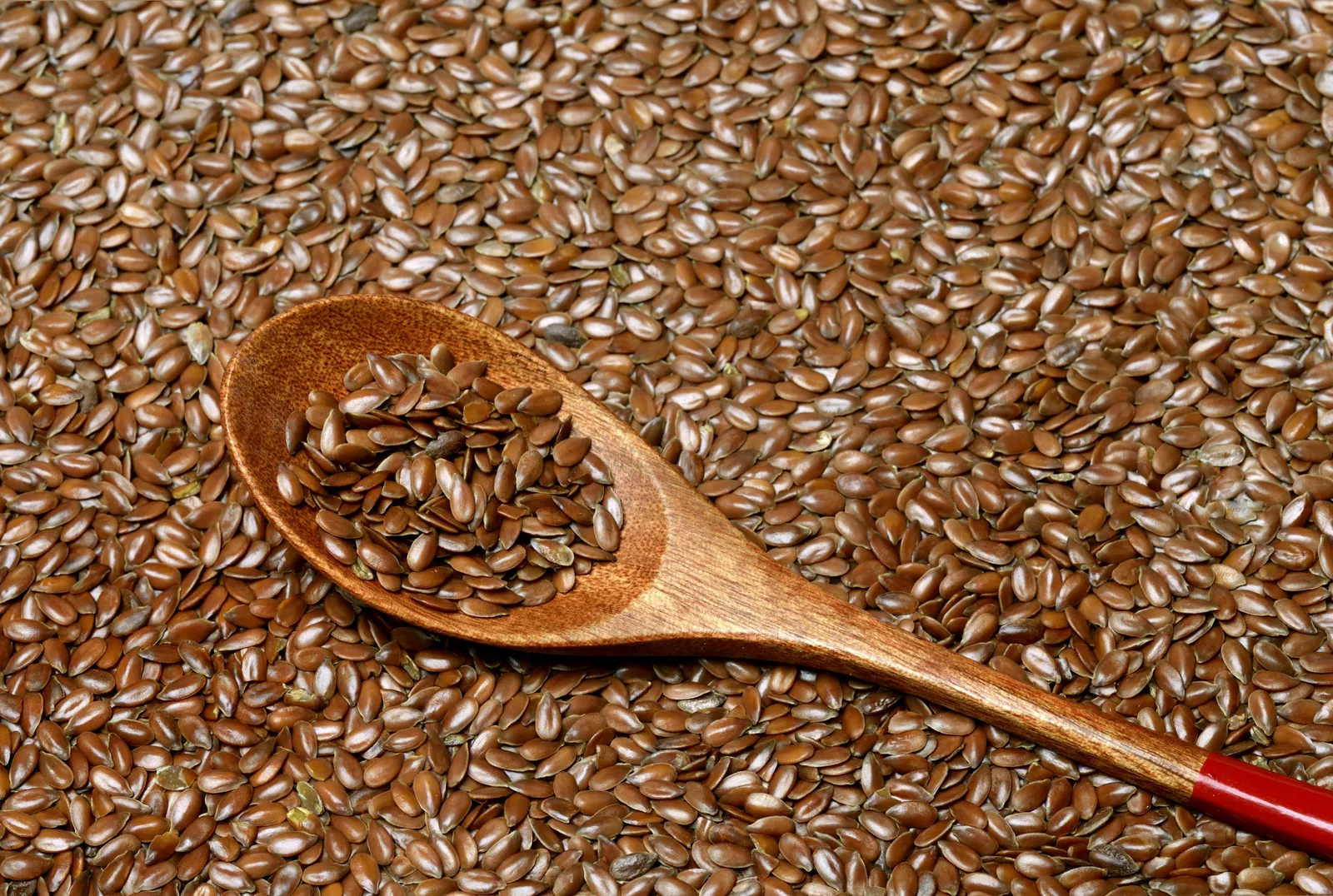
Flaxseed – also known as linseed – offers a combination of fibre, omega-3 fatty acids and lignans, which are plant compounds that gut microbes convert into bioactive forms that may further reduce cholesterol. The soluble fibre in flaxseed helps lower absorption, while lignans appear to play a separate role. A meta-analysis reported that consuming at least 150mg of flaxseed lignans daily – about three tablespoons of ground seed – decreased cholesterol by just under ten per cent in men over three months. However, whole flaxseeds can pass through the digestive system without being broken down, so ground or milled flaxseed is essential for accessing those benefits. Health Canada has approved a health claim linking ground whole flaxseed to blood cholesterol lowering, recommending 16g – roughly two tablespoons – daily. Studies have used doses ranging from 20g to 50g per day for four to twelve weeks. Gender differences are again notable: one study found that flaxseed lignans lowered cholesterol in men but not significantly in women, yet another meta-analysis indicated that reductions in total and LDL were generally greater in women, particularly postmenopausal women, when using whole flaxseed. Milled flaxseed has also been shown to lower cholesterol in patients with peripheral artery disease and may offer additional LDL-lowering capabilities when used alongside statins.
Dr Ali specifically highlighted several other foods that deserve more attention. Roasted chickpeas provide fibre and plant protein without the saturated fat, making them a useful snack. Walnuts are rich in beneficial fats and have been studied for their positive effects on cholesterol profiles – walnuts, almonds and hazelnuts can each produce small to moderate reductions in LDL. When it comes to protein, Dr Ali recommends swapping animal sources for soy-based alternatives such as edamame, tofu and tempeh, noting that research shows soy protein has a small but measurable cholesterol-lowering effect. Replacing a beef-based meal with lentils or black beans, he added, tends to deliver greater long-term benefit than most people would expect.
Broader dietary advice and practical considerations
Dr Ali’s broader advice to patients is to focus on incorporating fibre-rich plants, legumes, nuts and seeds into everyday eating. Such an approach can lead to meaningful reductions in cholesterol levels over time without people feeling they have had to give anything up. Alongside these additions, the evidence points to several other dietary changes. Reducing intake of saturated fats is crucial – swapping butter for vegetable oil spreads made from olive, rapeseed or sunflower oil, choosing lean meats and opting for low-fat dairy all help. Increasing unsaturated fats from olive oil, rapeseed oil, nuts, seeds and oily fish is also beneficial. Plant sterols and stanols, found in fortified margarines, milks and yoghurts, can lower LDL cholesterol by six to twelve per cent over about four weeks, though they have not been shown to reduce the risk of heart attack or stroke. Berries, rich in polyphenols like anthocyanins, act as antioxidants, protect blood vessels and support increased bile acid production, leading to more cholesterol excretion. Barley and rye, like oats, contain beta-glucans and can have comparable LDL-lowering effects.
There are important caveats. Dramatically increasing fibre intake in a short space of time can cause digestive discomfort, so it is best to build up fibre consumption gradually and stay well hydrated to help the body adjust. Replacing meat with plant-based protein may reduce your intake of iron, zinc and vitamin B12 – but these nutrients can be replenished through fortified cereals, beans, chickpeas, soy products and lentils. It is also worth bearing in mind that flaxseed, oats and legumes should not be viewed as replacements for prescribed cholesterol-lowering medication but as valuable dietary additions. Lifestyle factors beyond diet also matter: limiting alcohol consumption, stopping smoking – which can raise cholesterol and increase the risk of serious health problems – and getting at least 150 minutes of moderate-intensity or 75 minutes of vigorous-intensity activity per week are all part of a comprehensive approach to managing cholesterol and reducing cardiovascular risk.