

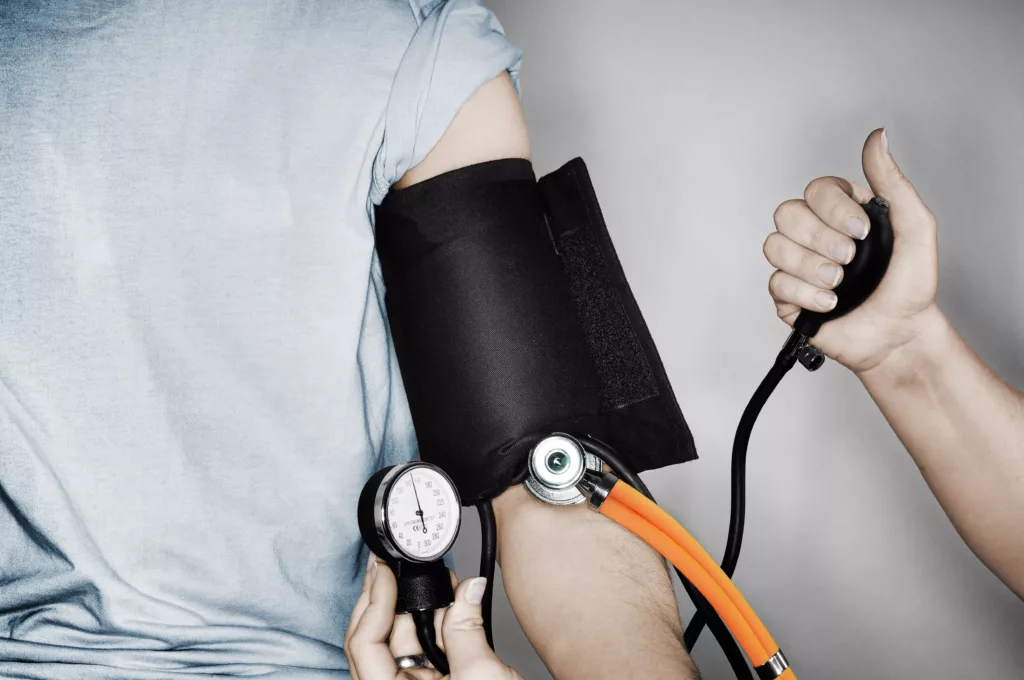
How dehydration drives up blood pressure
The majority of advice on managing high blood pressure has focused on cutting salt and exercising more – but a simpler factor that people may be missing entirely is not drinking enough water. Dr Megan Lyons, a double board-certified doctor of clinical nutrition, told GB News: “Almost everyone I see with high blood pressure is dehydrated.” Proper hydration, she explained, may be one of the most overlooked ways to reduce stress on the cardiovascular system and manage hypertension at home.
The physiological mechanism is straightforward. When the body loses fluids, blood volume drops. To compensate and ensure vital organs still receive adequate blood supply, the blood vessels constrict – a process known as vasoconstriction. This narrowing increases pressure within the arteries. Ultimately, the heart is forced to work harder. Scientists believe that this factor alone could cause blood pressure to rise over time.
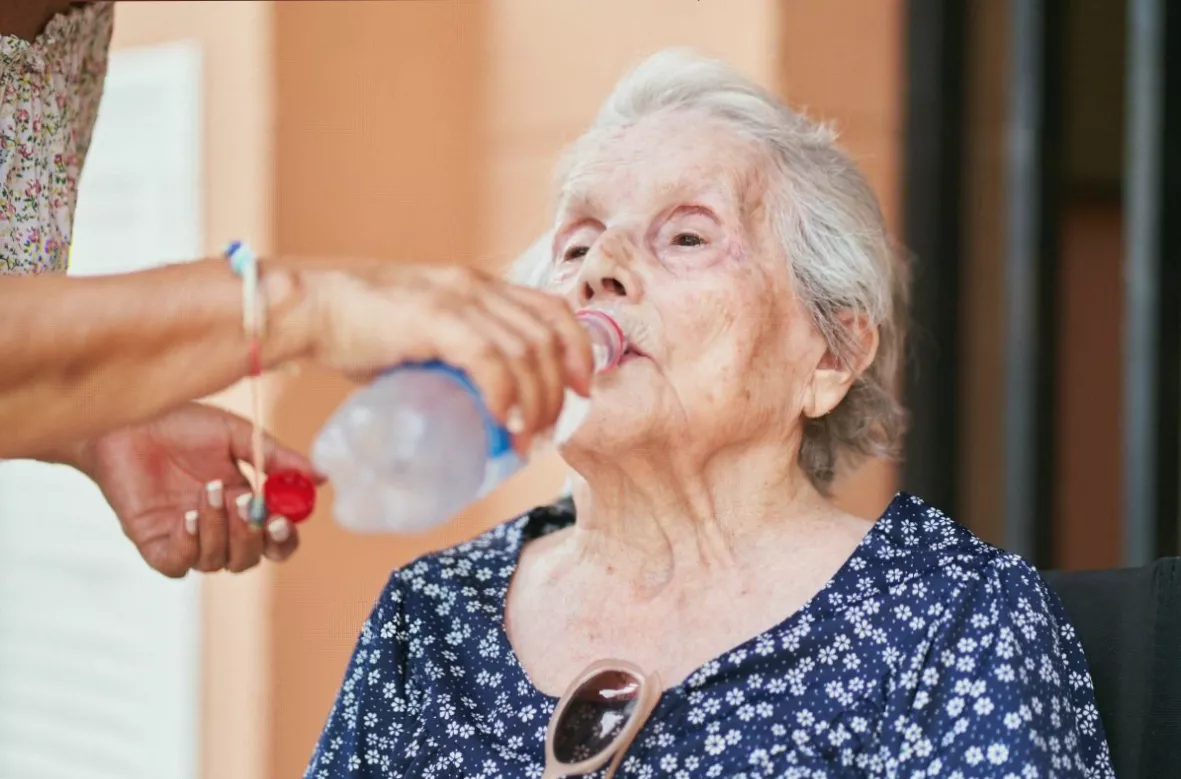
Beyond the immediate constriction, dehydration triggers a hormonal cascade. The body releases vasopressin (antidiuretic hormone) and aldosterone, which work to retain water and sodium. That temporary increase in sodium concentration can further elevate blood pressure. Chronic dehydration also raises blood viscosity, making it harder for the heart to pump blood effectively and contributing to sustained hypertension. It is important to note that while dehydration is not generally considered the sole cause of chronic high blood pressure, it can trigger short-term spikes and worsen existing hypertension. Certain groups are particularly vulnerable: older adults, who may have a reduced sense of thirst; athletes and outdoor workers; individuals taking diuretics or blood pressure medications; those with high-sodium diets; and people experiencing fever, vomiting or diarrhoea.
Other drinks that can help
Water is the most abundant constituent of the human body, but other liquids can also support healthy blood pressure. Dr Lyons highlighted several options. “Hibiscus tea is widely noted for helping lower blood pressure,” she said, “while green tea can also be beneficial.” Research backs this up: studies have shown that hibiscus tea can significantly lower systolic blood pressure, and in some cases may be as effective as certain blood pressure medications for stage 1 hypertension. Green tea consumption has been associated with a reduction of around 1.94 mmHg in systolic blood pressure, along with beneficial effects on cholesterol and inflammation. However, individuals taking medication for heart rate or blood pressure should consult their GP before consuming hibiscus tea due to potential interactions.
“Adaptogenic teas like Tulsi tea or chamomile support lowering blood pressure, as do some juices, like beet juice or pomegranate juice,” Dr Lyons continued. Beetroot is rich in nitrates that the body converts to nitric oxide, which helps relax blood vessels and lower blood pressure. Pomegranate juice also supports nitric oxide-mediated vasodilation. The doctor stressed that it is important to ensure the juices are real and free of added sugar. Dr Lyons also noted that dietary changes like these should only ever complement – not replace – prescribed treatments for high blood pressure.
Current UK guidance from the NHS Eatwell Guide recommends drinking six to eight glasses – approximately 1.2 to 1.5 litres – of fluid per day. This includes water, tea, coffee and lower-fat milk. Individual fluid requirements vary based on age, climate, diet and physical activity levels, and for most people listening to their body’s thirst mechanism is a reliable indicator.
The role of exercise
Exercise is the next big factor, particularly aerobic activities such as cycling, running, swimming and dancing, according to Dr Lyons. The goal is to strengthen the heart so it can pump blood more efficiently, which in turn reduces pressure on the arterial walls. Health bodies such as the NHS typically recommend approximately 150 minutes of moderate aerobic activity per week. Alongside exercise, a healthy balanced diet is vital: reducing salt intake to less than 6g per day (much of which is hidden in processed foods) and increasing fruit and vegetable consumption for their potassium content are cornerstone strategies.
The scale of the problem
High blood pressure is not just a silent killer; it is also a largely ignored one. The World Health Organization estimates that hypertension contributes to more than 10 million deaths a year, with almost 1.4 billion adults living with the condition. More than 600 million of those cases go untreated, whether through lack of awareness or reluctance to seek help.
In the UK, the picture is equally stark. In 2024, an estimated 30% of adults aged 16 and over had hypertension, with prevalence higher in men (32%) than women (27%). That figure has remained relatively stable since 2003. Hypertension increases with age, reaching its highest among those aged 75 and over. Crucially, a significant number of cases go undiagnosed. In England, approximately 32% of adults have high blood pressure, but an estimated 29% of those – around 4.2 million adults – are unaware of it. Younger adults are more likely to be undiagnosed than older individuals. Hypertension is the third biggest risk factor for all diseases in the UK, after smoking and poor diet, and is a major contributor to heart disease, heart attacks, strokes, heart failure, kidney disease and vascular dementia.
Every GP surgery in the UK holds at least one blood pressure monitor – known as a sphygmomanometer. Home blood pressure monitors are also readily available; anyone wanting their own can buy one for under £20. These devices are valuable for tracking blood pressure regularly, helping with diagnosis, monitoring treatment effectiveness and avoiding the “white coat effect” – elevated readings caused by anxiety in a clinical setting. A reading of 140/90 mmHg or higher when checked by a healthcare professional, or 135/85 mmHg or higher when checked at home, is generally considered high blood pressure.