

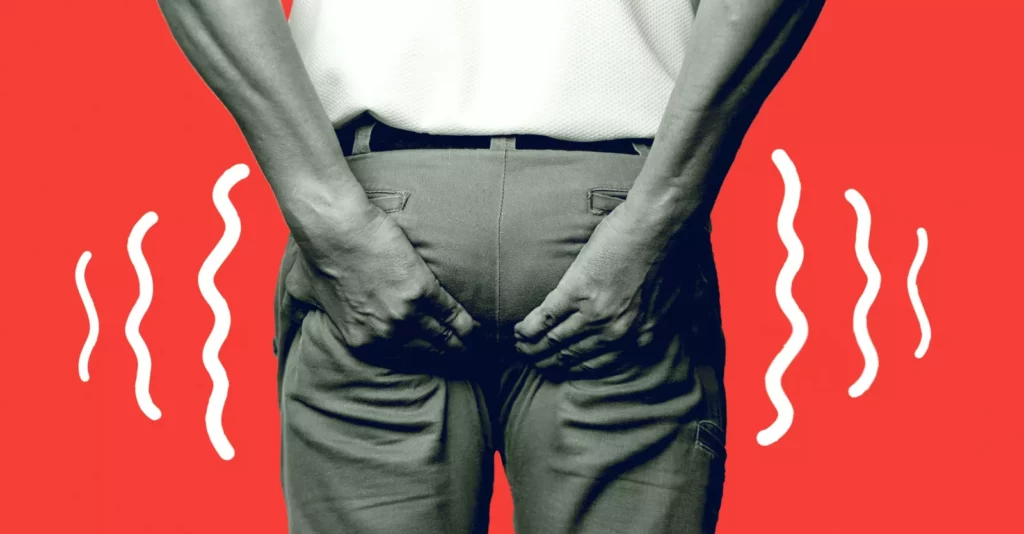
Millions of Brits suffering from ‘dead butt syndrome’ as sedentary lifestyles take their toll
Millions of Britons are experiencing a condition known as “dead butt syndrome” — or gluteal amnesia — brought on by prolonged periods of sitting at desks, in cars, and on sofas. According to Dr Lawrence Cunningham, a medical expert writing for UK Care Guide, the condition occurs when the gluteal muscles “forget” how to activate properly. “Your glute muscles basically go to sleep on the job,” he explains. “The proper name is gluteal amnesia because your bum muscles forget how to fire up when they should.” The problem is widespread: the average adult spends roughly 64% of their waking hours being sedentary, with desk jobs and commuting a major contributor. The World Health Organization has warned that exercise is the only way to prevent the “death” of the buttock muscles.
What is dead butt syndrome?
Gluteal amnesia is a condition in which the gluteus maximus, medius and minimus become underactive and fail to engage when the body needs them. It is not necessarily a matter of muscle weakness, but rather a disruption in the neural signals that tell the glutes to contract. As Dr Cunningham puts it: “Your glutes are meant to be one of the strongest muscle groups in your body. When they stop pulling their weight, other muscles have to step in and do the work for them.” This leads to a cascade of symptoms: a dull ache in the buttocks, lower back pain, tight hips, and pain in the knees or hamstrings as those areas overcompensate. Some people also experience numbness in the backside after sitting for long periods. “For me, the giveaway is when people say they can’t feel their glutes working during exercises like squats or lunges,” Dr Cunningham adds. Additional signs include a waddling gait, an anterior pelvic tilt (where the pelvis tips forward, creating an exaggerated lower back curve), and difficulty standing up, climbing stairs or running. The condition can also cause tingling in the buttocks and hips, and in some cases lead to sciatica or piriformis syndrome if the muscle imbalances irritate the sciatic nerve.
Compensatory muscle patterns can eventually produce chronic lower back pain, hip instability, knee injuries, gluteal tendinopathy (sometimes called Greater Trochanteric Pain Syndrome), and pelvic pain. Even active individuals — runners, cyclists, gym-goers — can develop gluteal amnesia if they spend many hours sitting during the day or focus on training other muscle groups while neglecting their glutes.

How sitting causes the glutes to switch off
The primary driver of dead butt syndrome is a sedentary lifestyle, with office workers, drivers and anyone who sits for six or more hours a day at highest risk. “I’ve only come across a handful of cases where it wasn’t linked to a sedentary lifestyle in some way,” Dr Cunningham says. The mechanism begins when prolonged sitting shortens and tightens the hip flexors — the muscles at the front of the hips. This tightness then inhibits the glutes, a process known as “reciprocal inhibition”. As Dr Cunningham explains: “This pulls on your pelvis and tells your glutes to switch off. Over time, your brain stops sending strong signals to those muscles. The glutes get weaker and lazier, and other muscles take over jobs they were never meant to do.”
The sitting position also physically lengthens and weakens the gluteal muscles, reducing their tension and neural activation. With sustained periods of inactivity, the brain’s motor cortex gradually reduces the drive to the glutes, effectively “forgetting” they exist. Poor posture — such as slouching, leaning on one leg or locking the knees — can compound the problem, as can a lack of movement variety, weak core muscles, repetitive exercise patterns that overwork the quadriceps and hamstrings while ignoring the glutes, and previous injuries to the back, hips or legs that cause the body to adapt by shifting work away from the buttocks. Research by Freeman et al. (2013) and Cooper et al. (2016) has documented gluteal amnesia in both sedentary populations and athletes, while Dr Stuart McGill, a leading expert on spine biomechanics, has described how pain can cause a diminished neural drive to the glutes, coining the term “gluteal amnesia” in that context.
Reversing dead butt syndrome: treatment and prevention
The good news is that the condition is reversible. “The fix is to wake the muscles back up with targeted exercises,” Dr Cunningham says. “Glute bridges, clamshells, and hip thrusts are the bread and butter of recovery.” A broader exercise programme can include donkey kicks, quadruped hip extensions, fire hydrants, step-ups, lunges, band walks (monster walks), and even simple glute squeezes performed while standing. Squats should also be done with careful attention to form to ensure the glutes are firing. Stretching tight hip flexors is equally important — daily stretches such as the kneeling hip flexor stretch, standing hip flexor stretch, seated or prone versions help release the tension that inhibits the glutes. A qualified physiotherapist or personal trainer can ensure correct muscle activation and prevent the back, hamstrings or other muscles from taking over.
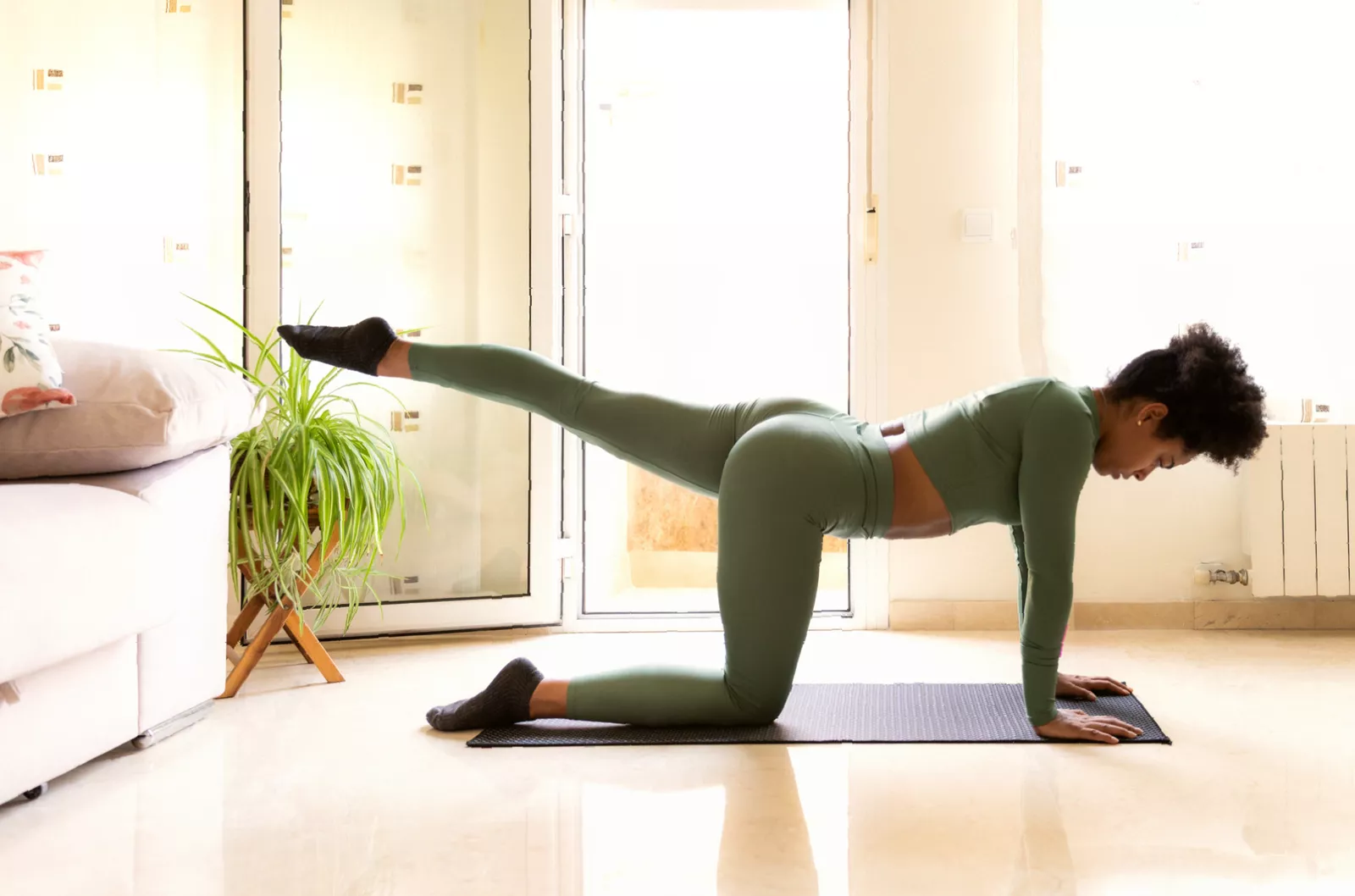
Most people see real improvements within a few weeks of consistent work, according to Dr Cunningham. More substantial functional changes in strength typically take six to eight weeks, though full correction of posture and movement patterns can take longer. For prevention, the doctor recommends adding two or three glute-focused exercise sessions each week, stretching the hip flexors daily, and — crucially — standing up every 30 to 45 minutes, even for a quick walk to make tea. Breaking up prolonged sitting with movement every 30 to 60 minutes is advised. Lifestyle changes such as adopting an upright seated posture with feet flat on the floor, engaging the core, and incorporating more varied physical activity into daily routines can prevent recurrence.
If left unaddressed, gluteal amnesia can lead to chronic lower back pain, hip and knee problems, sciatica, piriformis syndrome, gluteal tendinopathy, pelvic instability and reduced athletic performance. Given that millions of Britons now spend the majority of their waking hours seated, the condition is likely far more common than many realise. Dr Cunningham notes that he has only encountered a handful of cases where dead butt syndrome was not linked to a sedentary lifestyle in some way.