

Close Menu
    Useful
    • About Us
    • Contact Us
    • Advertise With Us
    • Health Explainers
    • Our Editorial Team
    Facebook
    HealthNewsDaily.co.uk
    • Home
      • Explainers
    • NHS

      British Medical Association may lay off up to a third of employees amid financial crisis

      4 July 2026

      GB Mums: lenient justice, NHS maternity and child abuse sentences leave children unprotected

      3 July 2026

      Advance heatwave plans needed, not last-minute fixes, Letters say

      3 July 2026

      NHS calls for PMOS checks in women with irregular periods

      1 July 2026

      Months-long neglect of four cancer signs by third of Britons blamed on GP appointment crisis

      30 June 2026
    • Health Policy

      Hospital waiting list patients to get three weeks’ advance warning under NHS England plans

      3 July 2026

      Britons back morning-after pill sales in corner shops, poll finds

      1 July 2026

      Maternity investigator Ockenden says Amos review offers no fresh insights

      30 June 2026

      Bereaved mother warns England maternity commissioner role poses danger

      30 June 2026

      Medicare to pay for weight-loss drugs soon

      30 June 2026
    • Mental Health

      Letter draws attention to parents of adult children neither employed nor studying

      3 July 2026

      England sees one million children seeking help for anxiety and autism

      29 June 2026

      Joanne McNally says bulimia and breakdown in her twenties ultimately transformed her

      27 June 2026

      Dopamine sites become internet’s most dismal craze

      27 June 2026

      Blue Heron film review: a serious, nuanced examination of childhood trauma in 1990s Canada

      25 June 2026
    • Wellness & Lifestyle

      Weight-loss drugs become new battleground after Brexit rows

      4 July 2026

      Hair transplant surgeon champions specific shampoo routine for greater volume and shine

      4 July 2026

      20-minute technique could help England fans stay awake for Mexico World Cup tie

      3 July 2026

      Doctor warns cutting back on fat could sabotage low-cholesterol diet

      3 July 2026

      NHS to cover cost of shopping for 30-minute daily walkers

      3 July 2026
    • Disease & Prevention

      South-east England forecast to reach 34C as week-long heatwave hits

      4 July 2026

      French fatalities jumped 30% during peak week of record June heatwave

      4 July 2026

      Toddler’s tantrums mistaken for typical toddler phase before grave diagnosis

      3 July 2026

      600,000 mosquitos released over Washington DC to exterminate biting pests

      2 July 2026

      Remaining seated for 30 minutes or more raises risk of cancer death

      2 July 2026
    • Treatment & Research

      Woman, 24, had 12 Botox vials injected into face for non-cosmetic reason

      4 July 2026

      Statins: the purpose and risks of cholesterol medication

      3 July 2026

      Extreme fatigue from Long Covid hampers business owner’s ability to run firm

      3 July 2026

      Five-minute habit can cut cancer risk by more than 20%

      2 July 2026

      Over-40s with obesity show cholesterol and blood pressure levels within normal BMI range, research finds

      2 July 2026
    HealthNewsDaily.co.uk
    • NHS
    • Health Policy
    • Mental Health
    • Wellness & Lifestyle
    • Disease & Prevention
    • Treatment & Research
    Home » Treatment & Research » Women who left their hearts to science
    Treatment & Research

    Women who left their hearts to science

    Sophie HargreavesBy Sophie Hargreaves22 June 2026
    Laboratory scientists examining human heart tissue under a microscope

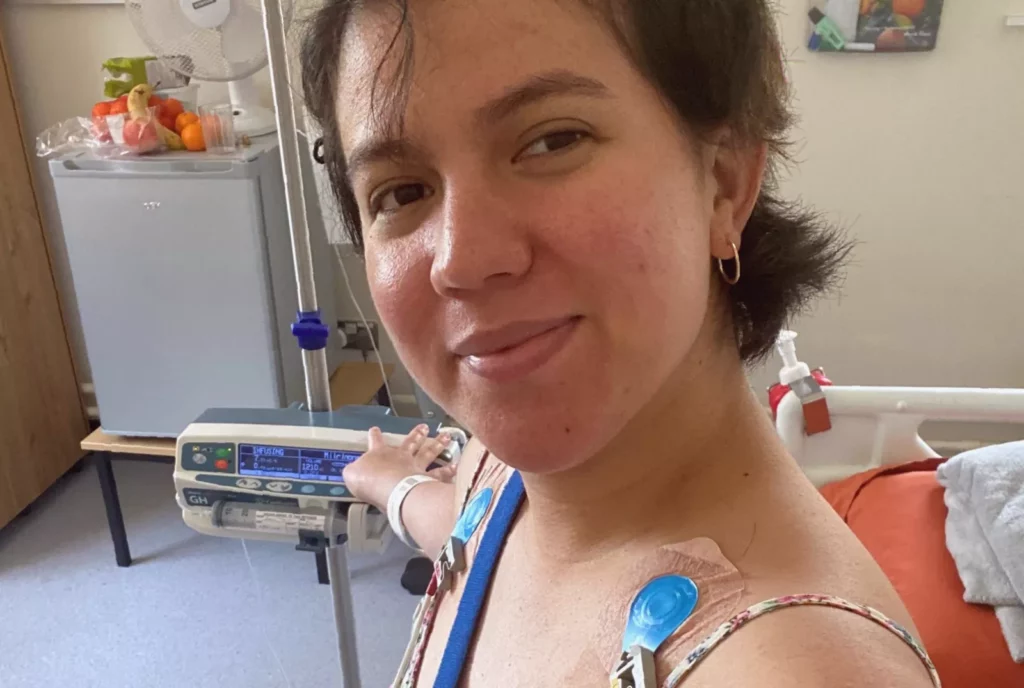
    Three women who received life-saving heart transplants have donated their own diseased hearts to medical research, with the organs now being used in landmark studies that could bring scientists closer to a cure for heart failure. Katie James, Kara Terol and Hannah Sharma each underwent transplants before the age of 35 and have spoken publicly about their decision to give their old hearts to science.

    The donors

    Hannah Sharma, now 35, was 28 when she had her transplant – the youngest of the three. An events manager from Hadlow Down in Sussex, she was diagnosed with dilated cardiomyopathy, a condition in which the heart’s main pumping chamber stretches and thins, making it harder to pump blood effectively. The condition is believed to have been triggered by a virus. “That heart wasn’t what makes me ‘me’, and I was happy to give it to scientists who needed it,” she said. “I just hope it can help others, so that fewer transplants are needed in the future.”

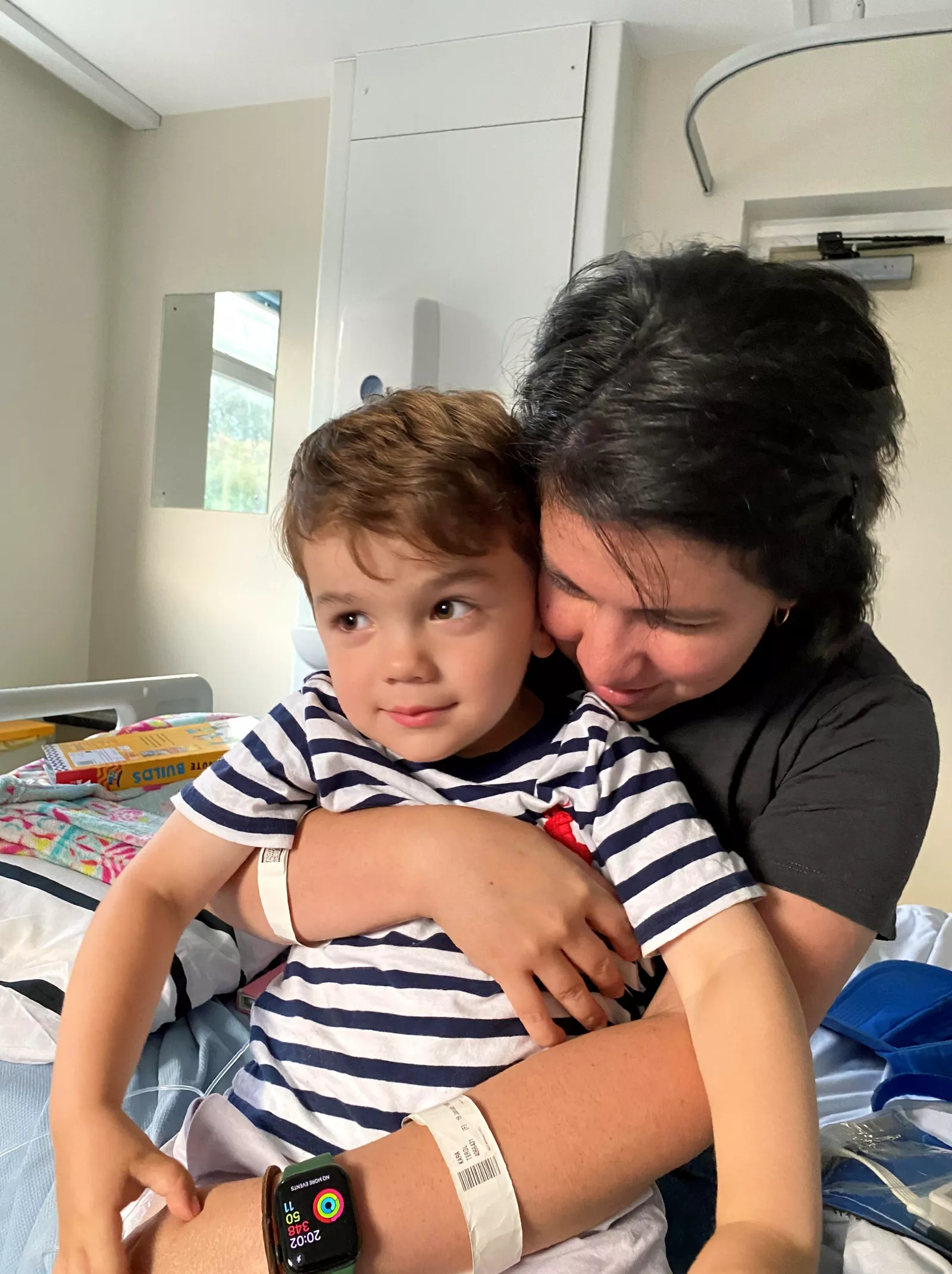
    Kara Terol, now 38, was diagnosed with restrictive cardiomyopathy – where part of the heart becomes stiff – during pregnancy. She had experienced symptoms for years but put them down to asthma. Her son George was born in 2018, but three years later she was told the strain on her lungs meant she needed a new heart. “The donor who gave me my heart helped me more than anyone ever could, and so I wanted to pass that help on with my own heart,” she said.

    A diseased heart valve being prepared for stem cell research

    Katie James received her transplant a decade ago at the age of 32. She had been diagnosed with arrhythmogenic cardiomyopathy when she was just 20 – a rare genetic condition that causes the heart muscle to weaken because the heart cells do not stick together properly. Now 41, she said: “I had absolutely no hesitation about donating my heart to help advance medical knowledge. It is simple – I wouldn’t be here without science and research, so it is the least I can offer. I didn’t say no to donating my heart, and I don’t say no to very much now. As I tell people, you only live once – or you only live twice, as I feel I have done after getting my new heart.”

    How the hearts are advancing research

    Tissue from all three women’s hearts has been used in a major heart failure study at Imperial College London, funded by the British Heart Foundation. The research focuses on a protein called SERCA, which is lacking in people with heart failure – causing the heart to beat more weakly. Scientists working on the project were able to add the protein back into heart cells provided by living donors, making them beat more strongly in a lab dish. If the findings can be replicated in humans, it could pave the way for treatments that reduce symptoms such as tiredness and breathlessness. A new study, also funded by the British Heart Foundation and taking place at Imperial College London and Royal Brompton Hospital, will test a gene therapy designed to deliver the SERCA2a protein directly to heart cells. The approach builds on more than two decades of research into the protein’s role in heart muscle contraction.

    The hearts of Ms Sharma and Ms James have also helped Imperial College London scientists move closer to creating lab-grown heart valves. Current options for patients are limited: mechanical replacements require lifelong drugs to prevent clotting, while biological valves made from animal tissue typically fail within 10 to 15 years. Researchers are also exploring the possibility of growing heart valves from stem cells, which could provide personalised replacements that last much longer.
    Medical researchers analysing electrical signals from donated heart cells

    Elsewhere, tissue from the hearts of Ms Terol and Ms James has been studied to understand how cardiomyopathy disrupts the organ’s normal electrical signals. By identifying the specific damaged cells that cause the most disruption, researchers hope to develop more targeted treatments for the disease.

    ‘Extraordinary living heart donors’

    Professor Bryan Williams, chief scientific and medical officer at the British Heart Foundation, praised the women’s contributions. “Giving the gift of an organ donation is an incredible act, and yet we rarely talk about the extraordinary living heart donors,” he said. “Their decision to donate their heart for research opens the door to discoveries that can only be made through examination of real human tissue, allowing researchers to identify the cause of heart diseases, test new ideas and refine treatments. We cannot thank these people enough for the vital part they play in driving scientific innovation and progress.”

    A biobank storage facility preserving donated heart tissue for studies

    Dr Najma Latif, who has led the lab-grown valve research, said: “These people make discoveries possible that would otherwise never be achieved, which can transform the lives of others.”

    The Heart, Lung and Critical Care Biobank at Royal Brompton and Harefield Hospitals oversees the storage of tissue from heart donors. Its manager, Harshil Bhayani, said: “These contributions are more than samples – they represent a lasting legacy that supports progress in research and benefits future generations.”

    Asthma Gene Therapy Hospitals Stem Cells
    Share. Facebook Twitter LinkedIn WhatsApp Telegram
    Sophie Hargreaves
    Sophie Hargreaves

    Health Correspondent
    Sophie Hargreaves covers medical research, new treatments, disease outbreaks and prevention for Health News Daily. She holds a Master's degree in Health Sciences from the University of Leeds and has spent several years translating complex medical science into clear, accessible reporting for a general audience. Sophie focuses on the latest clinical trials, NICE and MHRA approvals, vaccination programmes and emerging health threats, always with an eye on what these developments mean for people in the UK.
    · MSc Health Sciences (University of Leeds), science communication volunteer, medical research literacy
    · Clinical trials and drug approvals (NICE, MHRA), cancer screening programmes, vaccination and outbreak response, women's health (endometriosis, PCOS, menopause), weight management treatments, AI in diagnostics

    Related Posts

    Treatment & Research

    Woman, 24, had 12 Botox vials injected into face for non-cosmetic reason

    4 July 2026
    Treatment & Research

    Statins: the purpose and risks of cholesterol medication

    3 July 2026
    Treatment & Research

    Extreme fatigue from Long Covid hampers business owner’s ability to run firm

    3 July 2026
    Treatment & Research

    Five-minute habit can cut cancer risk by more than 20%

    2 July 2026
    Join Our Community & Win

    Each month we select one lucky follower to receive a prize from our partners. Follow us on our social channels for your chance to win.

    • Facebook
    Latest
    Disease & Prevention

    South-east England forecast to reach 34C as week-long heatwave hits

    4 July 2026
    Treatment & Research

    Woman, 24, had 12 Botox vials injected into face for non-cosmetic reason

    4 July 2026
    NHS

    British Medical Association may lay off up to a third of employees amid financial crisis

    4 July 2026
    Wellness & Lifestyle

    Weight-loss drugs become new battleground after Brexit rows

    4 July 2026
    Wellness & Lifestyle

    Hair transplant surgeon champions specific shampoo routine for greater volume and shine

    4 July 2026
    Disease & Prevention

    French fatalities jumped 30% during peak week of record June heatwave

    4 July 2026
    News Categories
    • NHS
    • Health Policy
    • Mental Health
    • Wellness & Lifestyle
    • Disease & Prevention
    • Treatment & Research
    Help
    • About Us
    • Contact Us
    • Advertise With Us
    • Health Explainers
    • Our Editorial Team
    About Us
    About Us

    Health News Daily provides trusted UK health news, covering NHS updates, medical research, public health and wellbeing with clear and reliable reporting.

    Facebook
    • Cookie Policy
    • Privacy Policy
    • Complaints Policy
    • Corrections Policy
    • AI Disclosure Policy
    • Editorial Policy & Ethics
    • Accessibility Statement
    • Medical Disclaimer
    • Terms & Conditions
    • Sponsored Content Disclosure
    • Copyright Notice
    © 2026 Healthnewsdaily.co.uk. All rights reserved.

    Type above and press Enter to search. Press Esc to cancel.