

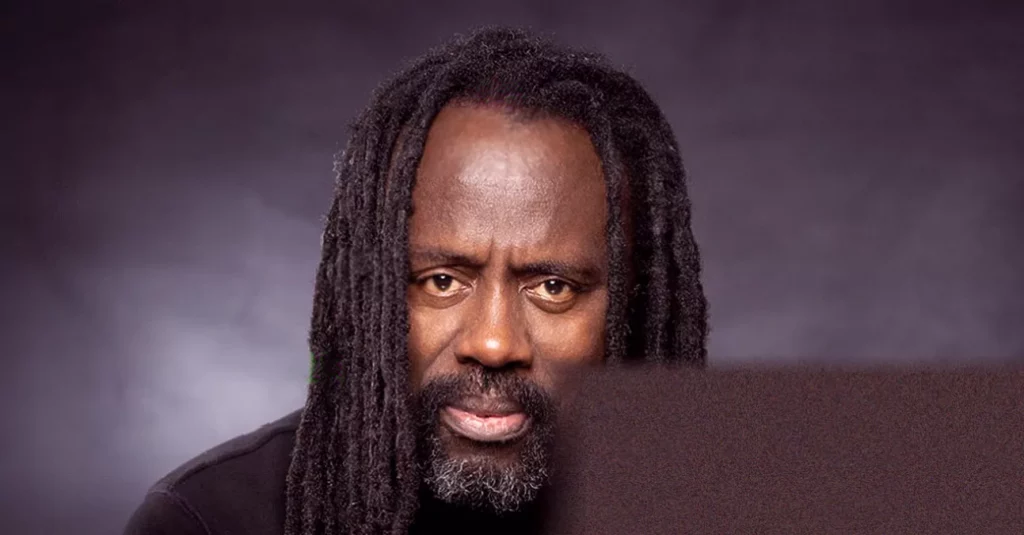
On 21 February 1986, Paul Boakye was diagnosed with HIV. He was 22 years old, and the news came on the day of his sister’s 21st birthday. Now, nearly four decades later, he is one of the rarest individuals living with the virus: an “elite controller” who has kept HIV naturally undetectable without ever needing long-term antiretroviral therapy.
Boakye had gone to a sexually transmitted diseases clinic in Chelsea that afternoon to pick up test results. He had only heard of HIV or AIDS a week or so earlier. The diagnosis came after his ex-partner, Colin, had tried to kill himself and was found to be HIV-positive during an emergency blood transfusion. Boakye had ended their three-year relationship shortly before. Doctors initially told him he would not live to see 30. Colin died in 1993, and Boakye has lost many friends to the epidemic.
After the diagnosis, Boakye dropped out of Birmingham University. “What was the point of uni?” he later recalled. Instead, with a grant from the Prince’s Youth Business Trust and a Shell LiveWire award, he set up the BetterDays card company, producing greetings cards for ethnic minorities.
In 1991, his consultant suggested he join a trial of the new antiretroviral drug Azidothymidine (AZT). Boakye did not know whether he was receiving the real drug or a placebo, but soon became overwhelmed by the smell of chemicals oozing from his pores. “I’m sorry, but I can’t do this,” he told the doctor. “What have they put in these pills?” It was the first time he had questioned a physician’s authority. He stopped taking the tablets.
Throughout the 1990s, regular screenings showed no symptoms of HIV and no need for medication. By 1996, when doctors could measure how much virus was in the blood, Boakye was already “undetectable”.
A rare medical phenomenon
Boakye is what scientists call an “elite controller” or “long-term non-progressor” — an individual whose immune system can suppress HIV replication to undetectable levels without the help of antiretroviral drugs. Such people are exceptionally rare: fewer than 0.05% of all people living with HIV, according to research cited in the original report, and less than 1% of all those infected. They typically maintain a high CD4 count, a marker of immune strength.
Studies suggest elite controllers are more often female and may be more common in African populations, though the evidence is limited because HIV research has historically enrolled disproportionately white male participants. Genetic factors are also thought to play a role: specific human leukocyte antigen (HLA) alleles, such as HLA-B27 and HLA-B57, have been linked to natural control of the virus. Scientists are studying these individuals to understand how their bodies keep HIV in check, hoping that the mechanisms can be replicated in therapeutic vaccines or lead to a functional cure.
Boakye has a profound sense of survivor’s guilt. “I have lived long enough to have seen whole communities vanish,” he said, adding that the moral weight of surviving a plague relatively unscathed has propelled him to help science. Doctors have said they believe he is the longest documented case of someone living undetectable without antiretroviral drugs.
In 2025, Boakye reached out to teams researching HIV reservoirs and elite control. He is now collaborating with Imperial College London, Harvard University and the Erasmus MC HIV Eradication Group in the Netherlands. He is involved in the IDRIS (Indeterminate Retrovirus Infection Service) project, based at Imperial College, which aims to understand how elite controllers maintain viral suppression without treatment, and the VIRIAS project, which explores immune and viral correlates of natural HIV control. Both studies analyse blood samples and immune cells to understand where HIV hides in the body when it is undetectable in blood or semen, and why some people can control it without medication.
Boakye also works producing sexual health promotion material for organisations targeting young people, African communities, and men who have sex with men. He is the author of plays including Boy With Beer, which premiered in 1992 and explored a love affair between two Black men, touching on prejudice, machismo and HIV/AIDS.
Reflecting on his extraordinary health, Boakye said: “Being undetectable and unaffected by HIV for more than four decades has often felt like running naked through a house on fire – and somehow not getting burnt. I recognise this medical miracle for what it is and I am forever thankful. Every breath feels like resistance, and a reminder that I have more to give.”