

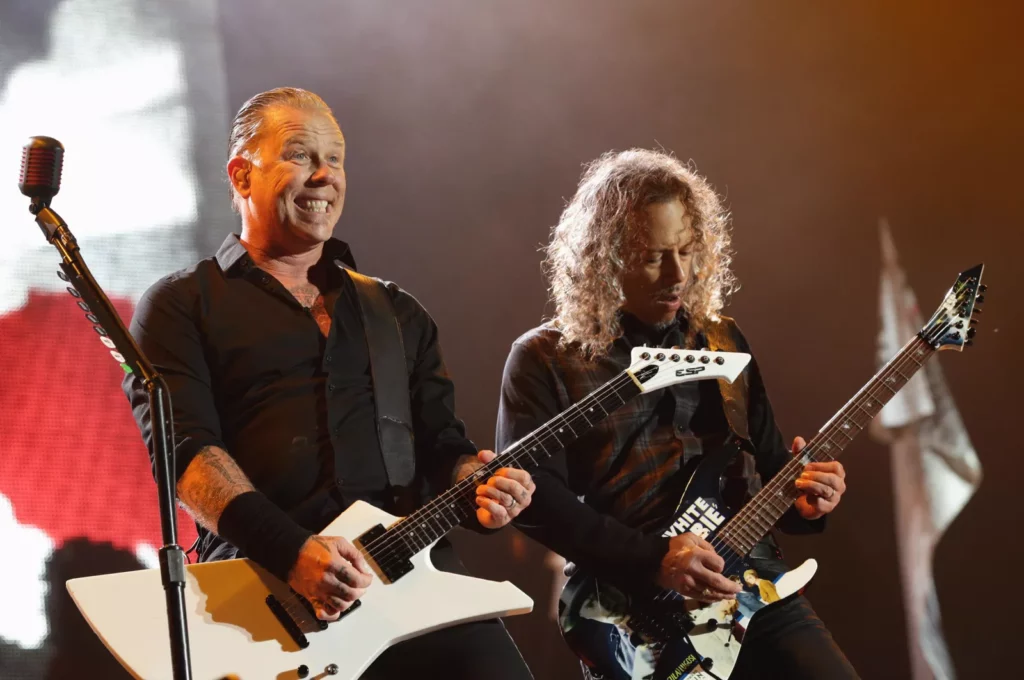
Metallica are urging their UK fans to roll up their sleeves and donate blood before the band’s upcoming British tour dates, in a first-of-its-kind partnership between the heavy metal giants and the country’s blood services.
The American rock veterans, who are bringing their M72 World Tour to the UK in June and July, have called on supporters to give blood and plasma at donation centres around the shows. The campaign is being run jointly by the Welsh Blood Service, NHS Blood and Transplant (NHSBT) in England, and the Scottish National Blood Transfusion Service.
“Wherever we go on tour, we want to give something meaningful back to the communities that welcome us,” a spokesperson for the band said. “We’ve seen in the United States and Australia how working with blood services can help raise awareness of blood donation and support patients, and we’re excited to bring that same approach to the UK.”
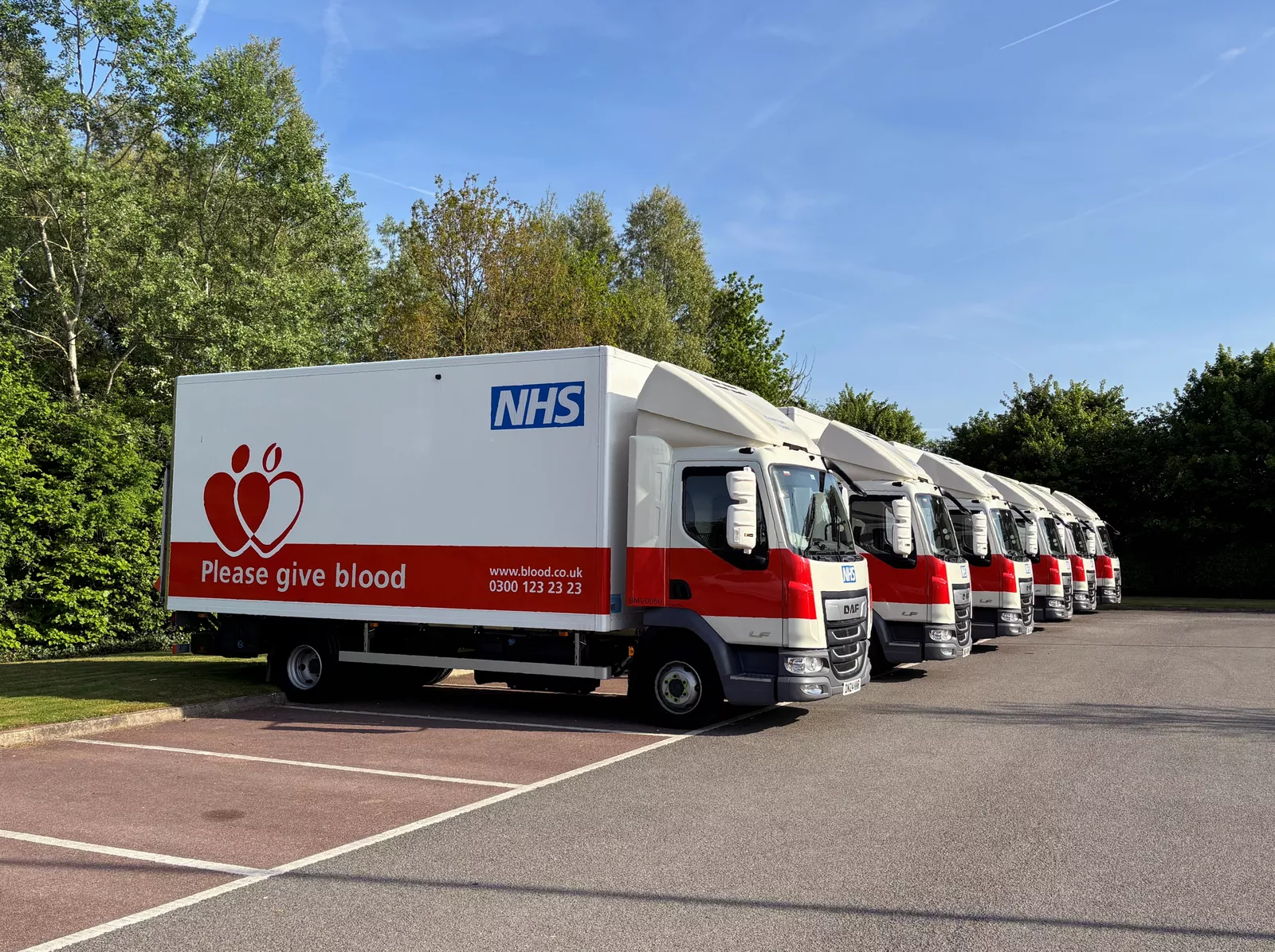
The band will play at Glasgow’s Hampden Park on 25 June, the Principality Stadium in Cardiff on 28 June, and two dates at the London Stadium on 3 and 5 July. “As we close out the European leg of the M72 World Tour in the UK, we’re asking fans to step up and be part of something bigger than the show,” the spokesperson added. “Looking out for one another and supporting those who rely on donated blood every day is a simple act that can make a powerful difference.”
The collaboration follows similar initiatives in the United States, where Metallica’s partnership with the American Red Cross collected more than 25,000 blood donations during the M72 World Tour, and in Australia, where the Australian Red Cross Lifeblood recorded a surge of 8,800 donors in the first week alone. Australian donors received a limited-edition t-shirt designed by the band’s artist SQUINDO, featuring the lyric “A Sea of Hearts Beat As One.”
Why blood donations are constantly needed
UK blood services have stressed that the need for blood is unceasing because it has a shelf life of just 35 days. Each donation can save up to three lives, with blood used to treat trauma victims, cancer patients, new mothers, and individuals living with long-term conditions such as sickle cell disease.
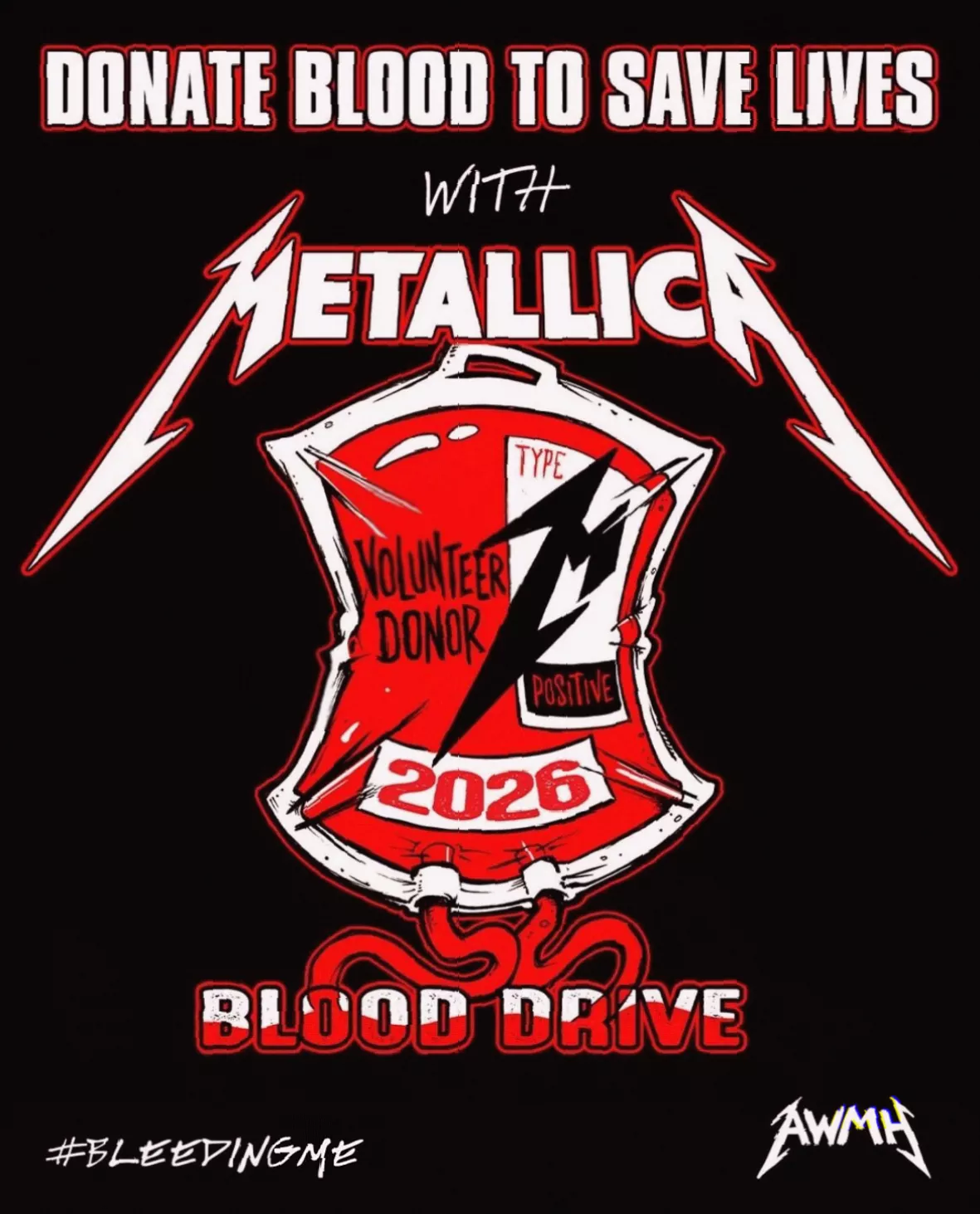
In the UK, donation is always voluntary and unpaid. Alan Prosser, a spokesman for the Welsh Blood Service, described the partnership as “a truly unique moment for blood donation across the UK. Partnering with a band of Metallica’s global reach allows us to connect with new audiences and shine a spotlight on the ongoing need for blood. Just as metal music runs strongly through Metallica fans’ veins so does the blood which gives the power to save up to three lives with every donation.”
Despite the life-saving potential, donation rates remain low. In Wales, approximately three percent of the eligible population donates blood. In Scotland, the number of active donors has fallen to its lowest level this century, with less than three percent of the eligible population giving blood. The Scottish National Blood Transfusion Service is aiming to increase its active donor base from 95,000 to 105,000, with a particular focus on attracting donors aged 17-24. Nationally, NHS Blood and Transplant reported 341,630 new registrations and 166,311 first-time donations in the 2024-2025 period.
In June 2021, the ‘For the Assessment of Individualised Risk’ (FAIR) project was introduced, making blood donor guidelines more inclusive by assessing donors individually based on health and behaviours rather than broad identity categories. The change has benefited the LGBTQ+ community and donors of Black African heritage, and also helps address the need for rarer blood types, such as those required for sickle cell disease.
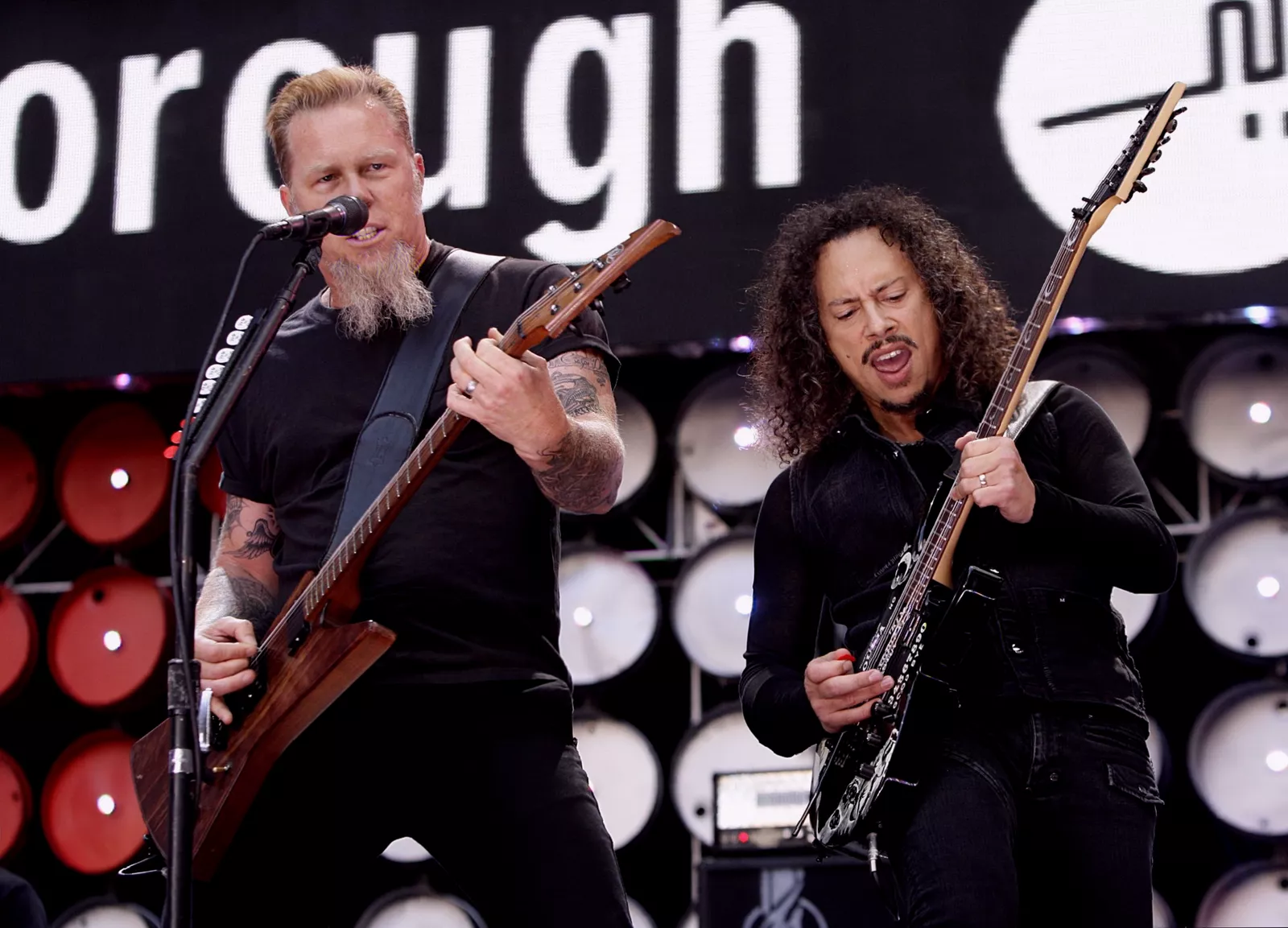
Gerry Gogarty, director of blood supply for NHSBT, said: “Metallica are experts at raising the volume – and by calling on their millions of fans around the world to become regular blood donors, they are helping to boost life-saving blood stocks too.”
Metallica’s philanthropic arm, the All Within My Hands foundation, has raised more than $20 million since its inception, supporting education programmes, combatting food insecurity, and disaster relief. Prosser added: “Donation is always voluntary and unpaid in the UK, so every person who chooses to give makes a real difference to patients and families in need. We’re proud to be part of a collaboration that brings people together to save lives.”