

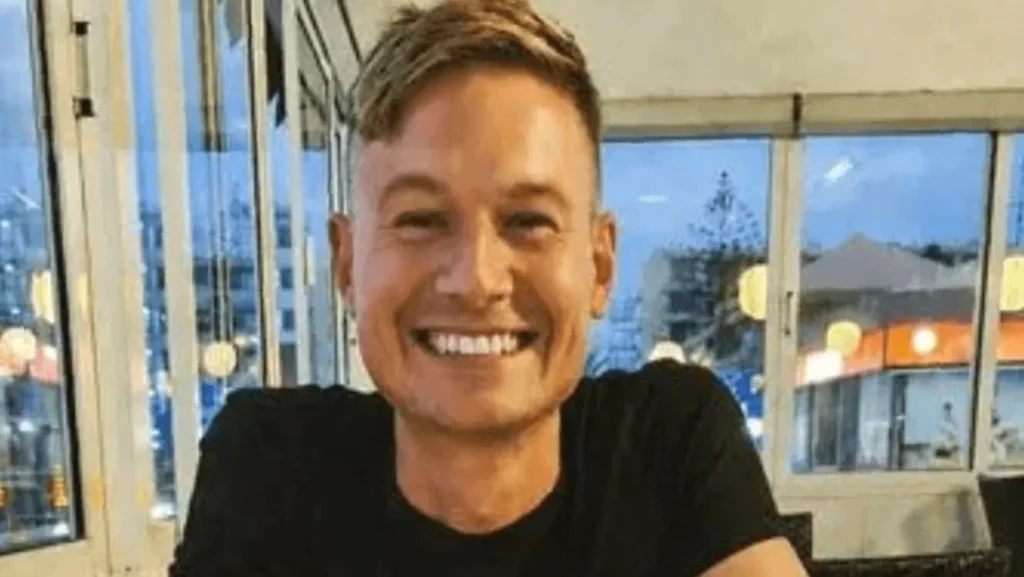
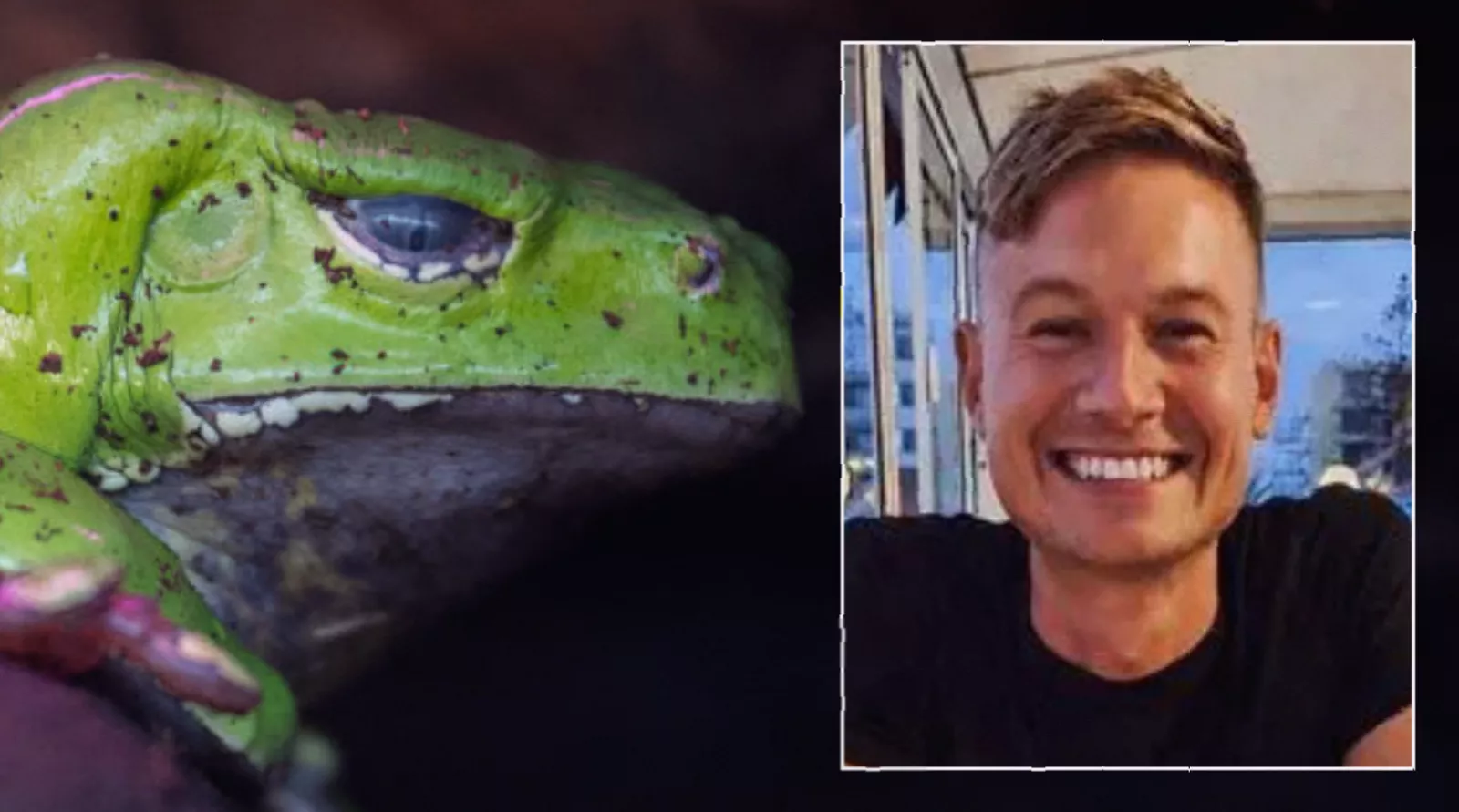
A 40-year-old wellness coach has become the first known British person to die after taking part in a ritual involving the poisonous secretion of an Amazonian frog, an inquest is expected to hear. Kristian Trend collapsed during a so-called “cleansing” ceremony at a property in Leicester on 11 April and was treated by paramedics at the scene in the Clarendon Park area before dying in hospital. His mother, Angie Trend, has spoken of her devastation and called for the substance to be outlawed, telling reporters that her son had told her he was going to “cleanse himself”. Mr Trend had previously recovered from Burkitt lymphoma, a rare and aggressive form of cancer he was diagnosed with at the age of 23, spending four months in hospital after doctors gave him six months to live without intensive treatment.
The Ritual and the Substance
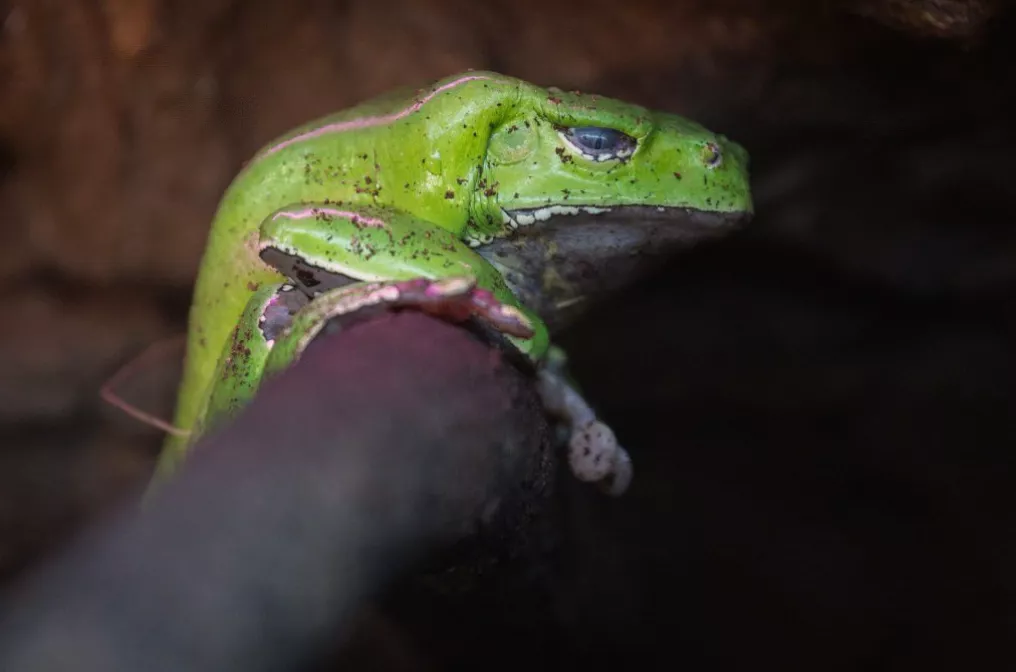
The substance at the centre of the incident is Kambo, a secretion from the giant leaf frog (Phyllomedusa bicolor). Traditionally used by indigenous communities in the Amazon basin for centuries in purging rituals, fertility ceremonies and by hunters to enhance stamina, sharpen senses and bring good luck, it has gained popularity across Europe as an alternative therapy. The secretion is extracted by restraining the frog until it becomes stressed enough to release defensive peptides, which are then dried for later use. In traditional administration, small blisters are burned into the skin and the dried secretion is applied directly into the wounds. Western practitioners market Kambo as a wellness treatment promising transformative health benefits, including detoxification, improved mental clarity, emotional balance, and relief from conditions such as anxiety, depression and chronic pain. Proponents claim it purifies the body of toxins and negative energy. However, no scientific evidence supports these assertions. The secretion contains bioactive peptides — including dermorphin and deltorphin, which have opioid-like properties and are being researched for potential therapeutic benefits such as pain relief.
Health Claims and Risks
Despite the absence of robust evidence for its alleged benefits, the health risks associated with Kambo are well documented. The substance can induce severe and immediate physiological reactions: intense nausea, vomiting, diarrhoea, profuse sweating, rapid heartbeat (tachycardia), low blood pressure and facial swelling. More severe reactions include kidney failure, liver damage, seizures, psychosis and death. An additional risk arises from the common practice of drinking large quantities of water before or during the ritual, which can lead to hyponatremia — dangerously low sodium levels in the blood — and trigger seizures. The substance is not a licensed medicine in the UK and is not regulated by the Medicines and Healthcare products Regulatory Agency (MHRA). Its legal status is considered a grey area: while it is not explicitly prohibited to possess, use, sell or supply Kambo in the UK, carrying a knife — often included in Kambo kits — is a crime without a reasonable excuse. Several other countries have taken a far stricter approach. Australia’s Therapeutic Goods Administration classified Kambo as a Schedule 10 poison in 2021, a category reserved for substances deemed too dangerous for any sale or use. It is also illegal to sell or market in Brazil, and has been banned in Chile.
Investigation and Aftermath
Leicestershire Police were alerted to reports of a man becoming unwell at a property on Queens Road on 11 April. A 41-year-old man was subsequently arrested on suspicion of administering poison and released on bail while investigations continue. The Leicestershire Coroner has been informed, and an inquest is expected once toxicology results are awaited. A Government spokesman said: “Our thoughts are with Mr Trend’s family and loved ones. Any substance that poses a risk to public health or safety will be kept under review.” Mr Trend, who had launched a plant-based energy drink called Feel Good Polys after extensive travels through India and Asia following his cancer recovery, posted on Facebook just 48 hours before his death encouraging followers to embrace daily walks for better health. More than 200 mourners attended his funeral, with friends describing him as a “beautiful human being” who left lasting impressions on everyone he met. His family has established a fundraising campaign for Loros hospice in Leicestershire, where his father Michael died, and hopes to sell remaining stock of his energy drink to support the charity. Angie Trend said of her son’s cancer survival: “That’s the worst part. He was in hospital for four months and got through that and for this to happen is just awful.” According to survival data, the five-year survival rate for Burkitt lymphoma in patients aged 20 to 39 is around 50 to 60 per cent, dropping to 45 per cent for those aged 40 to 59 — improvements attributed to advances in chemotherapy and treatments such as Rituximab.