

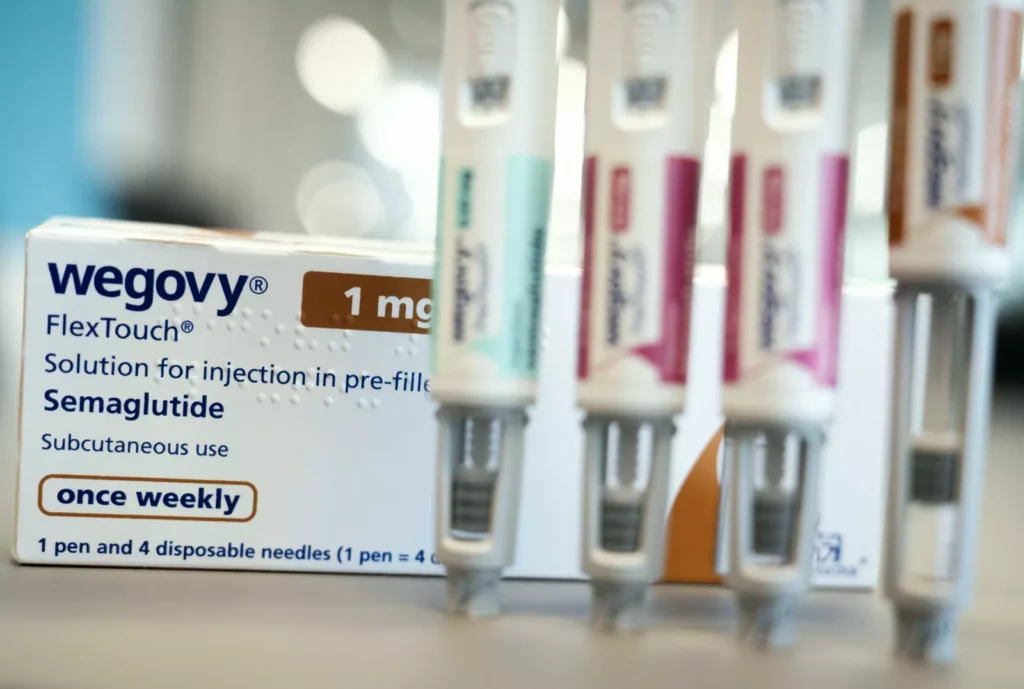
Weight-loss drugs may offer a double benefit for patients with common chronic conditions, new research suggests, with evidence linking them to a significant reduction in asthma flare-ups and a drop in the use of migraine medication.
Asthma exacerbations reduced by more than a quarter
Researchers in Denmark analysed health registry data covering more than 27,500 people who had been prescribed both a glucagon-like peptide-1 receptor agonist (GLP-1RA) medicine — the class that includes Wegovy — and inhalers for asthma. The study, presented at the European Congress on Obesity (ECO) in Istanbul, found that use of GLP-1 drugs was associated with a 26% reduction in the number of asthma exacerbations and a 14% decrease in the use of reliever inhalers.
The authors concluded that the drugs were linked to significant reductions in the overall burden of asthma attacks, the need for reliever medication, exposure to inhaled corticosteroids, and the number of pneumonia events. These improvements held true regardless of whether the patient was taking the GLP-1 medicine for obesity or for type 2 diabetes.
Dr Kjell Erik Julius Hakansson, one of the study’s authors from Copenhagen University Hospital, said weight loss itself was likely to be a major driver of the results. “A common symptom in both asthma and obesity is shortness of breath, and the presence of excess fatty tissue creates a pro-inflammatory state in the body in general,” he explained.
Obesity is known to worsen asthma outcomes and has a causal role in the development of adult-onset asthma by promoting inflammation throughout the body and in the airways. Hormones released by fat cells, such as leptin, can stimulate immune cells and increase the production of pro-inflammatory proteins, which may affect the lungs. Obesity also alters immune responses in a way that can reduce the effectiveness of standard corticosteroid treatments.
Previous research has demonstrated that weight loss in obese individuals with asthma can lead to a 48%–100% remission of asthma symptoms and a reduced need for medication. While improvements in lung function and airway responsiveness have been observed following weight loss, consistent changes in markers of airway inflammation such as exhaled nitric oxide have not always been seen, suggesting the anti-inflammatory effects of GLP-1 drugs may go beyond simple weight reduction.
Preclinical and early clinical studies have indicated that GLP-1 receptor agonists may have direct anti-inflammatory and immunomodulatory properties independent of their metabolic benefits. Research presented at the 2026 AAAAI Annual Meeting, for instance, found that GLP-1 initiation was associated with a reduced risk of asthma exacerbation for overweight, obese and morbidly obese patients without diabetes. For adolescents who are overweight or obese and have asthma, starting a GLP-1RA was linked to fewer asthma exacerbations, fewer emergency department visits for asthma, and a reduced need for systemic corticosteroids and short-acting beta-agonists.
Migraine medication use declines in women
A separate analysis from the same Danish research group examined health registry data on nearly 150,000 people who started taking Wegovy between December 2022 and June 2024. Of these, about 6,800 had been prescribed triptan-class migraine medication in the year before beginning treatment.
The researchers found that among women with a history of migraine, use of Wegovy for weight management was associated with a 7% reduction in the use of triptans one year after starting the drug. The effect was slightly stronger when examined only in women, showing an 8% decrease, while no significant change was observed in men. The authors noted that after women started Wegovy, the use of migraine medicines began to decline gradually over the course of the first year.

These findings add to a growing body of evidence linking GLP-1 drugs to migraine relief. In a separate real-world study involving more than 34,000 women, semaglutide was associated with a 42%–45% lower risk of developing migraines starting six months into treatment, compared with women using menopausal hormone therapy alone. That same study also reported a 25% lower risk of depression among those taking semaglutide.
Obesity is known to be linked with both higher frequency and greater severity of headache attacks in people who already suffer from migraines, and weight management strategies are increasingly being considered as part of migraine treatment plans for obese patients. The relationship between migraine and obesity may involve physiological, psychological and behavioural mechanisms, many of which are affected by weight loss. Some research suggests that semaglutide may reduce intracranial pressure, leading to accompanying reductions in headache frequency and severity. However, clinicians note that some patients report new or worsened headaches, particularly in the early weeks of treatment.
How weight loss itself may drive the improvements
Dr Hakansson, commenting on the asthma findings, emphasised that the weight loss achieved with GLP-1 drugs is “a major contributor” to the observed results. “There’s also evidence from other studies suggesting that the inflammation caused by excess adipose tissue is distinct from the ‘classic’ asthma inflammation which often is driven by allergies or cells called eosinophils,” he said. “As the use of GLP-1 therapies increase, researchers are finding an increasing number of effects outside of weight loss.”
The drugs, originally developed for type 2 diabetes, are already prescribed in England to reduce the risk of heart attacks and strokes in eligible patients. The National Institute for Health and Care Excellence (NICE) recommends semaglutide for weight management in adults who have at least one weight-related condition and a body mass index of 35 kg/m² or higher. In exceptional cases, it may be considered for those with a BMI between 30 and 34.9 kg/m² if referred to specialist services.
Wegovy is available through the NHS under these strict criteria, or through private programmes where costs vary. Pharmacy-only services typically charge between £90 and £130 for starting doses and £180 to £240 for maintenance doses, while programme providers may charge £130 to £299 depending on the dose and what is included.
The Medicines and Healthcare products Regulatory Agency (MHRA) has updated its guidance to highlight a small risk of severe acute pancreatitis associated with GLP-1 receptor agonists. Patients experiencing severe, persistent abdominal pain that radiates to the back, accompanied by nausea and vomiting, are advised to seek urgent medical attention. Other common side effects include nausea, vomiting, diarrhoea, constipation, stomach pain, headache, fatigue, dizziness, bloating, heartburn, gas, burping, hair loss and injection-site reactions. Side effects are often more likely at higher doses and may return or worsen when the dose is increased, though most are mild and tend to resolve as the body adjusts.
The MHRA has not assessed the safety or effectiveness of these medicines when used outside of their licensed indications, and the drugs remain prescription-only. Patients taking GLP-1 medicines are advised to inform their healthcare team before undergoing surgery, because the medication slows stomach emptying, increasing the risk of aspiration during anaesthesia.