

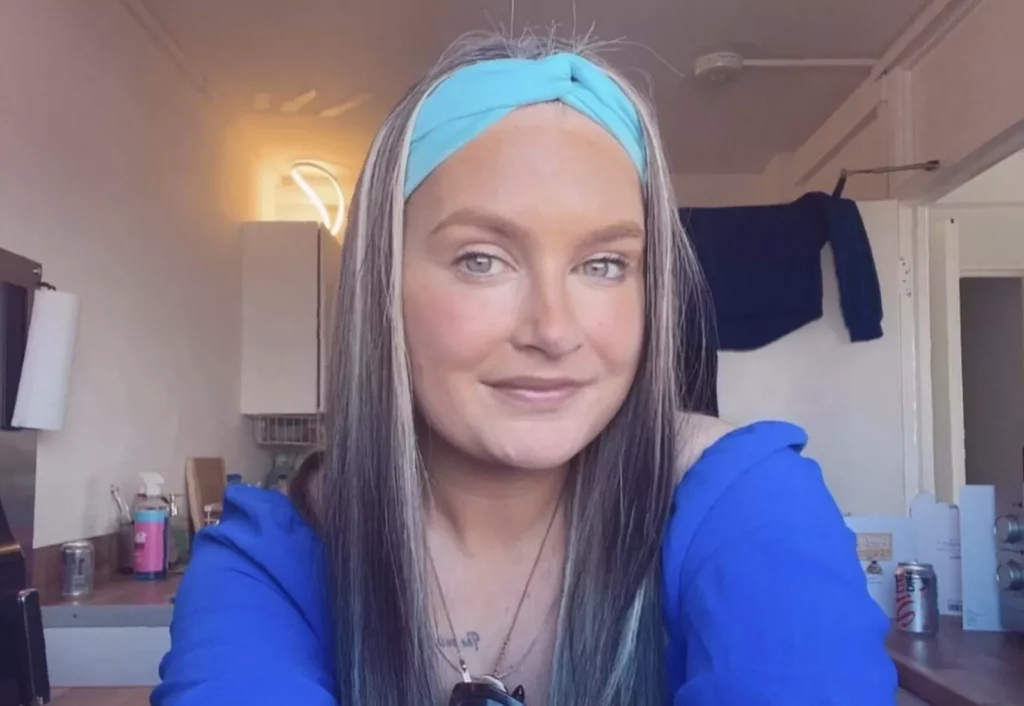
Opioid poisonings in the UK have risen 21% in five years, according to the latest figures from the Office for National Statistics. The surge comes as drug-related deaths in England and Wales hit a record high of 5,565 in 2024, with opiates involved in nearly half of all fatalities. One woman who understands the devastating trajectory from prescription painkiller to street drug is Caitlin Atkins, a 32-year-old mother from Birmingham whose addiction began at 16 with a legitimate medical prescription.
Caitlin was diagnosed with polycystic ovary syndrome (PCOS) as a teenager after experiencing stomach problems. PCOS affects around one in ten women in the UK, though health data suggests only about half of those meeting diagnostic criteria have a recorded diagnosis. The condition has become more common over time, with incidence rates rising from 1.22 per 1,000 person‑years in 2004 to 2.20 in 2019. “I was admitted to hospital where I was given tramadol for the first time,” Caitlin said. “It did start with a legitimate health issue.”
She was also prescribed codeine phosphate to manage the pain. “It didn’t take me long to start abusing my prescriptions,” she admitted. Within months of starting, she was taking a month’s supply in just two to three days. “I would pop them like sweets,” she said. “I had built up such a tolerance that taking the tablets wouldn’t even do anything, they’d just make me feel normal.” To obtain more, she lied to doctors, claiming she was in pain or that she had lost her prescription. “The doctors were becoming aware of the fact I was saying I was losing prescriptions,” she added.
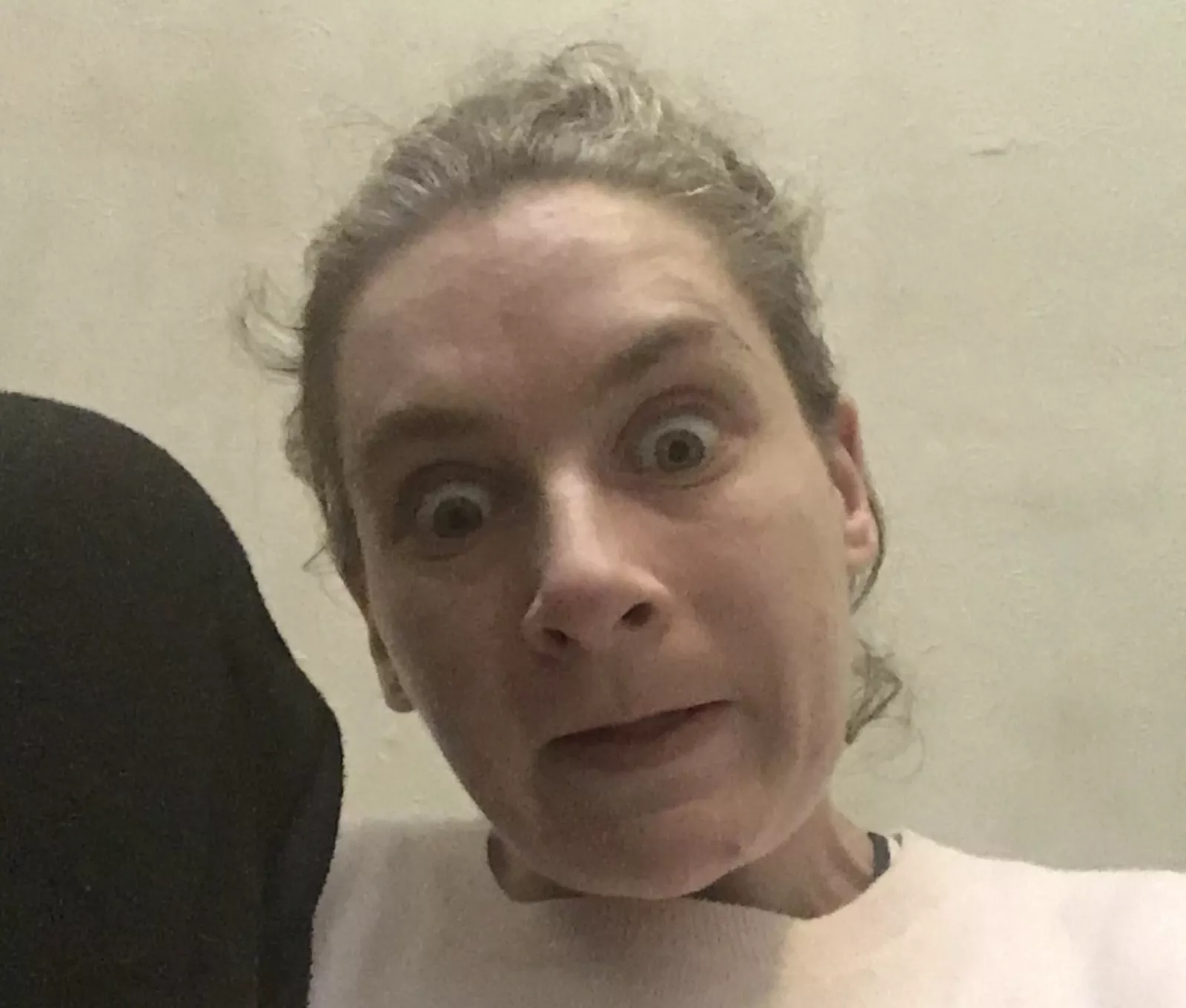
Tramadol, a potent opioid, carries a significant risk of addiction even when used as prescribed. NHS data shows tramadol prescriptions rose by 700% between 2006 and 2017. In 2022, 223 deaths from tramadol poisoning were recorded in England and Wales, the second‑highest number since records began. Codeine, the other opioid Caitlin took, is similarly addictive. Surveys indicate that 17.1% of UK adults show signs of codeine dependence, and the country saw its largest ever surge in codeine‑related deaths between 2019 and 2020.
By 2015, aged just 21, Caitlin’s tolerance had grown so high that she turned to heroin, spending up to £1,000 a day on the drug. “A friend introduced me to heroin but with that heroin use it commonly comes with crack cocaine use,” she explained. Crack cocaine use has risen 4.4% in recent years, and government figures estimate around 290,000 people in England use opiates, crack cocaine or both. In 2017‑2018, there was a 19% increase in the number of adults beginning treatment for crack cocaine. The drug is highly addictive, with its short‑lived intense high driving a rapid cycle of craving and use. “It was through crack cocaine and heroin I began hanging around with not very nice people,” Caitlin said. “I’d have black eyes and issues with dealers and it was absolute chaos.” She begged family members for money and spent her benefits to fund the habit. “I felt numb and broken,” she said.
Desperate for change, Caitlin moved to Lanzarote in May 2017, hoping a new location would fix her life. Instead, her addiction worsened. She took 56 co‑codamol tablets a day, obtained from a private doctor, and worked as a waitress. “I thought, where I was living at home, I thought the problems were associated with the people and the area and not with me,” she said. “I thought if I picked myself up and changed my location things would be fine and dandy.” She recalled “dropping things a lot” and not knowing how she “managed it”. In December 2017, her family flew out after a hostel worker messaged her mother, warning: “If somebody doesn’t come out and get her she’s going to die.” Caitlin had to be sedated to return home. “That was probably the most unwell I’d ever been, physically mentally and psychologically. It was really scary.”
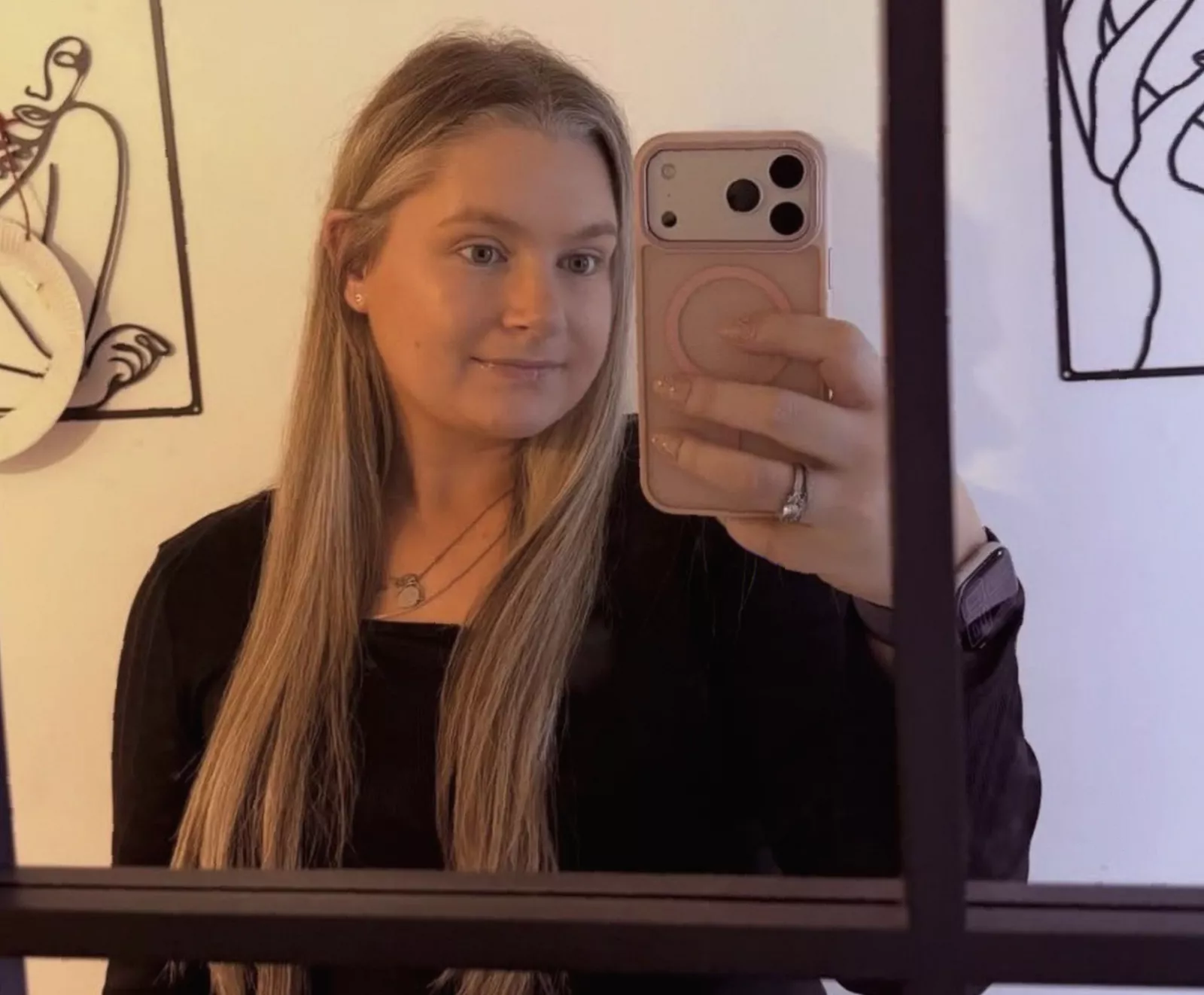
In 2021 she completed a twelve‑week rehab course but later relapsed. Then, in 2022, she fell pregnant. “This is a whole life that is going to be impacted by the decisions I make,” she remembered thinking. Her son, she said, “changed my whole entire life. I had to make better choices and it was a really turbulent time.” She has not used drugs since falling pregnant. “My son has saved me in so many ways and it was never his job to save me,” she said. “Don’t get me wrong, it’s not easy at times. Being a parent and a mother has been so self‑worth building for me and I just love that.”
The national picture of opioid and drug deaths
Caitlin’s experience reflects a wider crisis. The 21% increase in opiate poisonings over five years is part of a longer rise in drug‑related deaths that has continued annually since 2012. In 2024, 5,565 drug‑poisoning deaths were registered in England and Wales, the highest since records began in 1993. Opiates and opioids were involved in 47.1% of those deaths, with heroin and morphine the most frequently mentioned substances. Men accounted for two‑thirds of the fatalities, and rates remain highest among people born in the 1970s – the “Generation X” cohort now in their 40s and 50s.
Deaths involving cocaine rose by 14.4% in 2024, marking the 13th consecutive annual increase, while deaths from nitazenes – potent synthetic opioids – nearly quadrupled to 195. Over 261,000 adults in the UK use or abuse heroin annually, with a significant majority – 75% – also experiencing mental health disorders such as depression, anxiety or PTSD. For young people, 15.1% of those aged 16 to 24 in England and Wales reported using any drug in the past year – around 899,000 individuals – and between April 2022 and March 2023, 12,418 young people were in structured treatment for drug and alcohol issues.

Caitlin’s journey through the health system is also reflected in the data. Women with PCOS face significantly higher healthcare costs and prescription rates than the general population. Her progression from prescribed opioids to heroin and crack – and back to high‑strength codeine – mirrors patterns seen across the country, where legal prescriptions can be a gateway to illicit use.
Recovery and hope
For Caitlin, the birth of her son was the turning point that nothing else had provided. The responsibility of motherhood gave her the motivation to seek and maintain sobriety. “There is a way out and there’s hope,” she said. “Seek help and go there.” Her message is echoed in the experiences of many women who find that parenting can build self‑worth and sustain long‑term recovery, even in the face of relapse. Having stayed clean since 2022, Caitlin now speaks openly about her past, hoping others trapped in addiction will see that change is possible.