

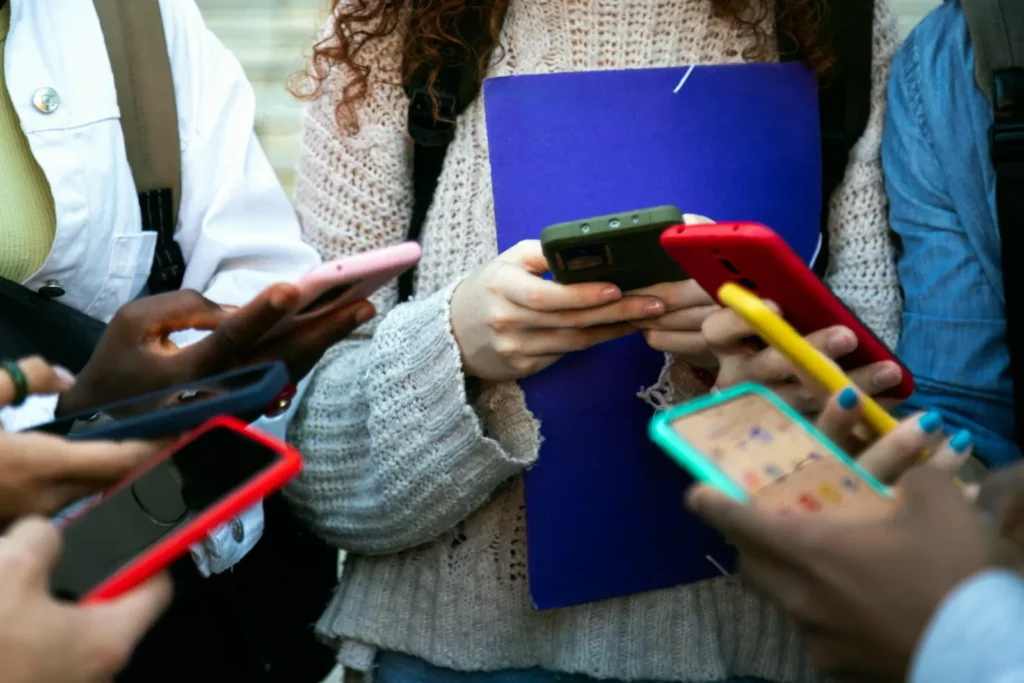
When a Lancashire schoolgirl was asked this week how she would cope without social media under the government’s planned ban for under-16s, her deadpan reply – “stare at a wall” – went viral. Many commentators seized on the reaction as precisely the evidence needed: a stark demonstration of how deeply platforms such as TikTok, Instagram and Snapchat have hooked young minds.
Ban and viral reaction
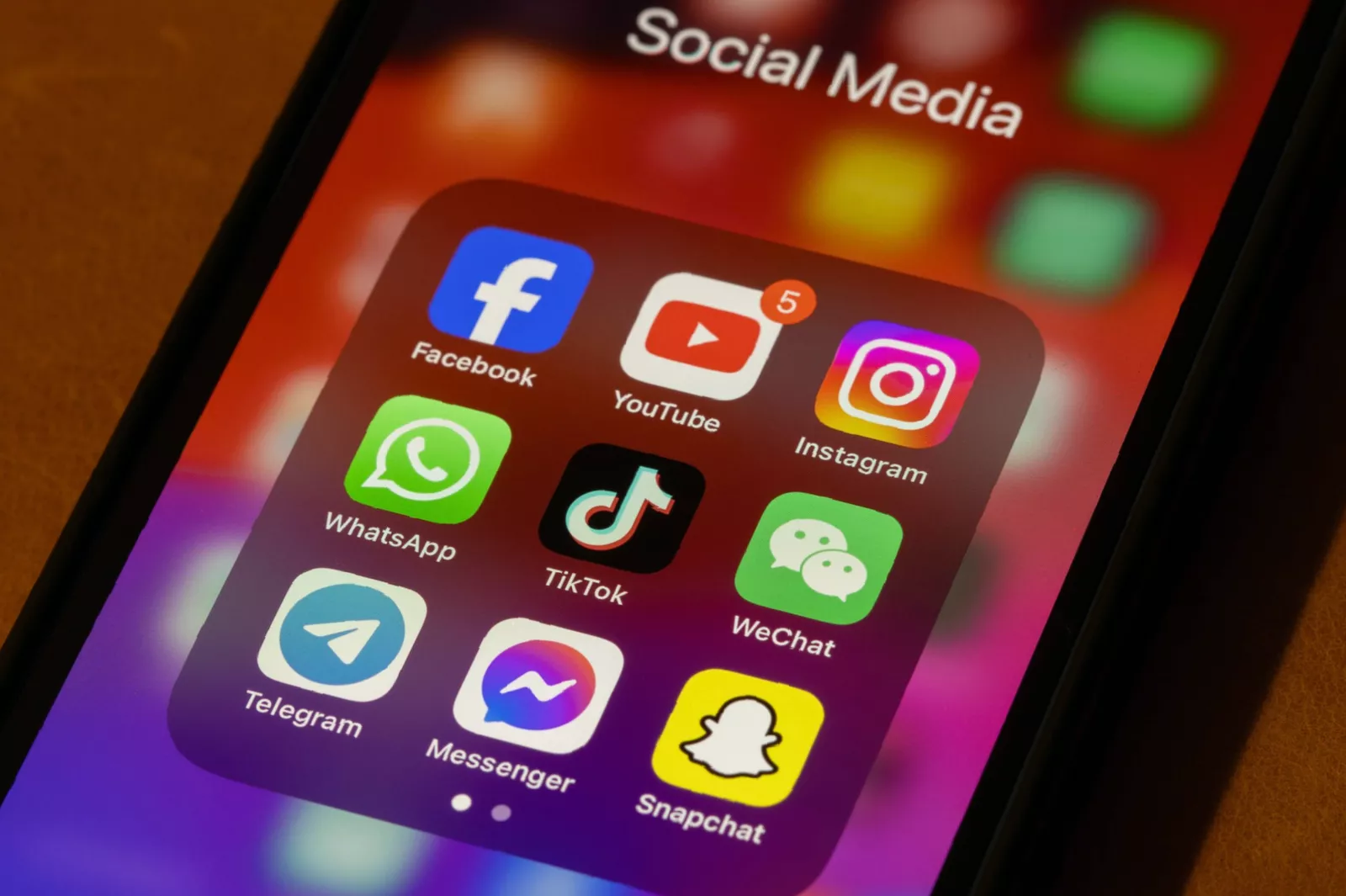
The ban, which is not expected to come into force until spring 2027, will apply to user-to-user platforms designed for social interaction and driven by algorithms. The government intends to lay the relevant regulations before Parliament by the end of 2026. Platforms such as Snapchat, TikTok, YouTube, Instagram, Facebook and X (formerly Twitter) will be covered. Messaging services WhatsApp and Signal will be exempt, as will YouTube Kids, Lego Play, Google Classroom and Pinterest.
Beyond the outright ban, the government is introducing “world-leading” restrictions on harmful features for under-16s across a wider range of online services, including gaming sites. Livestreaming and stranger communication – where unknown users can contact children – will be blocked. For 16- and 17-year-olds those protections will be “on by default” to avoid a cliff-edge. The government is also considering overnight curfews and breaks in infinite scrolling for under-18s.
Ofcom, the UK communications regulator, will be responsible for enforcement. Social media companies will be legally required to prevent under-16s from accessing their services, and those that repeatedly breach the rules could face fines of up to 10% of their global annual revenue. Age-verification checks will be used, with Ofcom exploring options for robust age assurance.
The move has strong backing from parents. A government consultation found that nine in ten parents support a ban for under-16s. A YouGov poll put that figure at 77%, while a Forrester survey reported that 67% of UK consumers backed the measure. Critics, however, argue that blanket bans could push children towards less safe, unregulated platforms. The US Embassy in London has expressed concerns that the regulations could burden American tech companies and violate free speech protections.
Behavioural signs of social media addiction
With the ban more than two years away, parents are left to navigate their children’s current reliance on these platforms. Nick Dunkley, operations manager for UK Addiction Treatment (UKAT), the largest private addiction treatment provider in the country, says he has seen a marked increase in under-18s seeking help for social media dependency. UKAT reported that before the pandemic, about one in ten people treated for substance addiction also had a social media dependency; by 2026 that figure had risen to one in three.
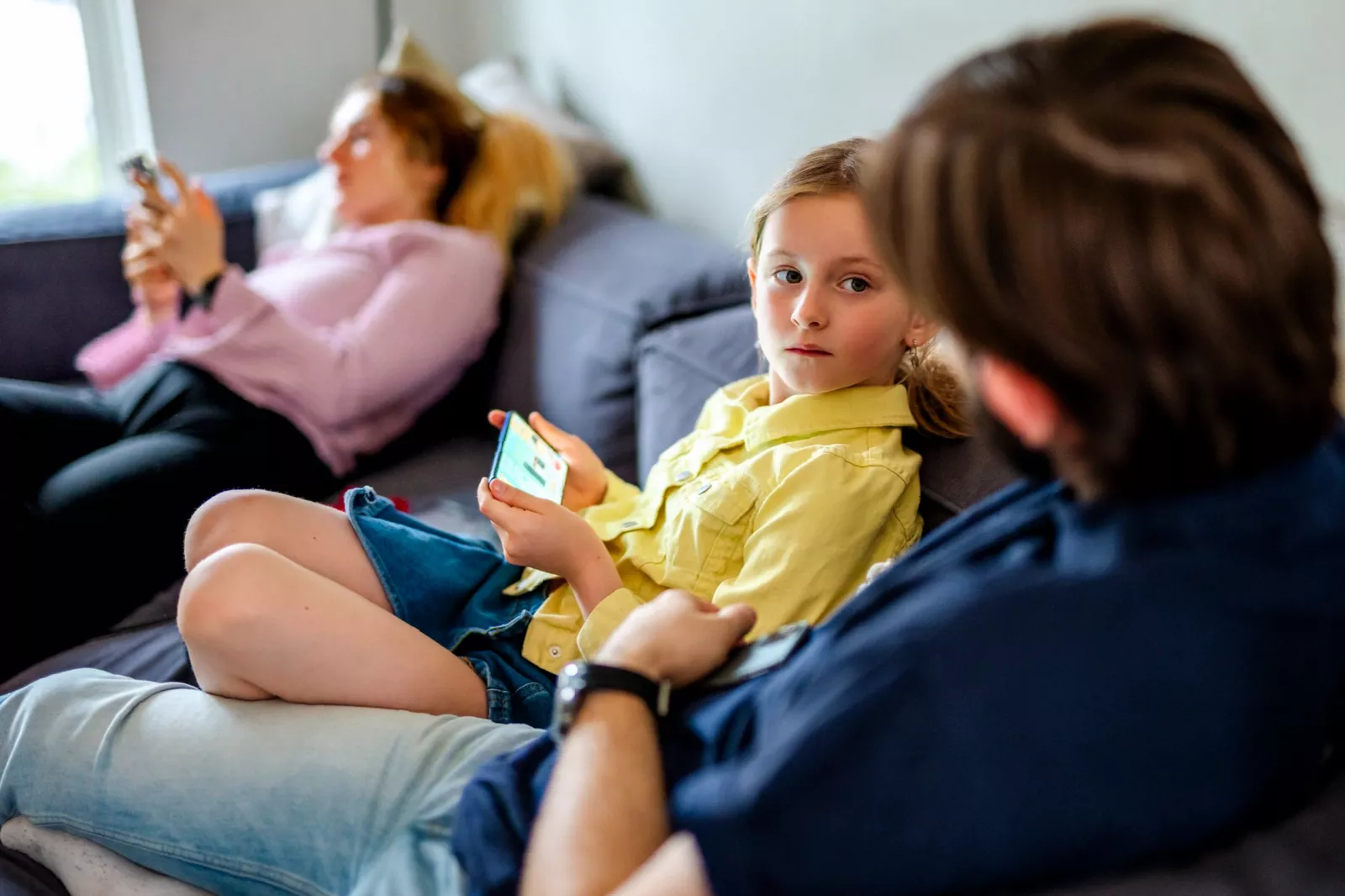
Dunkley says the signs of addiction mirror those of alcohol, drug and gambling problems. “It’s the lack of eye contact, struggling to engage in face to face conversations, physical agitation and their eyes darting to where their phones are,” he explains. “These might be written off as teenager behaviour, but it becomes pronounced.”
According to UKAT, addiction is defined by an overwhelming urge to engage repeatedly, even when the behaviour causes harm. This is not a simple craving, like wanting chocolate; an addiction can leave those struggling unable to function without the behaviour. Dunkley describes the short, sharp videos on platforms such as TikTok as “instant dopamine” – users flicking through without absorbing anything. Research confirms that social media algorithms exploit dopamine responses, creating a cycle of compulsive behaviour. The brain gets a significant hit from the uncertainty of a reward – a like or a notification – rather than the reward itself.
Physical and cognitive symptoms to watch for include lack of sleep from doom-scrolling, persistent headaches and worsening eyesight. Dunkley also warns of a decreased attention span and, potentially, a drop in IQ. In treatment settings, some children become so desperate that they sneak in a second phone or refuse to surrender their devices. Many will do anything to avoid attending treatment in the first place.
Nearly half of British teenagers – 48% – say they feel addicted to social media, according to survey data. The figure is higher for girls (57%) than for boys (37%). Studies have linked excessive social media use – more than three hours a day – to increased levels of depression and anxiety in children and adolescents, largely through disrupted sleep. Young people with internalising conditions such as anxiety and depression are more likely to compare themselves to others online, feel a lack of self-control and experience mood changes based on likes and comments. Research from Imperial College London found that children using social media for more than three hours daily were more likely to develop depression and anxiety. The Royal Society for Public Health has reported that platforms such as Snapchat, Facebook, Twitter and Instagram all led to increased negative feelings. UK senior doctors have stated there is an “overwhelming consensus” that screen time and social media harm children.
Dunkley identifies TikTok as particularly problematic, but also calls WhatsApp the “sleeping giant” of apps hooking children. Treatment for social media addiction at UKAT includes psychotherapy, cognitive behavioural therapy, dialectical behaviour therapy, motivational interviewing and group sessions, available in outpatient, inpatient or online settings. Apps such as Freedom and AppBlock can help manage usage, and digital detox retreats offer tech-free experiences.
Parental support and the ban’s impact
Parents overwhelmingly believe social media has a negative impact on children – 82% say so, with 38% saying it affects their own children negatively. Keeping children safe online is difficult for 73% of parents, and 33% feel ill-equipped to control their children’s online access. The biggest obstacles include the impossibility of constant monitoring (54%), peer pressure (46%), balancing monitoring with privacy (46%), children feeling excluded (39%) and social media companies not doing enough (37%). Many parents struggle to set limits because of potential conflict with their children. A large majority – 88% – believe tech companies need to do more.
When the ban comes in, Dunkley expects teething problems. “Withdrawals are to be expected,” he says. “You’ll see mood changes, agitation and argumentativeness.” He advises parents and schools to support young people through this period. “I’m hopeful. Give it six months or a year, and it won’t be this massive impact on the youth – they’ll bounce back. We’re not depriving them now – we already did, now we’re trying to give them their childhood back.”
He warns that the biggest threat to the ban’s success is parents bending the rules to allow their children access when they should not. Yet he urges parents to use the ban to empower themselves. “We know the harm social media does for children – now this ban enables parents and schools to say no without the peer pressure. I know what I’d rather my child be doing rather than living in a world that doesn’t exist, and aspiring to things they can never reach.”
Alternatives to social media, experts suggest, should focus on activities that provide connection, belonging, entertainment and inspiration. Creative platforms such as Canva and Procreate, educational apps like Duolingo and BBC Bitesize, coding clubs, STEM toys, Minecraft Education Edition, and writing platforms such as Medium and Substack are recommended. Youth organisations, film clubs, theatre, music projects, Scouts, Girlguiding, environmental activism, museums and galleries all offer opportunities for social interaction and skill development. Games that encourage creativity, collaboration and problem-solving are preferred over passive scrolling. Libraries and bookshops increasingly host gaming sessions, manga clubs and creative workshops.
Confidential help, information and support on social media addiction is available on UKAT’s website.