

The US Food and Drug Administration was thrown into fresh turmoil on Friday after its top drug and vaccine chiefs were fired or forced out, the latest convulsions in a leadership exodus that has left the agency without a permanent commissioner or permanent heads of two major centres.
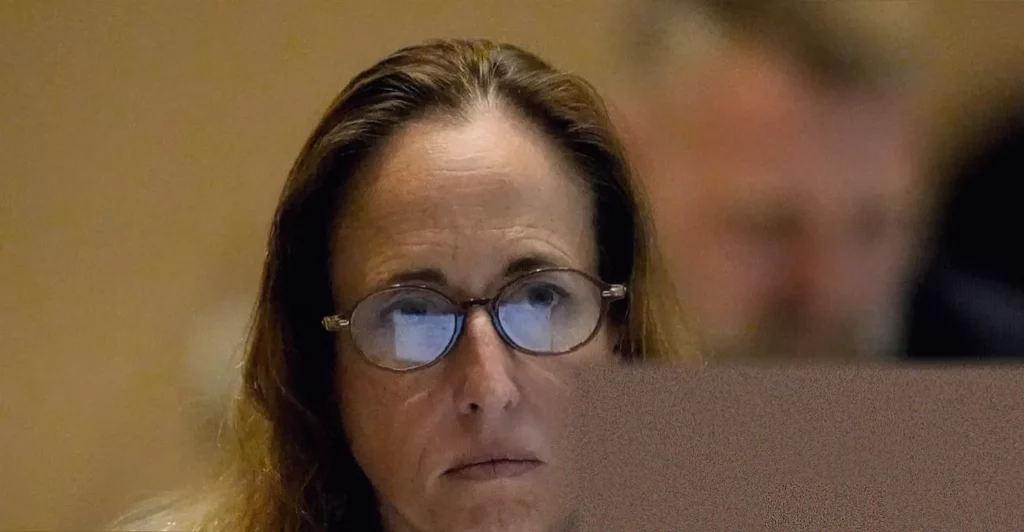
Tracy Beth Høeg, the acting director of the Center for Drug Evaluation and Research (CDER), said she was fired after six months in the role. “I was fired,” she wrote on X on Friday night. She later told the New York Times that she had declined to resign. Katherine Szarama, the acting director of the Center for Biologics Evaluation and Research (CBER), who had only been in the post for ten days and had not yet updated her LinkedIn profile, is also leaving the agency. Jim Traficant, the FDA’s chief of staff, has been ousted.
The departures come amid an accelerating shake-up of the agency’s senior ranks, with no permanent commissioner or deputy commissioner in place. Marty Makary, who served as FDA commissioner for 13 months, resigned on Tuesday, May 12. Staff received official word only on Friday afternoon, via an internal FDA email, that Makary was leaving and that Kyle Diamantas, a lawyer with no professional medical background who had served as deputy commissioner for food, would take over as acting commissioner. Rumours had been circulating after President Donald Trump’s social media posts and the removal of Makary’s photo from the lobby of FDA headquarters.
Firings and a revolving door at the FDA
Høeg’s dismissal marks the fifth time CDER has changed leadership in a year, following the high-profile departures of George Tidmarsh and Richard Pazdur. Before overseeing the nation’s drug regulation centre, Høeg served as an adviser to Makary, focusing on gathering reports of adverse vaccine reactions and attempting to align the US childhood vaccination schedule with that of Denmark, where she holds dual citizenship and earned her degree in epidemiology. A sports medicine physician, Høeg rose to national prominence by casting doubt on the safety and necessity of Covid-19 vaccines. Her appointment to lead CDER had caused alarm among senior FDA officials because of her vaccine scepticism and her lack of apparent experience in drug regulation.
Høeg was instrumental in an effort to revise the US childhood vaccination schedule, a move currently blocked by a federal judge. Her background and views have made her one of the most controversial figures in the current FDA leadership crisis. Michael Davis, CDER’s deputy director, who has a background in psychiatry and previously served as chief medical officer for a non-profit medical research organisation focused on psychedelic drugs, has been appointed acting director of the centre.
Szarama took over CBER after the departure last month of Vinay Prasad, who resigned amid controversies over gene therapy approvals. This was Prasad’s second departure from the role; he had previously resigned in July 2025 over the same issue, only to be reinstated weeks later. Some industry analysts have described his exit as a potential “tailwind for the biotech sector”. Karim Mikhail, a former CEO of the pharmaceutical company Amarin who joined the FDA last year as a senior adviser in the Office of the Commissioner, has been named acting director of CBER.
Wave of departures and broader instability
The firings follow a string of other high-profile exits. Makary’s resignation came after reports that the Trump administration had planned his removal, partly due to frustrations over his handling of flavoured vaping products, a stance that clashed with Health and Human Services Secretary Robert F. Kennedy Jr and President Trump. Makary’s tenure was marked by significant staff layoffs, low morale, and controversies over decisions on vaccines and rare disease medications.
Today marked 6 months as head of CDER at @FDA & today I was fired
I’m incredibly grateful to have had this opportunity to serve this country & proud of the work we did
FDA staff are smart, talented, supportive & don’t get enough credit
I learned so much & leave with no regrets pic.twitter.com/WqpBZuRIFq
— Tracy Beth Høeg, MD, PhD (@TracyBethHoeg) May 16, 2026
George Tidmarsh, a former CDER director, resigned in November 2025 following an investigation into “serious concerns about his personal conduct” and amid a lawsuit alleging a “longstanding personal vendetta” against a business associate. Richard Pazdur, a respected former cancer regulator, had retired from the FDA earlier, reportedly to avoid being part of what he described as the “destruction of the American medical system”. Biotech executives had recommended him to lead the agency, but it remains unclear if he would accept the role.
The acting chief of staff role has been filled by Lowell Zeta, replacing Traficant, a former chair and CEO of Citadel Sciences who joined the FDA last March.
Implications for the agency and industry
The FDA now has no permanent commissioner, deputy commissioner, or permanent leaders for CDER and CBER – the two centres that oversee the majority of drugs, biologics, and vaccines. The leadership vacuum is part of a broader pattern: CDER alone has had four different acting directors in the past 18 months, and the agency has seen a “revolving door” of appointments as the Trump administration seeks to reshape the FDA, reportedly emphasising the appointment of individuals with more “traditional experience”.
Kyle Diamantas, a lawyer with no professional medical experience, now leads the entire agency on an acting basis. His appointment has raised concerns among some stakeholders about his ability to navigate political pressures and balance science with the tenets of the “Make America Health Again” movement. The instability has prompted warnings from industry analysts about increased volatility in the biotech and pharmaceutical sectors, as well as risks to regulatory consistency and scientific predictability.
Concerns about the impact on rare disease medications and vaccine policy remain acute, particularly given Høeg’s vaccine scepticism and the ongoing legal challenge to the childhood vaccination schedule she sought to alter. With no permanent leadership in place, the agency’s direction – and its ability to maintain credibility with both the public and the industries it regulates – hangs in the balance.
The former cancer regulator Richard Pazdur’s retirement remark about avoiding the “destruction of the American medical system” encapsulates the depth of the crisis facing an agency that once commanded bipartisan respect.