

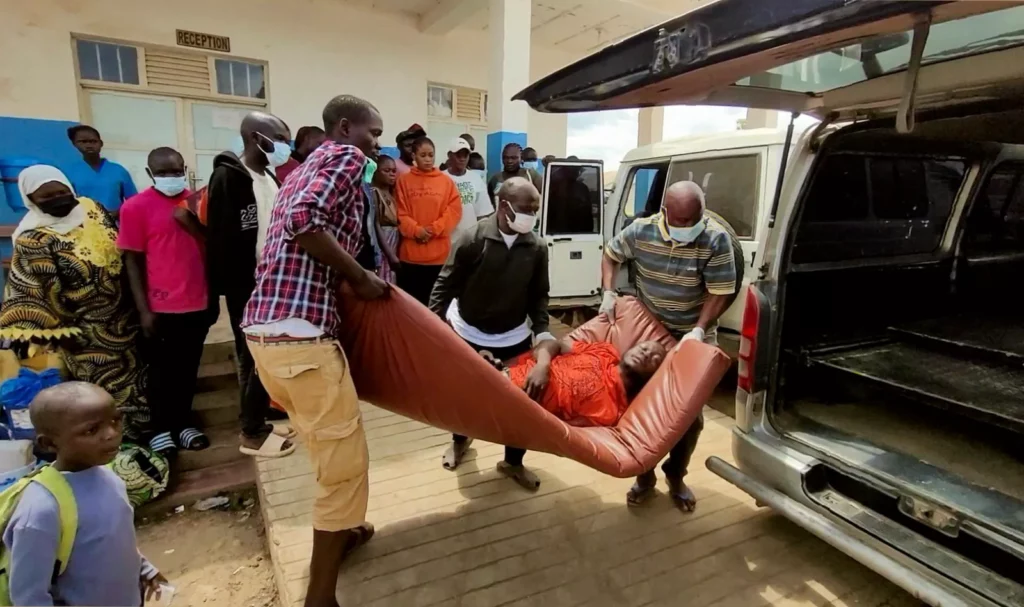
The World Health Organisation has declared an international public health emergency after an outbreak of Ebola caused by the Bundibugyo virus, a strain for which no licensed vaccine exists, triggered a rapidly escalating crisis across the Democratic Republic of the Congo and into neighbouring Uganda.
The declaration, made under the International Health Regulations (2005), signals that the outbreak constitutes an extraordinary event that poses a public health risk to other states and requires a coordinated international response. The WHO has urged member states not to impose blanket travel or trade bans, describing such measures as “usually implemented out of fear” and having “no basis in science”. Instead, it has called for cross-border screening in the affected areas and instructed that anyone confirmed to have contracted the Bundibugyo virus should not travel internationally unless part of an appropriate medical evacuation.
So far, the WHO has reported eight confirmed cases, 246 suspected cases and 80 suspected deaths in the DRC, including four healthcare workers who died while tackling the outbreak. Further cases have also been detected across the border in Uganda, though the organisation said the situation has not yet met the criteria of a pandemic emergency. However, the WHO warned that all the signs “point towards a potentially much larger outbreak than what is currently being detected and reported”, adding that the virus may have already been spreading undetected for more than three weeks.
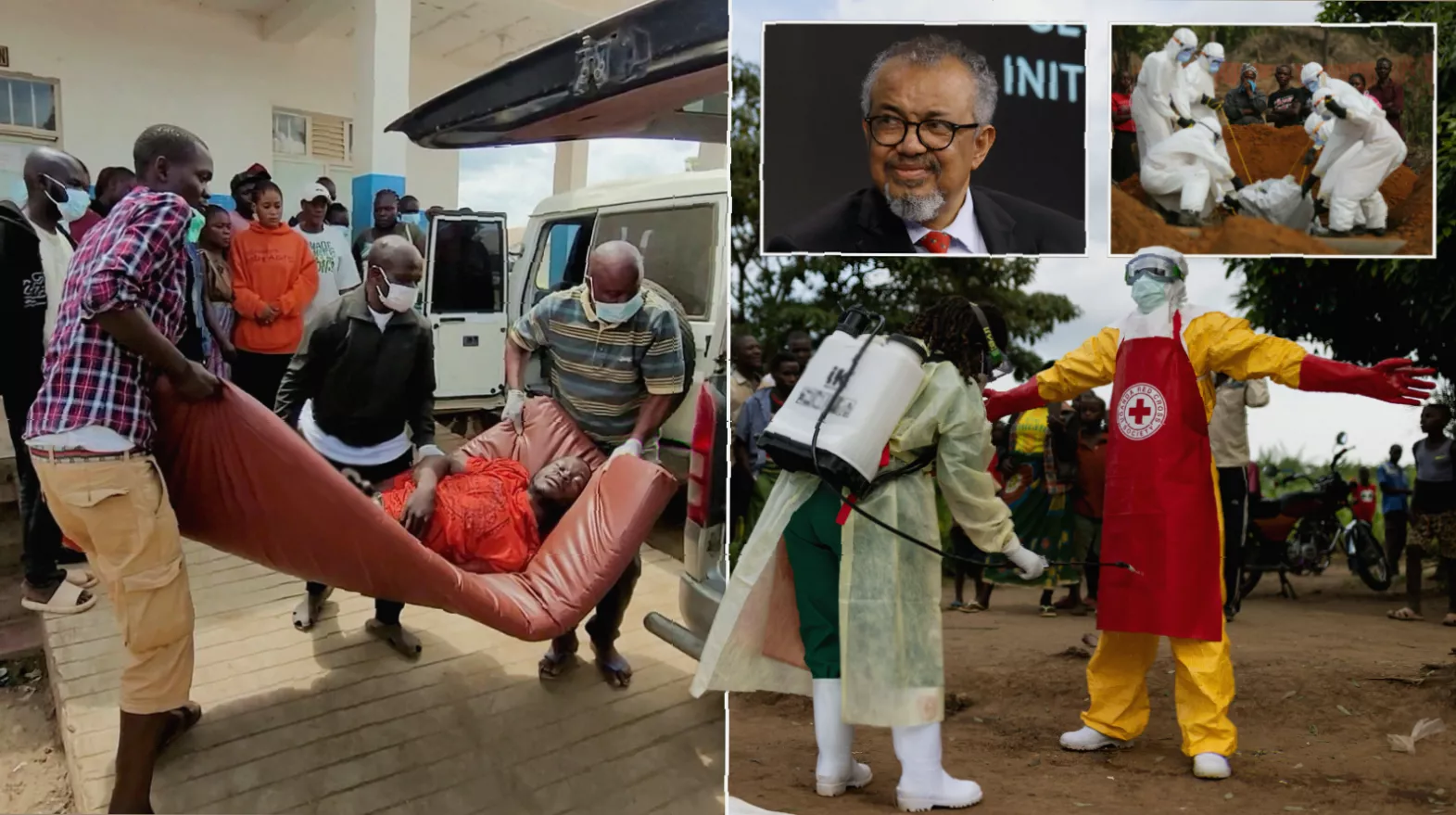
Efforts to trace the origin of the outbreak have so far failed. Dr Jean Kaseya, director general of the Africa Centres for Disease Control and Prevention, said officials have still not identified patient zero. Early investigations suggested the first case emerged in the third week of April. “So far we don’t know the index case,” Dr Kaseya said. “It means we don’t know the magnitude of this outbreak.”
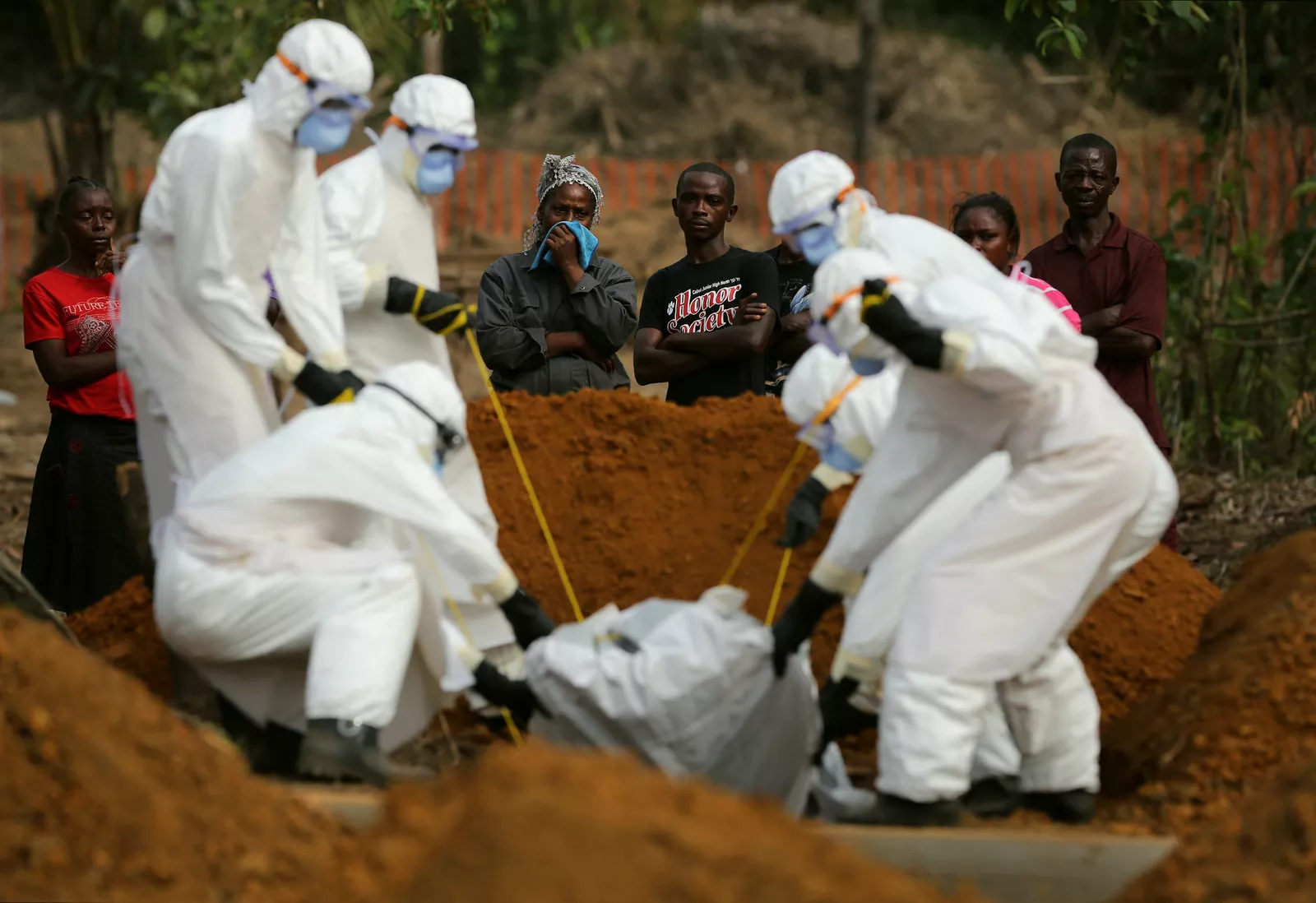
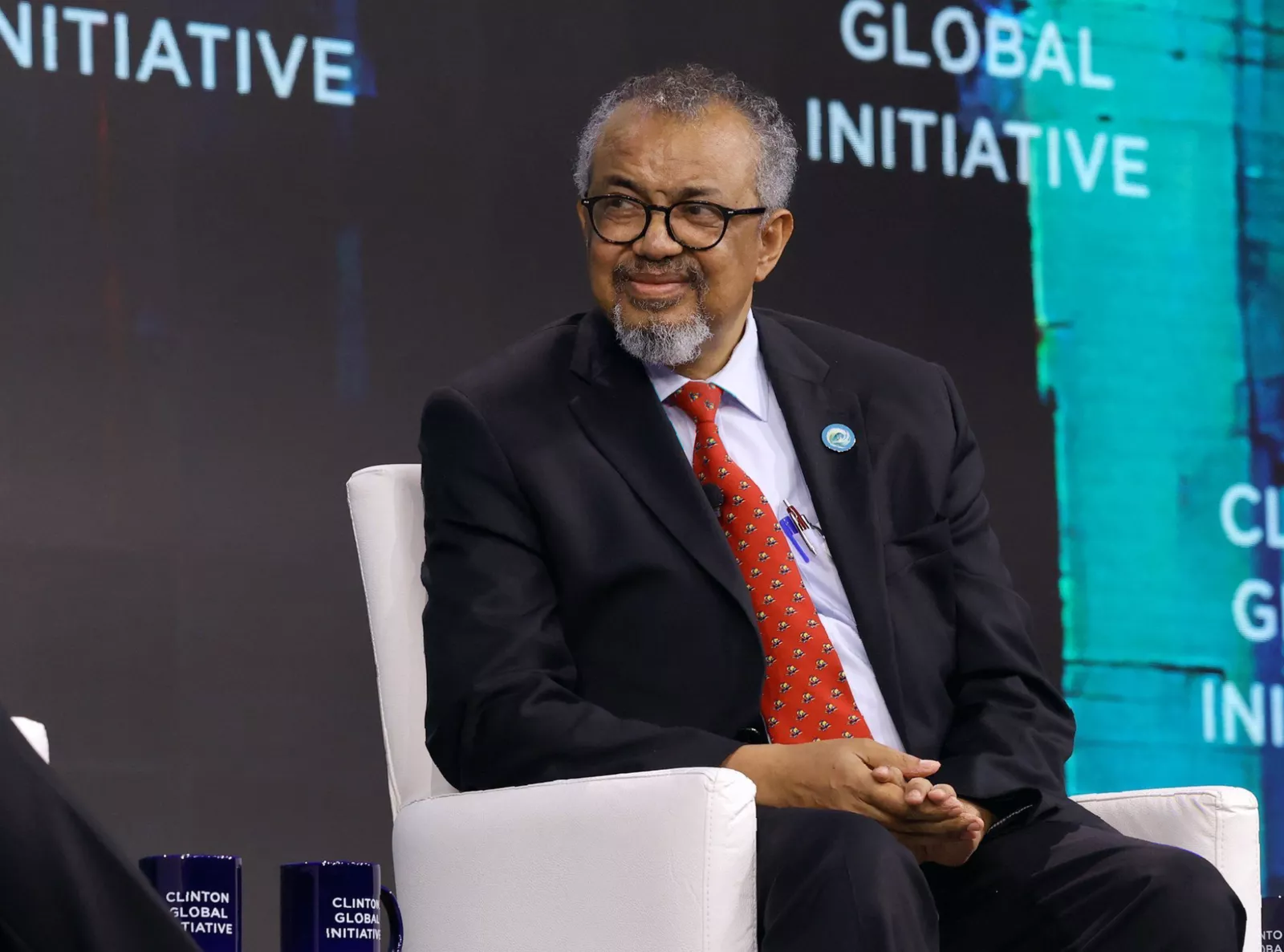
The virus is extremely contagious, raising particular concern because the outbreak is unfolding in a region characterised by busy cross-border traffic and migration. To prevent further transmission, the WHO has called for “safe and dignified” burials, emphasising that the disease can be passed on from the dead. Dr Tedros Ghebreyesus, the WHO’s Director General, said the organisation would convene an emergency meeting as soon as possible to determine the next steps.
A critical gap: no vaccine for the Bundibugyo strain
One of the most significant challenges facing responders is the absence of a vaccine specifically for the Bundibugyo virus. Dr Kaseya confirmed that, unlike the more common Zaire strain of Ebola — for which licensed vaccines exist — no jab is currently available for this variant. He added that several vaccine candidates are in early-stage trials, but none are yet ready for deployment in the field.
The Bundibugyo virus was first identified in 2007 in the Bundibugyo District of Uganda, making it the third Ebola virus species to be discovered. It is closely related to the Ebola virus and causes a disease with similar clinical features: symptoms include fever, severe headache, muscle pain, weakness, fatigue, diarrhoea, vomiting, abdominal pain and unexplained haemorrhage, with an incubation period typically ranging from two to 21 days. The virus spreads through direct contact with the blood, body fluids or non-broken skin of infected individuals, as well as through contact with contaminated surfaces and objects. Bodily fluids such as vomit, faeces and saliva can all carry the virus, and transmission from bats and primates is also a known route.
This is the DRC’s 17th Ebola outbreak since the virus first emerged in the country in 1976. The nation has spent decades building surveillance networks designed to detect and contain outbreaks quickly, but the current situation — with its unknown index case and signs of undetected spread — has tested those systems severely. The WHO has warned that cross-border movement, the lack of a vaccine and the failure to locate patient zero all heighten the risk of a far wider epidemic if containment efforts are not rapidly scaled up.