

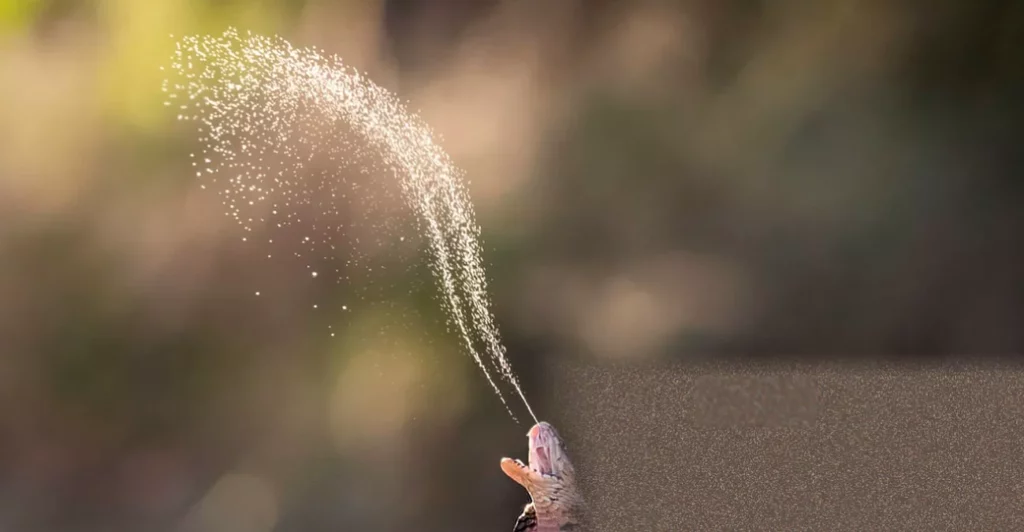
Venomous snakes are expanding their range across the globe, driven by rising temperatures and habitat loss, and are coming into greater contact with human populations than ever before, according to a new study led by the World Health Organization. The research, published in PLOS Neglected Tropical Diseases, warns that this trend is set to intensify over the coming decades, bringing potentially deadly reptiles into regions where they have never been seen and threatening billions of people.
Global scale of the threat
Snakebite statistics have long been patchy, particularly in remote areas where cases go unreported. The World Health Organization estimates that around 5.4 million people are bitten by snakes each year, resulting in between 1.8 and 2.7 million cases of envenoming – the injection of venom. Annual deaths are thought to range from 81,410 to 137,880, with roughly three times that number suffering permanent disabilities such as amputations. The authors of the new study put the figure at about 4 million cases, 138,000 deaths and 400,000 disabilities annually, with almost half of all fatalities occurring in South Asia. Children and agricultural workers are disproportionately affected.
Snakebite envenoming is recognised by the WHO as a neglected tropical disease, and the organisation has set a target to reduce mortality and disability by 50% by 2030. Until now, however, the distribution of risk was understood only at a local or national level, with little analysis of how climate and demographic changes could alter it in future. The new study aims to fill that gap.
Snakes on the move
The researchers mapped the distributions of all 508 medically important snake species across the planet to a granularity of one square kilometre, using public and private databases, citizen science platforms, museum records, scientific literature and expert observations. They then projected how rising temperatures would alter the overlap between these species and human populations by 2050 and 2090.
The findings reveal that while most snake species will suffer a decline in suitable habitat – pushing some closer to extinction – a significant number of the deadliest snakes are likely to spread more widely. The black mamba, for example, is expected to retreat from the coast of Kenya and many areas of Ethiopia, Eritrea, Congo and Djibouti, while expanding into parts of South Africa and Nigeria. Cottonmouth moccasins in North America are forecast to head as far north as New York. Kraits in Asia could migrate from the forests of Myanmar and China’s Yunnan province to the densely populated central and northern cities of China. The European viper, which is found in the United Kingdom, is expected to have more human encounters, although other viper species may decline.
India, which records the highest number of snakebite fatalities globally – between 46,000 and 60,000 annually – is particularly vulnerable. Climate change is predicted to shift the geographic distribution of the country’s “Big Four” venomous snakes – the Indian cobra, common krait, Russell’s viper and saw-scaled viper – into northern and northeastern states, increasing snakebite risks in regions previously considered unsuitable for these species.
“In 50 years, species will appear where they have not been found before, putting them into contact with people who have not been used to this particular problem in the past,” said David Williams, a researcher at the University of Melbourne and chair of the WHO’s Snakebite Envenoming Working Group. He predicted encounters in farmyards, near water sources, and even near playgrounds or running tracks.
Climate and habitat pressures driving migration
The driving force behind these range shifts is a combination of climate disruption and human-led landscape change. Reptiles, being ectothermic – reliant on external heat to regulate body temperature – are acutely sensitive to rising global temperatures. As their current habitats become hotter and less suitable, many species are forced to move towards higher latitudes and more populated areas in search of cooler conditions. While some species exhibit thermal plasticity and a degree of adaptability, the rapid pace of change, coupled with habitat loss from deforestation, wetland drainage, grassland conversion to agriculture, and urban sprawl, is pushing many to their limits.
Most venomous snake species – including puff adders in Africa, coral snakes in the Amazon, and copperheads in Papua New Guinea and Australia – will struggle to cope. Their habitats are shrinking as forests are cleared for ranches and monocultures, wetlands drained, and towns expand. Some could be pushed closer to extinction. Yet a significant number of the deadliest snakes are adapting by extending their ranges into new areas, often where human populations are densest.
The researchers found that the greatest immediate risk is to the snakes themselves, but the secondary effect is a heightened danger to humans. The overlap between people and venomous snakes is increasing not only because snakes are moving, but also because human activity – urbanisation, agricultural expansion, and infrastructure development – is encroaching on remaining snake habitats. This double pressure is creating what the authors describe as a new geography of risk.
Health implications and mitigation
The health consequences of these changes are unevenly distributed. Dangers are amplified in poor, remote areas where people work barefoot in fields and have little access to healthcare. In wealthier countries such as Australia, which has many venomous snake species, mortality rates are very low because farm workers are more likely to wear boots, use tractors, and live close to clinics with antivenoms. By contrast, in sub-Saharan Africa, the availability and accessibility of effective antivenoms remain significant challenges, compounded by geographical variations in venom composition and a lack of regulatory capacity.
In the UK, the only native venomous snake is the adder (Vipera berus). Approximately 100 adder bites are reported each year, mainly between February and October, but fatalities are exceptionally rare – the last recorded death was in 1975. Over the past 145 years, there have been around 14 deaths from adder bites, a stark contrast to the many more caused by bees and wasps. Most bites result in negligible reactions or only local effects, and while antivenom is available, hospital observation is often sufficient. Adders are classified as vulnerable in the UK due to habitat loss, fragmentation, and human disturbance.
The researchers behind the new study stress that their predictions can help health authorities prepare. “Our predictions can be used to decide where to stockpile which antivenom, how to ensure adequate capacity of individual health facilities, how to improve healthcare accessibility of remote at-risk communities, and where to focus conservation efforts for threatened snake species,” the authors said in a statement.
Efforts to mitigate human-snake conflict are already underway in many regions. These include public education campaigns to teach communities about snake behaviour and avoidance, distribution of protective gear such as gumboots and torches to farmers, and training individuals to safely rescue and relocate snakes from human dwellings. Strengthening healthcare systems in remote areas and improving data collection on snakebite incidence and mortality remain critical for targeted interventions. The WHO has underscored the need for a coordinated global response, with the goal of halving deaths and disabilities by the end of the decade.