

Close Menu
    Useful
    • About Us
    • Contact Us
    • Advertise With Us
    • Health Explainers
    • Our Editorial Team
    Facebook
    HealthNewsDaily.co.uk
    • Home
    • NHS

      Patient spends £62,851 on height increase surgery to 6ft despite agonising and potentially fatal side effects

      3 June 2026

      Four in five frail pensioners missing essential NHS checks due to regional disparities

      3 June 2026

      Critical care patients at King’s College Hospital given new rooftop garden

      31 May 2026

      Resident doctors in England plan four-day June walkout

      27 May 2026

      New surgical assistant caught off guard by relaxed atmosphere in operating theatre

      25 May 2026
    • Health Policy

      Government stops short of promising no further aid cuts in letter to parliamentary committee

      3 June 2026

      Anti-abortion activists in NSW signal push to further restrict abortion access

      3 June 2026

      Health officials urged to probe fatalities connected with illicit diet injections

      3 June 2026

      Trial overhaul to provide prostate cancer screening for black men

      2 June 2026

      Asda and Amazon recall children’s sand kits over asbestos risk

      1 June 2026
    • Mental Health

      Federal workers suffer trauma after Trump administration’s unlawful sackings

      3 June 2026

      2026’s monk mode: manosphere trick or imperative

      2 June 2026

      Husband’s rare condition leaves him unable to produce sperm

      31 May 2026

      Diagnosis halted monthly rage attacks that had been tearing my family apart

      31 May 2026

      Nottingham killer’s mother says family tried to get help before triple murder

      29 May 2026
    • Wellness & Lifestyle

      Tenth of employees forgoing meals to afford fuel

      3 June 2026

      Disturbing statistic could bring social media scrolling to a halt

      3 June 2026

      GP stocks five freezer staples to extend life

      2 June 2026

      Doctor pinpoints triggers for after-lunch tiredness and remedies

      2 June 2026

      Peril in dismissing wellness influencers while doctors remain unsure, warns Ranjana Srivastava

      2 June 2026
    • Disease & Prevention

      DRC Ebola outbreak may have started in January, WHO chief suggests

      3 June 2026

      Major US Covid vaccine probe to hear from two UK doctors

      3 June 2026

      At 27 weeks pregnant, mother began chemotherapy and insists she never surrendered

      3 June 2026

      GLP-1 drug use linked to 30% lower breast cancer risk in women

      2 June 2026

      Cause of twin’s sudden 3st weight gain emerged post-mortem

      2 June 2026
    • Treatment & Research

      Poor sleep quality tied to feeling older than one’s actual age

      3 June 2026

      Drug allows bladder cancer patients to avoid surgery, doctors say

      2 June 2026

      Melanoma recurrence could be cut by new vaccine and drug combination

      1 June 2026

      Devi Sridhar: Cancer brings promise, trouble, horror and hope

      1 June 2026

      MHRA seizes 12,000 unlicensed weight-loss medicines in biggest operation to date

      1 June 2026
    HealthNewsDaily.co.uk
    • NHS
    • Health Policy
    • Mental Health
    • Wellness & Lifestyle
    • Disease & Prevention
    • Treatment & Research
    Home » Disease & Prevention » Serious heatwave risk for Britons using Ozempic and Mounjaro injections
    Disease & Prevention

    Serious heatwave risk for Britons using Ozempic and Mounjaro injections

    Sophie HargreavesBy Sophie Hargreaves26 May 2026
    A thermometer displaying 34.8°C in a London street during a May heatwave

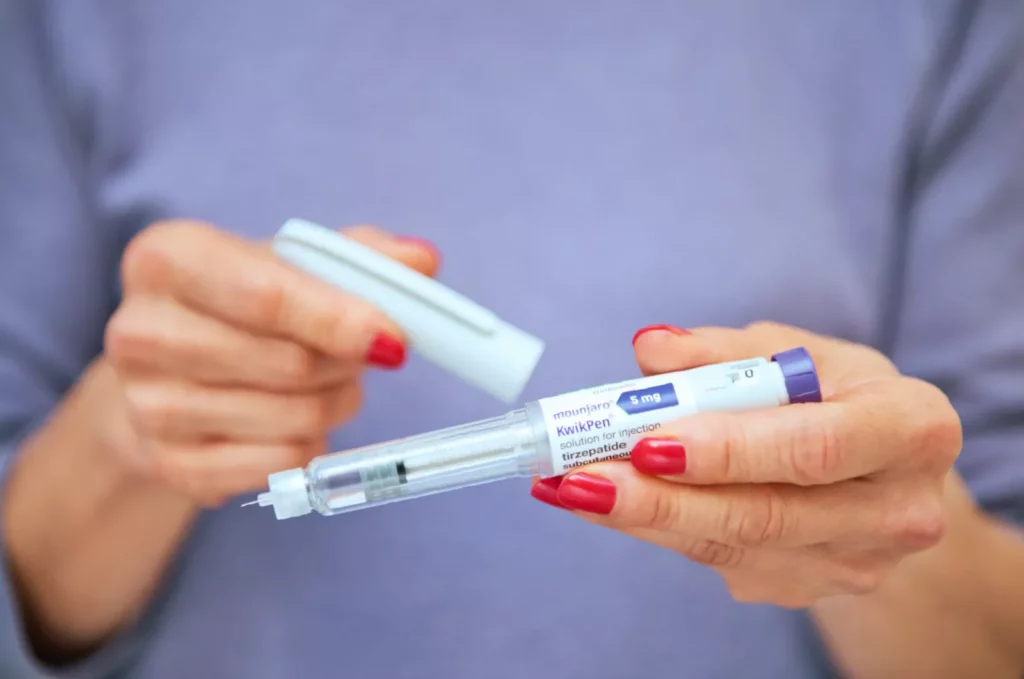
    As Britain swelters through a heatwave that has pushed thermometers above 34°C in London and the South East, millions of people using weight loss injections such as Ozempic and Mounjaro face a hidden danger: a significantly increased risk of dehydration and heat-related illness.

    Temperatures reached 34.8°C on May 26, 2026, with forecasts of 35°C in parts of England and Wales, prompting the UK Health Security Agency (UKHSA) to issue amber heat-health alerts for the South East, Midlands and East of England lasting until May 28. The Met Office described the figures as historic for May. In such conditions, anyone taking GLP-1 receptor agonists — the class of drugs that includes semaglutide (Ozempic, Wegovy) and tirzepatide (Mounjaro) — needs to take extra care, doctors warn.

    How weight loss drugs heighten dehydration risk

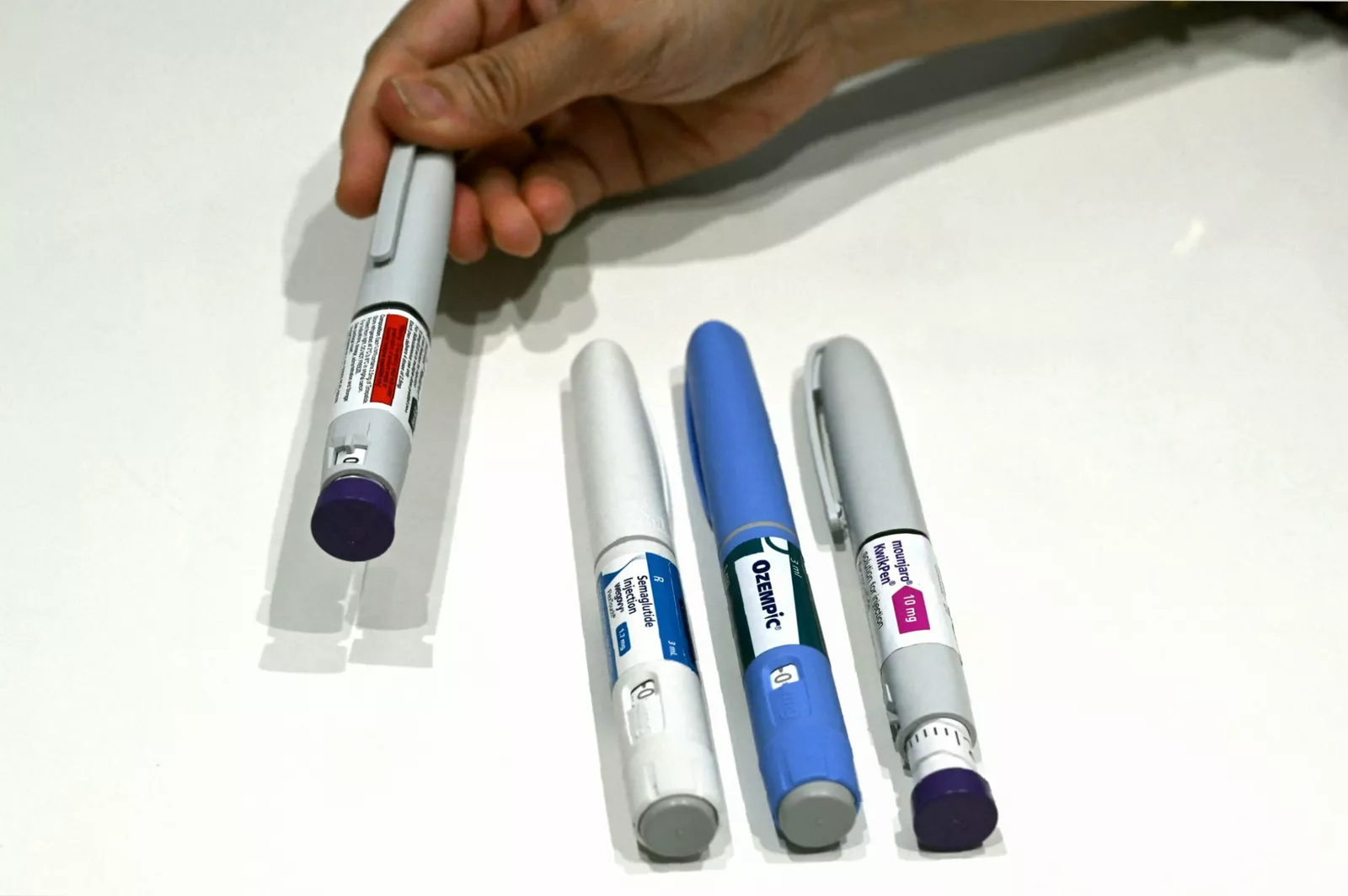
    The medications work by mimicking natural gut hormones to regulate appetite, slow gastric emptying and reduce hunger and thirst cues. While that helps people lose weight, it also means they may eat and drink less without realising they are doing so. “This is largely because some of the most common side effects include nausea, vomiting, and diarrhoea, all of which can lead to significant fluid loss,” explained Dr Suzanne Wylie, a GP and medical advisor for IQdoctor. “These medications also slow gastric emptying, helping people feel fuller for longer, but this can sometimes mean individuals unintentionally eat and drink less overall.”

    The hot weather compounds the problem because the body loses additional fluid through sweating. “These losses need to be replaced,” Dr Wylie said. “If someone is already experiencing medication side effects that reduce fluid intake or increase fluid loss, they may be more vulnerable to dehydration-related illnesses, such as heat exhaustion and, in more serious cases, heatstroke.”

    A person holding a glass of water next to a box of Ozempic injection pens

    The Medicines and Healthcare products Regulatory Agency (MHRA) has issued warnings about severe dehydration associated with these injections, with some cases requiring hospitalisation. Dr Kais Rona, a bariatric surgeon, told researchers that dehydration is a “serious risk” because reduced hunger can also suppress the thirst drive, leading to rapid dehydration. Some experts also suggest GLP-1 drugs may interfere with the body’s thermoregulation, making it harder to cool down effectively in extreme heat.

    Another little-known concern associated with dehydration is gallstones. While uncommon, gallstones have been reported as a side effect of some weight loss medications, and rapid weight loss itself is a known risk factor. “Dehydration may further increase the risk of gallstones, because it can reduce bile flow and cause bile to become more concentrated within the gallbladder,” Dr Wylie explained. Ursodeoxycholic acid (ursodiol) can be prescribed to dissolve gallstones or used prophylactically for those at high risk.

    Recognising the symptoms of dehydration

    Dehydration occurs when the body loses more fluids than it takes in. Left untreated it can become a serious problem, leading to heat exhaustion and potentially life-threatening heatstroke. According to the NHS, the key symptoms include:

    • Feeling thirsty
    • Headache and feeling light-headed
    • Dark yellow, strong-smelling urine
    • Peeing less often than usual
    • Feeling dizzy
    • Feeling tired
    • A dry mouth, lips and tongue
    • Sunken eyes

    Severe dehydration can also cause confusion, muscle cramps, feeling faint or weakness, a rapid heartbeat, and dry skin that lacks elasticity.
    The amber UKHSA heat-health alert map covering southern England and the Midlands

    Practical steps to stay hydrated

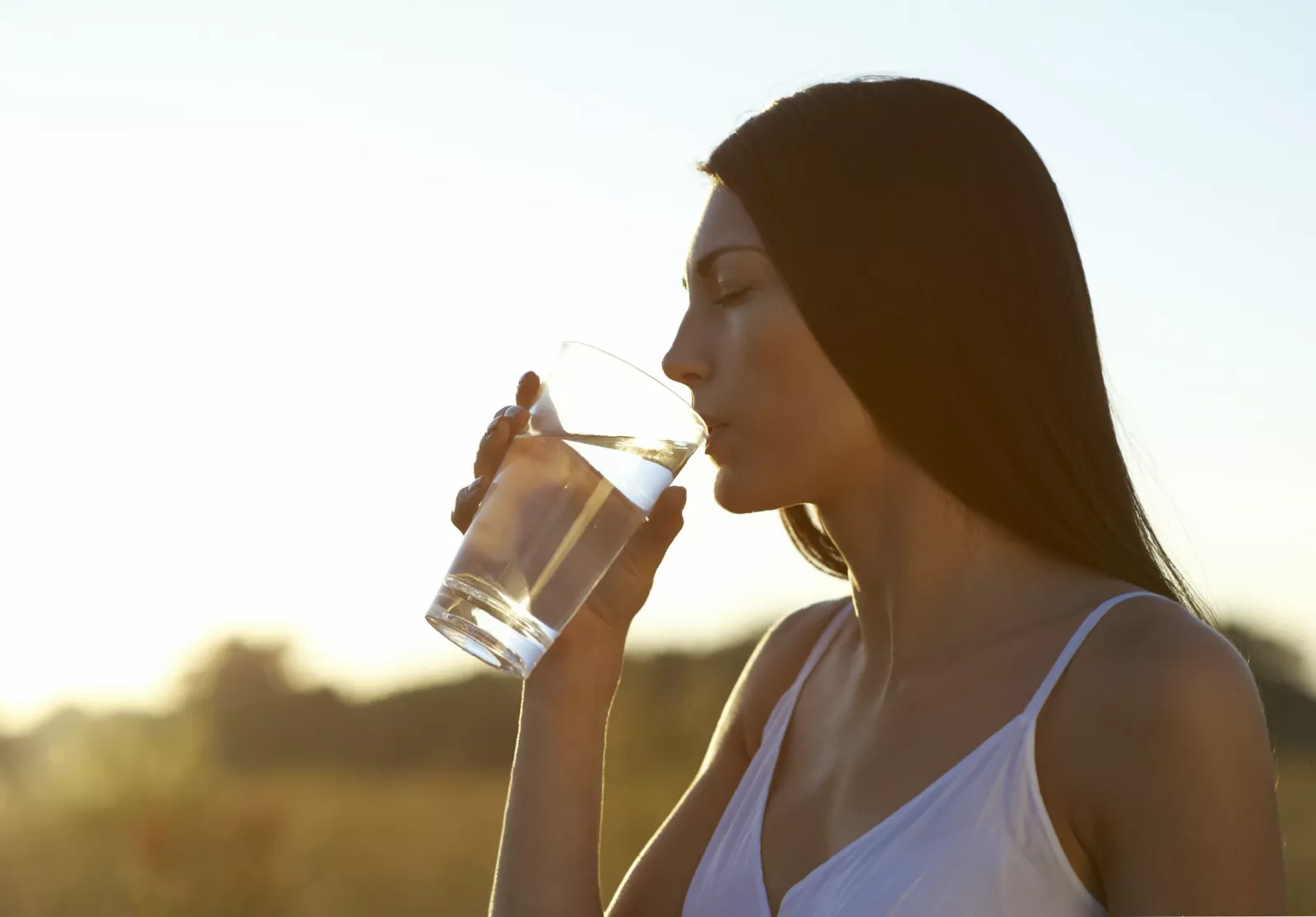
    The biggest mistake people make is relying solely on thirst as a cue to drink water, because thirst often occurs after the body has already begun to dehydrate. Instead, the NHS and Dr Wylie advise drinking regularly throughout the day, even if you do not feel thirsty. Adults should aim for around six to eight glasses of water per day — approximately 1.5 to 2 litres of fluid — and more during hot weather, illness or increased activity.

    Dr Wylie recommends keeping a water bottle with you at all times, setting reminders to drink, and eating water-rich foods such as watermelon, cucumbers and oranges. If you struggle with plain water, sugar-free squash can add flavour. It is also important to limit sugary drinks, caffeine and alcohol, as these can all dehydrate you.

    The NHS further advises staying in the shade between 11am and 3pm, keeping living spaces cool by closing windows during the day and opening them at night, and using electric fans only if temperatures are below 35°C. Cool showers and applying cool water to the skin can also help.

    Dr Wylie stresses that anyone experiencing persistent dizziness, severe fatigue, worsening nausea or symptoms of dehydration should seek medical advice. Pharmacists can recommend oral rehydration solutions. People on multiple medications — including antidepressants, blood pressure drugs and certain psychiatric treatments — should also be aware that these can affect the body’s ability to regulate temperature and sweat.
    A bottle of milk placed next to a glass of water on a sunlit kitchen table

    Extreme heat can affect the efficacy of medications such as insulin, Ozempic and Mounjaro. They should be stored correctly, typically below 25°C or refrigerated, as per packaging instructions.

    An unexpected hydrating option: milk

    While water is the obvious choice, Dr Natasha Dernando, medical director at Medichecks, says milk can be “more hydrating” than water during a heatwave. “A lot of buildings in the UK aren’t well equipped to deal with extreme heat, so it’s more important than ever to look after your hydration levels throughout periods of hot weather,” she explained. “However, you don’t have to stick to water alone.”

    The sugar, protein and fat content in milk slow the rate at which fluid empties from the stomach, helping the body stay hydrated over longer periods. Milk also contains sodium, which allows the body to hold onto water for longer. For those who are vegan or lactose intolerant, plant-based alternatives such as soya milk offer similar benefits because they contain electrolytes that aid rehydration.

    Blood Pressure GLP-1 Hydration MHRA UKHSA Weight Loss Weight Loss Drugs
    Share. Facebook Twitter LinkedIn WhatsApp Telegram
    Sophie Hargreaves
    Sophie Hargreaves

    Health Correspondent
    Sophie Hargreaves covers medical research, new treatments, disease outbreaks and prevention for Health News Daily. She holds a Master's degree in Health Sciences from the University of Leeds and has spent several years translating complex medical science into clear, accessible reporting for a general audience. Sophie focuses on the latest clinical trials, NICE and MHRA approvals, vaccination programmes and emerging health threats, always with an eye on what these developments mean for people in the UK.
    · MSc Health Sciences (University of Leeds), science communication volunteer, medical research literacy
    · Clinical trials and drug approvals (NICE, MHRA), cancer screening programmes, vaccination and outbreak response, women's health (endometriosis, PCOS, menopause), weight management treatments, AI in diagnostics

    Related Posts

    Disease & Prevention

    DRC Ebola outbreak may have started in January, WHO chief suggests

    3 June 2026
    Disease & Prevention

    Major US Covid vaccine probe to hear from two UK doctors

    3 June 2026
    Disease & Prevention

    At 27 weeks pregnant, mother began chemotherapy and insists she never surrendered

    3 June 2026
    Disease & Prevention

    GLP-1 drug use linked to 30% lower breast cancer risk in women

    2 June 2026
    Join Our Community & Win

    Each month we select one lucky follower to receive a prize from our partners. Follow us on our social channels for your chance to win.

    • Facebook
    Latest
    Disease & Prevention

    DRC Ebola outbreak may have started in January, WHO chief suggests

    3 June 2026
    Wellness & Lifestyle

    Tenth of employees forgoing meals to afford fuel

    3 June 2026
    Health Policy

    Government stops short of promising no further aid cuts in letter to parliamentary committee

    3 June 2026
    NHS

    Patient spends £62,851 on height increase surgery to 6ft despite agonising and potentially fatal side effects

    3 June 2026
    Health Policy

    Anti-abortion activists in NSW signal push to further restrict abortion access

    3 June 2026
    Disease & Prevention

    Major US Covid vaccine probe to hear from two UK doctors

    3 June 2026
    News Categories
    • NHS
    • Health Policy
    • Mental Health
    • Wellness & Lifestyle
    • Disease & Prevention
    • Treatment & Research
    Help
    • About Us
    • Contact Us
    • Advertise With Us
    • Health Explainers
    • Our Editorial Team
    About Us
    About Us

    Health News Daily provides trusted UK health news, covering NHS updates, medical research, public health and wellbeing with clear and reliable reporting.

    Facebook
    • Cookie Policy
    • Privacy Policy
    • Complaints Policy
    • Corrections Policy
    • AI Disclosure Policy
    • Editorial Policy & Ethics
    • Accessibility Statement
    • Medical Disclaimer
    • Terms & Conditions
    • Sponsored Content Disclosure
    • Copyright Notice
    © 2026 Healthnewsdaily.co.uk. All rights reserved.

    Type above and press Enter to search. Press Esc to cancel.