

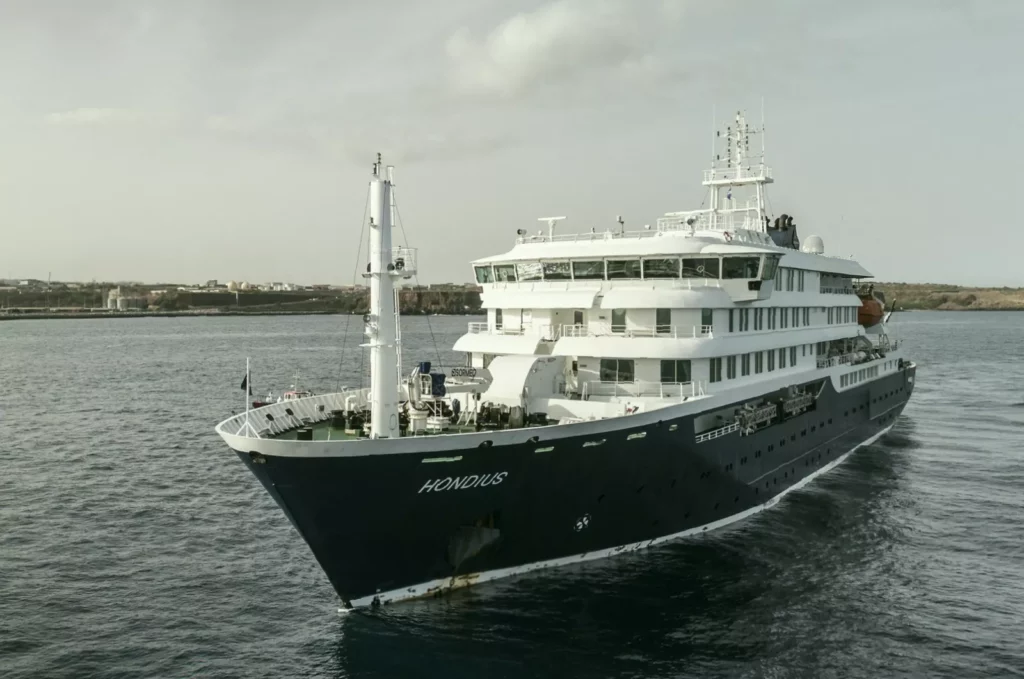
Public Health Scotland (PHS) has confirmed that a small number of Britons have been linked to the hantavirus outbreak that originated on the Dutch cruise ship MV Hondius. The health body said it is “working to follow up with a small number of individuals who had potential contact with cases” alongside the NHS, and will remain in close contact with those exposed while continuing precautionary testing. There are currently no known cases of the rare strain of hantavirus in Scotland, and PHS has assessed the risk to the public as low. The UK Health Security Agency (UKHSA) and NHS Boards across Scotland are coordinating with PHS to take appropriate action.
The outbreak aboard the MV Hondius has been traced to the Andes strain of hantavirus. The ship, carrying 147 passengers and crew from 23 nationalities, departed Ushuaia, Argentina, on 1 April 2026. The first symptoms appeared around 6 April, and the first death – initially attributed to natural causes – occurred on board on 11 April. As the vessel sailed, further cases emerged. The ship docked at Saint Helena on 24 April, where the body of the first deceased passenger was disembarked, accompanied by his wife, who later became unwell. She died in a Johannesburg hospital on 25–26 April. A British male passenger experiencing pneumonia symptoms was medically evacuated from Ascension Island to South Africa on 27 April. A German woman died on board on 2 May. That same day, laboratory tests in South Africa confirmed hantavirus in the British evacuee, and the World Health Organization (WHO) received its first official notification. The ship then docked in Cape Verde from 3–6 May, where three critically ill passengers were medically evacuated. The MV Hondius arrived at the Port of Granadilla in Tenerife, Spain, on 10 May, and passengers began disembarking for repatriation the following day.
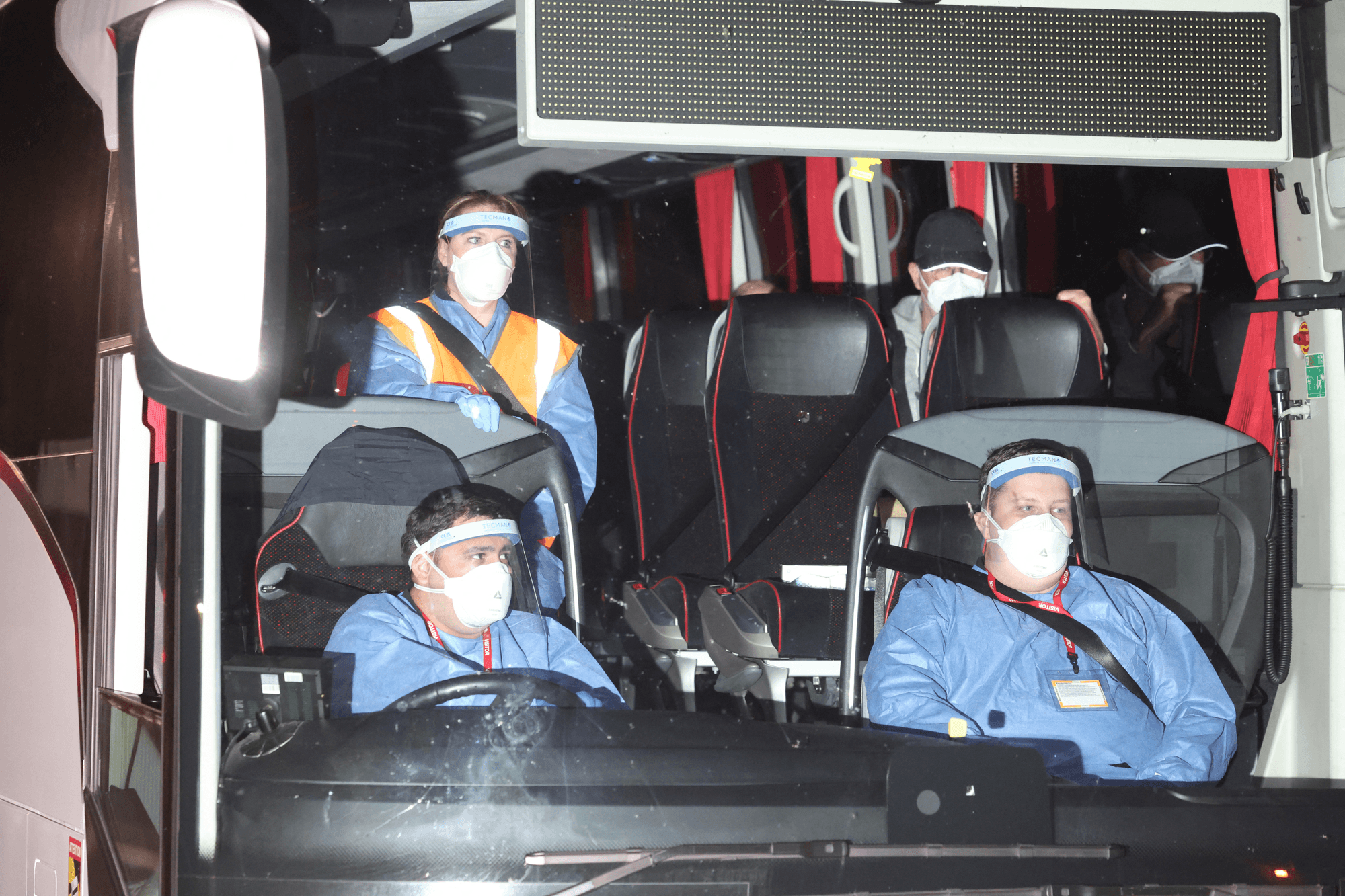
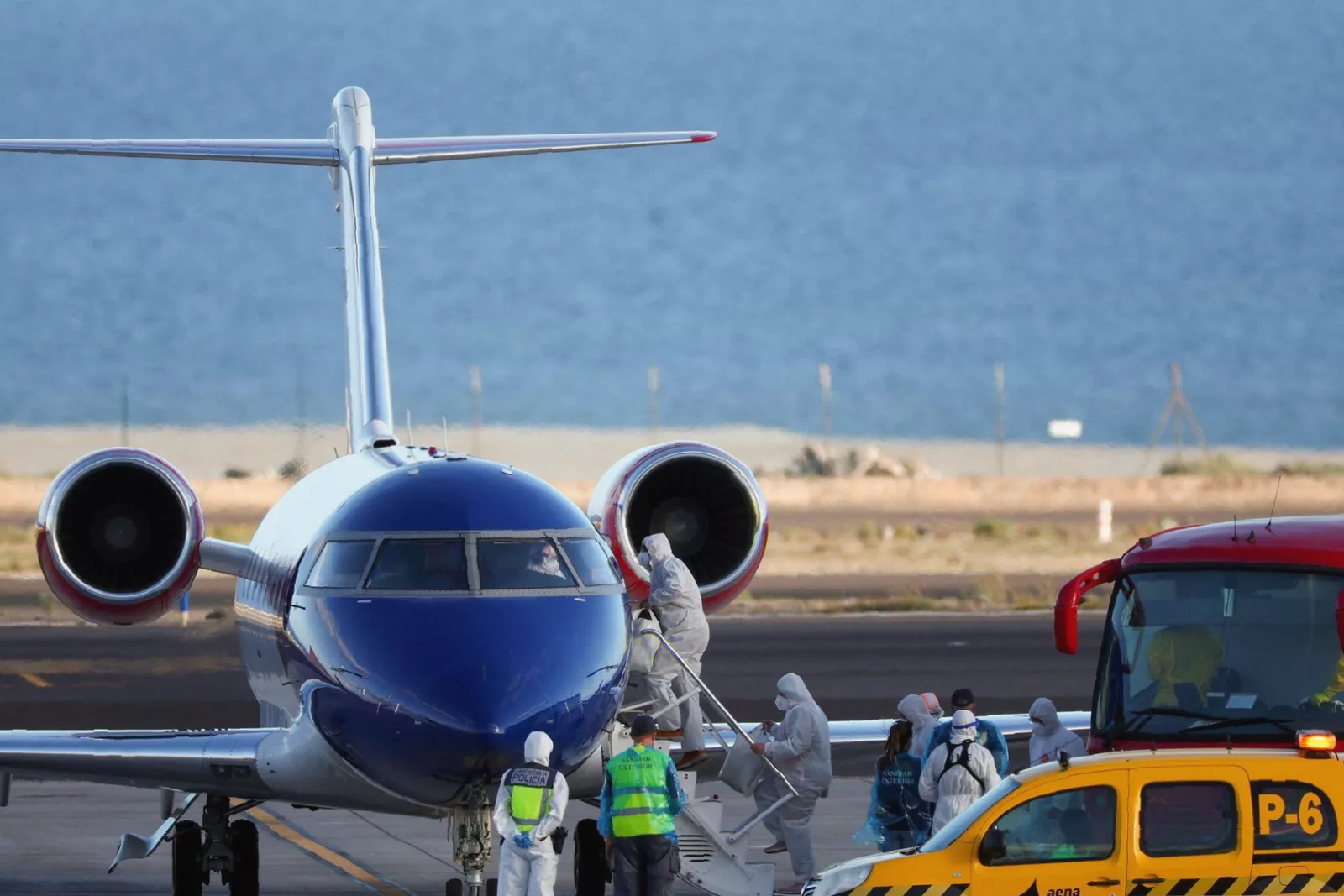
Twenty-two people evacuated from the vessel – including 20 British citizens, one UK-based German national and one Japanese national – were taken to Arrowe Park Hospital in the Wirral for a 72-hour monitoring period. Six of them later left the hospital to complete their isolation at home or in suitable accommodation, and are expected to continue isolating for up to 45 days from their last potential exposure. The remaining 18 Britons remain quarantined at Arrowe Park Hospital, which was used to quarantine patients during the early days of the Covid pandemic. A further 10 people who were residing in British Overseas Territories are being brought to Britain to be monitored. Two British nationals who tested positive for the virus are currently being treated in the Netherlands and South Africa. Three people have died as a result of the outbreak: a Dutch man, his wife, and a German woman.
The WHO has assessed the risk to the global population as low, and Director-General Dr Tedros Adhanom Ghebreyesus has thanked Tenerife for its “dignity” after initial fears and uncertainty around the ship’s docking. He has previously said there was “no sign” of a wider outbreak, but has urged countries to prepare for more cases due to the virus’s long incubation period and close contact among passengers. The US Centers for Disease Control and Prevention (CDC) has classified the outbreak as a “level 3” emergency response, with American passengers repatriated to Offutt Air Force Base in Nebraska for monitoring. The CDC has stated that no cases of Andes virus have been confirmed in the United States as a result of this outbreak. The European Centre for Disease Prevention and Control (ECDC) has been providing assessments and recommendations for managing passengers and laboratory testing.
Andes strain: severity and ongoing research
The Andes virus is the only known hantavirus capable of limited human-to-human transmission, though this is rare and requires close, prolonged contact. Symptoms typically appear between one and eight weeks after exposure, with some cases emerging up to 42 days later. Early signs include fever, extreme fatigue, muscle aches, headaches, dizziness, chills, and gastrointestinal issues. As the disease progresses, it can lead to pneumonia, acute respiratory distress syndrome, shock, and potentially life-threatening Hantavirus Pulmonary Syndrome (HPS). Professor Emma Thomson of the Centre for Virus Research (CVR) in Glasgow described the symptoms as “classically of respiratory illness” and similar to “a severe influenza infection or COVID-19”. She added: “Unfortunately, the consequences of the Andes strain can be very severe, and one in three people might be expected to die. So that makes it a very serious infection and that’s why we need ongoing research to look for new treatments and vaccines.”
The high-security lab at the CVR in Glasgow, which also analysed early cases of Covid, has so far analysed 20 samples from individuals contacted by health authorities. Professor Thomson noted that the lab is in a similar situation to the early pandemic days, but with lower risk. The centre is now investigating potential treatments and how the virus has spread. “We have learned things from the pandemic, particularly around the benefit of repurposing known drugs to treat infections,” she said. “We now want to check if the antiviral therapies we have already are effective against this particular strain.” Dr Steven Quay, a US physician-scientist closely monitoring the outbreak, has suggested that third-generation cases of hantavirus might emerge around 19 May, though he has noted that the current outbreak appears less severe than a 2018 outbreak in Argentina. The viral sequence from one isolated case has been published, and an investigation into the exact source of the outbreak is ongoing, with the working hypothesis that the first case acquired the infection prior to boarding the ship, through exposure on land. The UK has previously seen cases of Seoul hantavirus associated with pet rats, but that strain has not been shown to transmit between humans, unlike the Andes strain now linked to the cruise ship.<