


Genital herpes cases rose 3.1% in England last year, according to the latest annual STI data from the UK Health Security Agency (UKHSA), bucking an overall downward trend in sexually transmitted infections.
First-episode genital herpes diagnoses – a person’s first recorded infection – increased from 27,914 in 2024 to 28,779 in 2025. The rise comes despite a broader 8.3% drop in new STI diagnoses across England over the same period.
What is genital herpes?
Genital herpes is a common viral sexually transmitted infection caused by the herpes simplex virus (HSV). There are two main types: HSV-1, traditionally associated with cold sores around the mouth, and HSV-2, more commonly linked to genital infections. Research estimates that around 70% of the UK population carries at least one type of HSV by the age of 25, and about one in eight people aged 16–49 in the UK have genital herpes, primarily HSV-2.
The first outbreak a person experiences is usually the most severe. It can cause small blisters that burst to leave red, open sores on the genitals, anus, thighs or bottom – though on brown or black skin these sores may appear less red. Other symptoms include burning, tingling or itching sensations around the genitals, pain when urinating, unusual discharge, and flu-like symptoms such as fever, headache and muscle aches. Some people have symptoms so mild they do not realise anything is wrong.
How is genital herpes spread?
Dr Clair Granger, a clinician at Superdrug Online Doctor, says there remains “a surprising amount of misinformation” around herpes transmission. “The virus does not survive well outside the body and is not spread through toilet seats, towels, cutlery, or swimming pools,” she explains. “Transmission can be spread through using contaminated sex toys, but usually occurs due to direct skin-to-skin contact.”

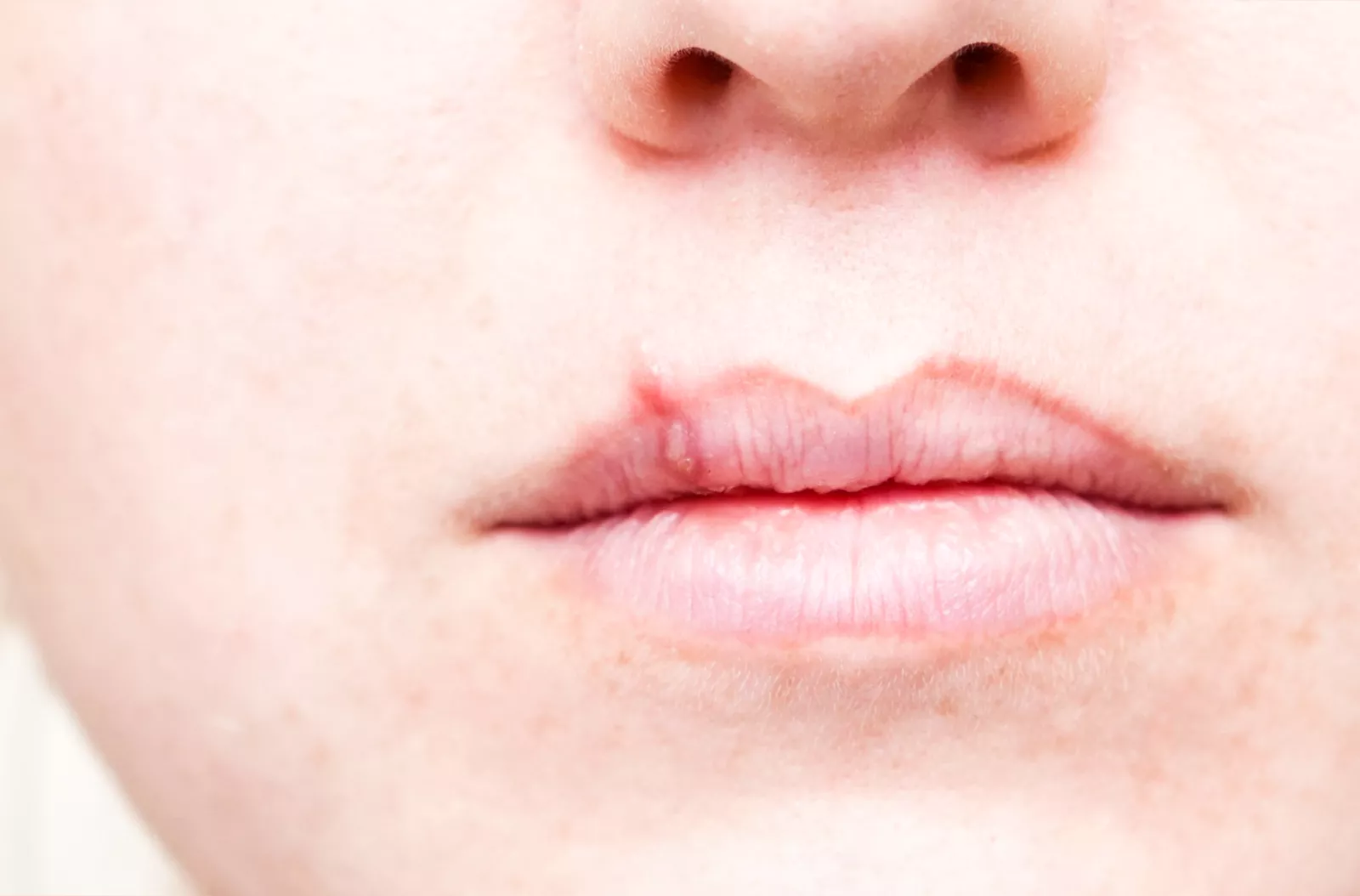
The infection is primarily passed on during vaginal, anal or oral sex when skin touches an infected area. It can also be transmitted when oral sex is performed by someone who has a cold sore – HSV-1 – and Dr Granger notes that HSV-1 genital infections have become “increasingly common”, particularly among younger adults.
A key factor driving the rise in cases is what experts call “asymptomatic shedding” – the ability of the virus to be passed on even when no sores or blisters are visible. “People often assume herpes is only contagious during an outbreak, but the virus can be passed on even when no sores or blisters are present through what is known as asymptomatic shedding,” Dr Granger says. “This is one reason herpes can spread without either partner realising.”
Worryingly, research indicates that up to 80% of people with genital herpes are unaware they have the infection because symptoms can be absent or very mild. The risk of transmission is highest in the first six months after infection and becomes rare after two years, though it can increase again if a person experiences frequent recurrences. Because the virus can remain dormant in the body, symptoms may not appear for months or even years after exposure. Outbreaks can be triggered by stress, poor sleep, illness, hormonal changes and even prolonged sun exposure while on holiday.
Diagnosis is usually made by a healthcare professional observing symptoms. If visible blisters are present, a swab can be taken for testing, but testing is not routinely offered as part of standard STI screenings, and a diagnosis cannot be made if there are no visible sores.
Why are cases on the rise?
Dr Granger believes a lack of awareness around transmission through oral sex is a significant driver. “Awareness of this route of transmission remains relatively low,” she says. “And many people do not think to use protection during oral sex in the same way they would during penetrative sex.”
The broader UK sexual health landscape shows other pockets of concern, including a 4.8% rise in syphilis diagnoses in women who have sex with men in 2025, and 29 reported cases of ceftriaxone-resistant gonorrhoea. The government has committed to developing a new Sexual and Reproductive Health Framework for England aimed at improving access to services and reducing STI transmission.
Treatment and prevention
There is currently no cure for genital herpes, but antiviral medications such as Aciclovir and Valtrex can effectively manage the condition. “Antiviral medication can help shorten outbreaks, ease symptoms and reduce the likelihood of passing the virus to others,” says Dr Granger. “Many people live normal, healthy lives with herpes and experience long periods without symptoms.” For those who have more than six outbreaks a year, continuous antiviral treatment for six to 12 months may be recommended.
Using condoms can reduce the risk of transmission, but it cannot completely eliminate it. “Because areas of skin not covered by a condom can still carry the virus, and it spreads through skin-to-skin contact,” Dr Granger explains. Recent research from Superdrug Online Doctor found that 86% of single Brits do not always use a condom, and more than 30% never use them at all.
Other preventative measures include avoiding sexual contact during active outbreaks, not sharing sex toys – or washing them and covering them with a condom between partners – and maintaining open dialogue with sexual partners about sexual health. Dr Granger stresses: “It is important to ensure that regular testing and open dialogue with sexual partners is a priority.”