

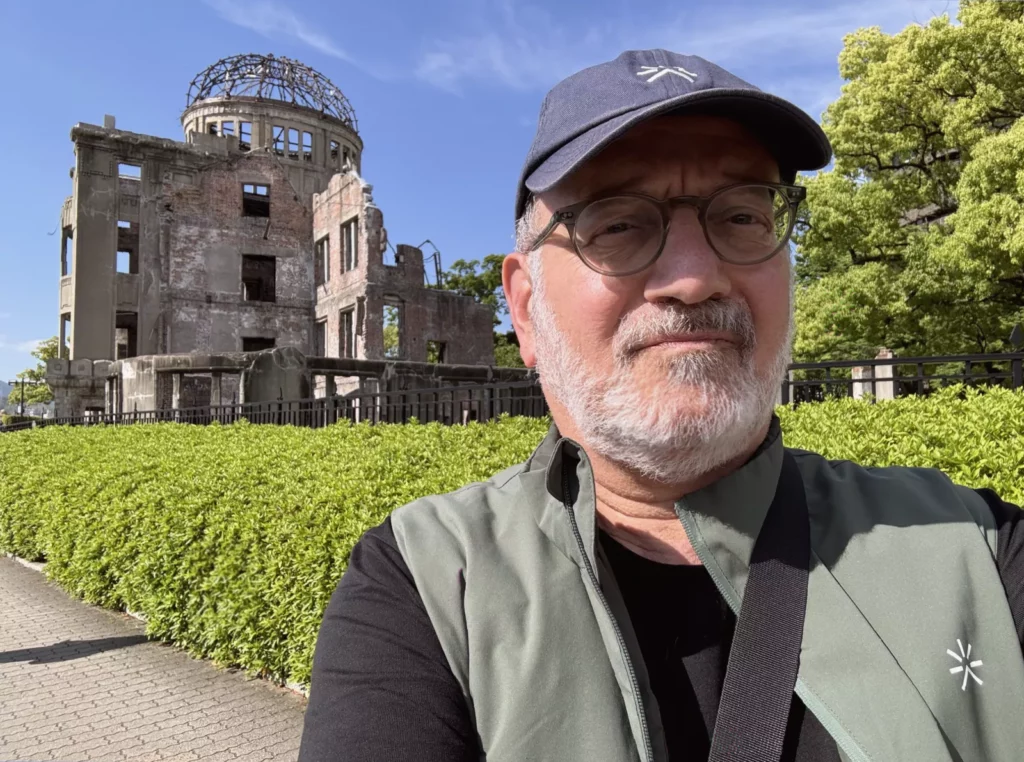
A benign tumour diagnosis transformed a life sentence into a bonus. In January 2007, a 52-year-old man sat in an oncologist’s office and was told he had a bone tumour on his right pelvis—almost certainly malignant, almost certainly fatal. “I’m sorry to say, in 98% of cases, it means you are looking at possibly six months of life,” the doctor said. The patient braced for the end. He did not yet know that he would become part of the lucky 2%.
The shock diagnosis
For two years before that moment, the man had suffered severe, intermittent back pain. Some episodes left him paralysed with agony; at other times it was merely distracting. He tried everything: six months of physiotherapy, visits to his local NHS doctor, an X-ray referral, and consultations with a back specialist who ordered multiple MRI scans over two years. Every report came back clear. Exhausted and frustrated, he had resigned himself to a mystery.
The answer came almost by chance. A routine colonoscopy and an unrelated MRI scan—prompted by a stool test, not the back pain—revealed the problem. As he waited in reception, a nurse told him a follow-up appointment had been arranged for the next morning. He knew something was wrong. The following day the consultant confirmed that while his colon was healthy, the MRI had spotted a tumour the size of an aubergine sitting on his pelvis.
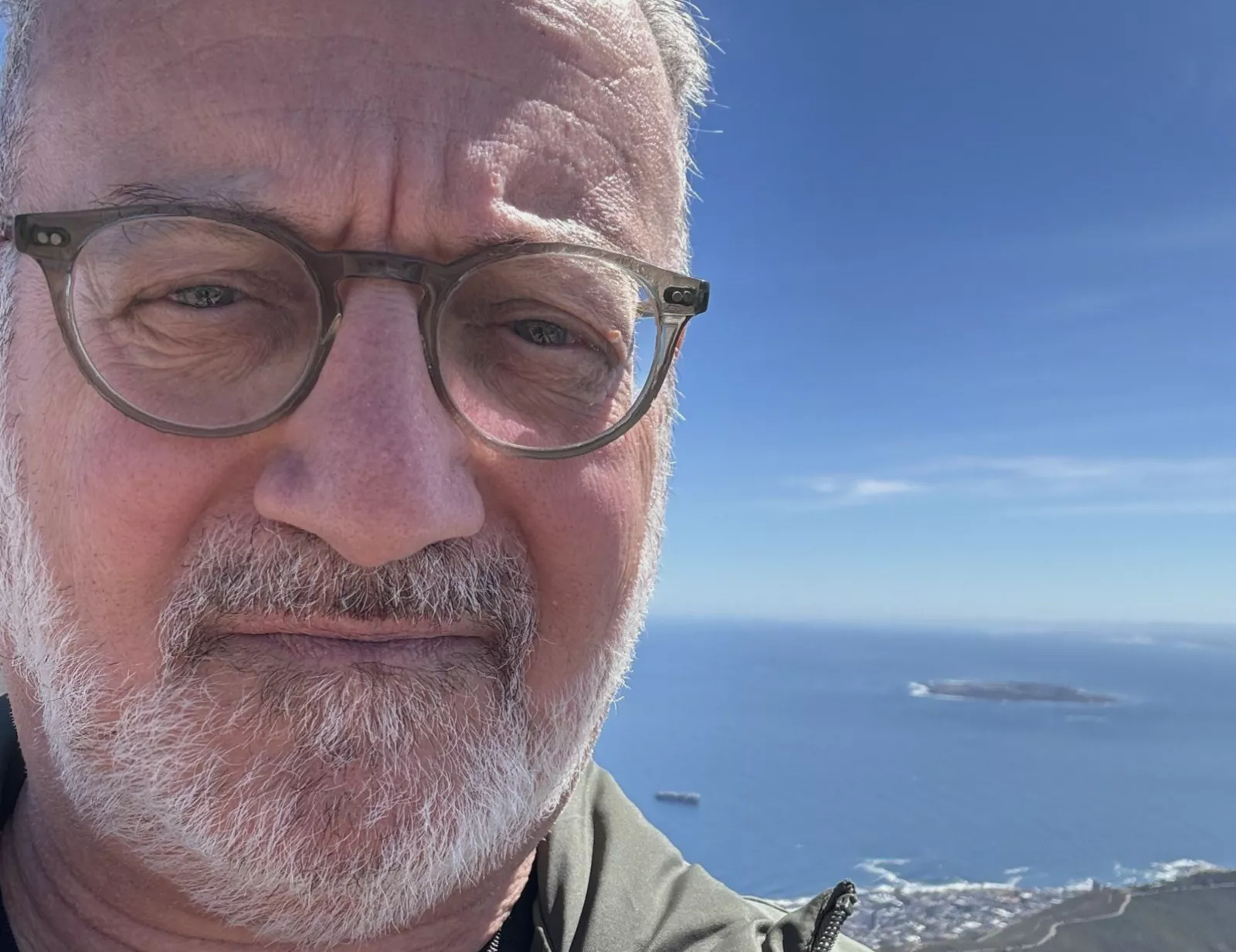
Within an hour he was in an oncologist’s office hearing the grim statistic. He and his wife, Talyn, went home in silence. He was not afraid of dying, he later said, but he was consumed by anxiety about what would happen to his two teenage daughters without a father. The next few weeks were a blur: the family had sold their home in December and were moving to a rental apartment, and he was shuttling between hospital tests to formally diagnose the cancer.
The unexpected good news
In early March 2007, a month after the initial shock, the full medical results arrived. At the Harley Street clinic, the oncologist announced he had both good and bad news. “Almost gleefully,” the patient recalled, the doctor told him he now belonged to the “lucky 2% club”: the tumour was benign. He punched the air in excitement; Talyn exhaled in relief. The bad news was that the growth was so large it still had to be surgically removed. The man was more than happy to go under the knife.
The orthopaedic surgeon operated later that April. After one night in intensive care, the patient came home within a week and began a slow recovery. He took no medication but had weekly physiotherapy for six months and enrolled in online philosophy courses to nourish his mind and spirit. The back pain vanished. Gradually, he said, “I began to feel like my old self.”
A new purpose after near-death
Despite the dramatic reprieve, the man found that surviving did not automatically mean thriving. He semi‑retired for nine years, but felt frustrated and adrift. “I had a lack of purpose,” he later explained. At the age of 61, still feeling young and restless, he decided to come out of semi‑retirement and launch a new career as a mindset mentor, writer and speaker. His specialism became helping people reinvent themselves after retirement—drawing directly on his own experience of learning to live again when he had expected to die.
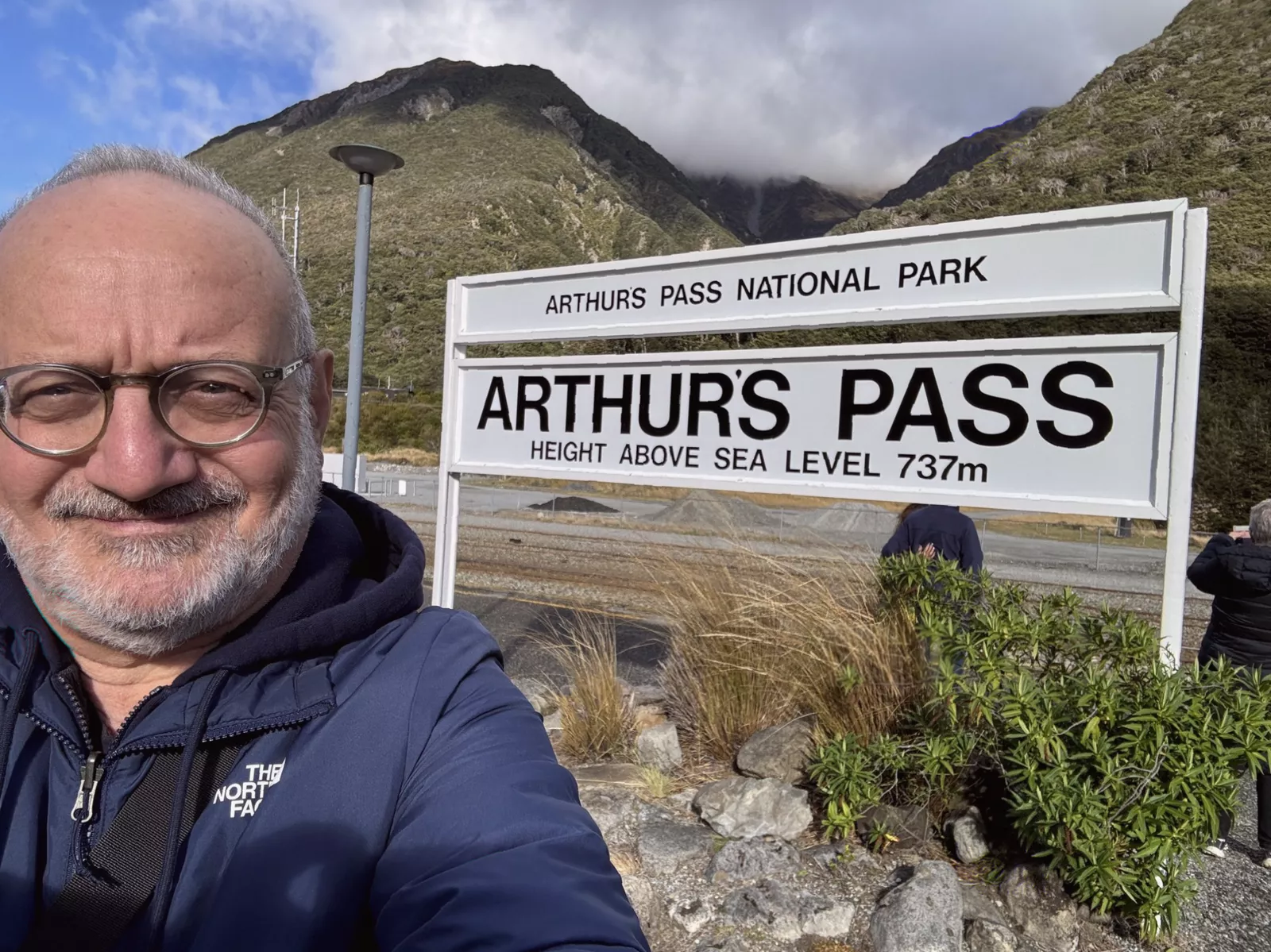
His path to this new identity was not linear. In the decade since his surgery, he has undertaken a 30‑day silent retreat, an experience that deepened his personal practice (such retreats, typically involving meditation, yoga and periods of silence, are offered across the UK, with costs for a five‑day programme averaging around £725 to £745). He also completed an odyssey around the world in 80 days—a challenge inspired by Jules Verne’s novel, which has been attempted by others such as cyclist Mark Beaumont, who pedalled 18,000 miles in 78 days in 2017. The man’s own journey was a personal milestone, not a record, but it symbolised the distance he had travelled from the doctor’s office.
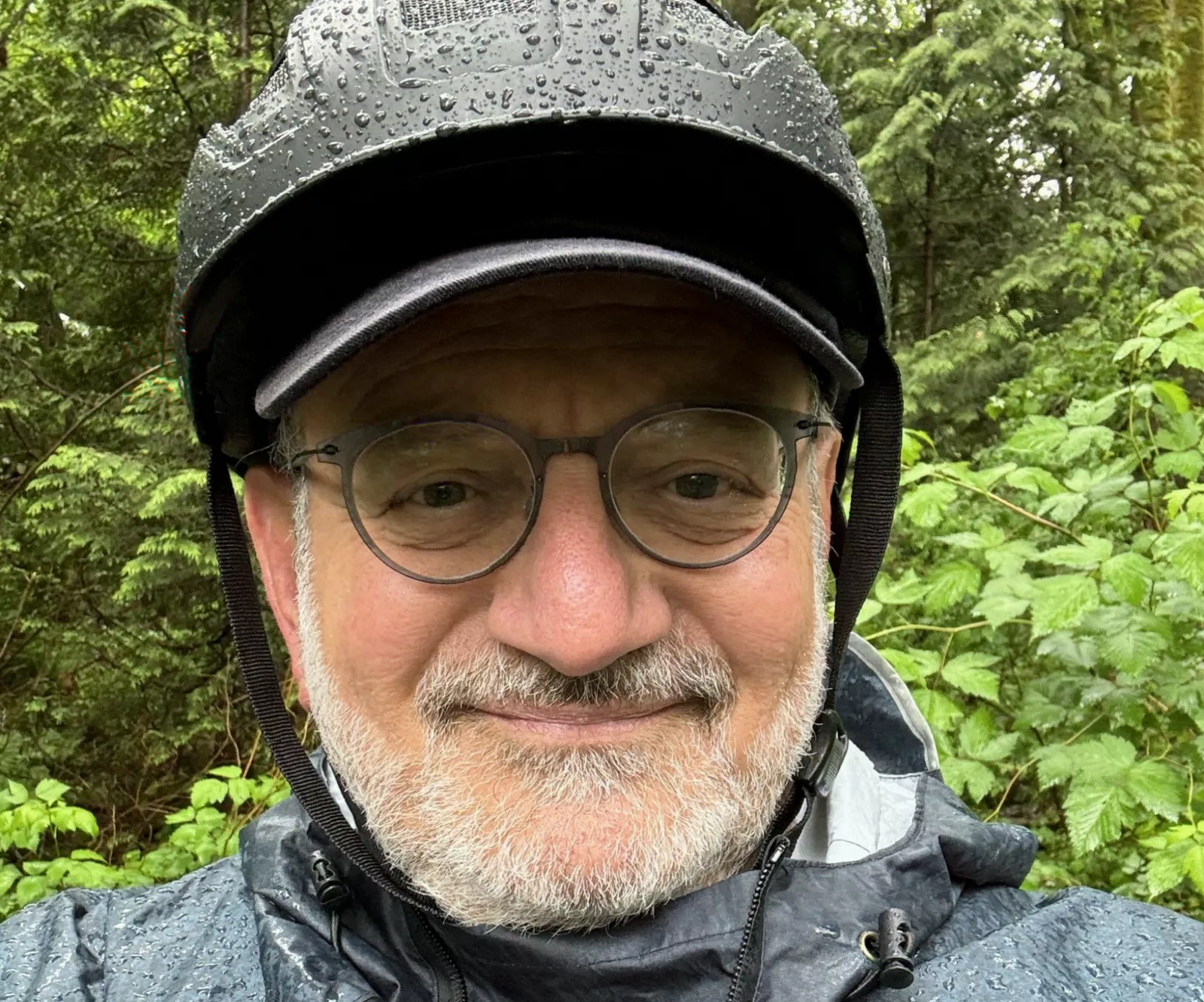
His personal life also changed. He and Talyn divorced amicably, and he says they remain close, as do his daughters. He has written three books and is about to start a five‑day retreat in the UK for retirees seeking a fresh start.
Now 71, the man says the work he does—mentoring others to find purpose after retirement—is what gives meaning to his life. “Because tomorrow is not guaranteed,” he reflected. “I plan to make the most of my ‘bonus’ time.”