


A student has died from meningitis in Reading, the UK Health Security Agency (UKHSA) has confirmed, as health officials work to contain an outbreak that has left two other students in hospital.
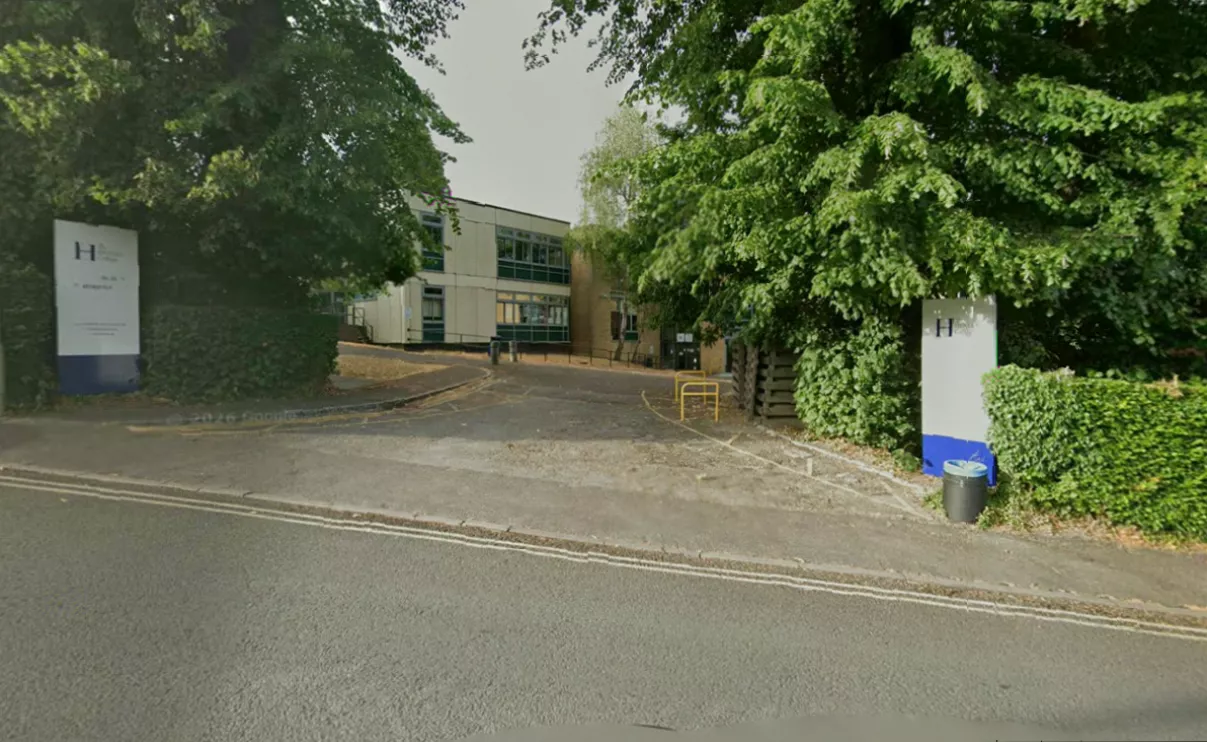
The three affected individuals all attend different schools in the area, the agency said in its latest update. The student who died was a pupil at Henley College in Oxfordshire; the other two cases are linked to schools in the Reading area. All three are being treated for the infection.
Close contacts of the patients have been offered antibiotics as a precaution, and the UKHSA has stressed that the risk to the wider public remains low. Information about meningitis symptoms has been shared with students and parents at the affected schools.
Strain identified – and why it matters
At least one of the three cases has been confirmed as Meningitis B (MenB), though further testing is under way for the other two. Crucially, health officials have stated that the strain behind this Oxfordshire outbreak is a different form of MenB from the one that caused a separate, larger outbreak in Kent earlier this year.
Meningitis B is a bacterial infection that attacks the protective membranes around the brain and spinal cord. It can also lead to septicaemia – blood poisoning – and can become life-threatening within hours. In the UK, MenB accounts for the majority of meningitis cases in young people, and rates have been climbing since the end of Covid-19 restrictions.
The strain identified in the Kent outbreak was also MenB, but experts at the time described it – within the group B meningococci, sequence type 485, part of the clonal complex ST-41/44 – as appearing to be a new subvariant. The current Oxfordshire strain has been confirmed as different, though the UKHSA has not yet released the specific typing.
Because the number of confirmed cases in Reading remains low, health officials have said there are currently no plans for a local emergency meningitis vaccination programme.
Neither vaccine currently available in the UK – the MenACWY jab, offered to teenagers, and the MenB jab, offered to infants since 2015 – provides protection against all strains of meningitis. Older teenagers and students may not have received the MenB vaccine unless privately funded, which means the current outbreak could affect individuals without prior immunity to that particular strain.
The Kent outbreak in context
The Kent outbreak, which unfolded earlier this year, was far larger. At least 18 confirmed and 11 probable cases – 29 in total – were linked to a Canterbury nightclub, Club Chemistry, and affected mostly students aged 18 to 21. Two people died, among them an 18-year-old student named Juliette Kenny, described by her family as “fit, healthy and strong” before her death. The speed of the spread was described as “unprecedented” by the UK Health Secretary at the time.
While both outbreaks involve MenB, the difference in strains means they are not directly linked. The Reading cases appear to be a separate event, with the UKHSA monitoring the situation closely.
Henley College has said it is supporting affected individuals within its community and following UKHSA guidance, but has not provided further details out of respect for the family. The University of Reading, which has no reported cases among its own students, has reminded students and staff to be aware of meningitis symptoms and to check their vaccination status. One local pharmacy, Wheatley Pharmacy, has reported having MenB vaccine in stock due to increased local interest.
Public health officials continue to advise that anyone with symptoms – which can include fever, severe headache, stiff neck, dislike of bright lights, vomiting, drowsiness, confusion, or a rash that does not fade under pressure – should seek urgent medical attention. Meningitis can develop rapidly, and early treatment is critical.