

Tributes have been paid to a 17-year-old student who died within hours of falling ill with meningitis B, as health officials confirmed a fourth case in the Reading outbreak – this time in a primary school pupil.
Lewis Waters, a pupil at Henley College in Oxfordshire, became unwell last Tuesday and developed sepsis “within a few hours”, his father Simon Waters said. “Words simply can’t describe the heartbreak and upset we’re going through,” he added.
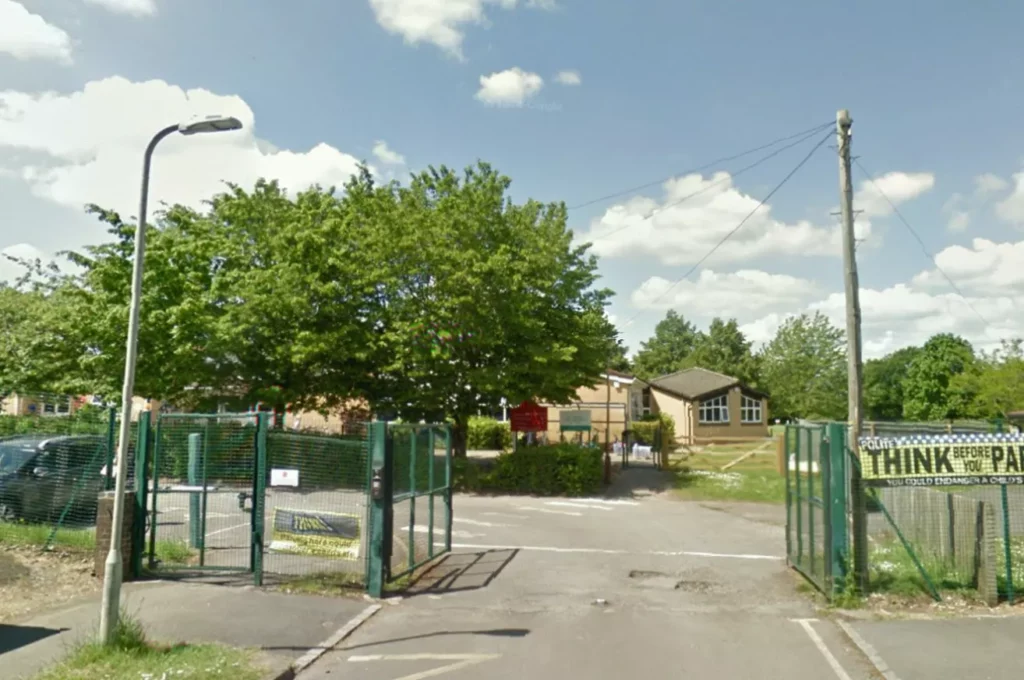
His death is one of four cases of meningococcal disease now linked to the same wider social network in Reading. The UK Health Security Agency (UKHSA) has confirmed a fourth patient – a child at Westwood Farm Junior School in Tilehurst – has been diagnosed with meningitis B. The school caters for children aged 7 to 11, and the pupil is in Year 4, according to UKHSA.
Dr Rachel Mearkle, a consultant in health protection at UKHSA, said the child was “recovering well” and that information on signs and symptoms had been shared with parents and carers at the school. “This fourth case has links with the same wider social network as the other cases, where measures, including antibiotic prophylaxis, have already been implemented,” she added.
Affected schools and public health response
Alongside Lewis Waters, two other pupils are receiving treatment: one from Reading Blue Coat School, an independent day school in Sonning for pupils aged 11 to 18, and another from Highdown Secondary School and Sixth Form Centre, an academy in Emmer Green. UKHSA confirmed that close contacts of the cases have been offered precautionary antibiotics.
Henley College issued a statement expressing its “thoughts and sincere condolences” and said it was “following the advice and guidance given by the UK Health Security Agency”.
Dr Mearkle stressed that “the risk to the wider public remains low” and that this Reading outbreak is not linked to the separate incidents in Kent or Dorset. UKHSA announced on Friday that the strain circulating in Reading is different from the one responsible for the deadly outbreak in Kent in March, in which a university student and a Year 13 pupil died.
Meningitis B: symptoms, transmission and vaccination
Meningococcal bacteria can cause both meningitis – inflammation of the membranes around the brain and spinal cord – and septicaemia, or blood poisoning. The disease can develop rapidly and become life-threatening.
According to NHS advice, common symptoms include a high temperature, headache, stiff neck, vomiting, confusion, and a rash that does not fade when pressed against a glass. In teenagers and young people, additional warning signs can include fever, cold hands and feet, severe muscle pain, pale or blotchy skin, and seizures. The NHS urges people to trust their instincts and seek urgent medical help if meningitis is suspected, even if not all symptoms are present.
The bacteria spread through close contact such as coughing, kissing, or sharing drinks. Teenagers and young adults are at higher risk because a higher proportion carry the bacteria in their throats. While anyone can contract meningitis, it is more common in babies, children, teenagers and young adults.
Under the current UK immunisation schedule, the MenB vaccine is routinely offered to babies at 8 weeks, 16 weeks, and 12 months, but is not routinely offered to teenagers or young adults. A separate MenACWY vaccine is offered to teenagers around age 14 (school Years 9 and 10) and as a free catch-up for individuals up to age 25, particularly new university entrants. The Joint Committee on Vaccination and Immunisation (JCVI) is currently reviewing whether to extend MenB eligibility to adolescents.
Calls for vaccine access to be widened
The Reading outbreak has reignited calls for the government to remove what campaigners describe as a cost barrier to life-saving vaccines. Alex Stanley, vice president of the National Union of Students, said: “We are sadly once again seeing the fast-paced awfulness of meningitis B. We urge everyone in the surrounding areas to follow the advice of government health officials and to be acutely aware of the signs of illness. There should never be a cost barrier to lifesaving vaccines, and we need to see the Government offer the meningitis B vaccine to all young people on the NHS.”
Dr Mearkle reiterated that the fourth case is recovering and that the risk to the wider public remains low. She added: “This case is not linked to the incidents in Kent or Dorset.”