


Leeanne Grassnick was diagnosed with incurable colon cancer that had already spread to her liver, a discovery that came months after she dismissed her symptoms as the ordinary exhaustion of new motherhood.
The 42-year-old from South West London gave birth to her son in December 2021 and caught Covid-19 just three days later. The tiredness that followed, along with rapid weight loss and constant infections, she assumed were all part of recovering from childbirth while surviving on minimal sleep. “As a new mother these are all things you have when you have just had a baby so it is very scary for a new mum because you don’t know if it is what you are supposed to be feeling or whether it was something more serious,” she said.
By April 2022, during a family holiday in Corfu, the symptoms became impossible to ignore. Leeanne began struggling to walk long distances and developed severe pain around the side of her ribcage. “It’s our happy place and we go there every year. But I just wasn’t able to enjoy it,” she said. The pain became so intense she ended up in A&E, where doctors found irregularities in her liver tests. She was initially told to return for an outpatient ultrasound weeks later, but her wife, Emma Davies, 36, pushed for scans to happen sooner.
That urgency proved vital. Emma is a doctor who was carrying out a PhD in cancer research at the time. “She is my lifesaver because without her I don’t think I would be here today,” Leeanne said. Scans revealed 22 lesions on Leeanne’s liver. In May 2022, she was diagnosed with colon cancer that had metastasised to her liver. Further tests identified the BRAFV600E mutation, an aggressive and extremely fast-growing type of bowel cancer. Doctors told her the cancer was incurable and gave her just a year to live.
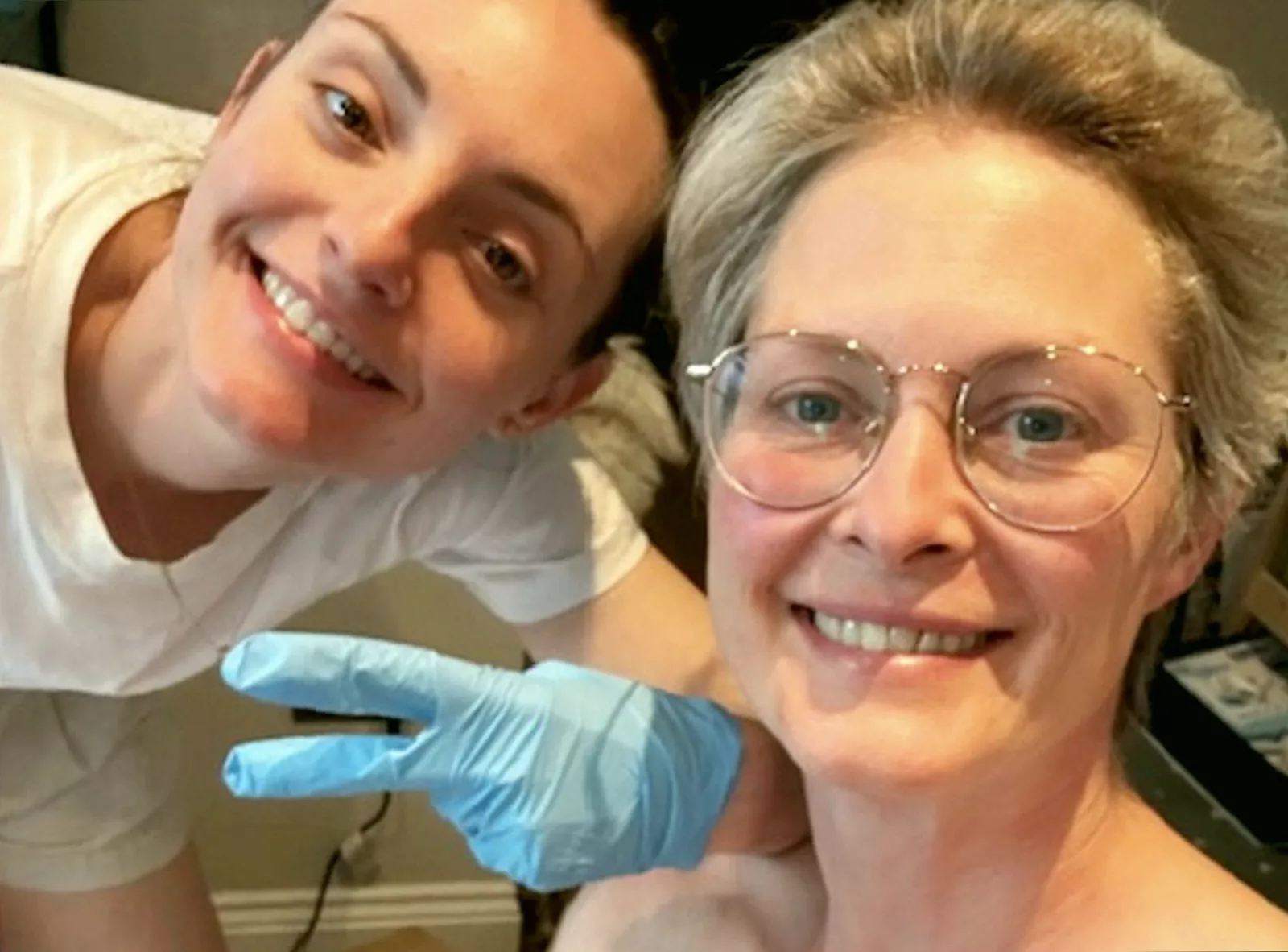
“I had a panic attack. I just couldn’t breathe. I felt like everything just kind of went into a daze around me. I just remember looking at my wife and she was just pale and completely speechless,” she said. “It was horrendous.”
Leeanne began chemotherapy at The Royal Marsden in London on May 21, 2022. She initially received a three-drug regimen, FOLFOXIRI, known to be intensive, and has since undergone more than 60 rounds of treatment. She has also been on targeted therapy including Avastin (bevacizumab), which works by preventing tumour blood vessel growth. In September 2025, following disease progression, she switched back to FOLFOXIRI and received CyberKnife radiotherapy for a specific liver tumour.
Although surgery was considered multiple times, doctors were unable to remove the tumours because they had not shrunk enough. A proposed two-stage liver resection with simultaneous removal of the primary colon tumour was deemed too risky, as it would have required coming off chemotherapy for an extended period. Leeanne is now exploring options abroad, including treatments in Germany and the United States. One treatment she has looked into is Histotripsy, a non-invasive ultrasound procedure that destroys tumour cells. While Cambridge University is exploring the treatment, it is currently far more accessible in the US, where one round can cost between $30,000 and $50,000. Histotripsy has received FDA approval in the US for liver tumours and is now being made available in the UK at Cambridge University Hospitals NHS Foundation Trust and privately at The Wellington Hospital in London. In Germany, advanced treatments include TACE, TACP, and dendritic cell therapy.
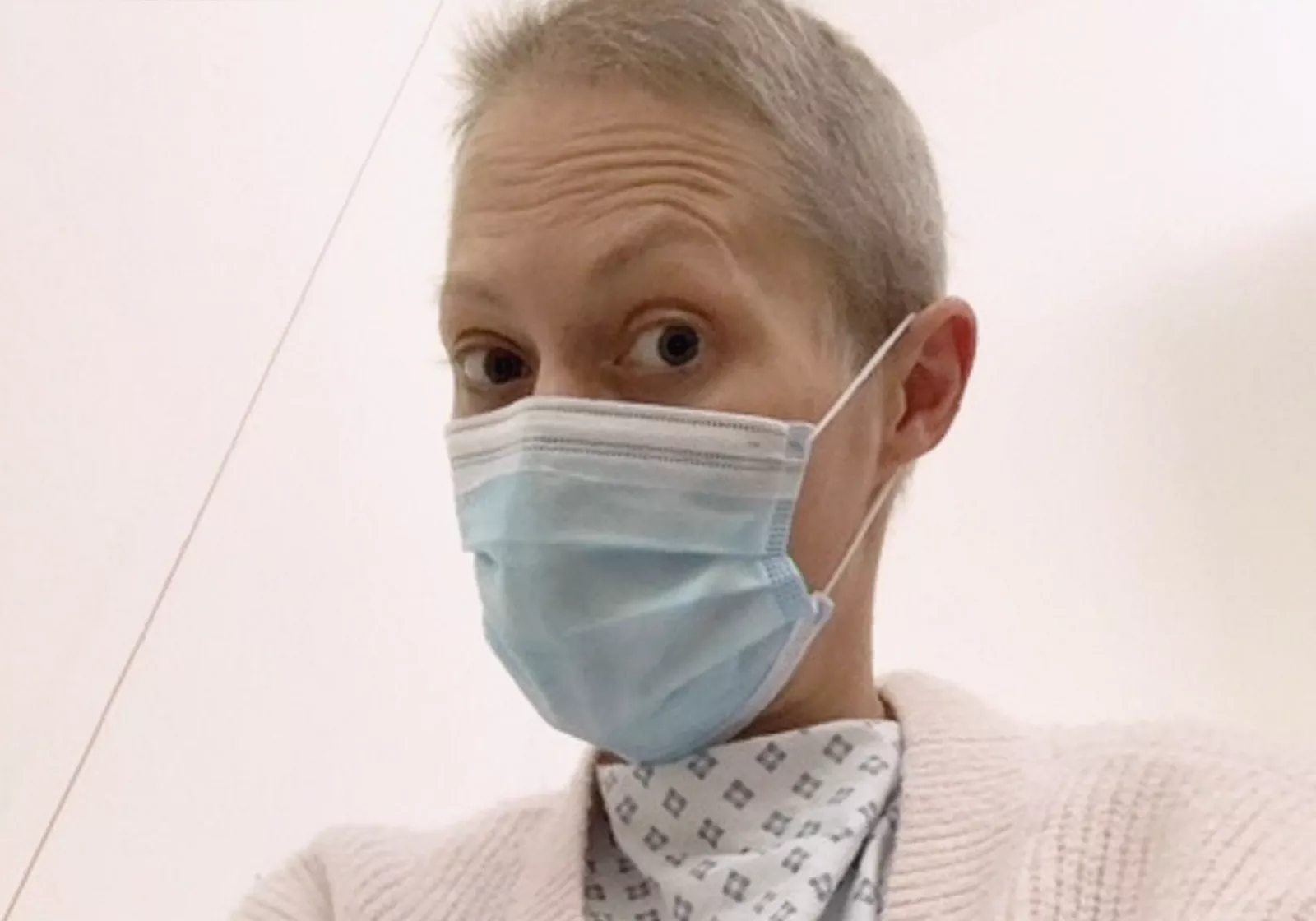
The emotional toll of motherhood
Leeanne says motherhood has become one of the most emotionally difficult parts of her diagnosis. Because of chemotherapy, she spent huge amounts of time in hospital while her son was cared for by a nanny. “Because of my chemotherapy I wasn’t allowed to breastfeed anymore, getting him on to the bottle was so hard – and I couldn’t spend any time with him he had to spend it with the nanny – I was just so ill and constantly in hospital,” she said. “It was a really big separation for me and him and that was really painful and traumatic.”
For much of her son’s first year, Leeanne was often too unwell to even lift him properly. The cancer had robbed her of the version of motherhood she had imagined. “I really struggled because I felt like I wasn’t able to be the mother that I wanted to be. I was in so much pain for most of the first year that I often couldn’t lift him,” she said.
The emotional conflict was profound. “On one hand, I just wanted him close to me all the time because I wanted him to know how much I love him. But at the same time I worried that actually, is it better to die now so that he doesn’t have any emotional pain from it. As he’s gotten older, the more he’s actually become attached and understands the situation.”
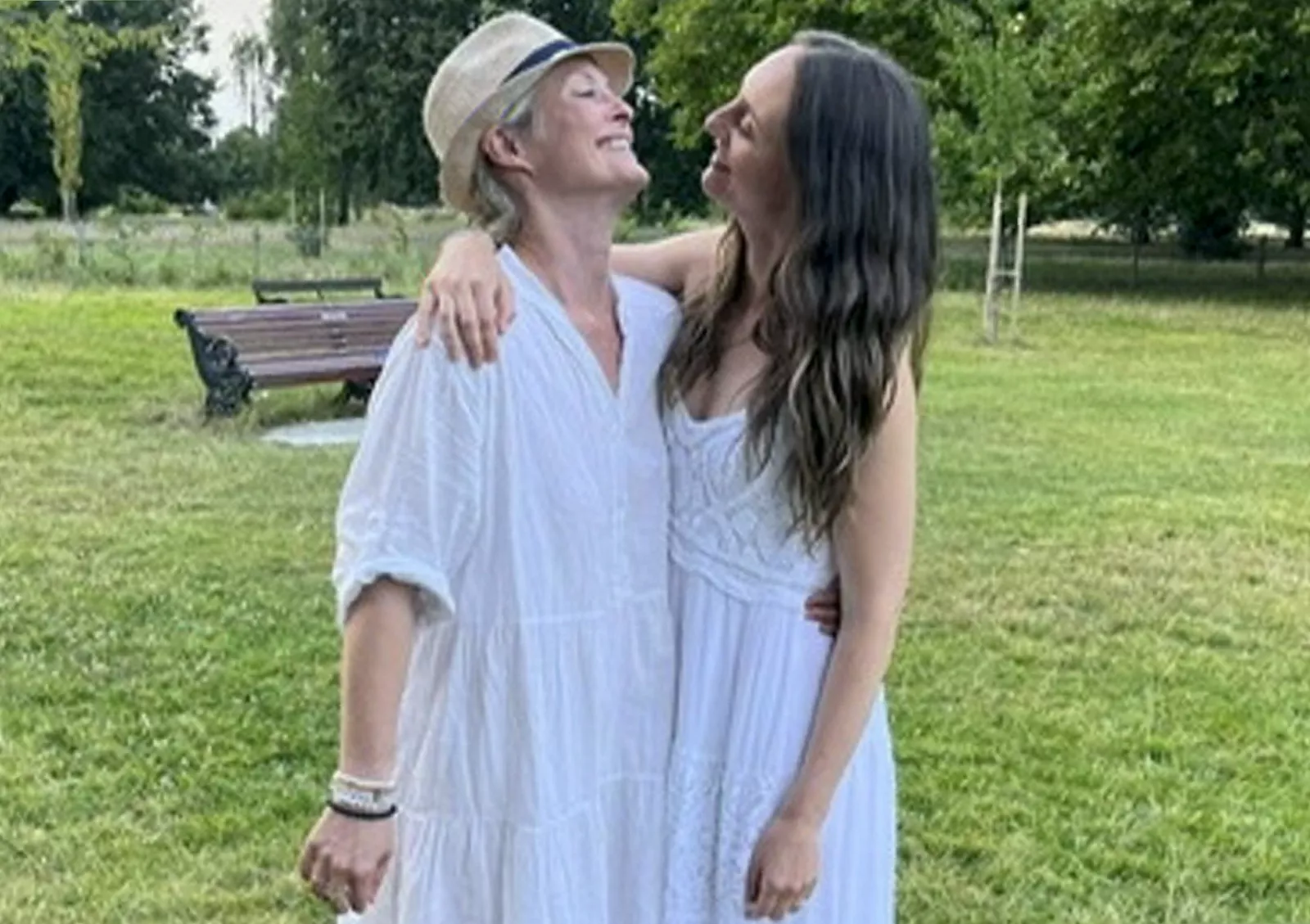
Leeanne and Emma have launched a JustGiving page to help cover the huge costs associated with treatment and living with cancer. The fundraiser has drawn support from JustGiving itself. Pascale Harvie, President and General Manager of JustGiving, said: “It’s impossible to fully grasp the emotional and physical weight that this diagnosis has placed on Leeanne and her family. Yet throughout it all, Leeanne’s determination and resilience have been nothing short of extraordinary. At every stage, she has continued to defy the odds time and time again.”
The family also faces significant financial pressure from international consultations, specialised genomic testing, travel, accommodation, and the need for full-time carers. Despite the grim prognosis, Leeanne has said: “I don’t want to give up.” She believes in the evolving nature of science and her own resilience.