

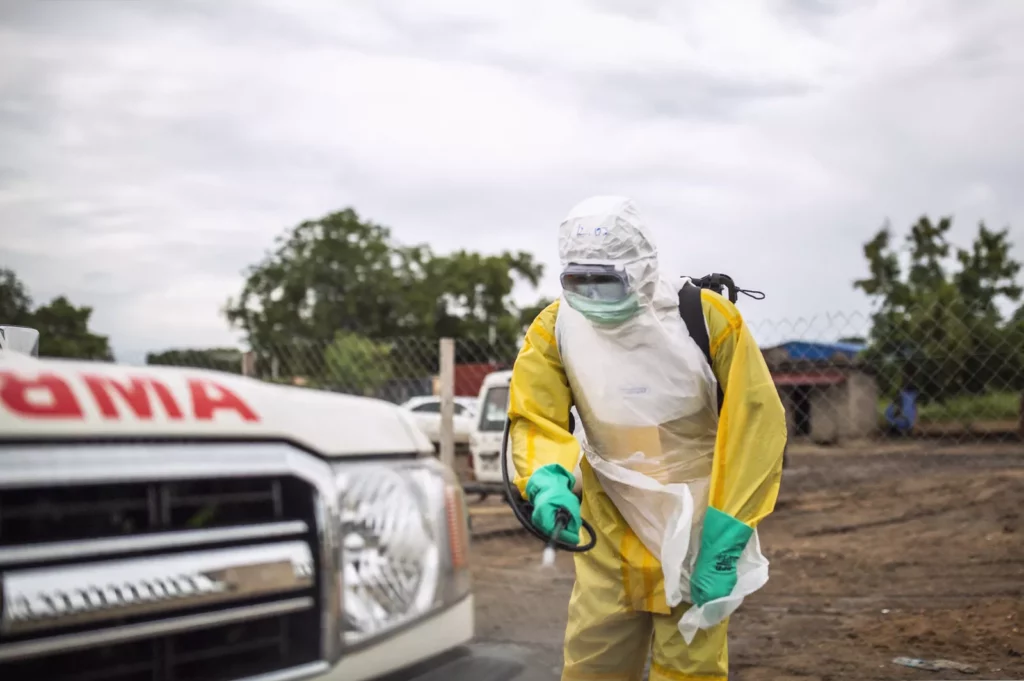
A new, potentially unidentified strain of Ebola may be behind the outbreak in the Democratic Republic of the Congo that has killed 65 people, according to preliminary laboratory analysis shared by the Africa Centres for Disease Control and Prevention.
Strain uncertainty
The Institut National de Recherche Biomédicale, the DRC’s national research facility, has confirmed the presence of Ebola in 13 out of 20 samples examined. However, early results suggest the virus responsible may represent a previously unknown type, or a non-Zaire ebolavirus. Reports indicate it could be the Bundibugyo strain, which was first identified in Uganda in 2007 and carries a case fatality rate of approximately 32 per cent, according to historical data.
This distinction matters because the two licensed vaccines prequalified by the World Health Organization both target the Zaire strain, the most common and deadliest variant to cause outbreaks in the DRC. No licensed vaccine or treatment exists for the Bundibugyo virus. Full genetic sequencing results, which will confirm the exact strain, are anticipated within the next day, the Africa CDC said.
The uncertainty has added urgency to the response. Previous outbreaks in the DRC have typically involved the Zaire strain, against which effective vaccines exist, but if the current outbreak is caused by a different ebolavirus, the tools available may be far less effective.
Outbreak in Ituri province
The outbreak is concentrated in the eastern province of Ituri, which borders both Uganda and South Sudan. The Africa CDC has reported 246 suspected infections and 65 deaths, four of which have been laboratory-confirmed. The affected areas are primarily the Mongwalu and Rwampara health zones, with suspected cases also emerging in the provincial capital, Bunia.
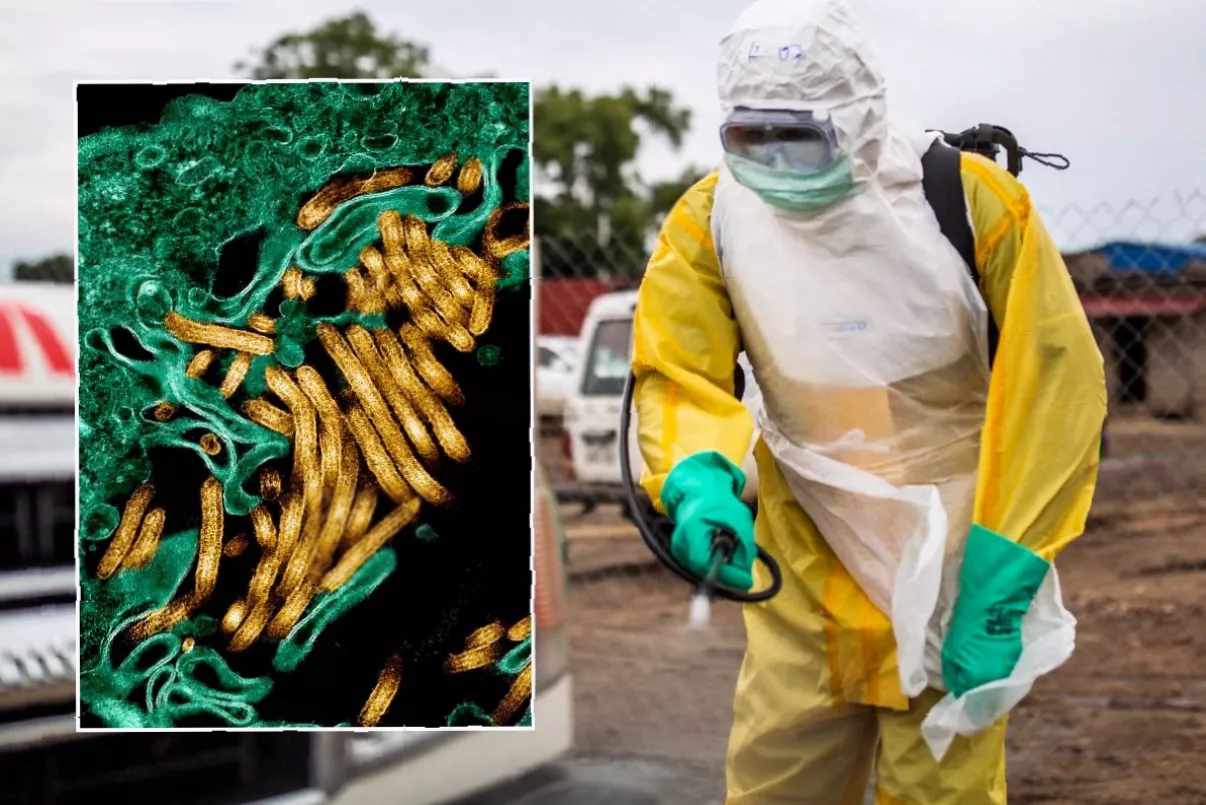
The presence of bustling mining communities throughout the region has complicated containment efforts. These towns experience constant population movement, and mining activities can create social and ecological disruptions that may encourage disease emergence. In the past, mining settlements have also been destinations for people fleeing other outbreaks, further increasing population density and movement.
Health authorities have expressed particular concern about the potential for cross-border transmission. In response, the Africa CDC convened an emergency high-level coordination meeting on Friday, bringing together representatives from the DRC, Uganda and South Sudan, along with the World Health Organization, UNICEF and pharmaceutical companies. Dr Jean Kaseya, director general of Africa CDC, said: “Africa CDC stands in solidarity with the government and people of the Democratic Republic of the Congo as they respond to this outbreak. Given the high population movement between affected areas and neighbouring countries, rapid regional coordination is essential.”
Uganda’s Ministry of Health has already confirmed one imported case involving a Congolese man who died in Kampala. Samples from the deceased patient tested positive for the Bundibugyo strain. All contacts of the individual have been quarantined, and Uganda has not yet confirmed any local cases.
The World Health Organization is scaling up support, deploying additional expertise and resources. It has already sent a team to investigate the outbreak and collect samples, released $500,000 to aid the response, and is airlifting five metric tonnes of essential supplies to Bunia. The US Centers for Disease Control and Prevention is also monitoring the situation and has experts in the DRC working alongside the Ministry of Health.
Expert analysis
The DRC has now experienced 17 Ebola outbreaks since the virus was first identified within its borders in 1976. The most recent outbreak concluded in December 2025, with 64 cases and 45 deaths. The deadliest outbreak, from 2018 to 2020, involved the Zaire strain and resulted in over 3,400 reported cases and more than 1,000 deaths.
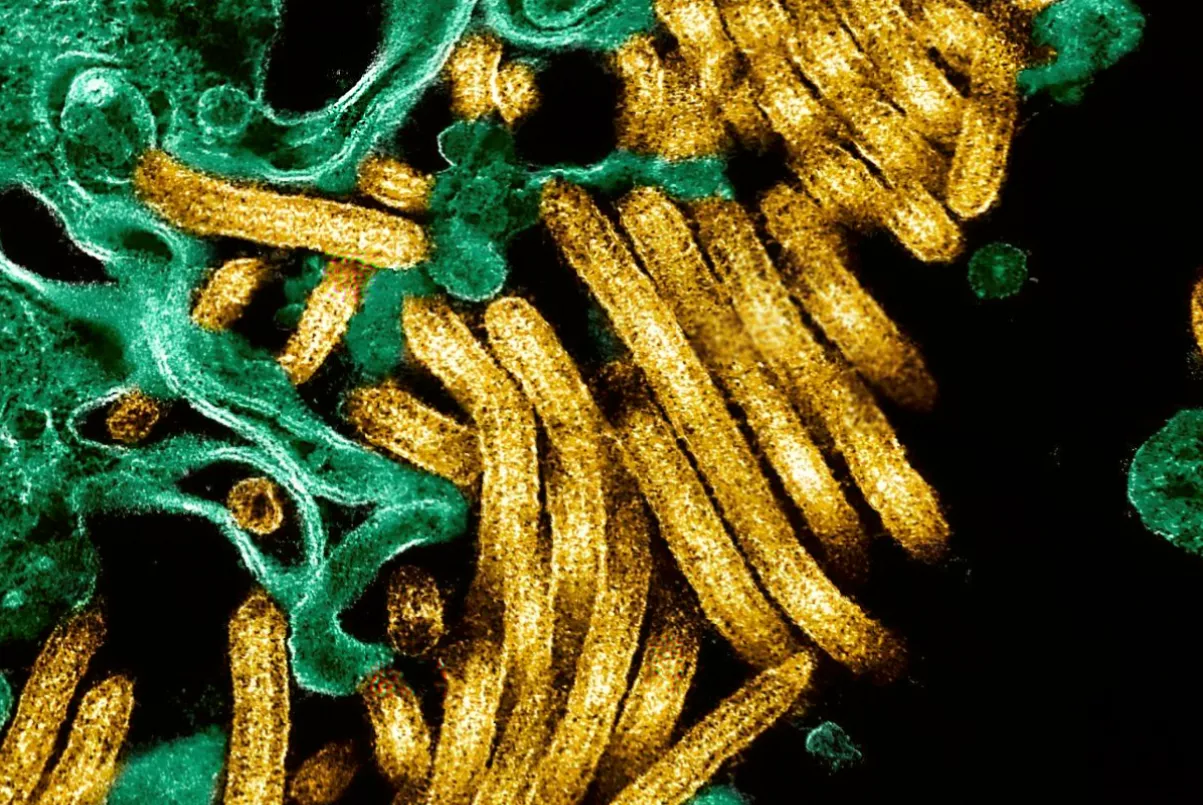
Dr Michael Head, senior research fellow in global health at the University of Southampton, said: “The Democratic Republic of the Congo often sees fatalities from Ebola. There is likely a perfect storm of factors that cause these regular outbreaks.” He pointed to close human contact with animal reservoirs — most likely bats, but possibly primates — as one factor, along with the movement of people between rural and urban environments, the tropical climate, and the high rainforest coverage.
Additional challenges include insecurity and ongoing conflict in eastern DRC, which have hampered previous control efforts, affecting surveillance, contact tracing and vaccination campaigns. Violence targeting healthcare workers and treatment centres has also fuelled mistrust among local populations. Poor road networks and the distance of over 620 miles from the capital, Kinshasa, add further operational difficulty.
Ebola is transmitted through direct contact with bodily fluids from infected individuals — including blood, urine, faeces, vomit, saliva, sweat, semen and breast milk — as well as contaminated surfaces and materials. Burial practices involving preparation of the deceased also carry a high risk of transmission. Fruit bats are considered the most likely natural reservoir for the virus.
Of the six known ebolaviruses, four cause severe disease in humans: Zaire, Sudan, Bundibugyo and Taï Forest. The current outbreak, with its suggestion of a non-Zaire strain, underscores the gap in preparedness for variants that lack licensed vaccines or treatments. The effectiveness of any potential vaccine for this strain remains uncertain.