

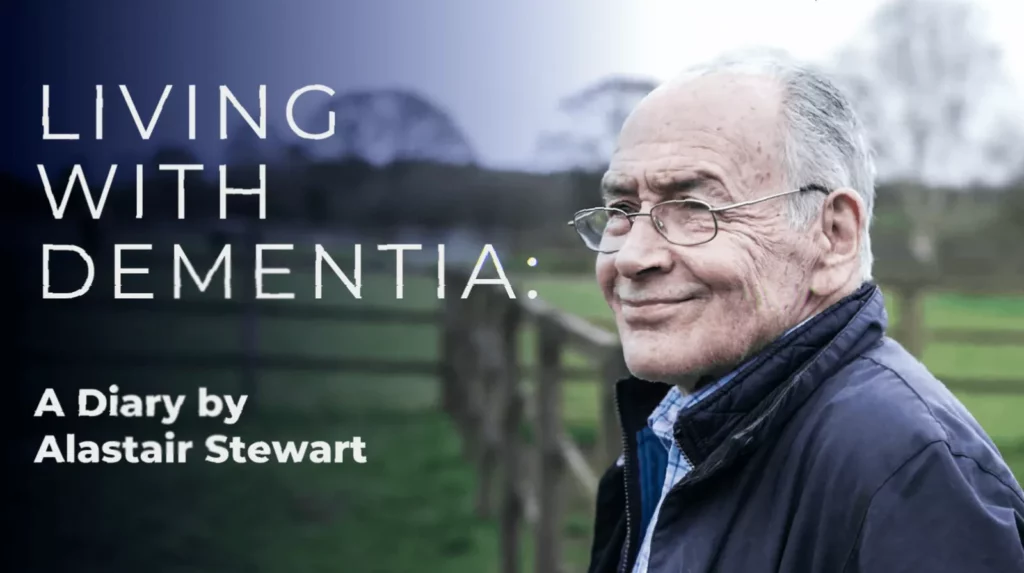
Alastair Stewart, the former broadcaster who disclosed he was living with early-onset vascular dementia in September 2023, has described a moment of confusion at an Alton Station ticket machine that left him “extremely worried” after his bank flagged a series of mistaken payments.
Travelling home from a conservation event in London with his wife Sally, Stewart said he tapped the contactless point on the machine several times without realising. “I explained I have dementia and can easily become confused in situations like that,” he wrote. The bank was “extremely understanding”, noting his condition and sending details of an app designed to help people use electronic banking more safely.
Stewart, who has been open about the cognitive challenges of his diagnosis, said: “I do wish ticket offices stayed open longer. They are enormously helpful for those of us living with conditions such as dementia. The Alton station team is always terrific, but ticket machines can be very complicated. Many of us with dementia much prefer dealing with people. It feels safer and more reassuring.”
A night for conservation
The couple had been invited to the event by their friend Daisy Bunn, part of the family behind Hickstead, the home of British show-jumping. Daisy and her music-producer husband own a home in Sri Lanka and also support an educational charity there. The evening featured “superb photography” of the island’s endangered flora and fauna, as well as a short film about the water hyacinth industry.
In Sri Lanka, water hyacinths are an invasive species that damage biodiversity and water quality. Stewart noted that men farm the plants while women harvest the raffia-like roots to weave bags and boxes – an industry now being developed through initiatives such as the ‘Hyacinthesis’ Accelerator, supported by organisations including the Lanka Environment Fund and Scott Dunn.
The Sri Lankan High Commissioner attended, which Stewart described as “a real compliment to the charity and its work”. Countryfile presenter Anita Rani was also there. The High Commission in London has been active in cultural diplomacy, hosting events such as a “Crafting Sri Lanka’s Global Future” exhibition in December 2025 and a tourism promotion event earlier that year.
The daily reality of dementia
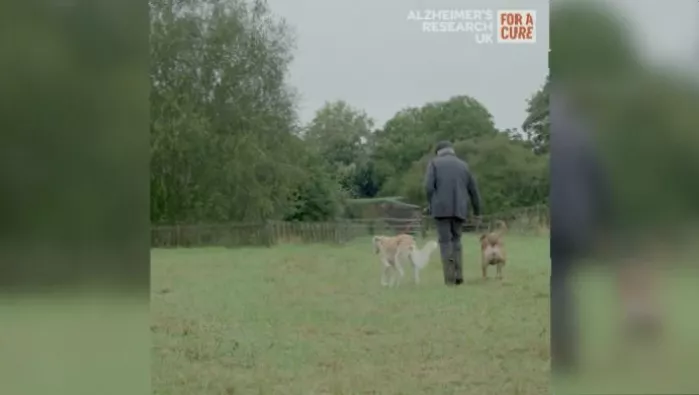
Stewart’s diagnosis came after a series of minor strokes. He has since become a prominent spokesman for Alzheimer’s Research UK, using his public profile to highlight the practical difficulties dementia creates. He has changed his lifestyle – stopping smoking, increasing dog walks, and doing puzzles – but has spoken candidly about the toll on his wife, Sally, who has been “reduced to a carer”.
The encounter at Alton Station is a telling example of how even routine transactions can become fraught. Stewart’s bank responded by sending information about a safety app, but he remains concerned about the decline of staffed ticket offices – a worry shared by many dementia charities. For those with cognitive impairments, human interaction provides a crucial safeguard. Ticket machines, with their multiple steps and small screens, can quickly become overwhelming.
Stewart’s own experience mirrors that of thousands of people living with dementia in the UK, for whom the loss of face-to-face services adds an extra layer of anxiety to daily life. As he put it: “We much prefer dealing with people.”
Political manoeuvres and personal kindness
Alongside his personal reflections, Stewart turned his attention to Westminster. The week was dominated by Labour leadership speculation after the BBC’s Ten O’Clock News reported that Andy Burnham had “fired the starting gun” by seeking the nomination for Makerfield, a seat vacated by Josh Simons – a former director of the influential Labour Together think-tank, who had a background in AI research. The following day’s lunchtime bulletin offered a more measured assessment: no prospective candidate yet had the necessary nominations, and Burnham would still need to win the seat before any wider ambitions could come into play.
At Prime Minister’s Questions, MPs pressed Keir Starmer on whether he backed Burnham or Wes Streeting – the former Health Secretary who has called Brexit a “catastrophic mistake” – on the issue of EU membership. Stewart noted that the jockeying made for “lively” exchanges and that he had “expected this week’s parliamentary exchanges to be especially bruising, and they did not disappoint”.
Debate over sanctions against Russia became particularly heated, with criticism that the Government was watering down measures because of the energy price crisis. Kemi Badenoch produced a memorable line: “We’re going to buy more Russian oil and impose price caps in supermarkets. It’s as if the Soviet Union won the Cold War.” When Green MP Hannah Spencer – a plumber who entered politics after opposing greyhound racing, and who won the Gorton and Denton by-election in February 2026 – challenged Starmer, he replied: “The Greens think their leader walks on water. We now know he lives on water but doesn’t pay the right council tax.”
Away from the political fray, Stewart received a letter from his old friend Christian May at City AM, who said he missed the clarity Stewart brought to news and current affairs. They are now arranging a catch-up. GB News Royal Editor Cameron Walker – who worked with Stewart on the coverage of the Queen’s death – posted a touching message saying he had grown up watching Stewart present the news. “I told him I was deeply honoured,” Stewart wrote.
Closer to home, Sally organised a full family dinner party to say goodbye, for now, to their children Clem and Brian. Stewart described the joy of “watching the grandchildren feed strawberries to the tortoise in a room overflowing with toys, books and laughter”.
He also heard from Peter, Lord Chadlington – brother of John Gummer and a long-standing figure in public affairs – who wrote of his regular lunches with Cambridge friends, gatherings they have maintained for more than fifty years at White’s Club. One of those guests, Lord Chadlington told Stewart, is also living with vascular dementia. Lord Chadlington, who resigned from the House of Lords and the Conservative Party in March 2026 following an investigation into his conduct, ended his email with a line that moved Stewart profoundly: “We send you our very, very best and thank you for those lovely memories.”