


British scientists are developing a vaccine that could rejuvenate exhausted immune cells, an approach that promises to transform the body’s ability to fight age-related diseases by restoring youthful defensive functions. The treatment, created by researchers at University College London (UCL) and the biotechnology firm SenTcell, targets the deteriorated T-cells that accumulate as people grow older or develop chronic conditions.
The therapy is designed to address a fundamental problem of ageing: the progressive decline of the immune system. As individuals age, vital white blood cells called T-cells become increasingly ineffective at coordinating protection against infections and malignancies. This deterioration, known as immunosenescence, leaves people more susceptible to illnesses and reduces the body’s capacity to fight disease. The research team believes that resetting these fatigued cells could restore youthful immune characteristics, potentially offering new hope for patients battling cancer, HIV and dementia.
Targeting the immune system’s directors
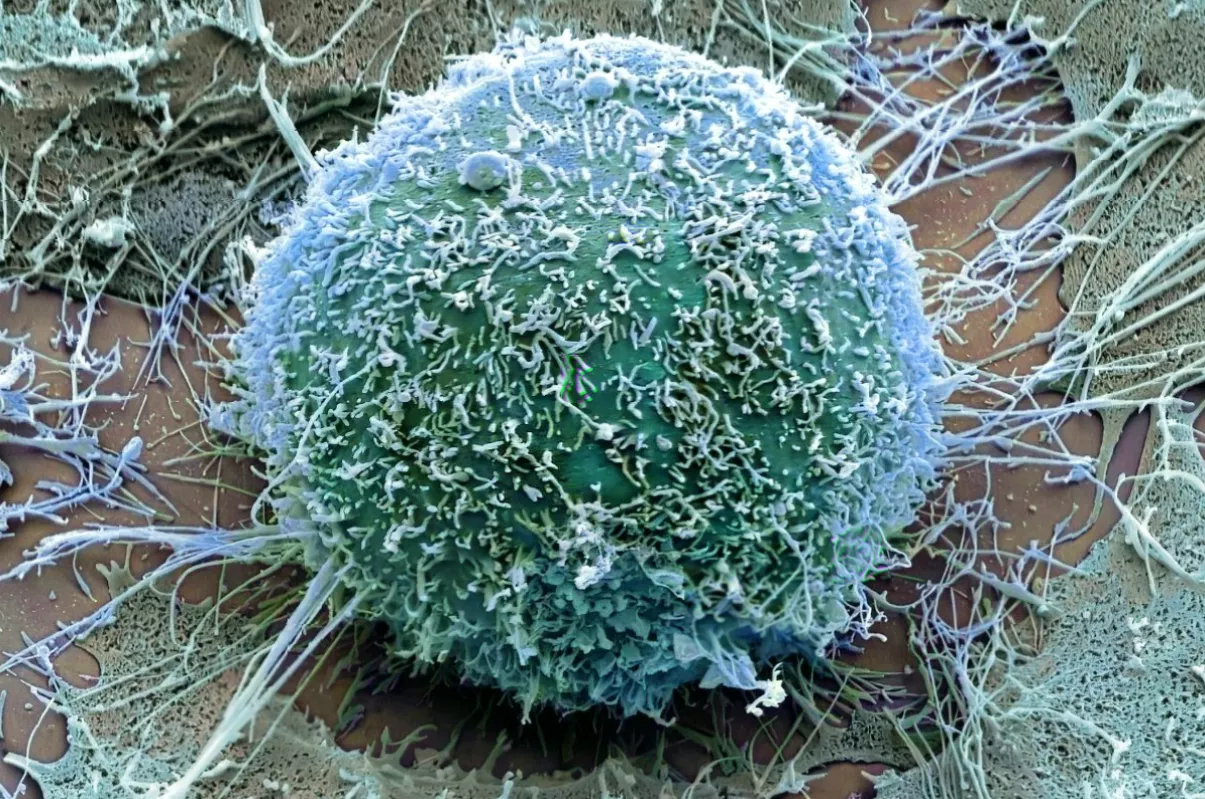
The vaccine specifically targets CD4+ T-cells, which function as the conductors of the immune system. These cells guide other defensive cells to tackle infections and malignancies, making them critical for an effective immune response. The therapy works by metabolically resetting these exhausted or senescent T-cells, reprogramming key pathways that lead to immune dysfunction. Administered as a liquid formulation via intramuscular injection—similar to conventional vaccines—the treatment aims to restore hallmarks of healthy immune function.
Within each cell, protective caps called telomeres shield chromosomes from damage. These structures progressively shorten with each cell division, acting as an ageing clock. Critically short telomeres can lead to genome instability, cellular senescence and cell death. Immune cells, particularly lymphocytes, undergo significant proliferation, making telomere dynamics crucial for maintaining function. Laboratory research has indicated that revitalised CD4+ T-cells might discharge telomere-containing structures—sometimes referred to as “telomere rivers”—into the bloodstream. Investigators wish to explore whether this mechanism could explain how renewed immune cells affect tissue health throughout the body. This concept, however, remains under investigation and has yet to be confirmed in human subjects.
The science addresses a broader phenomenon known as “inflammaging”—a state of chronic low-grade inflammation that is a hallmark of ageing and contributes to many age-related diseases. By rejuvenating immune cells, the therapy could potentially mitigate this inflammatory state. Dr Alessio Lanna, an Honorary Professor at UCL who founded SenTcell, has been researching cellular ageing and T-lymphocyte senescence for years. His work has focused on identifying mechanisms that confer longevity to T-cells and the role of what he calls the “sMAC” (Senescent Macromolecular Complex) in immune system decline.
First human trial on the horizon
UCL researchers are currently preparing for a first-in-human Phase 1 clinical trial, which is expected to commence later this year. The programme has secured backing through the Medicines and Healthcare products Regulatory Agency’s (MHRA) Innovative Licensing and Access Pathway (ILAP), a scheme designed to accelerate the development and patient access to transformative medicines that address significant unmet needs. The ILAP involves coordinated guidance from regulators, the NHS and health technology assessment bodies.
The trial will recruit adult participants experiencing immune dysfunction, including those with immune ageing and chronic viral infections. “People living with HIV are now able to live long and healthy lives thanks to major advances in treatment, but many still experience features of accelerated immune ageing. Similar patterns of immune dysfunction are also seen in cancer and other chronic diseases,” Dr Lanna said. “This trial is an important step towards testing whether we can safely rejuvenate exhausted immune cells and restore aspects of healthy immune function.”
Each participant will undergo comprehensive immune profiling both before and after receiving the treatment. As an early-stage trial, the primary goals are to assess the safety and biological activity of the therapy. Investigators will evaluate whether it can restore hallmarks of healthy immune function. According to research background provided to this newsroom, there are conflicting reports regarding SenTcell’s funding status: one source indicates the firm is accelerator or incubator backed with a funding round completed on 1 November 2024, while another states it has not raised any funding rounds yet. The company was founded by Dr Lanna to develop this promising approach to immune restoration.
Should the approach prove successful, immune rejuvenation could emerge as a revolutionary treatment strategy—restoring the body’s natural defences rather than targeting individual diseases separately. The potential applications extend beyond cancer, HIV and dementia to other conditions characterised by immune exhaustion, including chronic infections and autoimmune diseases. The development of CAR T-cell therapy for cancer immunotherapy offers a precedent for engineered cell-based treatments, and research is also exploring CAR T-cells for targeting senescent cells, with promising preclinical results in improving metabolic function and preventing age-related decline. For now, the British team is focused on the first steps: proving the therapy is safe and that it can indeed wake up the exhausted immune cells that have so far evaded rejuvenation.