

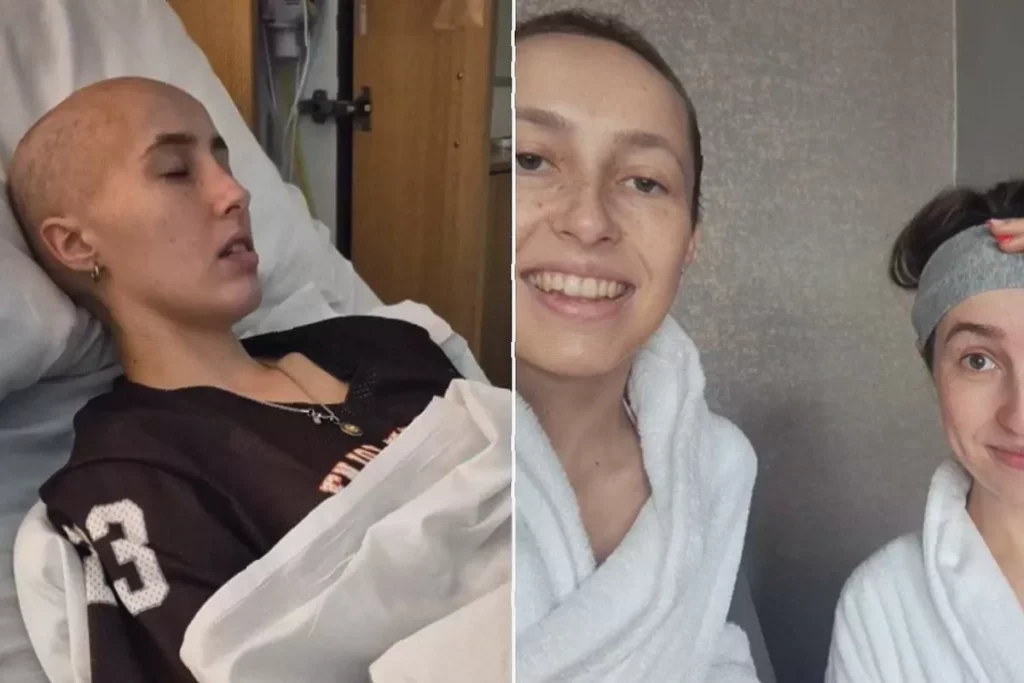
A young woman from Cardiff has been given six months to live after an aggressive blood cancer, initially mistaken for a stubborn rash, upended her life. Caitlin Leggett, 24, received the diagnosis of acute myeloid leukaemia (AML) in April 2025, following a persistent skin irritation that would prove to be the only sign of the disease.
The rash prompted her GP to arrange blood tests, and within 24 hours the results confirmed cancer. Miss Leggett, who had been preparing for a career as an intelligence officer in the armed forces, had experienced none of the typical warning signs — fatigue, breathlessness, or unexplained weight loss. After two months of chemotherapy, she entered remission in May 2025, offering a brief glimmer of hope.
The twin complication
That hope was soon complicated by a discovery that reshaped the entire treatment pathway. Miss Leggett and her twin sister, Grace, had always believed they were fraternal twins — a status that would have made Grace an ideal stem cell donor. However, genetic testing carried out in June 2025 revealed they were, in fact, identical. This seemingly subtle distinction had devastating consequences for a stem cell transplant.
In stem cell transplantation, the recipient’s immune system must recognise the donor cells as foreign in order to mount an effective attack against the leukaemia. Identical twins share an almost identical genetic makeup, meaning Grace’s stem cells would be seen as “self” rather than “non-self”. As a result, the cells would not trigger the necessary immune response to fight the disease, rendering them unsuitable as a graft. The family’s best hope — a matched sibling donor — was lost, and an alternative donor had to be found on the stem cell register.
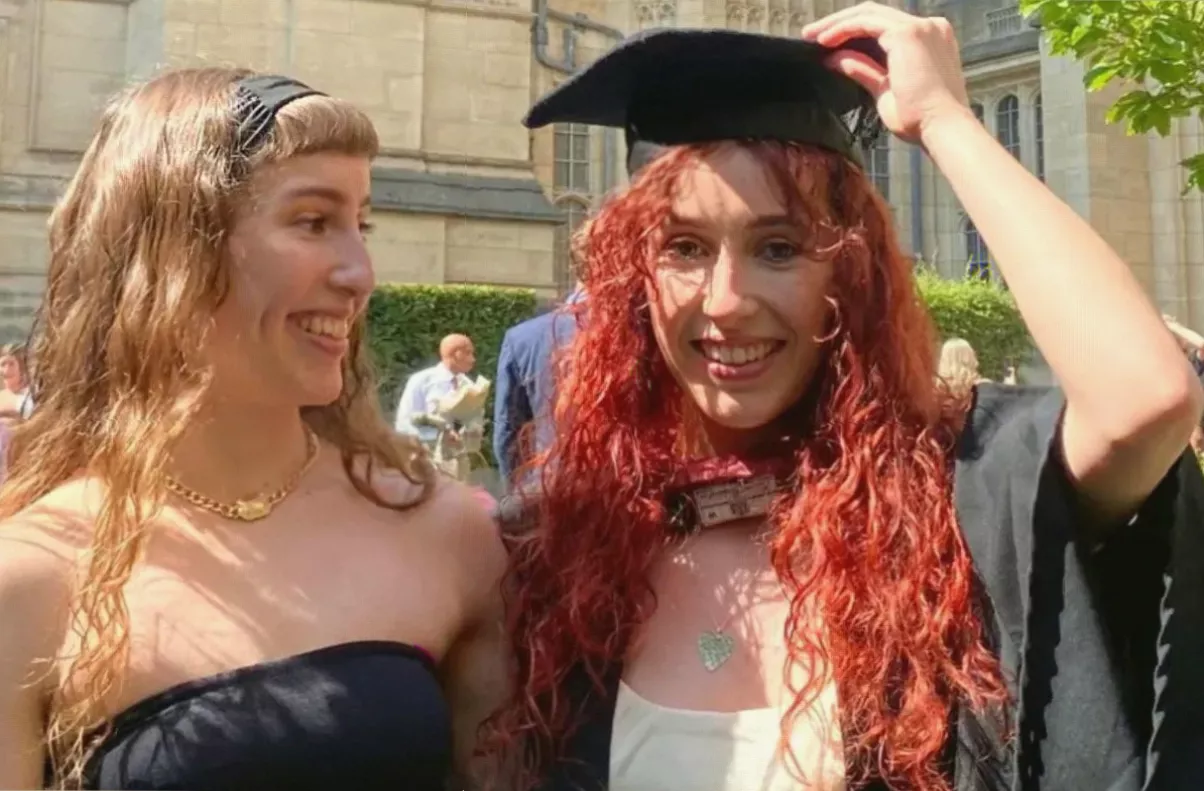
By August 2025, the leukaemia had returned, this time appearing in Miss Leggett’s skin — an unusual relapse. She enrolled in a clinical trial using menin inhibitors, a new class of targeted therapies that work by disrupting protein complexes that drive the cancer. These drugs are particularly effective in patients with certain genetic mutations, and the treatment successfully cleared the leukaemia from her skin. A second stem cell transplant was scheduled for December 2025. Days before the procedure, however, further tests confirmed the cancer had returned once more. Miss Leggett proceeded with the transplant, which was preceded by full-body radiotherapy. By January 2026, she was declared in remission for the second time.
The relief proved short-lived. At her own request, an additional check-up was carried out, and doctors discovered the leukaemia had resurfaced. “Initially, the blast count came back at 5.7 per cent, just over remission, but then about a week later it went up to 37 per cent. So it’s quite fast-growing,” she explained. Since May 2026, she has been participating in a clinical trial of Bexarlimab, an investigational drug that targets the CLEVER-1 protein to activate the immune system against cancer cells. Despite these efforts, physicians have advised that currently available treatments are not curative, and Miss Leggett has been given an estimated six months to live.
Fundraising for treatment abroad
Faced with the limits of what the NHS can offer, the sisters have launched a GoFundMe campaign named Saving Caitlin, aiming to raise £500,000 to fund treatment overseas. The options under consideration include specialist leukaemia care in the United States — where comprehensive treatment can exceed $250,000 — and CAR-T cell therapy in China or Singapore. CAR-T therapy, which reprograms a patient’s own immune cells to target cancer, costs between $60,000 and $180,000 in China, while a bone marrow transplant in Singapore ranges from $56,000 to $84,000. The funds will also cover travel, accommodation, and living expenses for accompanying relatives.
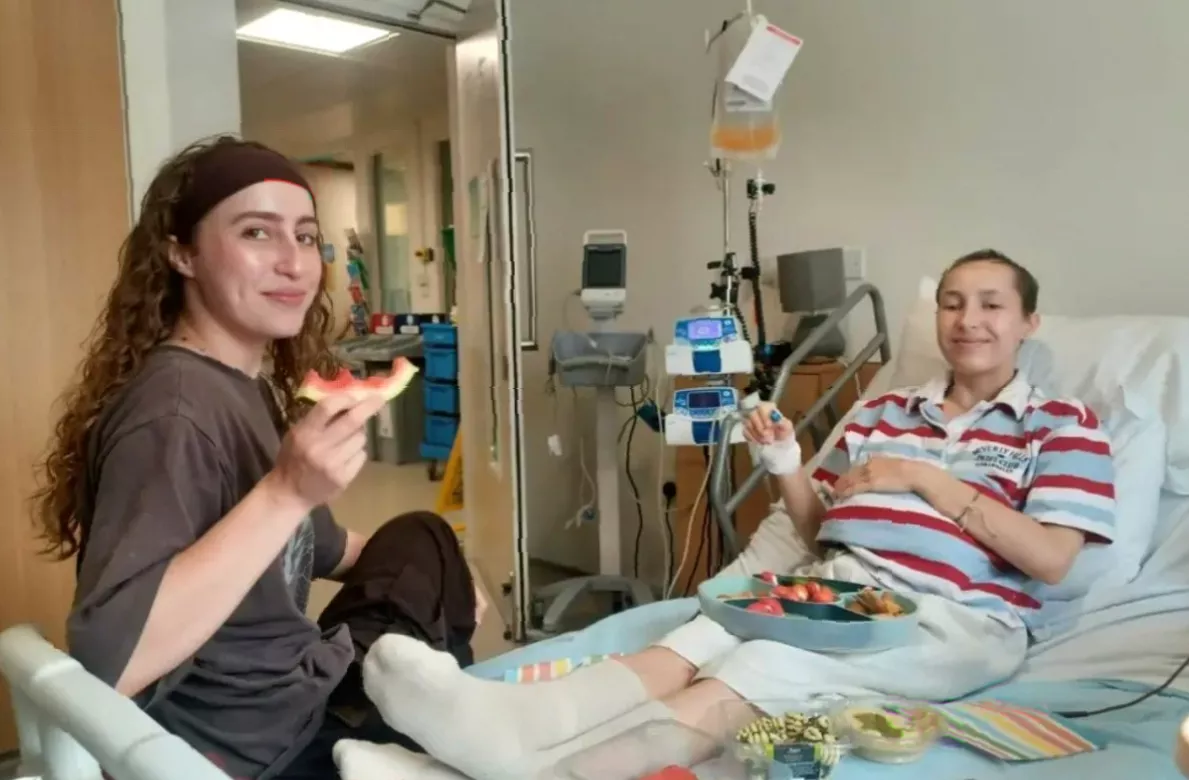
Grace Leggett has left her position as a complex care personal assistant in Bristol to return home and support her family during this devastating period. “We’re only 24 — nobody expects this to happen,” she said. “Being twins as well, you’re not supposed to have one twin not be there. We’ve gone through life together, and I don’t want our story to end here.”
While the family seeks access to potentially life-extending treatments abroad, UK charities such as Blood Cancer UK, Leukaemia Care, Anthony Nolan, and the African Caribbean Leukaemia Trust continue to offer information, nursing support, and stem cell register services for those affected by blood cancer.
“At 24, I always assumed I had my whole life ahead of me,” Miss Leggett reflected. “There are so many things I still want to do, places I want to see, and memories I want to make with the people I love.”