

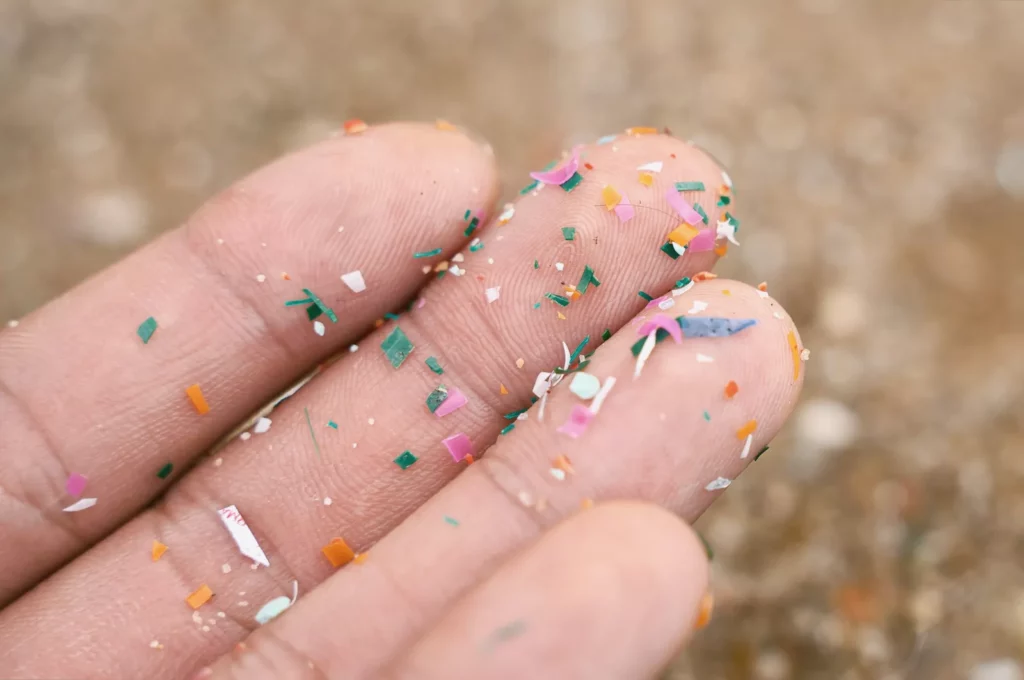
Close Menu
    Useful
    • About Us
    • Contact Us
    • Advertise With Us
    • Health Explainers
    • Our Editorial Team
    Facebook
    HealthNewsDaily.co.uk
    • Home
      • Explainers
    • NHS

      British Medical Association may lay off up to a third of employees amid financial crisis

      4 July 2026

      GB Mums: lenient justice, NHS maternity and child abuse sentences leave children unprotected

      3 July 2026

      Advance heatwave plans needed, not last-minute fixes, Letters say

      3 July 2026

      NHS calls for PMOS checks in women with irregular periods

      1 July 2026

      Months-long neglect of four cancer signs by third of Britons blamed on GP appointment crisis

      30 June 2026
    • Health Policy

      Streeting demands NHS bosses appear before MPs over Nottingham maternity scandal

      4 July 2026

      Hospital waiting list patients to get three weeks’ advance warning under NHS England plans

      3 July 2026

      Britons back morning-after pill sales in corner shops, poll finds

      1 July 2026

      Maternity investigator Ockenden says Amos review offers no fresh insights

      30 June 2026

      Bereaved mother warns England maternity commissioner role poses danger

      30 June 2026
    • Mental Health

      Letter draws attention to parents of adult children neither employed nor studying

      3 July 2026

      England sees one million children seeking help for anxiety and autism

      29 June 2026

      Joanne McNally says bulimia and breakdown in her twenties ultimately transformed her

      27 June 2026

      Dopamine sites become internet’s most dismal craze

      27 June 2026

      Blue Heron film review: a serious, nuanced examination of childhood trauma in 1990s Canada

      25 June 2026
    • Wellness & Lifestyle

      Weight-loss drugs become new battleground after Brexit rows

      4 July 2026

      Hair transplant surgeon champions specific shampoo routine for greater volume and shine

      4 July 2026

      20-minute technique could help England fans stay awake for Mexico World Cup tie

      3 July 2026

      Doctor warns cutting back on fat could sabotage low-cholesterol diet

      3 July 2026

      NHS to cover cost of shopping for 30-minute daily walkers

      3 July 2026
    • Disease & Prevention

      South-east England forecast to reach 34C as week-long heatwave hits

      4 July 2026

      French fatalities jumped 30% during peak week of record June heatwave

      4 July 2026

      Toddler’s tantrums mistaken for typical toddler phase before grave diagnosis

      3 July 2026

      600,000 mosquitos released over Washington DC to exterminate biting pests

      2 July 2026

      Remaining seated for 30 minutes or more raises risk of cancer death

      2 July 2026
    • Treatment & Research

      Woman, 24, had 12 Botox vials injected into face for non-cosmetic reason

      4 July 2026

      Statins: the purpose and risks of cholesterol medication

      3 July 2026

      Extreme fatigue from Long Covid hampers business owner’s ability to run firm

      3 July 2026

      Five-minute habit can cut cancer risk by more than 20%

      2 July 2026

      Over-40s with obesity show cholesterol and blood pressure levels within normal BMI range, research finds

      2 July 2026
    HealthNewsDaily.co.uk
    • NHS
    • Health Policy
    • Mental Health
    • Wellness & Lifestyle
    • Disease & Prevention
    • Treatment & Research
    Home » Treatment & Research » Scientists warn lab gloves may contaminate microplastic research
    Treatment & Research

    Scientists warn lab gloves may contaminate microplastic research

    Sophie HargreavesBy Sophie Hargreaves30 March 2026
    A scientist wearing disposable gloves in a laboratory setting.

    Concerns that alarming reports of microplastic contamination in our environment, food, and even our bodies may be significantly overstated have been raised by a new scientific study, which points the finger at an unexpected source: the gloves worn by the researchers themselves.

    A team from the University of Michigan has published evidence in the journal RSC Analytical Methods suggesting that common laboratory gloves are leaving behind microscopic residues that can be easily mistaken for plastic particles, potentially inflating counts by orders of magnitude.

    The discovery originated from a separate project examining airborne microplastics in Michigan, where researcher Madeline Clough noticed inexplicably high particle counts during sample preparation. This prompted a forensic investigation into the lab’s own practices, ultimately leading to disposable nitrile and latex gloves.

    Manufacturers coat these gloves with soap-like particles called stearate salts to make them easier to remove from their molds. According to the Michigan team, led by Professor Anne McNeil and Madeline Clough, these tiny salts are the hidden culprits.

    How a soapy residue mimics a plastic pollutant

    The core of the problem lies in the tools scientists use to identify microplastics. Techniques like Fourier-transform infrared (FTIR) and Raman spectroscopy work by shining light on a particle and reading its unique vibrational signature—a kind of chemical fingerprint.

    Stearate salts, the study explains, share a strikingly similar chemical structure to polyethylene, one of the world’s most common plastics. Because their structures are alike, they interact with light in an almost identical way, producing near-matching fingerprints that standard analysis struggles to tell apart.

    “Our team found that, even when following established protocols, using certain methods to measure environmental microplastics can potentially contaminate the results,” Professor McNeil and Clough wrote. The consequence, they state, is that “much of this research may be overestimating the number of microplastics.”
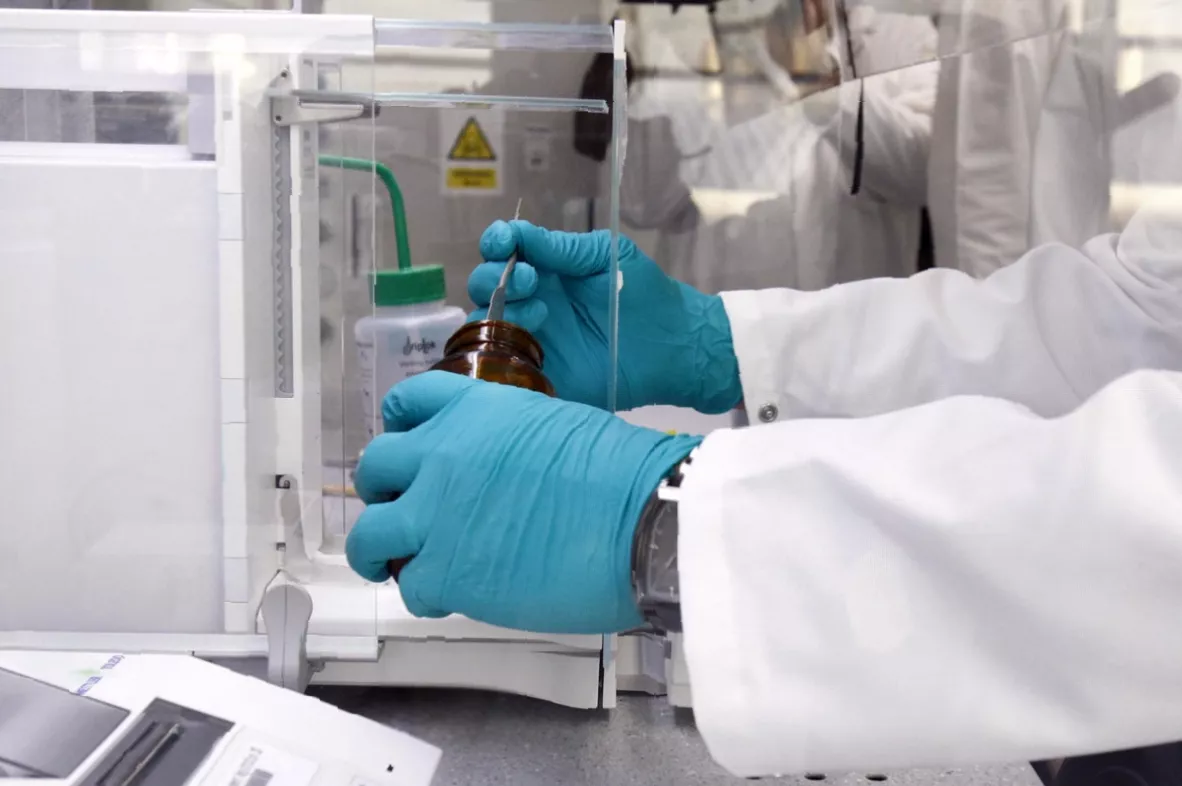
    Microscopic analysis of particle contamination on a lab surface.

    The scale of potential overestimation is significant. One experiment cited in the research found that mere contact with a gloved hand could produce false positives at a rate of 2,000 particles per square millimetre. A separate finding indicated that plastic counts in air samples could be inflated by over 1,000 times due to this contamination. Madeline Clough described the fundamental challenge as “searching for the needle in the haystack, but there really shouldn’t be a needle to begin with.”

    The researchers are clear that their findings do not negate the pervasive reality of plastic pollution. “We may be overestimating microplastics, but there should be none. There’s still a lot out there, and that’s the problem,” Professor McNeil stated. Microplastics have been confirmed in rivers, soil, Antarctic ice, and human blood, placenta, breast milk, and brain tissue, raising legitimate health concerns.

    However, the study underscores a critical methodological flaw that has largely escaped suspicion until now. It highlights the broader difficulties in microplastic science: a lack of standardised methods, the complexity of environmental samples, and the limitations of even advanced analytical techniques.

    As a direct recommendation, the Michigan team advocates for laboratories to switch to cleanroom gloves, which are manufactured without stearate coatings and shed far fewer particles. They also note that the field is becoming more aware of contamination risks, with labs increasingly using multiple analytical techniques on the same sample to cross-check results.

    The study, supported by the University of Michigan’s Meet the Moment Research Initiative, concludes that the scientific community must now develop robust, contamination-free standard operating procedures, particularly for analysing microplastics in sensitive human tissues, to ensure the accuracy of future findings.

    Share. Facebook Twitter LinkedIn WhatsApp Telegram
    Sophie Hargreaves
    Sophie Hargreaves

    Health Correspondent
    Sophie Hargreaves covers medical research, new treatments, disease outbreaks and prevention for Health News Daily. She holds a Master's degree in Health Sciences from the University of Leeds and has spent several years translating complex medical science into clear, accessible reporting for a general audience. Sophie focuses on the latest clinical trials, NICE and MHRA approvals, vaccination programmes and emerging health threats, always with an eye on what these developments mean for people in the UK.
    · MSc Health Sciences (University of Leeds), science communication volunteer, medical research literacy
    · Clinical trials and drug approvals (NICE, MHRA), cancer screening programmes, vaccination and outbreak response, women's health (endometriosis, PCOS, menopause), weight management treatments, AI in diagnostics

    Related Posts

    Treatment & Research

    Woman, 24, had 12 Botox vials injected into face for non-cosmetic reason

    4 July 2026
    Treatment & Research

    Statins: the purpose and risks of cholesterol medication

    3 July 2026
    Treatment & Research

    Extreme fatigue from Long Covid hampers business owner’s ability to run firm

    3 July 2026
    Treatment & Research

    Five-minute habit can cut cancer risk by more than 20%

    2 July 2026
    Join Our Community & Win

    Each month we select one lucky follower to receive a prize from our partners. Follow us on our social channels for your chance to win.

    • Facebook
    Latest
    Health Policy

    Streeting demands NHS bosses appear before MPs over Nottingham maternity scandal

    4 July 2026
    Disease & Prevention

    South-east England forecast to reach 34C as week-long heatwave hits

    4 July 2026
    Treatment & Research

    Woman, 24, had 12 Botox vials injected into face for non-cosmetic reason

    4 July 2026
    NHS

    British Medical Association may lay off up to a third of employees amid financial crisis

    4 July 2026
    Wellness & Lifestyle

    Weight-loss drugs become new battleground after Brexit rows

    4 July 2026
    Wellness & Lifestyle

    Hair transplant surgeon champions specific shampoo routine for greater volume and shine

    4 July 2026
    News Categories
    • NHS
    • Health Policy
    • Mental Health
    • Wellness & Lifestyle
    • Disease & Prevention
    • Treatment & Research
    Help
    • About Us
    • Contact Us
    • Advertise With Us
    • Health Explainers
    • Our Editorial Team
    About Us
    About Us

    Health News Daily provides trusted UK health news, covering NHS updates, medical research, public health and wellbeing with clear and reliable reporting.

    Facebook
    • Cookie Policy
    • Privacy Policy
    • Complaints Policy
    • Corrections Policy
    • AI Disclosure Policy
    • Editorial Policy & Ethics
    • Accessibility Statement
    • Medical Disclaimer
    • Terms & Conditions
    • Sponsored Content Disclosure
    • Copyright Notice
    © 2026 Healthnewsdaily.co.uk. All rights reserved.

    Type above and press Enter to search. Press Esc to cancel.