


Conversations about type 2 diabetes tend to focus on sugar, but new research makes clear that the source of dietary fat matters considerably more than the amount consumed. A review published in Trends in Endocrinology & Metabolism by scientists at the University of Barcelona has examined two fatty acids with strikingly different effects on metabolic health, challenging the assumption that all fats are equally harmful or beneficial.
Contrasting fats, contrasting effects
Professor Manuel Vázquez-Carrera, from the university’s Faculty of Pharmacy and Food Sciences, explained that palmitic acid – a saturated fatty acid widely found in foods – is associated with impaired insulin sensitivity and a higher risk of type 2 diabetes. In contrast, oleic acid, a monounsaturated fat abundant in olive oil, may protect against these metabolic disorders. The review’s lead author, Xavier Palomer, described palmitic acid as triggering multiple harmful biological processes, while oleic acid encourages the body to store lipids in forms that cause far less disruption to normal cell function.
How palmitic acid harms the body at a molecular level
Palmitic acid does not merely contribute to weight gain or raise cholesterol; it actively disrupts the cellular machinery that governs insulin function. At the molecular level, according to Palomer, the saturated fat promotes the accumulation of potentially toxic bioactive lipids, fosters low-grade chronic inflammation, and contributes to the dysfunction of cellular organelles such as the endoplasmic reticulum and the mitochondria.
The mitochondria – often described as the powerhouses of cells – are particularly vulnerable. Research from the University of Kentucky has shown that changes to mitochondria can drive chronic inflammation, especially in cells exposed to certain types of fats, challenging the assumption that glucose is the sole dietary culprit. Abnormal mitochondria have been found in the beta cells of some diabetes patients, and mitochondrial dysfunction can disrupt the maturation and function of these insulin-producing cells. High glucose levels in diabetes can in turn trigger mitochondrial dysfunction, causing oxidative stress, impaired ATP production, and the release of reactive oxygen species that lead to cellular inflammation, apoptosis, and disrupted metabolism.
Beyond its effects on mitochondria, palmitic acid also activates pro-inflammatory pathways that disrupt insulin signalling, impair glucose uptake, and lead to higher blood sugar levels. Excessive consumption has been linked to increased LDL cholesterol levels, contributing to atherosclerosis – the accumulation of fatty plaques that make arteries less flexible and more prone to blockages. Palm oil, which is approximately 50% saturated fatty acids (44% palmitic acid), may exacerbate the metabolic inflammation associated not only with type 2 diabetes but also with cardiovascular disease, stroke, and certain cancers. The ‘Western diet’, prevalent in the UK, is a significant contributor to this kind of dietary lipid intake.
It should be noted that palmitic acid is essential for normal cell function in small amounts. However, the review indicates that the widespread overconsumption of saturated fat plays a central role in the development of diabetes. Research from King’s College London and Maastricht University has suggested that palmitic acid-rich interesterified fats, when consumed in feasible amounts, do not increase short-term risk factors for heart disease – but that study focused on specific industrial processing methods and short-term effects, not the chronic metabolic disruption seen in the wider population.
Oleic acid: a protective alternative
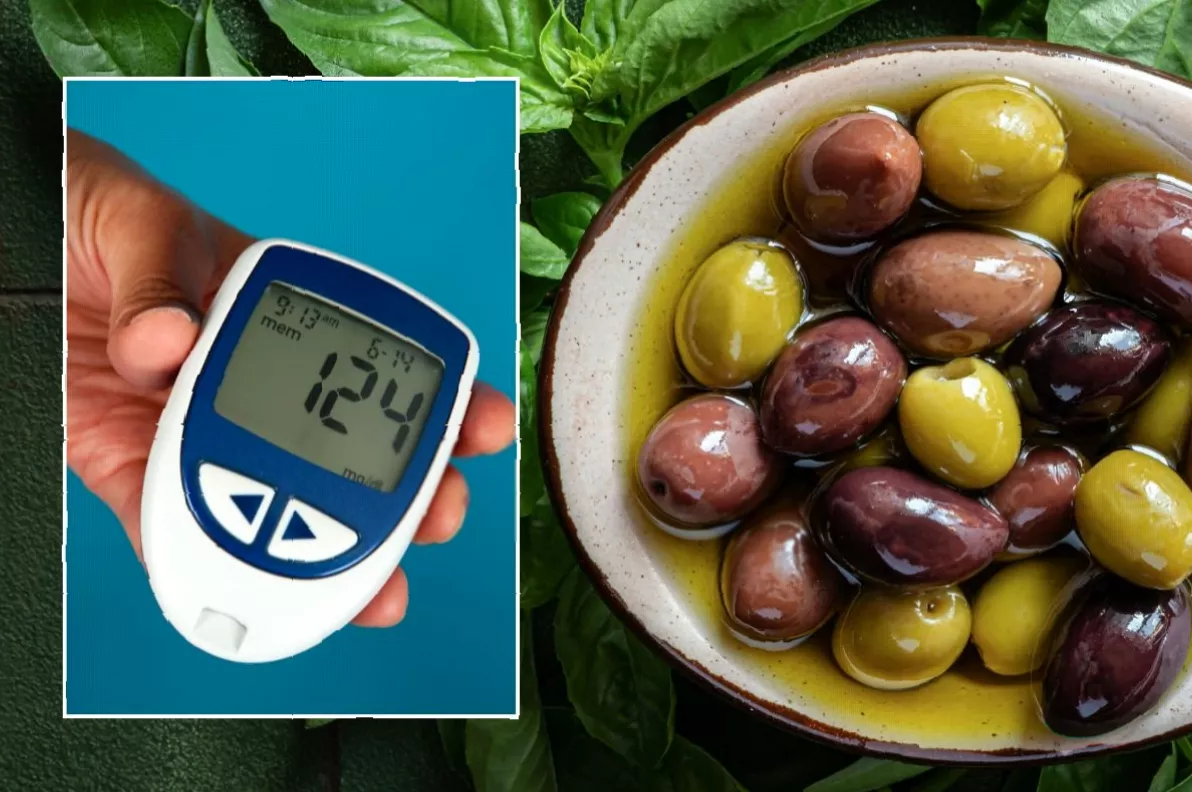
Oleic acid presents a markedly different picture. This monounsaturated fat, found in abundance in olive oil, encourages the body to store lipids in forms that cause minimal interference with normal cell function. The review indicates that oleic acid supports healthy insulin signalling across key metabolic tissues, including the liver, muscles, and fat tissue.
Perhaps most significantly, the researchers suggest that oleic acid may counteract many of palmitic acid’s damaging effects. This mechanism could explain why dietary patterns emphasising monounsaturated fats, particularly the Mediterranean diet, consistently demonstrate a reduced risk of type 2 diabetes. Olive oil, especially extra virgin olive oil (EVOO), is rich not only in healthy fats but also in polyphenols such as hydroxytyrosol and oleuropein, which help reduce inflammation – a key factor in insulin resistance. Oleic acid also activates genes that break down fats efficiently, preventing the harmful fat buildup that can interfere with insulin function.
Large-scale evidence supports these findings. A meta-analysis of cohort studies and intervention trials found that the highest olive oil intake category showed a 16% reduced risk of type 2 diabetes compared with the lowest. Consuming more than one tablespoon (8 grams) of olive oil per day was associated with a 6% reduction in risk. Substituting 8 grams of olive oil per day for margarine, butter, or mayonnaise was associated with a 5%, 8%, and 15% lower risk of type 2 diabetes, respectively. Olive oil interventions resulted in a significantly more pronounced reduction in HbA1c and fasting glucose compared with control groups, and the risk of type 2 diabetes decreased by 13% with increasing intake up to approximately 15–20 grams per day.

Dietary implications and the UK picture
The findings carry particular weight in the United Kingdom, where diabetes has reached record levels. As of 2023–24, an estimated 4.7 million people have a diabetes diagnosis, with a further 1.3 million living with undiagnosed type 2 diabetes, bringing the total to over 6 million. Another 6.9 million people are at increased risk due to elevated blood sugar levels. Type 2 diabetes accounts for around 90% of all diagnoses, and the number of registered cases rose by 155,803 between 2023–24 and 2024–25. Cases are rising fastest among those under 40, with certain ethnic groups – including people of Asian, Chinese, Black African, and Black Caribbean descent – two to four times more likely to have diabetes than White populations.
The British Dietetic Association recommends reducing saturated fat intake and replacing it with unsaturated fats such as those found in olive oil, rapeseed oil, nuts, and avocados. It also advises limiting red and processed meats and choosing lower-fat dairy options or fortified plant-based alternatives. UK government guidance states that saturated fats should form no more than 11% of daily calorie intake; current intakes average around 13%, meaning the population generally exceeds this recommendation.
Strong evidence for the Mediterranean diet – which uses olive oil as the primary fat source and is rich in vegetables, fruit, whole grains, legumes, and nuts – supports its role in preventing type 2 diabetes and improving glycaemic control. The PREDIMED-Plus trial, led by the University of Navarra and co-authored by researchers at Harvard T.H. Chan School of Public Health, showed that a Mediterranean diet combined with calorie reduction and moderate exercise reduced diabetes risk by 31%.
The authors of the Barcelona review caution that more targeted research is needed to explain why results vary across different population studies. Professor Vázquez-Carrera noted that it is important to consider variables such as the source of fatty acids, their dietary context, interactions with other nutrients, and different food processing methods. The researchers hope that a deeper understanding of these factors will enhance the capacity to assess how various fats influence metabolic well-being and inform the creation of more effective dietary strategies for both preventing and managing type 2 diabetes.