

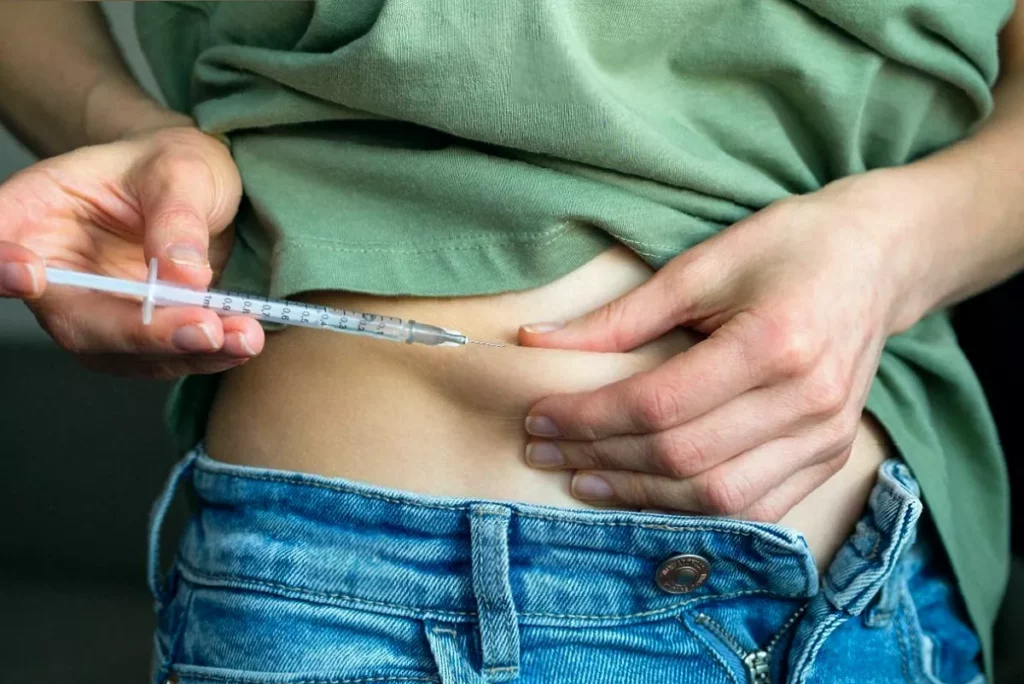
Plastic surgeons are reporting a sharp rise in patients seeking cosmetic interventions after shedding significant weight on GLP-1 medications such as Ozempic and Wegovy, as the rapid fat loss leaves behind a catalogue of unintended aesthetic problems that increasingly require surgical correction.
New cosmetic concerns: ‘Ozempic earlobes’ and ‘Ozempic breast’
The phenomenon has brought new terms into the clinical lexicon, with “Ozempic earlobes” and “Ozempic breast” now commonly used by surgeons to describe specific side effects. The research briefing also notes the emergence of “Ozempic face,” referring to the hollowed, aged appearance that can result from rapid depletion of facial fat.
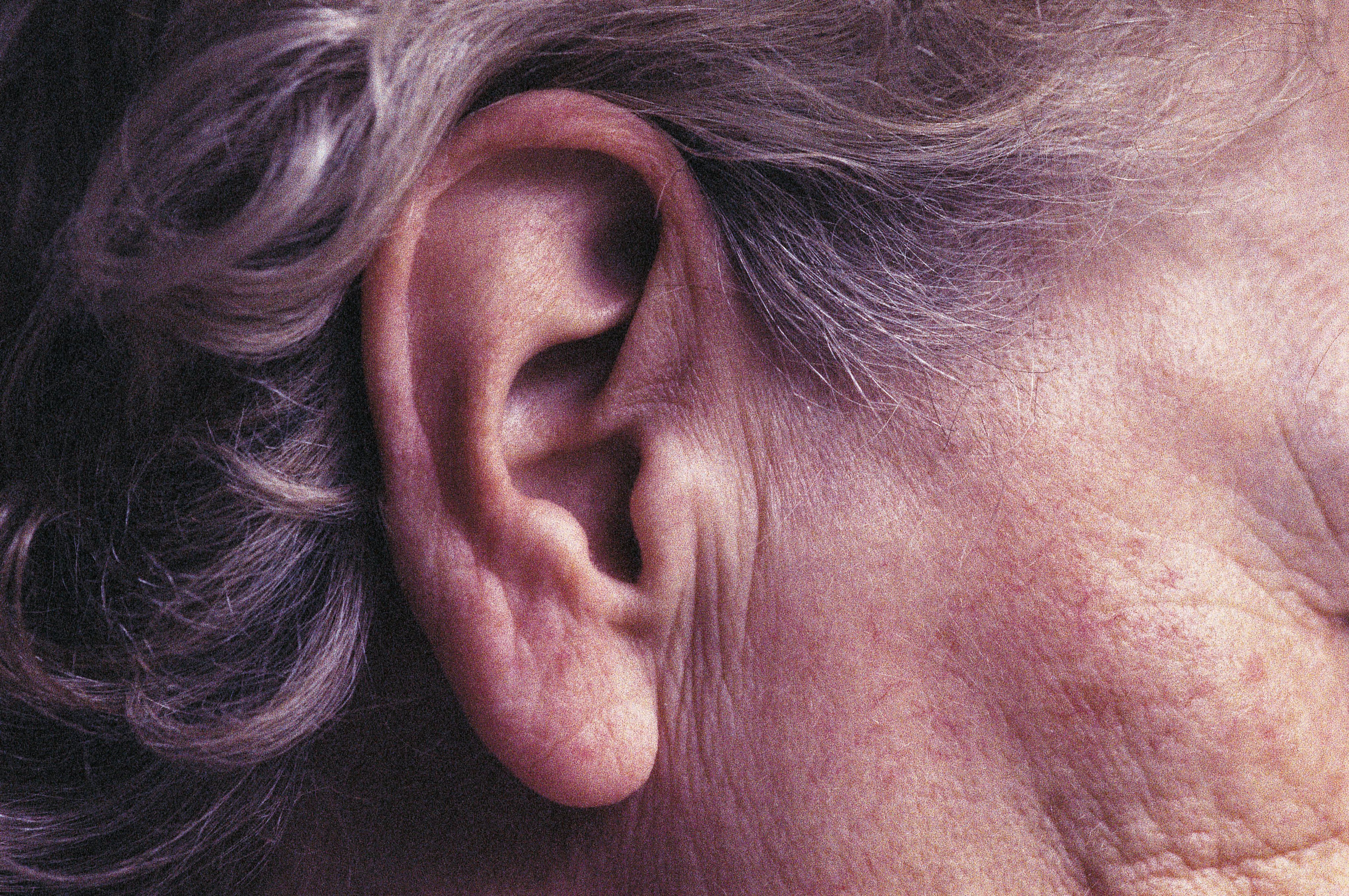
Among the most striking complaints is “Ozempic earlobes.” Patients have noticed their ears appearing elongated, thinner or drooping following the loss of fat from the face. Several surgical practices in the United States have reported increased enquiries from people troubled by this particular effect. Remedies range from non-surgical options such as dermal fillers and fat transfer procedures to more intensive interventions including laser therapy and surgical earlobe reduction.
Similarly, “Ozempic breast” has become a frequently encountered issue, according to Dr Michael Omidi, a double board-certified plastic surgeon based in Beverly Hills. He explained that women in their thirties and forties would not ordinarily require breast lift surgery, yet those using medications such as Ozempic or Wegovy are experiencing gravitational effects on their bust. Breasts are composed of fat, glandular tissue and skin; when women lose fat too quickly, the breasts lose volume. The skin and supporting ligaments often fail to bounce back at the same rate, leaving breasts that appear saggy and deflated.
More broadly, rapid weight loss from GLP-1 drugs depletes subcutaneous fat in the face, particularly in the midface, temples and under the eyes. This results in a gaunt, hollowed look, sunken eyes, more prominent wrinkles and jowls. The skin may not retract quickly enough, leading to sagging around the jawline and neck. Some surgeons have noted that the rapid loss can weaken the facial support structures (the SMAS layer), potentially making facelift surgeries more challenging. Patients are increasingly seeking dermal fillers, biostimulatory agents, fat grafting, brow lifts, facelifts and eyelid surgery to restore volume and address laxity.
Body contouring procedures on the rise
Beyond the face and chest, the same rapid shedding of fat has driven demand for body contouring procedures. Dr Mohammed Asif, a surgeon at Duly Health and Care in Naperville, Illinois, told Fox News Digital that he has witnessed a marked uptick in such operations among patients who lost weight on GLP-1 medications. “There has been a significant increase in body contouring procedures among patients with GLP-1 weight loss,” Asif said. “In my practice, I’ve seen a significant surge in breast lifts, panniculectomies (skin removal surgery), abdominoplasties (tummy tucks), brachioplasties (arm lifts) and thighplasties due to weight loss.”
The British Association of Aesthetic Plastic Surgeons (BAAPS) has also reported a rise in various cosmetic procedures, with some attributing the trend in part to the effects of weight-loss drugs. Surgeons note a shift in patient demographics: an increase in men and younger individuals seeking cosmetic surgery, with weight loss drugs cited as a contributing factor. The aesthetic changes can have a significant psychological impact, leaving patients feeling older or less attractive despite achieving their weight loss goals. Surgeons are adapting their approaches, counselling patients on the importance of stable weight before surgery and considering the unique challenges posed by GLP-1-induced weight loss.
Broader considerations and recovery outcomes
It is worth noting that GLP-1 medications commonly cause gastrointestinal side effects, including nausea, constipation, diarrhoea and bloating. In severe cases these can lead to dehydration and other complications. In the UK, Ozempic is licensed for type 2 diabetes management, while Wegovy is licensed for weight loss; both contain semaglutide. Prescribing of GLP-1 analogues for weight loss on the NHS is typically managed within specialist Tier 3 weight management programmes. There have been concerns about off-label prescribing and potential drug shortages due to high demand, and the Medicines and Healthcare products Regulatory Agency (MHRA) has received numerous reports of gastrointestinal side effects associated with GLP-1 receptor agonists, some requiring hospitalisation.
Notably, patients recovering from cosmetic procedures after GLP-1 weight loss fare considerably better than those who have undergone bariatric surgery, Dr Asif observed. He attributed this to the more gradual nature of weight reduction achieved through GLP-1 medications, which allows the body to adapt better and leads to smoother surgical recovery outcomes.