

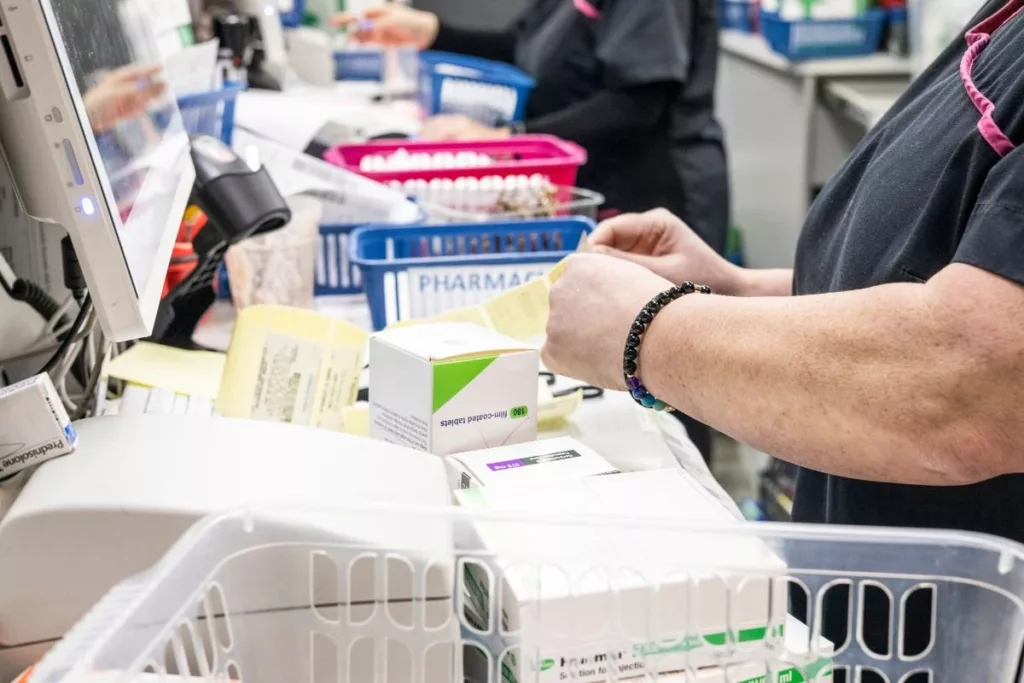
Pharmacists across the UK are describing the current wave of medicine shortages as the worst they have encountered in their professional lives, with supply problems affecting a range of treatments from epilepsy drugs and painkillers to hormone replacement therapy now reaching record levels.
Abbas Kanani, a superintendent pharmacist and member of the Royal Pharmaceutical Society, said the situation had shifted fundamentally from the pattern seen earlier in his career. “Medicine shortages are not new, but the scale, frequency and duration of shortages we’ve seen over the past few years are unlike anything I’ve experienced in my career as a pharmacist,” he said. While disruptions once tended to affect only a small handful of products for short periods, Kanani explained that the UK is now seeing shortages hitting a much wider range of treatments simultaneously, with some disruptions lasting for months rather than weeks. “This places significant pressure on pharmacists, prescribers and most importantly, patients who rely on these medicines every day,” he added.
The medicines causing the greatest concern are those used for chronic or serious conditions, where even minor interruptions can have a direct impact on a patient’s health. Kanani pointed out that individual patients who cannot access the specific drug they need will not be reassured by the fact that the majority of other medicines remain in stock. “If the specific medicine you need to manage your condition is unavailable, it doesn’t matter that thousands of other medicines are in good supply,” he said.
Patients resorting to dangerous self-management
Perhaps the most worrying development to emerge from the crisis is evidence that some patients are now taking matters into their own hands in an attempt to stretch limited supplies. Kanani warned that patients are delaying prescription requests, skipping doses or quietly cutting their own dosage without any medical guidance. While he described such responses as understandable given the frustration and fear people feel, he stressed that they are dangerous.
For patients with epilepsy, the risks are especially severe. Research shows that over 70% of people with epilepsy in the UK experienced difficulty obtaining their prescribed medication in the past year. Missed doses or forced brand changes can have catastrophic consequences, including seizures, hospitalisation or even death. The Medicines and Healthcare products Regulatory Agency (MHRA) categorises certain epilepsy medicines based on the risk of switching between manufacturers, underlining the critical need for brand continuity for some patients. Specific epilepsy drugs such as carbamazepine, clobazam and topiramate have been frequently reported as being in short supply.
Similar dangers apply to other conditions. Patients reliant on Creon, a medication essential for pancreatic cancer and cystic fibrosis sufferers to digest food properly, have reported rationing their doses or even skipping meals because the drug is unavailable. The shortage of Creon is expected to persist through 2027, according to the European Medicines Agency, which cites manufacturing production capacity constraints and elevated demand as the cause. For Estradot – an HRT patch – emergency measures have been in place for 18 months, with extensions running until July 10, 2026. Demand for HRT has risen sharply, and a related drug, Progynova TS patches, have been permanently discontinued. In addition, Oxybutynin, used to treat hot flushes in HRT patients, has become largely unavailable, with its price tripling.
The National Pharmacy Association (NPA) has previously warned that drug shortages pose a “serious risk to patients’ safety”. The scale of the problem is underlined by a survey showing that 89% of pharmacies were unable to dispense a medicine at least once a day in the past year due to supply issues, and almost 98% of pharmacists encountered patients who had visited multiple pharmacies in a single day trying to find a prescription. The distress is so acute that 83% of pharmacy teams have faced abuse or anger from patients; one pharmacy reported needing to call the police to remove an abusive patient.
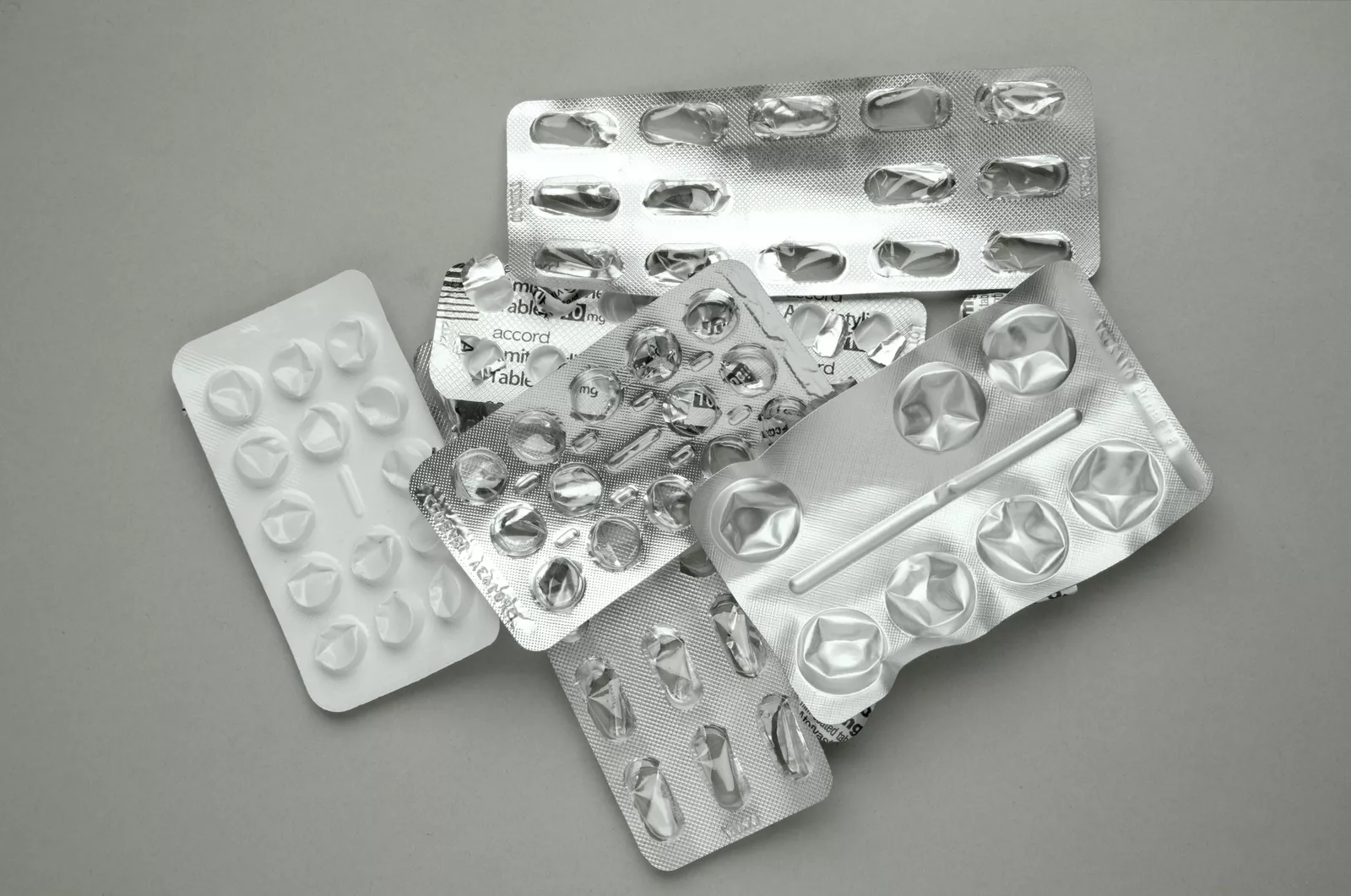
Kanani’s advice to anyone struggling to access their medication is to contact their pharmacist or prescriber promptly so that safe alternatives can be considered. But the ability of pharmacists to offer alternatives is constrained by current legislation, which prevents them from making substitutions to prescriptions when an item is out of stock. The NPA is calling for legislative reform to allow pharmacists greater flexibility.
Government response and the broader supply crisis
In response to the mounting concerns, a Department of Health and Social Care (DHSC) spokesman said the “overwhelming majority” of medicines licensed in the UK remain in good supply and that patients should expect their prescriptions to be available when they visit a pharmacy. The spokesman added that the Government is investing significantly in UK medicine manufacturing to strengthen supply chains.
However, the data paints a starkly different picture. Two medicines have come to symbolise how entrenched the crisis has become: Estradot and Creon. Emergency measures known as serious shortage protocols (SSPs) – introduced by the Department of Health to manage short-term supply gaps – have been in place for Estradot for 18 months and for Creon for over two years, marking the longest-running shortages for individual medicines in NHS history. The SSPs for both drugs have been extended until July 10, 2026.
Beyond these headline shortages, pharmacies are reporting difficulties sourcing a wide array of other drugs. These include the blood pressure medicines Ramipril, irbesartan and certain beta-blockers; common painkillers such as low-dose aspirin and co-codamol; antidepressants; antibiotics; treatments for ADHD and diabetes; Efudix, a cream used to treat precancerous skin cells; and Oxybutynin. The Government has added aspirin to its export ban list in an attempt to protect UK supplies.
The NPA points to conflict in the Middle East as a major contributor to volatility in supply chains, but stresses it is not the only cause. Soaring freight costs and shipping disruptions are squeezing margins for generic drugmakers. Broader geopolitical factors include the COVID-19 pandemic, Brexit and the war in Ukraine, which have all contributed to supply chain disruption. The UK’s smaller medicines budget compared to other EU countries and price pressures on generic medicines are also cited. Changes in import processes post-Brexit and increased lead times for imported medicines have added further complexity. Between October 2020 and October 2025, drug companies officially warned the government 28 times a week about potential medicine supply problems.
Medicine shortages have been identified as a “national security issue” by a House of Lords report. The UK relies heavily on foreign manufacturing, particularly from India and the EU. The NPA is calling for an urgent government taskforce involving manufacturers, wholesalers and clinicians to tackle the issue, alongside sustained investment in domestic manufacturing. A House of Lords report has recommended genuine political intervention to address what it described as a chronic, structural challenge rather than a series of isolated incidents.
The DHSC and NHS England say they are working with manufacturers and partners to assess impacts and manage supply issues, and are developing digital pathways to flag shortages at the point of prescribing. But for patients already rationing their epilepsy medication, skipping meals because Creon is unavailable, or paying triple the price for a discontinued HRT alternative, such reassurance rings hollow. The shift from occasional, short-lived shortages to a persistent, multi-year crisis affecting dozens of medicines has left pharmacists, patients and prescribers alike navigating an unprecedented landscape of uncertainty and risk.