

Close Menu
    Useful
    • About Us
    • Contact Us
    • Advertise With Us
    • Health Explainers
    • Our Editorial Team
    Facebook
    HealthNewsDaily.co.uk
    • Home
      • Explainers
    • NHS

      British Medical Association may lay off up to a third of employees amid financial crisis

      4 July 2026

      GB Mums: lenient justice, NHS maternity and child abuse sentences leave children unprotected

      3 July 2026

      Advance heatwave plans needed, not last-minute fixes, Letters say

      3 July 2026

      NHS calls for PMOS checks in women with irregular periods

      1 July 2026

      Months-long neglect of four cancer signs by third of Britons blamed on GP appointment crisis

      30 June 2026
    • Health Policy

      Hospital waiting list patients to get three weeks’ advance warning under NHS England plans

      3 July 2026

      Britons back morning-after pill sales in corner shops, poll finds

      1 July 2026

      Maternity investigator Ockenden says Amos review offers no fresh insights

      30 June 2026

      Bereaved mother warns England maternity commissioner role poses danger

      30 June 2026

      Medicare to pay for weight-loss drugs soon

      30 June 2026
    • Mental Health

      Letter draws attention to parents of adult children neither employed nor studying

      3 July 2026

      England sees one million children seeking help for anxiety and autism

      29 June 2026

      Joanne McNally says bulimia and breakdown in her twenties ultimately transformed her

      27 June 2026

      Dopamine sites become internet’s most dismal craze

      27 June 2026

      Blue Heron film review: a serious, nuanced examination of childhood trauma in 1990s Canada

      25 June 2026
    • Wellness & Lifestyle

      Weight-loss drugs become new battleground after Brexit rows

      4 July 2026

      Hair transplant surgeon champions specific shampoo routine for greater volume and shine

      4 July 2026

      20-minute technique could help England fans stay awake for Mexico World Cup tie

      3 July 2026

      Doctor warns cutting back on fat could sabotage low-cholesterol diet

      3 July 2026

      NHS to cover cost of shopping for 30-minute daily walkers

      3 July 2026
    • Disease & Prevention

      South-east England forecast to reach 34C as week-long heatwave hits

      4 July 2026

      French fatalities jumped 30% during peak week of record June heatwave

      4 July 2026

      Toddler’s tantrums mistaken for typical toddler phase before grave diagnosis

      3 July 2026

      600,000 mosquitos released over Washington DC to exterminate biting pests

      2 July 2026

      Remaining seated for 30 minutes or more raises risk of cancer death

      2 July 2026
    • Treatment & Research

      Woman, 24, had 12 Botox vials injected into face for non-cosmetic reason

      4 July 2026

      Statins: the purpose and risks of cholesterol medication

      3 July 2026

      Extreme fatigue from Long Covid hampers business owner’s ability to run firm

      3 July 2026

      Five-minute habit can cut cancer risk by more than 20%

      2 July 2026

      Over-40s with obesity show cholesterol and blood pressure levels within normal BMI range, research finds

      2 July 2026
    HealthNewsDaily.co.uk
    • NHS
    • Health Policy
    • Mental Health
    • Wellness & Lifestyle
    • Disease & Prevention
    • Treatment & Research
    Home » Treatment & Research » Most supplementary IVF treatments found to be ineffective or unproven, research shows
    Treatment & Research

    Most supplementary IVF treatments found to be ineffective or unproven, research shows

    Sophie HargreavesBy Sophie Hargreaves24 June 2026
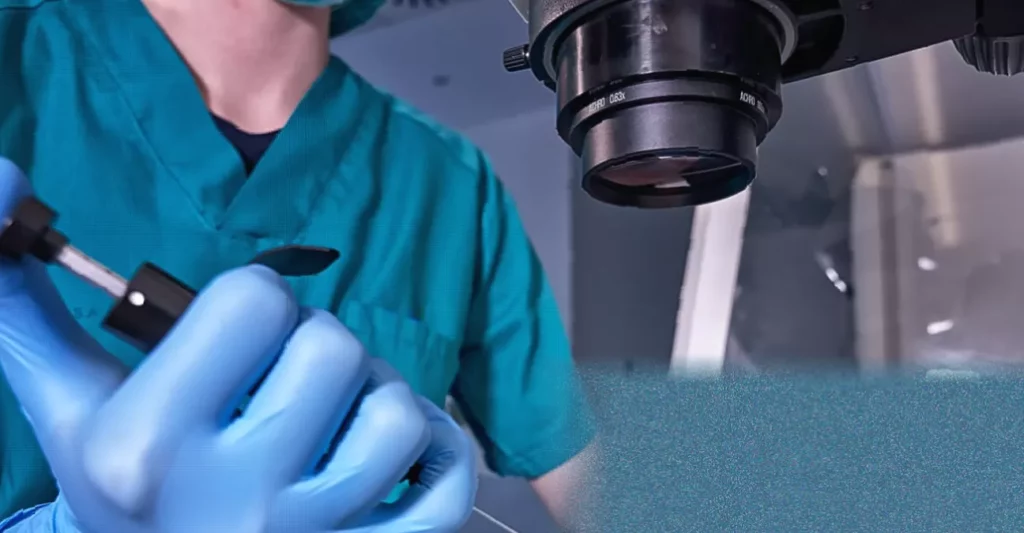
    Laboratory technician examining an embryo under a microscope in a fertility clinic

    Most IVF “add‑on” treatments sold to patients hoping to improve their chances of having a baby are not backed by reliable evidence, fail to boost fertility and may be a complete waste of money, according to the largest study of its kind. The comprehensive meta‑analysis, published in The Lancet Obstetrics, Gynaecology & Women’s Health, examined ten common optional extras offered alongside standard IVF and found that seven show either no effect on fertility or inconclusive results due to limited or low‑quality data. Only three add‑ons showed weak evidence of possible benefit, and even those findings were not robust.

    The review, led by researchers at the University of Melbourne, analysed 85 high‑quality randomised controlled trials after excluding 72 of 157 potentially eligible trials on trustworthiness grounds – a reflection of mounting concern about suspect or untrustworthy research in reproductive medicine. Take‑up of add‑ons is widespread: more than 70% of IVF patients in the UK, Australia and New Zealand pay for at least one extra procedure, medicine or technique during their treatment.

    Dr Sarah Lensen of the University of Melbourne, the study’s lead author, said: “In many countries, infertility care is largely provided by private clinics where IVF is highly commercialised, and some add‑ons are extremely expensive. Our review finds a lack of evidence that most of the IVF add‑ons we assessed provide any benefit to patients. Unproven add‑ons can lead to false hope, greater financial strain and unnecessary medical procedures at what already can be a very difficult time for patients.”

    The seven add‑ons for which the researchers found no reliable evidence of benefit are:

    Acupuncture – inserting thin needles into points on the body.
    Corticosteroids – medication to reduce inflammation and suppress immune system activity.
    Endometrial receptivity testing – a biopsy of the uterine lining to assess gene expression patterns.
    Intralipid infusion – a liquid containing fats administered into the blood.
    Intraovarian injection of platelet‑rich plasma – injecting platelet‑rich plasma into the ovaries.
    Intrauterine infusion of platelet‑rich plasma – insertion of platelet‑rich plasma into the uterus.
    Pre‑implantation genetic testing for aneuploidy (PGT‑A) – a screening test to check whether embryos have the expected number of chromosomes.

    The review also found only weak evidence of some possible benefit for three further add‑ons. EmbryoGlue, an embryo transfer medium containing hyaluronic acid, may increase the probability of pregnancy and live birth, but the effect on live birth rates was not robust. Endometrial scratching, a minor procedure that disturbs the lining of the uterus, may increase the probability of pregnancy and live birth. Physiological intracytoplasmic sperm injection (PICSI), a technique used to select sperm based on their ability to bind to hyaluronic acid, showed weak evidence that it may lower the risk of miscarriage.

    Patients are increasingly exposed to misleading claims about these treatments, Dr Lensen warned. “There is widespread misinformation about IVF add‑ons with private clinic websites and patient forums on social media – major information sources for patients – often overstating the benefits and omitting the costs and risks of add‑ons. IVF clinics and clinicians should carefully consider whether it is appropriate to offer unproven add‑ons, as their availability is often perceived by patients as implicit endorsement of benefit.”

    In the UK, the Human Fertilisation and Embryology Authority (HFEA) regulates IVF treatment and has introduced a “traffic light” rating system to help patients understand the evidence behind add‑ons. Currently, no add‑on has received a green light – meaning proven safe and effective for most patients. All add‑ons assessed by the HFEA have been rated as either amber (conflicting or limited evidence) or red (no evidence of effectiveness or potential safety concerns). In October 2023, the HFEA, together with patient and professional bodies, re‑affirmed that add‑ons without strong evidence of safety and effectiveness should only be offered in a research setting. Clinics are required to provide clear information about the clinical evidence, costs and risks of add‑ons. Separately, the Competition and Markets Authority (CMA) has developed guidance on consumer law for UK IVF clinics, specifically addressing the advertising of add‑ons.

    The financial burden of these unproven treatments is substantial. Advertised IVF packages in the UK average around £3,850, but the true cost, including medication and standard add‑ons, can reach £6,939 or more. Specific add‑on costs vary widely: ICSI can cost £800 to £1,200 (average £1,375 per cycle in 2025‑26); blastocyst culture £500 to £700; EmbryoGlue £130 to £360; endometrial scratching around £200; PGT‑A between £2,000 and £3,000; endometrial receptivity testing £950 to £1,250; and intravenous immunoglobulin (IVIg) £2,200. Patients have reported remortgaging homes or borrowing money to fund these extras, leading to significant debt. Some professionals have expressed discomfort about charging patients for add‑ons, particularly when the cost of the technology is already covered by the clinic, raising ethical concerns that certain clinics may use add‑ons for financial gain.

    Patients undergoing fertility treatment are often in a vulnerable state, driven by desperation to try everything that might increase their chances. The research notes that a significant proportion of add‑on use is driven by clinician offers rather than patient requests, and that patients often interpret a clinic’s willingness to offer a treatment as an endorsement of its benefit. Those who have already experienced unsuccessful IVF cycles are more likely to invest in add‑ons, hoping for a better outcome. For many, however, experts suggest that spending money on multiple standard IVF cycles may be more effective and affordable than using unproven add‑ons in a single cycle. Alternatives such as intrauterine insemination (IUI), ovulation induction with fertility medications, or surgery for conditions like endometriosis or fibroids may also be considered before or instead of IVF.

    Screening
    Share. Facebook Twitter LinkedIn WhatsApp Telegram
    Sophie Hargreaves
    Sophie Hargreaves

    Health Correspondent
    Sophie Hargreaves covers medical research, new treatments, disease outbreaks and prevention for Health News Daily. She holds a Master's degree in Health Sciences from the University of Leeds and has spent several years translating complex medical science into clear, accessible reporting for a general audience. Sophie focuses on the latest clinical trials, NICE and MHRA approvals, vaccination programmes and emerging health threats, always with an eye on what these developments mean for people in the UK.
    · MSc Health Sciences (University of Leeds), science communication volunteer, medical research literacy
    · Clinical trials and drug approvals (NICE, MHRA), cancer screening programmes, vaccination and outbreak response, women's health (endometriosis, PCOS, menopause), weight management treatments, AI in diagnostics

    Related Posts

    Treatment & Research

    Woman, 24, had 12 Botox vials injected into face for non-cosmetic reason

    4 July 2026
    Treatment & Research

    Statins: the purpose and risks of cholesterol medication

    3 July 2026
    Treatment & Research

    Extreme fatigue from Long Covid hampers business owner’s ability to run firm

    3 July 2026
    Treatment & Research

    Five-minute habit can cut cancer risk by more than 20%

    2 July 2026
    Join Our Community & Win

    Each month we select one lucky follower to receive a prize from our partners. Follow us on our social channels for your chance to win.

    • Facebook
    Latest
    Disease & Prevention

    South-east England forecast to reach 34C as week-long heatwave hits

    4 July 2026
    Treatment & Research

    Woman, 24, had 12 Botox vials injected into face for non-cosmetic reason

    4 July 2026
    NHS

    British Medical Association may lay off up to a third of employees amid financial crisis

    4 July 2026
    Wellness & Lifestyle

    Weight-loss drugs become new battleground after Brexit rows

    4 July 2026
    Wellness & Lifestyle

    Hair transplant surgeon champions specific shampoo routine for greater volume and shine

    4 July 2026
    Disease & Prevention

    French fatalities jumped 30% during peak week of record June heatwave

    4 July 2026
    News Categories
    • NHS
    • Health Policy
    • Mental Health
    • Wellness & Lifestyle
    • Disease & Prevention
    • Treatment & Research
    Help
    • About Us
    • Contact Us
    • Advertise With Us
    • Health Explainers
    • Our Editorial Team
    About Us
    About Us

    Health News Daily provides trusted UK health news, covering NHS updates, medical research, public health and wellbeing with clear and reliable reporting.

    Facebook
    • Cookie Policy
    • Privacy Policy
    • Complaints Policy
    • Corrections Policy
    • AI Disclosure Policy
    • Editorial Policy & Ethics
    • Accessibility Statement
    • Medical Disclaimer
    • Terms & Conditions
    • Sponsored Content Disclosure
    • Copyright Notice
    © 2026 Healthnewsdaily.co.uk. All rights reserved.

    Type above and press Enter to search. Press Esc to cancel.