

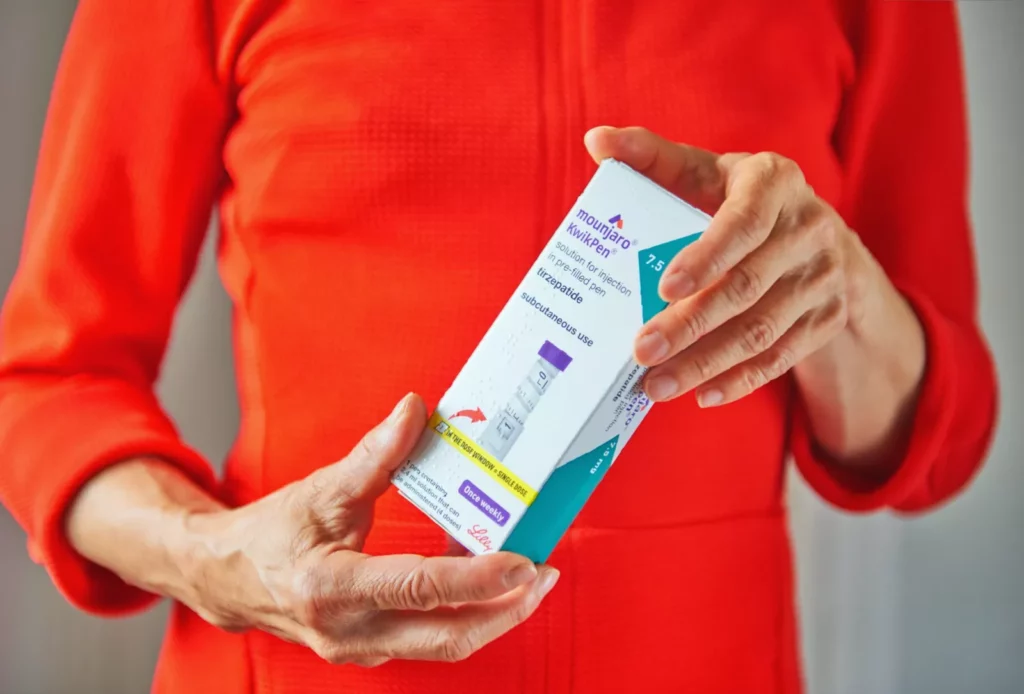
Mounjaro injections may become less effective in extreme heat, a pharmacist has warned as the UK endures a red weather warning with temperatures forecast to hit 40C. Peter Thnoia, of NHS-registered pharmacy PillTime, said the active ingredients in the tirzepatide medication could degrade if exposed to high temperatures, potentially compromising its potency. His advice comes alongside a separate warning from a GP who highlighted that people using GLP-1 receptor agonists such as Mounjaro face a heightened risk of dehydration and related illnesses during the heatwave.
How to store Mounjaro during a heatwave
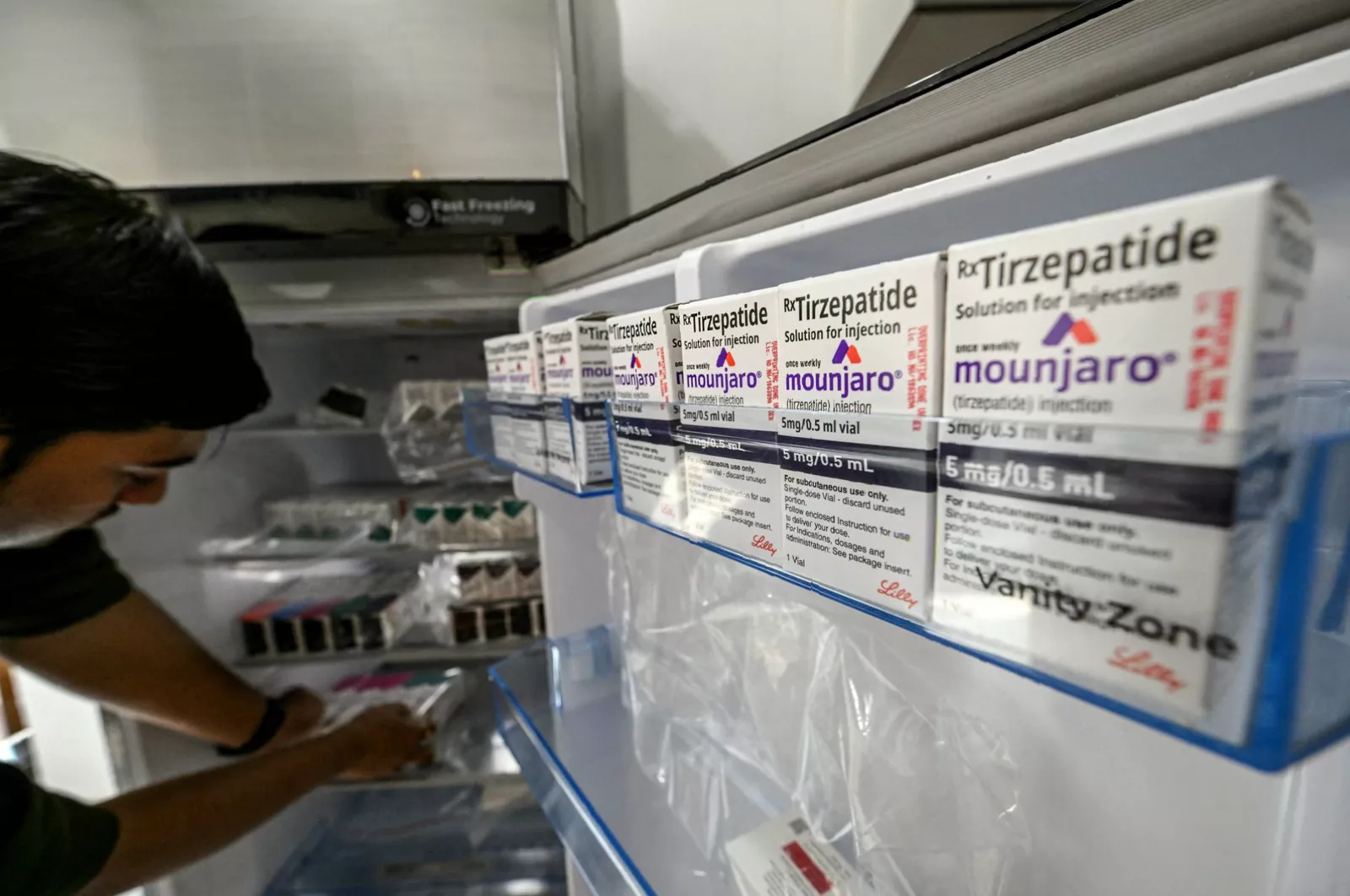
Proper storage is critical to maintaining the effectiveness of Mounjaro, particularly when the mercury climbs. Thnoia explained that before use, the injection pens must be kept in a refrigerator at a temperature between 2C and 8C. Once a pen has been opened and is in use, it must be stored below 30C. During a heatwave, indoor temperatures can easily exceed that threshold, so protecting the medication becomes especially important.
The pharmacist warned against leaving Mounjaro in warm rooms, on windowsills, or in direct sunlight, as these locations can expose the pens to temperatures well above the recommended range. Instead, he advised keeping all pens — both unused and those in use — in the fridge at home to ensure they remain cool. However, he stressed that the fridge temperature must be checked carefully. “If the medication freezes, it should not be used, even after thawing,” Thnoia said. “Make sure your temperature settings aren’t too low and avoid placing the jabs at the back of the fridge or next to the freezer compartment where it’s typically colder.”
More broadly, most medicines should be stored below 25C in a cool, dry place away from direct sunlight. If a medication changes colour, develops an unusual smell, or alters in texture, it may indicate heat damage, and a pharmacist should be consulted. Refrigerated items such as Mounjaro are particularly vulnerable because even short periods outside the correct temperature range can reduce their effectiveness. Thnoia added that a simple way to protect the pens at home is to keep them in the fridge at all times — a precaution that applies whether you are staying indoors or not.
Travelling with Mounjaro
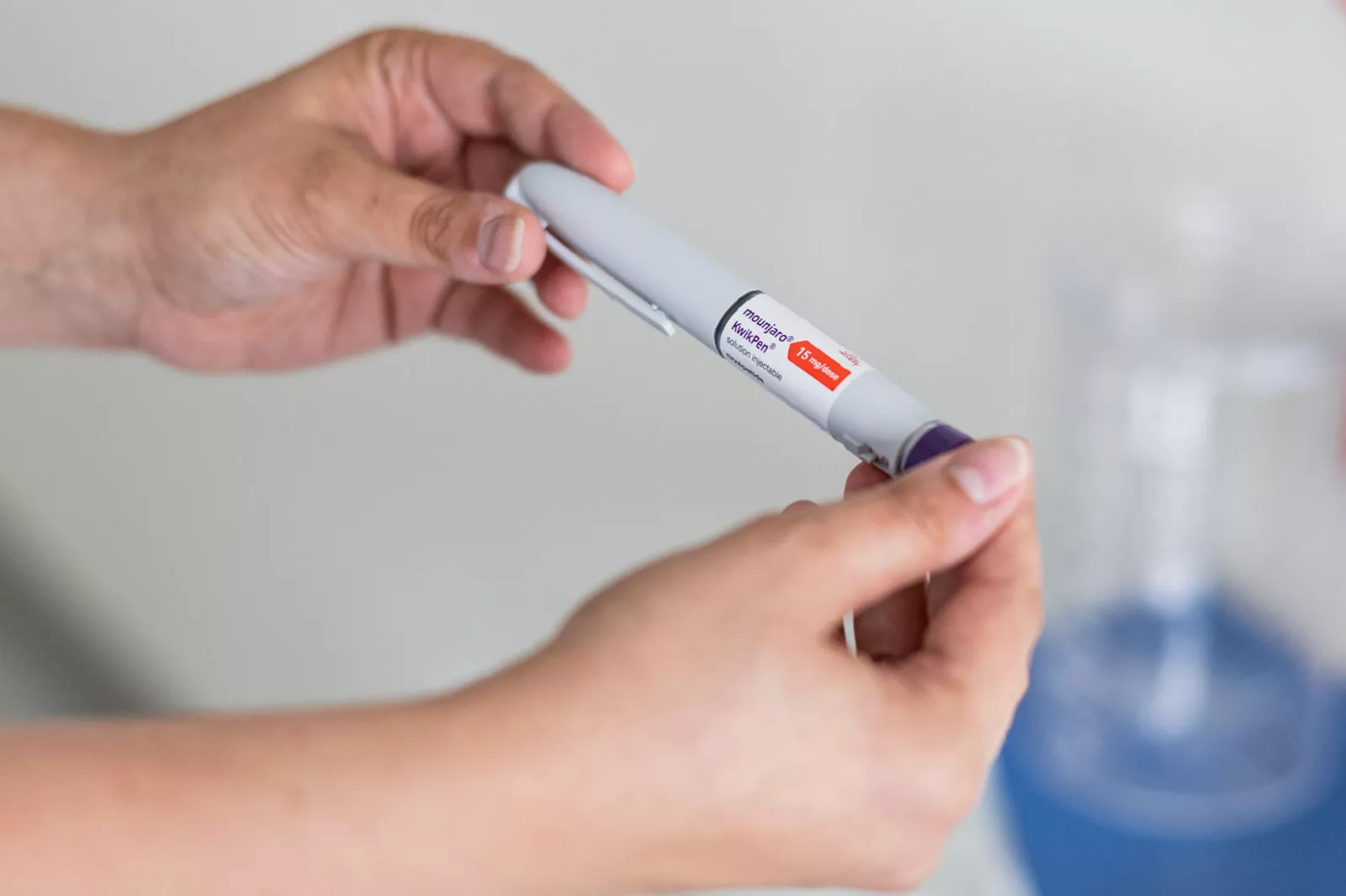
For those who need to leave the house with their medication, Thnoia recommended using a cooling pouch or cool packs to keep the pens within a safe temperature range. The cool packs that the medication was delivered with can be refrozen and reused. “Simply refreeze them, and they’re good to go while you’re on the move,” he said.
Whatever you do, do not leave Mounjaro in a car. Even brief exposure to the heat inside a vehicle can make the jabs less effective. “Even short exposure to these high temperatures can make your jabs less effective, so if you really do need to take them with you, make sure you keep them somewhere cool,” Thnoia said. He also advised patients to consider avoiding travel with the medication altogether. With the injections taken only once a week, he recommended sticking to the usual day and taking the dose at a convenient time rather than carrying the pen around. “Whether that’s the morning or afternoon doesn’t matter — small changes to the time of day when they are taken won’t make a difference to the medication’s effectiveness,” he added.
Dehydration risks for Mounjaro users in hot weather
Beyond storage concerns, Dr Suzanne Wylie, a GP and medical adviser for IQdoctor, warned that people using Mounjaro and similar GLP-1 receptor agonists face a higher risk of dehydration and dehydration-related illnesses during hot weather. The body naturally loses more fluid through sweating when temperatures rise, but these medications can compound that loss. “This is largely because some of the most common side effects include nausea, vomiting, and diarrhoea, all of which can lead to significant fluid loss,” Dr Wylie explained.
GLP-1 medications also slow gastric emptying, which helps people feel fuller for longer. However, that effect can mean individuals unintentionally eat and drink less overall. Reduced thirst is another known consequence, further decreasing fluid intake. “If someone is already experiencing medication side effects that reduce fluid intake or increase fluid loss, they may be more vulnerable to dehydration-related illnesses, such as heat exhaustion and, in more serious cases, heatstroke,” Dr Wylie said.
An additional, less common concern is the formation of gallstones. These small stones can form in the gallbladder and cause pain. While uncommon, gallstones have been reported as a side effect of some weight loss medications, and rapid weight loss — often associated with Mounjaro — is a known risk factor for gallbladder issues.
To mitigate these risks, Dr Wylie urged patients not to rely solely on thirst as a cue to drink water, because thirst often signals that dehydration has already begun. Instead, she recommended drinking water regularly throughout the day, even if you do not feel particularly thirsty. The amount needed varies, but adults should aim for around six to eight glasses per day — approximately 1.5 to 2 litres of fluid. Higher amounts are often necessary during hot weather, illness, or increased physical activity. Monitoring urine colour can also help: pale and straw-coloured urine indicates adequate hydration. Good options include water, diluted squash, and fruit juice, while alcohol and caffeine should be limited. Keeping homes cool by closing windows and curtains during the day and opening them at night can also help reduce overall heat exposure.