


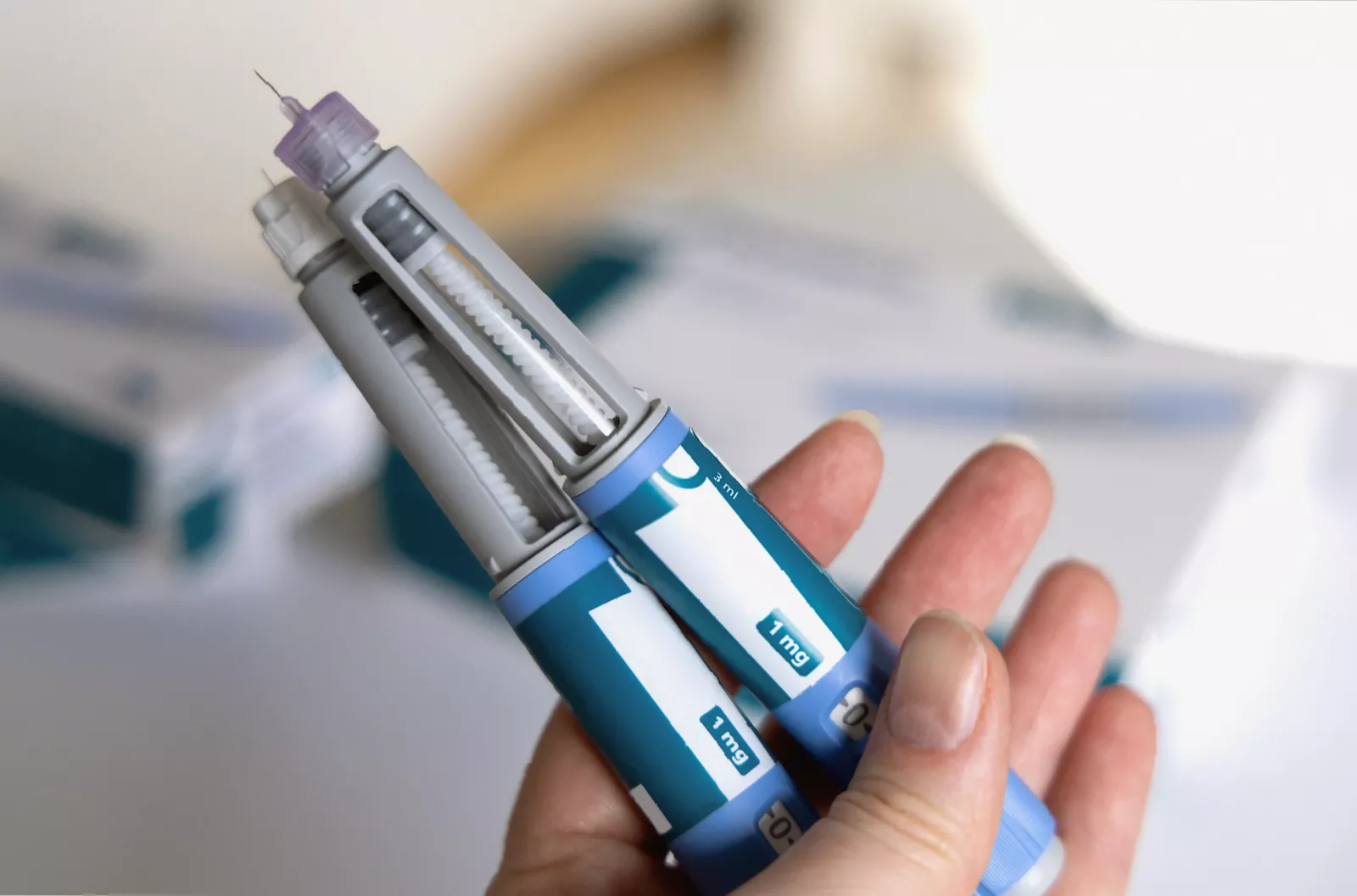
Thousands of Brits who believe they qualify for weight-loss injections like Mounjaro and Wegovy are being turned away at the prescription stage — not because of their BMI, but because of hidden health reasons that make the drugs unsafe or unsuitable, according to digital healthcare platform ZAVA.
While demand for the so-called “game-changer” jabs has surged, experts are urging patients to understand the full list of eligibility rules before pinning their hopes on a prescription. Dr Kathryn Basford of Asda Online Doctor told Metro that the medications are “designed to treat obesity as a medical condition” and are “not intended for cosmetic weight loss alone”. But even those who meet the BMI thresholds on paper are frequently declined once a clinician reviews their medical history.
Among the most common reasons for refusal are a range of underlying health conditions — some well-known, others less obvious — that can render the drugs dangerous or intolerable.
Pancreatitis, digestive disorders and gallbladder risks
Dr Basford warns that GLP-1 medications such as Mounjaro and Wegovy have “been linked to inflammation of the pancreas” in rare cases. Anyone with a history of pancreatitis may be advised not to take them due to the “potential risk of recurrence”.
Digestive and gastrointestinal conditions also feature prominently. “As these medications slow digestion and influence appetite, people living with conditions such as gastroparesis, severe acid reflux, inflammatory bowel disease, or other significant digestive disorders may find the treatment unsuitable or difficult to tolerate,” says Dr Basford. This is a particular concern because nausea, bloating and stomach discomfort are already among the most commonly reported side effects of the injections.
Gallbladder disease or gallstones can also block access. According to Dr Basford, “both rapid weight loss and the use of GLP-1 medications can increase the likelihood of gallbladder issues”, so anyone with active gallbladder disease may need additional medical assessment before treatment is approved.
Pregnancy, breastfeeding and conception
Neither Wegovy nor Mounjaro are considered safe during pregnancy or while breastfeeding. Dr Basford notes that patients are “usually advised to stop treatment well before trying for a baby” due to how weight-loss medications “may affect foetal development”.
Eating disorders and mental health
Patients with current or previous eating disorders — such as anorexia nervosa or bulimia — are unlikely to be approved. Dr Basford explains that appetite-suppressing medications “have the potential to worsen disordered eating behaviours or negatively impact mental wellbeing” in these individuals.
Similarly, severe or unmanaged mental health conditions may need to be stabilised before treatment can begin, particularly where there are concerns about “wellbeing, medication adherence, or safeguarding”. Doctors also want to ensure patients fully understand the long-term commitment and potential side effects.
Other medical conditions and previous reactions
A wide range of other conditions can render the medications unsuitable or require closer medical supervision. These include severe liver disease, kidney problems, and poorly managed diabetes. In some cases treatment may still be possible, but only with specialist input.
If someone has previously taken a GLP-1 medication and experienced severe vomiting, dehydration or ongoing digestive side effects, clinicians “may decide it is not appropriate to restart treatment”, says Dr Basford. While mild side effects are common, more serious reactions can outweigh the benefits.
Certain medications can interact poorly with weight-loss injections, and some people may be allergic to ingredients used within them. This is why patients are asked to complete detailed questionnaires and have a full medical review before a prescription can be approved.
Substance misuse, age restrictions and prescribing concerns
Where there are worries about “the safe management of prescription medication” in the context of drug or alcohol misuse, patients may need extra support or assessment before treatment can go ahead.
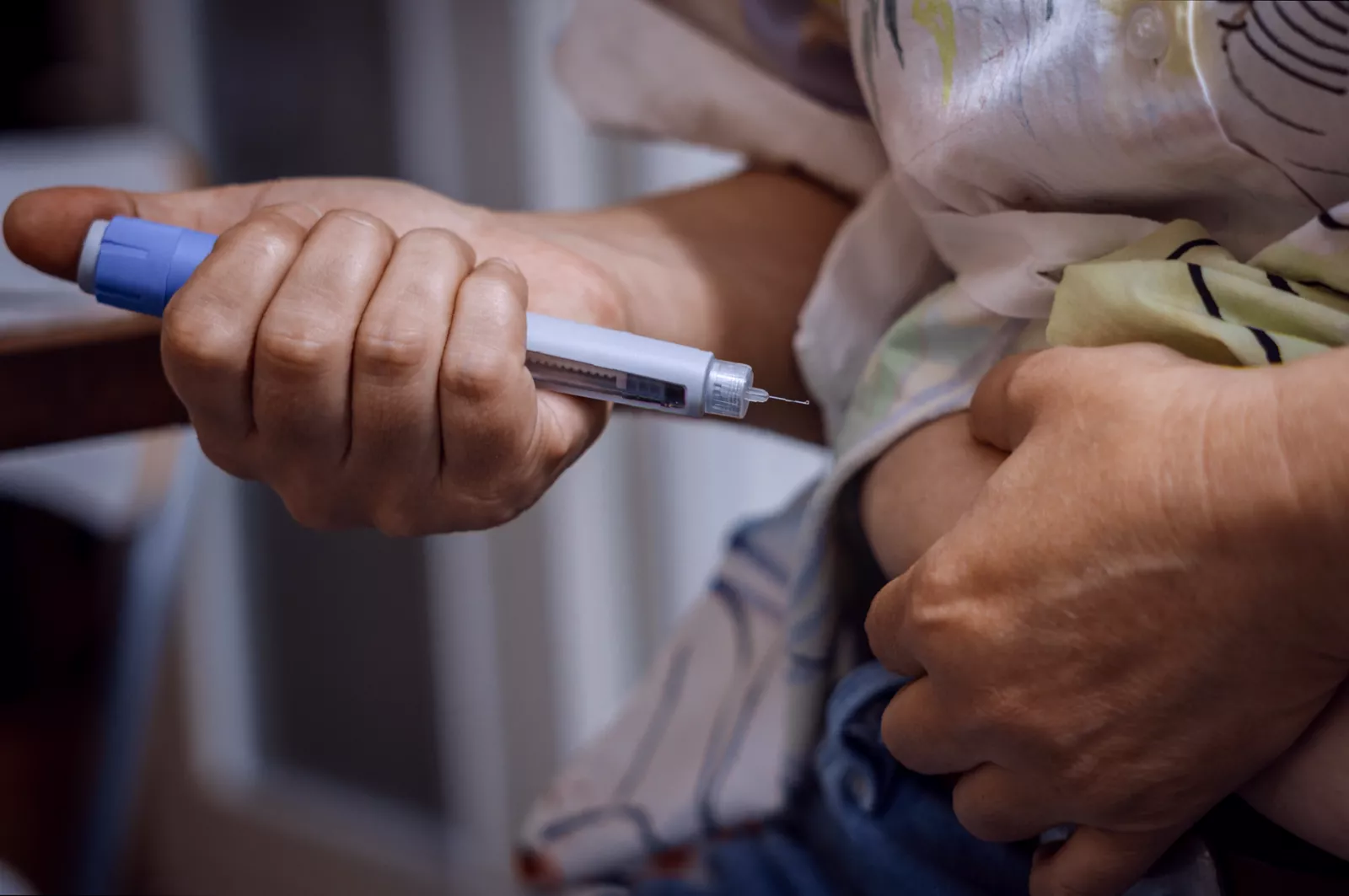
Age restrictions also apply: Wegovy is approved for weight loss in patients aged 12 and over, while Mounjaro can only be prescribed to over-18s.
Doctors may decline a prescription if the information provided is “incomplete, inconsistent, or suggests the medication may not be being used appropriately”. Dr Basford stresses that these checks are “an essential part of safe prescribing”, adding that weight-loss injections are “powerful prescription medications” that “are not suitable for everyone”.
BMI criteria — NHS and private
Despite the health exclusions, the BMI thresholds themselves remain a frequent barrier. For NHS access to Mounjaro, patients currently need a BMI of 35 to 39.9 plus four or more weight-related health conditions; from next year this will change to a BMI of 40+ with three or more conditions. For Wegovy on the NHS, a BMI over 35 plus at least one weight-related comorbidity — such as type 2 diabetes, hypertension or obstructive sleep apnoea — is required.
For private prescriptions, the typical requirement is a BMI of 30+, or between 27 and 29.9 alongside a weight-related health issue. Adjusted BMI thresholds may apply for individuals from Black, Asian or other ethnic backgrounds, often being 2.5 points lower. However, meeting these thresholds alone does not guarantee a prescription; contraindications and other health factors remain paramount.
“It is relatively common for people to be declined treatment,” Dr Basford concludes. “In many cases, refusal is about protecting a patient’s long-term health and ensuring that the risks of treatment do not outweigh the benefits.”