

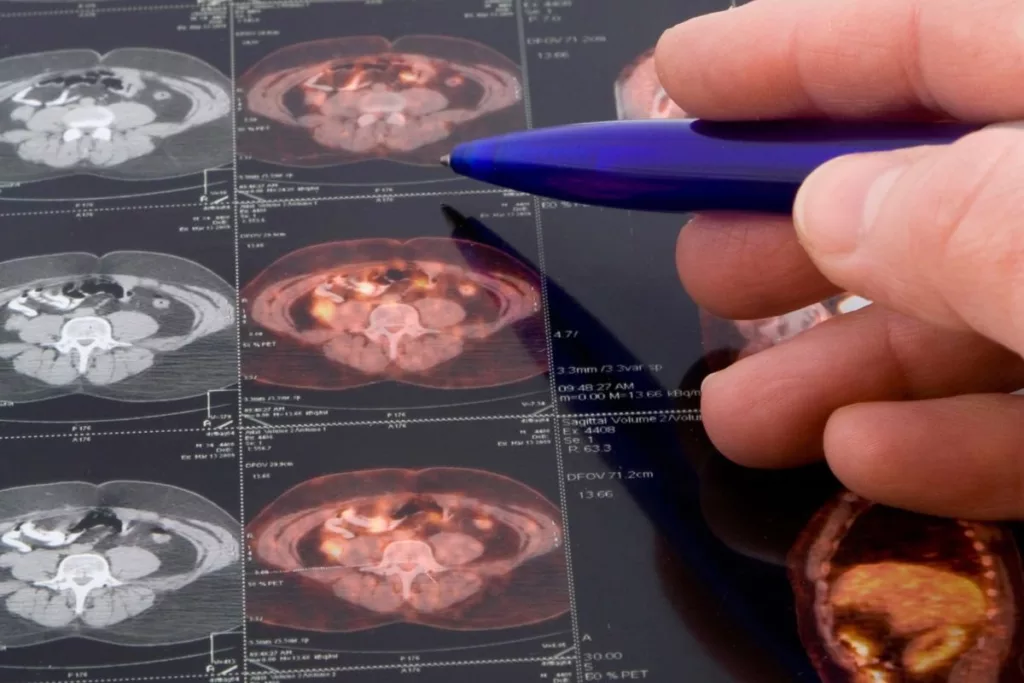
Prostate cancer patients in England are set to benefit from a major expansion of a cutting-edge radiotherapy technique that will slash the number of hospital visits they need to undergo.
The treatment, known as stereotactic ablative radiotherapy (SABR), reduces the standard course of at least 20 sessions to just five, delivered over approximately two weeks. NHS England has confirmed that all 48 radiotherapy centres across the country are expected to begin offering SABR within weeks, marking the first time it will be available outside clinical trials for men diagnosed with low- and intermediate-risk prostate cancer.
Nearly a fifth of eligible patients – around 3,500 men each year – are expected to opt for the precision approach. This comes from an estimated 17,500 men in England diagnosed annually with low- or intermediate-risk disease who could be offered SABR. The rollout is being supported by government investment in new linear accelerator machines, and the NHS estimates it could free up around 50,000 appointments for prostate cancer treatment each year, helping to reduce waiting times.
How SABR targets tumours with pinpoint accuracy
Senior medical professionals have emphasised that SABR targets tumours with far greater accuracy than conventional radiotherapy, while simultaneously minimising damage to surrounding healthy tissue. The technique works by focusing a powerful beam of radiation from many different directions, converging precisely on the cancerous cells. This allows a higher dose to be delivered in fewer sessions, reducing the risk of the cancer spreading or returning.
Professor Peter Johnson, NHS England’s national clinical director for cancer, described the development as a significant advancement. “This technology lets us focus a powerful and precise beam of radiotherapy directly onto the cancer, limiting the damage to healthy cells,” he explained. “And the fact that it can be delivered in 15 fewer doses will help men get back to living their lives far more quickly.”
SABR is not new to the NHS – it has already proven effective for lung and brain cancer patients, and is also used for men with advanced prostate cancer that has spread to other parts of the body, such as bones or lymph nodes. Studies have suggested it can be a cost-effective option compared to other radiotherapy techniques, including intensity-modulated radiotherapy (IMRT) and proton beam therapy, when quality-adjusted life years are considered.
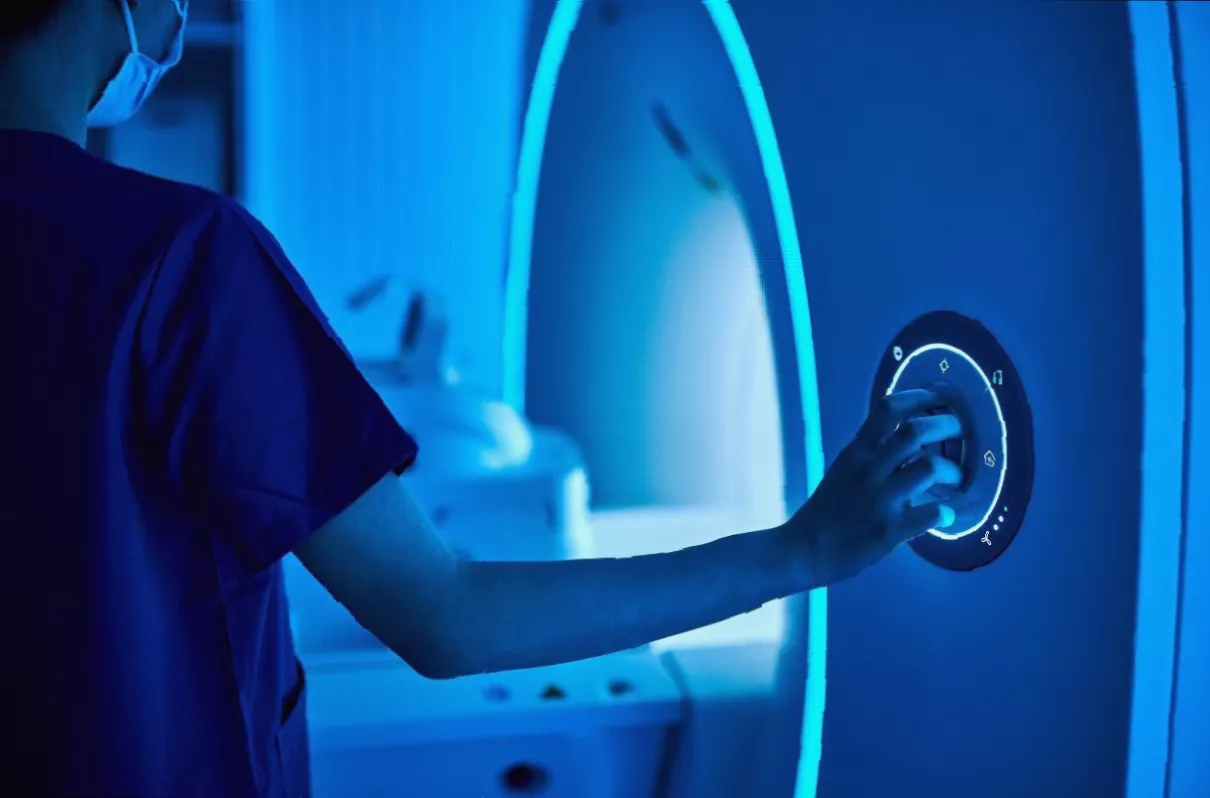
Patient experience: ‘An absolute godsend’
Patient advocacy groups have welcomed the news. Amy Rylance, representing Prostate Cancer UK, said: “It’s wonderful news that thousands of men in England will now have access to this revolutionary targeted radiotherapy. It will massively reduce the burden that cancer places on them and their loved ones.”
The charity has voiced optimism that SABR could eventually become available to a broader range of prostate cancer patients. Research is currently ongoing to determine whether the treatment might also benefit those diagnosed with high-risk forms of the disease, potentially expanding access to even more men in future.
Edwin Lambert, a 70-year-old from Suffolk who took part in a clinical trial, described his experience with SABR. After being diagnosed with prostate cancer in January 2025, he initially received hormone therapy, which brought challenging side effects including fatigue, mood changes and hot flushes. The SABR treatment, which targeted both his prostate and nearby lymph nodes, proved far more manageable by comparison. He observed fellow patients receiving conventional radiotherapy who appeared “dreadful” due to their repeated sessions. Within five weeks of completing his SABR treatment, Mr Lambert was able to participate in a long-planned archaeological dig. “This treatment was an absolute godsend,” he said.
While SABR offers significant advantages, potential side effects include urinary irritation, such as increased frequency and urgency, and bowel issues like pain or a feeling of incomplete emptying. Tiredness can occur, varying between patients and potentially lasting for several weeks. Sexual activity may be affected due to swelling in the prostate gland, and it might be advisable to avoid sex until the effects of radiotherapy settle. In rare cases, more serious issues such as bowel or bladder damage requiring surgery, bone fractures, or a very small risk of a second cancer years later can occur, though the benefits of radiotherapy are considered to outweigh these risks. Research indicates that urinary side-effects may be more common in men treated with SABR compared to conventional radiotherapy, though newer approaches are being developed to minimise this.
With over 55,000 men diagnosed with prostate cancer in the UK each year and around 12,300 still losing their lives to the disease annually, the widespread availability of SABR marks a significant step in transforming cancer care – and for patients like Mr Lambert, the difference is already clear.