


Millions of UK asthma sufferers have never been shown how to use their inhalers correctly, leaving them at risk of life-threatening attacks that experts say are often avoidable.
Research by the charity Asthma + Lung UK indicates that around 70% of the country’s 5.4 million people with asthma – roughly 3.8 million individuals – do not receive the most basic elements of care, including a demonstration of how to get the full benefit from their device. The problem extends beyond asthma: millions more rely on inhalers for conditions such as COPD and other chronic lung diseases.
The scale of the issue is even wider than the charity’s figures suggest. A study published in BMJ Open Respiratory Research found that up to 92% of respiratory patients use their inhalers incorrectly, while more than half do not know when their device is empty, often continuing to use it beyond the stated number of doses. Research also shows that patients’ inhaler technique has not improved in 40 years, with only 31% of those with asthma or COPD using their inhalers correctly.
The consequences are stark. In the UK, four people die from asthma every day, and the National Review of Asthma Deaths (NRAD) report in 2014 concluded that two-thirds of those deaths were preventable. Since that report was published, more than 12,000 people have died from asthma attacks. For COPD patients, roughly two-thirds misuse their inhalers, leading to inadequate medication delivery and poor disease control.
New guidance aims to close the education gap
In response to these findings and the continued problems with inhaler use, the UK Inhaler Group (UKIG) – a coalition of organisations dedicated to promoting correct technique – has issued a new guide designed to help patients use their devices more effectively. Dr Katherine Hickman, a GP and respiratory specialist, is supporting the campaign by sharing practical tips for getting the dose right.
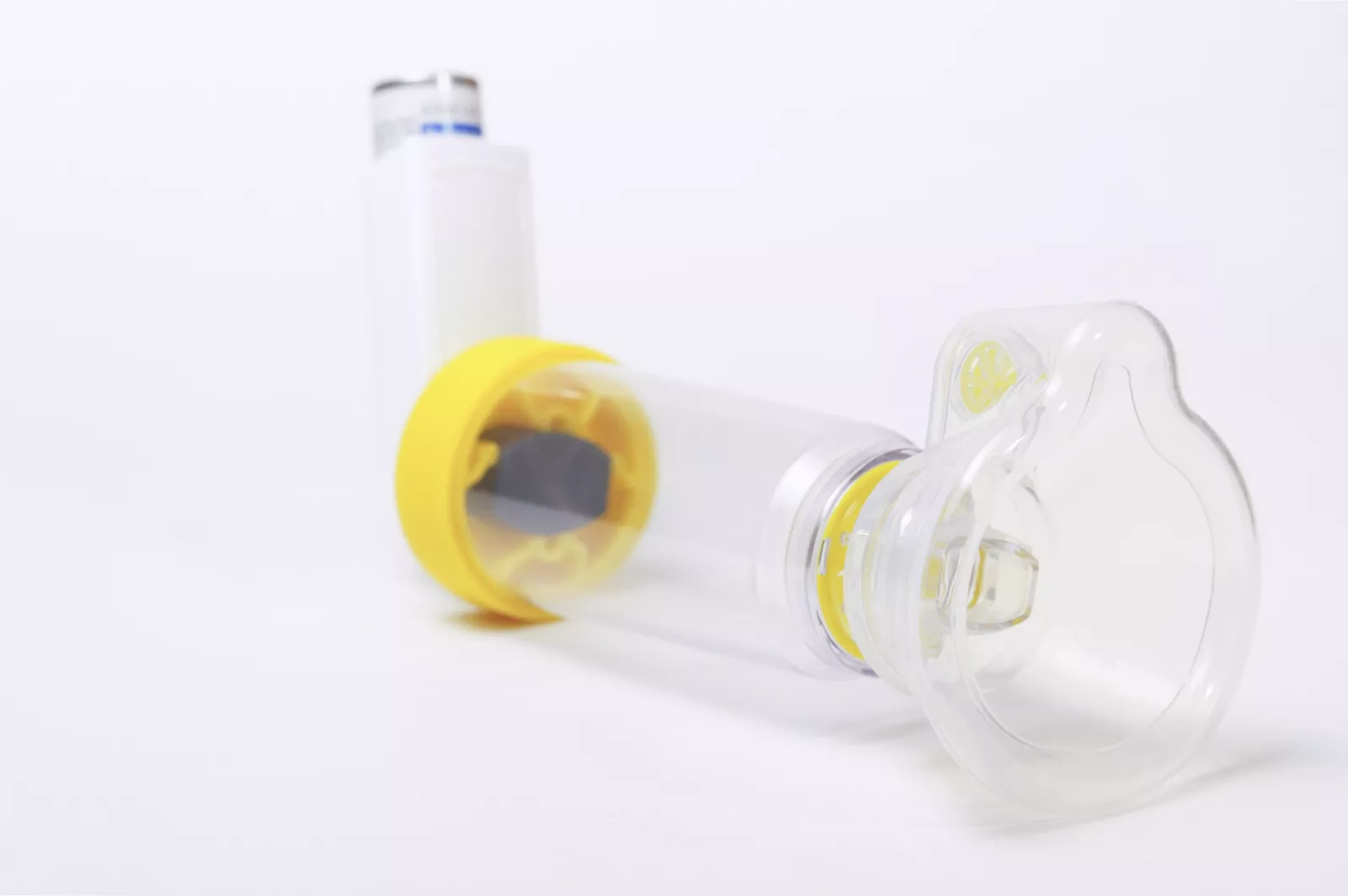
Dr Hickman stressed the particular importance of spacer devices, which are used with pressurised metered-dose inhalers (pMDIs) – the type that account for around 70% of all inhalers in the UK. “Spacer devices play a critical role in asthma care, mitigating technique, coordination and throat deposition issues, which we know impact both adults and children,” she said. “We need to spread the message about spacer use as far and wide as possible.”
Why spacers matter – and who should use them
The NHS states that spacers are “more effective” at delivering medication from pMDIs. The device holds the medication after it leaves the inhaler, making it easier to inhale slowly and deeply. A study published in the European Respiratory Journal found that failing to use a spacer with a pMDI can result in as little as half the intended dose reaching the lungs. The rest is deposited in the mouth or throat, reducing the therapeutic effect and increasing the risk of side effects such as oral thrush.
Spacers are particularly valuable for patients who struggle to coordinate pressing the inhaler and inhaling at the same time – a common difficulty for both adults and children. For young children, especially those under three, a mask attachment to the spacer is recommended. However, spacers are not suitable for all inhaler types. Dry powder inhalers (DPIs) and breath-actuated inhalers (BAIs) do not require a spacer, according to Asthma + Lung UK. Patients are advised to consult their GP or pharmacist to check whether a spacer is appropriate for their device.
Spacers are widely available in the UK. For example, the AeroChamber Plus Asthma Spacer for adults costs between £8.49 and £14.99, depending on whether it includes a mask; the Volumatic Spacer is available for around £8.85.
Correct technique: the essential steps
Even with a spacer, getting the technique right is critical. Liam Clutterbuck, from Trudell Medical UK, outlined several key steps that patients should follow.
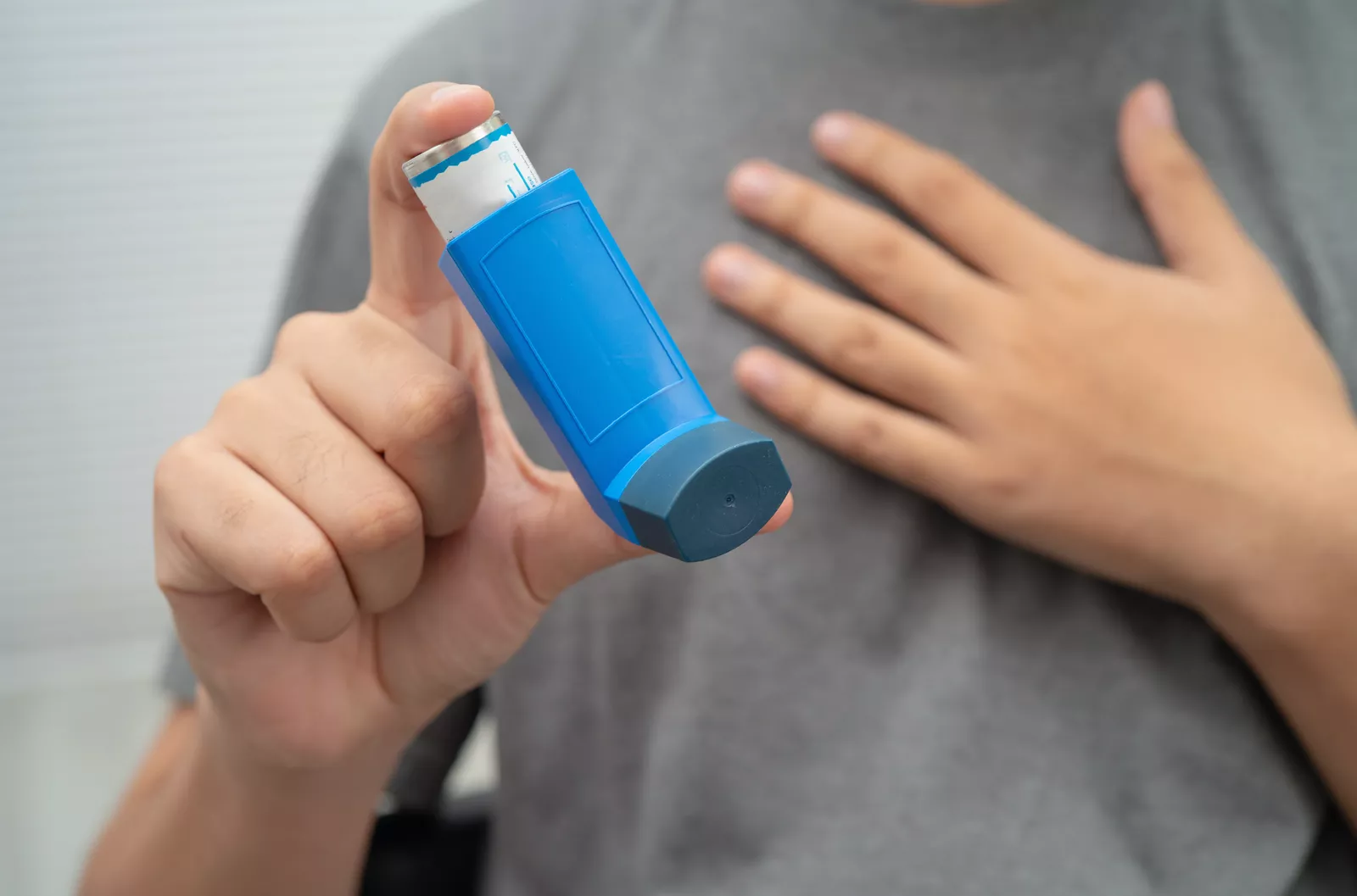
First, shake the inhaler well before every use. This ensures the medication is properly mixed so each puff delivers the correct dose. Failing to shake can result in uneven distribution and reduced effectiveness. The NHS recommends waiting 30 to 60 seconds between puffs and shaking the inhaler again each time.
Before inhaling, breathe out fully. Then place the inhaler – or spacer mouthpiece – in the mouth, forming an airtight seal. Inhale slowly and steadily over three to five seconds rather than taking a fast, sharp breath. A gentle breath gives the medicine time to travel deep into the lungs instead of being deposited in the mouth or throat. Asthma + Lung UK also advises holding your breath for five to ten seconds after inhaling, if possible, to allow the medication to settle in the airways.
Ensuring a tight seal around the mouthpiece or facemask is essential. A poor seal allows medication to leak out, reducing the amount that reaches the airways and making the inhaler less effective. After use, rinsing the mouth can help reduce the risk of oral thrush, a common side effect of inhaled corticosteroids.
Wider gaps in asthma care
The problem of poor inhaler technique is part of a broader failure in basic asthma management. Fewer than one in three people with asthma receive basic care annually – care that should include guidance on how to use their inhaler. This lack of routine support increases the likelihood of asthma attacks, hospitalisation and death.

Another concern is the sub-optimal switching of inhaler devices. Many patients are moved from one device to another without adequate guidance or support, leading to poorer condition control and a return to old, less effective treatments.
New National Institute for Health and Care Excellence (NICE) guidelines, published in November 2024, recommend a shift towards combination inhalers (ICS-formoterol) as the preferred reliever for most people with asthma, moving away from the sole reliance on blue reliever inhalers (SABAs). The change is intended to address underlying inflammation and reduce the risk of severe attacks.
Environmental considerations are also driving change. Inhalers – particularly pMDIs – contribute around 3% of the NHS’s carbon footprint in England because of the propellants they contain. There is growing emphasis on promoting lower-carbon alternatives such as DPIs and soft mist inhalers (SMIs), where clinically appropriate, through shared decision-making with patients. Proper disposal of inhalers by returning them to pharmacies for incineration is also being encouraged.
The UK Inhaler Group’s new guide is part of a broader effort to address the long-standing education deficit. Healthcare professionals are being encouraged to have patients demonstrate their inhaler technique rather than simply showing them, and to regularly check and reinforce correct practice. As Dr Hickman put it: “We need to spread the message about spacer use as far and wide as possible.”