

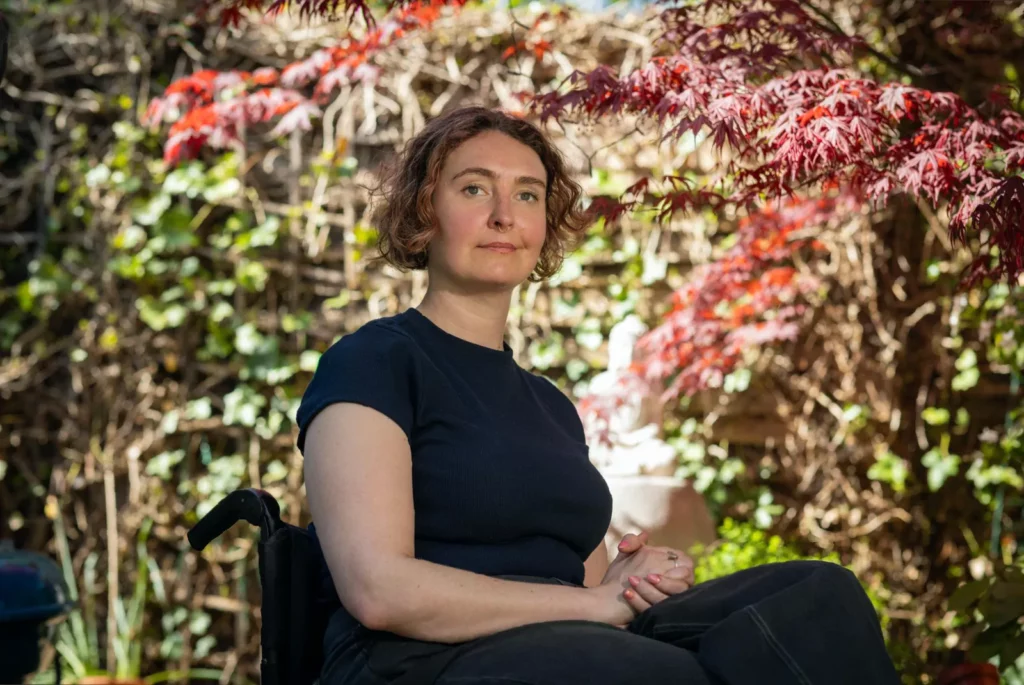
Paramedics delayed a potentially life-saving shock by pressing the wrong button on a specialist defibrillator, leaving a 26-year-old woman with permanent brain damage and life-changing disabilities, a legal settlement has revealed.
Meg Fozzard collapsed at her home in Walworth, south London, in April 2019 after struggling to breathe, turning “extremely pale” and suffering a seizure. Her partner, Xander Font Freide, dialled 999 and was instructed by an emergency call handler to begin CPR. But when paramedics from the London Ambulance Service arrived — after initially struggling to find her flat — the situation descended, in Mr Font Freide’s words, into “chaos and confusion”.
The error
Despite the call handler having advised CPR only minutes earlier, the responding paramedics reportedly did not believe Ms Fozzard was in cardiac arrest. They did not initially activate the specialist defibrillator’s automatic analysis mode, which assesses whether a shock is required. When the crew did attempt to use the device — a LifePak defibrillator — they pressed the incorrect button, causing a further four-minute delay before it could complete its assessment.
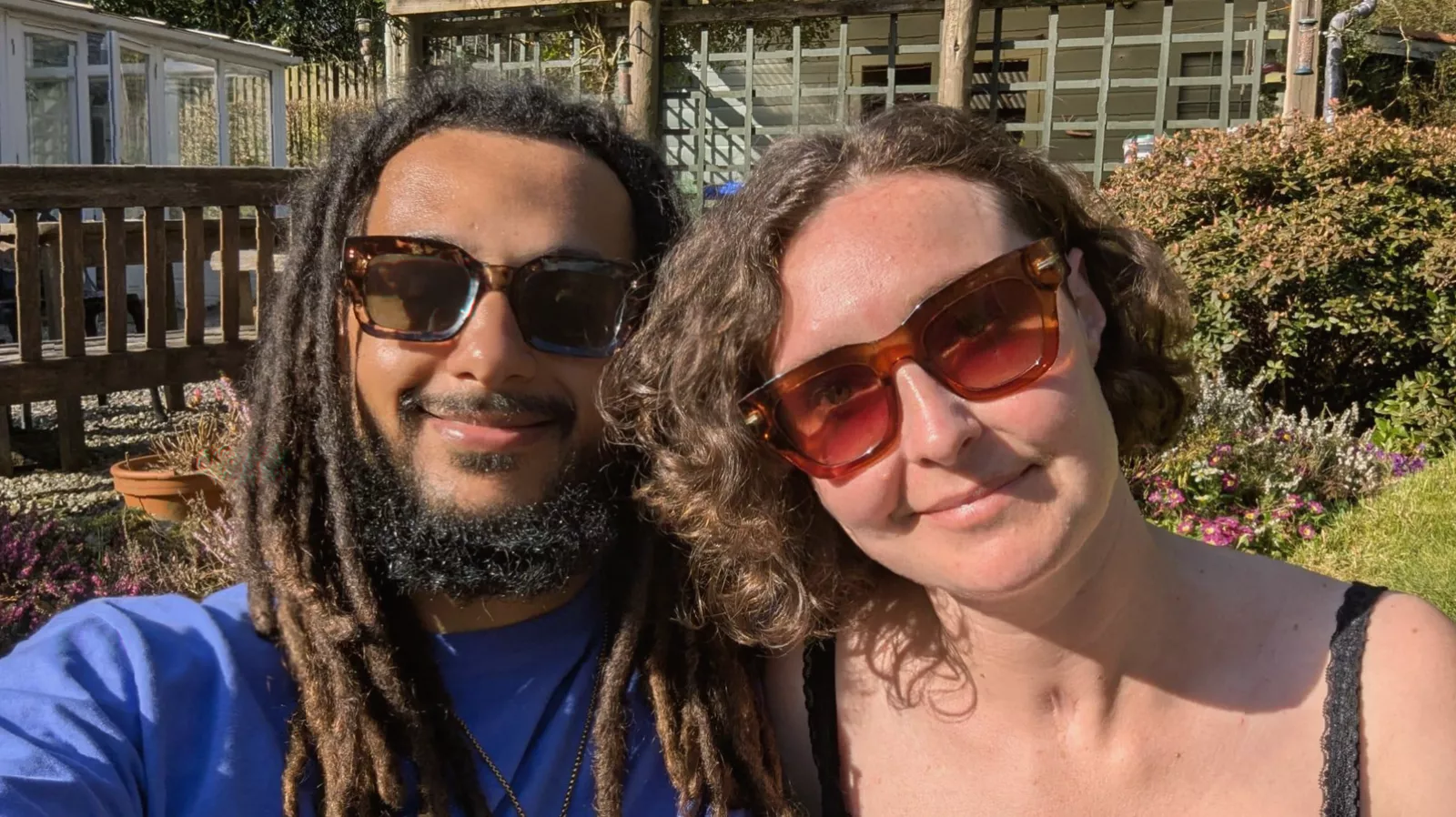
Compounding the mistake, the paramedics had connected the wrong equipment: monitoring leads instead of defibrillation pads. This prevented the device from alerting them that a shock was necessary. In total, Ms Fozzard waited eight minutes before receiving a potentially life-saving shock to the heart. Research shows that every minute without CPR and defibrillation reduces a person’s chance of survival by up to 10 percent, and delivering treatment within three to five minutes can significantly improve outcomes. Nationally, fewer than one in ten people survive an out-of-hospital cardiac arrest in the UK; in 2022 roughly eight percent of patients survived to 30 days in England.
Devastating consequences
The delay deprived Ms Fozzard’s brain of oxygen, causing a hypoxic-ischemic brain injury. Now 33, she lives with permanent disabilities including chronic fatigue, brain fog, reduced dexterity, involuntary spasms in her limbs, and significant speech difficulties. She requires the use of a wheelchair and was off work for 14 months. “It’s almost impossible to find the words to describe the physical and emotional impact of trying to come to terms with what happened,” she said. “At first I had no idea but as the severity of my brain injury became more apparent the realisation started to sink in. That moment of being in hospital and realising my life was never going to be the same was tough. Before my injury, I’d hop on a train or even fly across the world and visit friends but that all changed. I’d gone from being independent to being reliant on others. I even struggled to tell people what I needed because of my speech.”
Through rehabilitation funded by interim payments from her legal claim — including speech and language therapy, physiotherapy, and occupational therapy — Ms Fozzard has made significant progress. She can now stand for up to an hour, her verbal and mental functions have improved, and she has resumed part-time work as a freelance producer specialising in disability rights. She is also engaging in aerial sports and learning to swim again. “It’s been amazing because I thought these were things I’d never be able to do again. I know I’ve a long way to go but I finally feel like I’m getting back to being the person I was before,” she said. “However, I’ll always be upset at the care I received when I was in desperate need so it’s vital action is taken to improve patient safety for others.”
The London Ambulance Service admitted failings in Ms Fozzard’s care, and she received an undisclosed payout from the NHS. Leena Savjani, the specialist medical negligence lawyer at Irwin Mitchell representing Ms Fozzard, said: “The last few years and coming to terms with the life-changing repercussions of Meg’s cardiac arrest have been incredibly difficult for her and her loved ones. Following investigations, incredibly worrying and basic failings have been admitted in Meg’s care. … Every second counts when trying to resuscitate someone suffering a cardiac arrest.”
Apology and lessons learned
Dr Fenella Wrigley, Chief Medical Officer for London Ambulance Service, issued a sincere apology. “On behalf of London Ambulance Service, I sincerely apologise that the care provided to Ms Fozzard that day in 2019 did not meet the standard we expect,” she said. “In the weeks following this 999 call, we conducted a thorough review to learn the lessons that led to Ms Fozzard’s defibrillation being delayed. The learnings from the review were all implemented at the time and our ways of working have been changed.”

The incident was not isolated. Coroners had previously issued warnings to the London Ambulance Service about delayed use of LifePak 15 defibrillators, citing confusion over correct usage — particularly switching from manual to automatic settings. In one earlier case, a coroner found that a paramedic started the defibrillator in manual mode and failed to detect a shockable rhythm, causing a four-minute delay. Following a review, the service issued revised guidance in June 2019, acknowledging that while manual mode might be preferred by trained paramedics, automatic mode could be preferable in stressful environments. Crucially, in October 2019 — six months after Ms Fozzard’s cardiac arrest — London Ambulance Service issued updated cardiac care guidance making it clear that the LifePak 15 should initially be switched to AED (Automatic External Defibrillator) mode in all cardiac arrest cases. The service considered changing the default setting of the device but noted that factory default settings vary based on intended use. Dr Wrigley, who holds an MBE for her services to the NHS, confirmed that all lessons from Ms Fozzard’s case were implemented at the time.
Despite the progress, survivors of out-of-hospital cardiac arrest in the UK face an uncertain road. There is no formal care pathway for cardiac arrest survivors, and access to rehabilitation and psychological support can vary significantly. Ms Savjani stressed that the settlement allows Ms Fozzard to access the specialist lifetime support she requires, but added: “It’s vital that lessons are learned to improve patient safety for others.”