

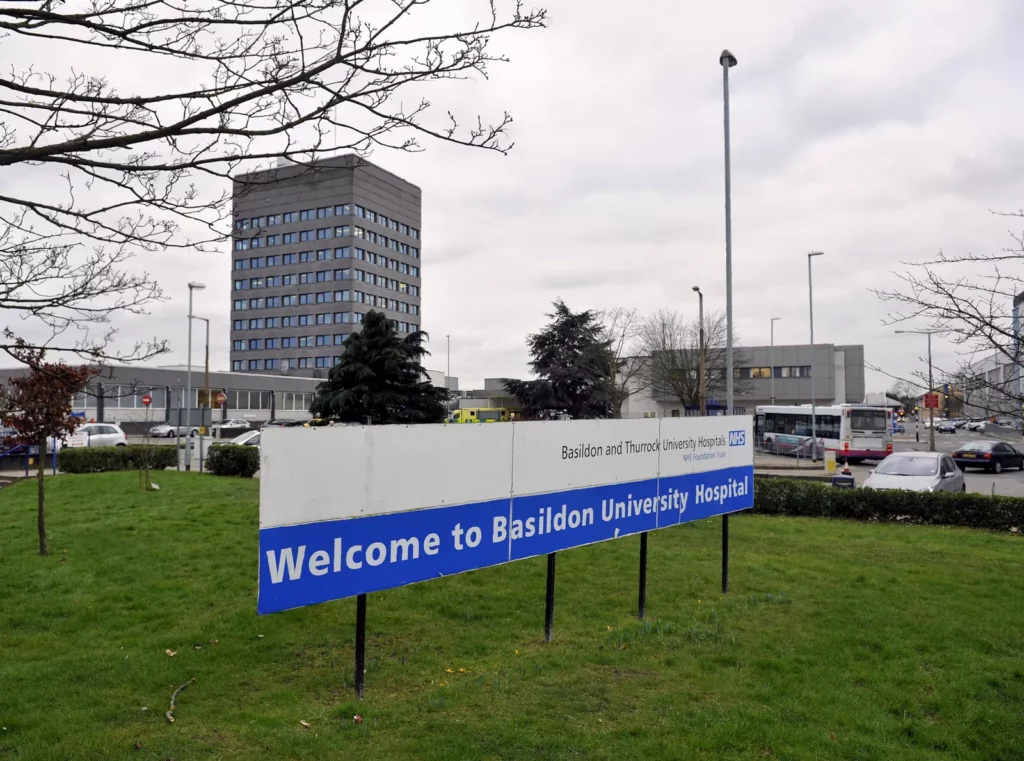
More than 100 current and former maternity staff are taking legal action against an NHS trust, alleging they suffered serious health problems — including chronic fatigue, neurological issues and “brain fog” — after being exposed to dangerous levels of nitrous oxide at Basildon University Hospital.
According to reports by the BBC, 141 claims for compensation have now been recorded against Mid and South Essex NHS Foundation Trust. The staff, who include midwives and healthcare assistants, argue that the trust failed in its duty of care by allowing them to inhale high concentrations of the pain-relief gas, known as Entonox or “gas and air”, over several years.
The legal action covers the period between 2018 and 2023. Staff are seeking damages for personal injury, with individual claims in excess of £1,500. One employee described how colleagues had been “poisoned”.
Health effects of prolonged exposure
Nitrous oxide is a 50:50 mixture of the gas and oxygen, routinely used to help women manage pain during labour. The NHS regards it as very safe for mothers and babies when used in short bursts. However, for healthcare workers who breathe in the gas day after day, the picture is very different.
The Health and Safety Executive (HSE) sets a long-term workplace exposure limit (WEL) for nitrous oxide at 100 parts per million (ppm) averaged over an eight-hour shift. Internal hospital reports seen by staff show that levels on the maternity unit at Basildon were found to be up to 30 times higher than that legal limit. Routine testing in June 2021 revealed nine staff members had been exposed to excess levels, with one recording almost 3,000 ppm — nearly 30 times the WEL.
According to the HSE, high workplace exposure can cause serious health effects including neurological problems and anaemia, which is often driven by a deficiency in vitamin B12. Staff involved in the legal action report a range of symptoms: fatigue, anxiety, headaches, “brain fog”, chronic fatigue, low vitamin B12 levels leading to heart palpitations, low mood, pain in hands and feet, excessive irritability, and in some cases collapsing at work. Research has also suggested possible links to spontaneous abortions, congenital abnormalities and reduced fertility, although the trust has said it believes there is insufficient clinical evidence to support claims around fertility issues.
The range of symptoms reflects how nitrous oxide interferes with the body’s ability to process vitamin B12, which is essential for nerve function and the production of red blood cells. Without adequate B12, staff can develop anaemia and nerve damage, which may explain the cognitive and physical symptoms they describe.
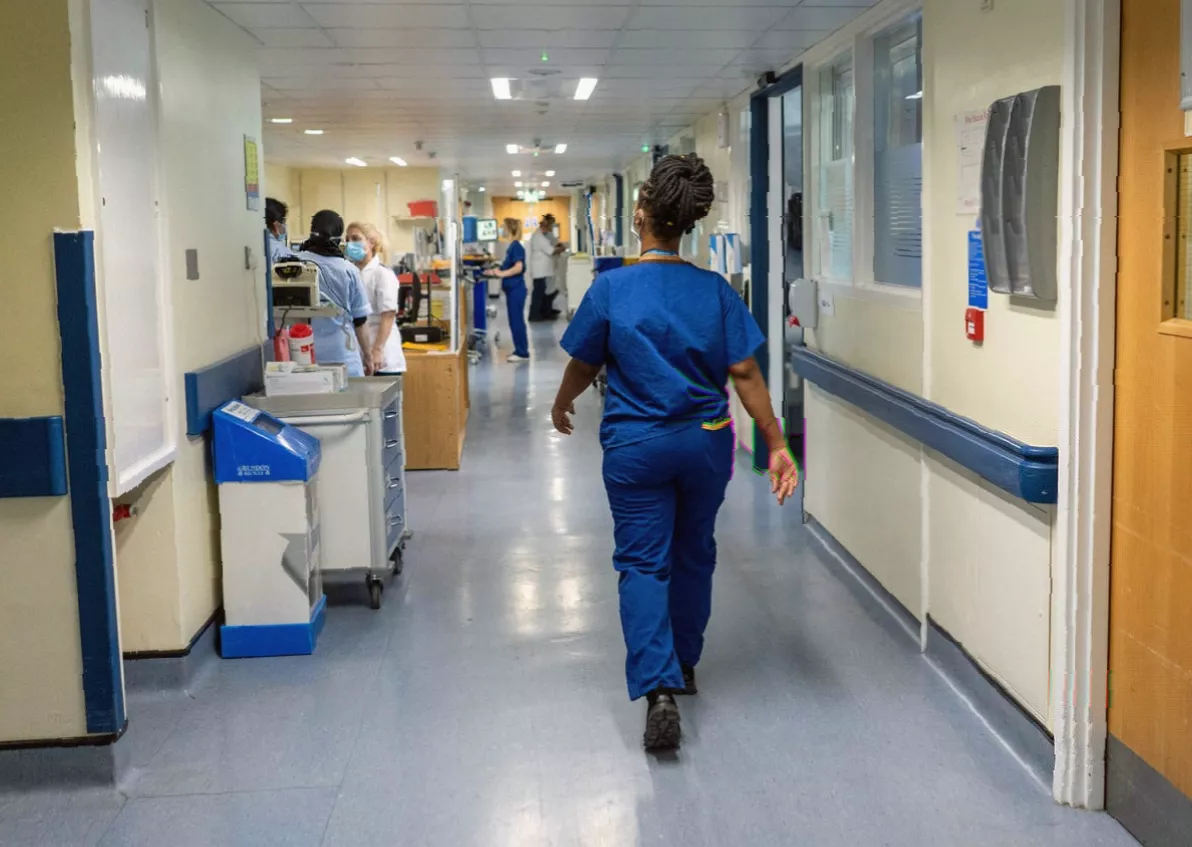
Independent review exposes “unacceptable delay”
Two years ago, an independent review conducted by the Good Governance Institute (GGI) found that the trust “failed to act with candour” and that there was an “unacceptable delay” in its response to concerns about nitrous oxide levels. Concerns were first raised in July 2021, but the trust did not treat the high gas levels as a “significant risk to health” until October 2022 — a gap of more than a year.
The GGI review concluded that midwives and other staff on the maternity unit were “exposed to unnecessary risk or potential harm”. It identified weak governance processes as a primary cause of the failure to act promptly. “The inquiry found that there was an unacceptable delay in responding to and mitigating a serious risk that had been reported into the levels of nitrous oxide on the Basildon University Hospital maternity unit,” the authors wrote.
The issue is not unique to Basildon. In March 2023, NHS England published national guidance on minimising exposure to nitrous oxide in healthcare settings. A 2022 survey found that 20% of responding NHS trusts reported staff exposure exceeding workplace limits, with one case showing levels 12 times the WEL. Several maternity units across the country have since restricted or redesigned how the gas is administered.
Trust apologises and introduces new measures
The Mid and South Essex NHS Foundation Trust has already paid out £89,000 in settlements over claims of “excessive and foreseeably dangerous” levels of Entonox exposure. The trust’s chief executive, Matthew Hopkins, apologised in 2024, saying: “While we now have robust systems in place and are confident that nitrous oxide levels are well within the safe limits, it is simply not acceptable that we took so long to act. We committed to commissioning an independent investigation to fully understand what went wrong and how we could ensure that it doesn’t happen again. I would like to sincerely apologise to the staff in the unit and thank them for their patience and their unwavering commitment to the families who use our maternity service.”
Hopkins confirmed that “scavenger” devices designed to purify the air have been installed, and the trust states that current nitrous oxide levels are now within safe limits. However, the broader context of the trust’s maternity services remains concerning. In December 2022, the Care Quality Commission (CQC) rated Mid and South Essex NHS Foundation Trust as “requires improvement” in the safe, responsive and well-led categories, with conditions still on its registration for maternity services. National reports have highlighted issues such as racism, bullying, inadequate infrastructure, dangerous staffing levels and outdated, poorly maintained facilities — including problems with ventilation.